
Selecting the right yoga ball size is essential for maintaining proper form, protecting your joints, and getting the most out of your core workouts or active sitting routine. The correct diameter is primarily determined by your height, ensuring that when you sit on the ball, your hips and knees align at a safe, stable angle. While standard sizing charts offer a reliable starting point, verifying the fit through physical posture checks is the most accurate way to ensure the ball supports your body safely.
Why Yoga Ball Diameter Matters for Your Workouts
Using a yoga ball that is too large or too small can compromise your alignment and reduce the effectiveness of your exercises. When the ball matches your proportions, it supports a neutral spine, allowing your core muscles to engage naturally to maintain balance. An incorrectly sized ball forces your body to overcompensate, which can lead to poor posture and unnecessary muscle fatigue during workouts.
Joint safety is another critical factor influenced by the ball’s diameter. If the ball is too low, your knees are forced into an acute angle, placing excessive stress on the patella and hip flexors. Conversely, a ball that is too high prevents your feet from resting flat on the floor, reducing your stability and increasing the risk of slipping or straining your lower back.
Products mentioned in this guide
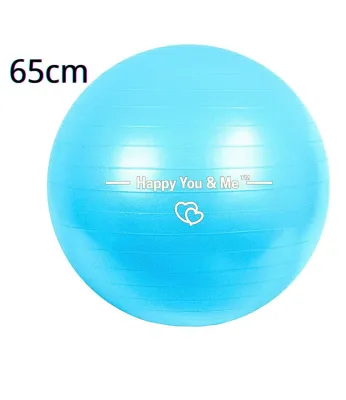
![🇸🇬 [READY STOCK] Anti-Burst and Slip Swiss Ball Yoga Ball Fitness Ball Birthing Ball with Quick Pump](https://img.lazcdn.com/g/p/7185f59d3c18814d079973d3aa24ae62.jpg_400x400q80.jpg_.webp)
![⭐[Sg Seller] 45cm55CM 65CM 75CM 85CM Burst Resistance Yoga Ball Gym Fitness Iron Shake Weight](https://img.lazcdn.com/g/p/e23e6d3db4b1f7e42ef3d0a86e2e6e3f.jpg_400x400q80.jpg_.webp)
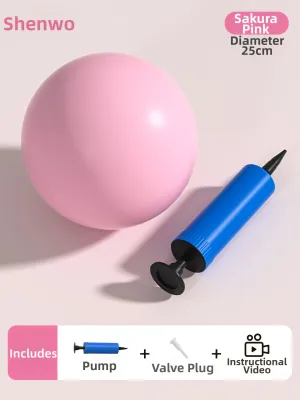
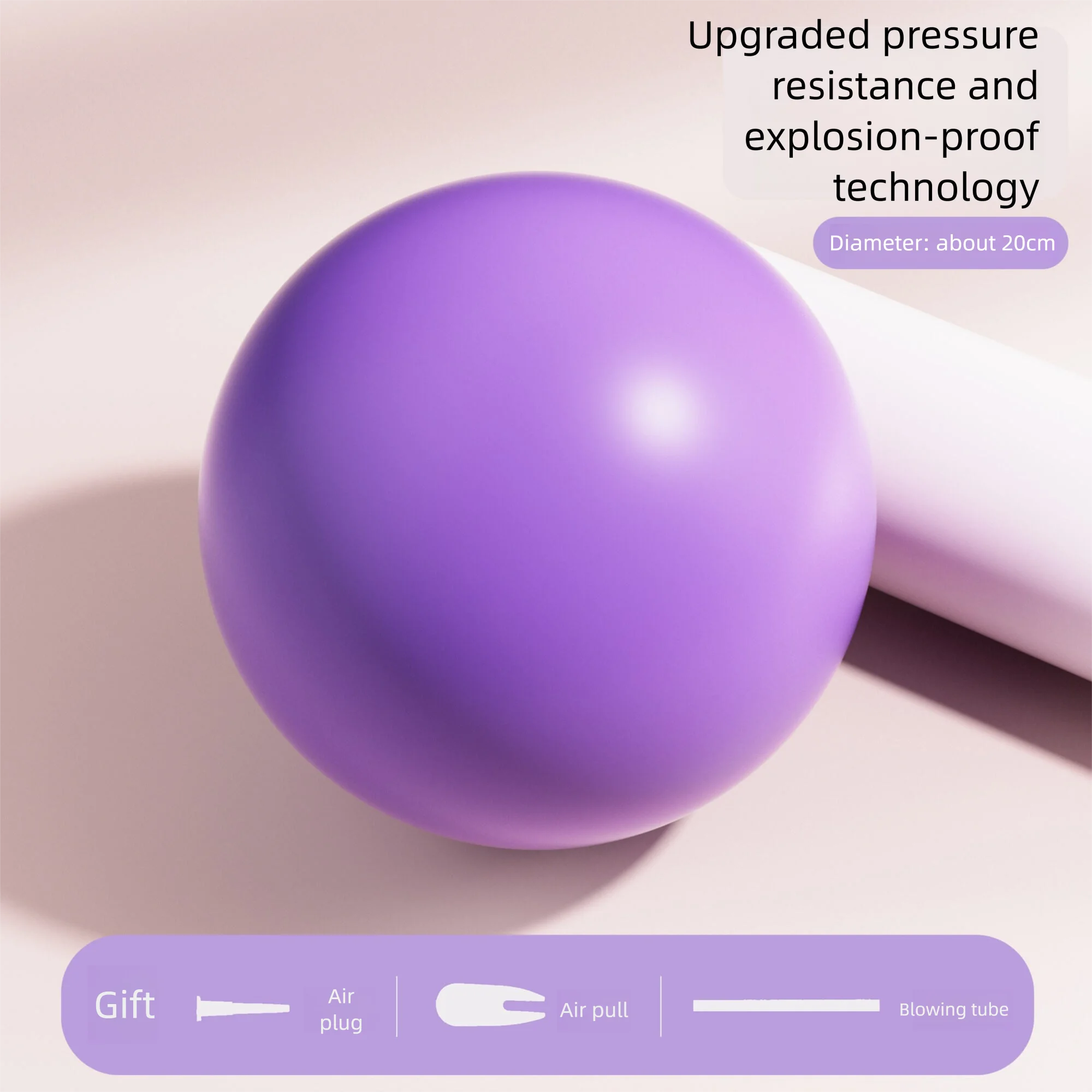
Prices are valid at publication and may change. Please refer to the product page for the latest price.
Core muscle activation also changes significantly based on the ball’s size. A properly sized ball requires subtle, continuous micro-adjustments from your deep stabilizer muscles, such as the transverse abdominis and multifidus. If the ball is poorly fitted, you may find yourself gripping with your hip flexors or tensing your neck and shoulders just to stay upright, defeating the purpose of active stability training.
How to Match Yoga Ball Size to Your Height
The fitness industry generally categorizes yoga balls by their inflated diameter, measured in centimeters. The three most common sizes you will encounter on online marketplaces and in sporting goods stores are 55 cm, 65 cm, and 75 cm. These standard categories serve as a baseline for matching the equipment to your physical height.

As a general starting point, individuals between 152 cm and 165 cm tall typically find a 55 cm ball most suitable. Those standing between 165 cm and 180 cm usually align best with a 65 cm ball, while taller individuals between 180 cm and 190 cm generally require a 75 cm ball. For heights outside these ranges, manufacturers also produce 45 cm and 85 cm options.
However, these ranges are not universal, and exact mappings vary by manufacturer. Different brands use distinct rubber compounds, wall thicknesses, and molding processes that affect how the ball behaves under load. Always consult the specific sizing chart provided on the product packaging or the manufacturer’s official website before making a purchase.
Additionally, the final usable diameter is heavily influenced by inflation limits and material stretch. A ball inflated to its maximum capacity will feel firm and sit higher, while under-inflating the same ball will reduce its height and increase its contact area with the floor. You must never over-inflate a ball beyond its rated diameter to reach a desired height, as this compromises the material integrity and increases the risk of sudden deflation.
The 90-Degree Rule: How to Test Your Yoga Ball Fit
Once you have selected a ball based on your height, you can verify the fit using a simple, observable posture check known as the 90-degree rule. To perform this test, inflate the ball according to the manufacturer’s instructions and sit directly on the center of the dome. Ensure you are wearing your typical workout shoes or practicing barefoot, depending on how you plan to use the ball.
Place both feet flat on the floor, spaced about shoulder-width apart, to establish a stable base. Observe the alignment of your hips, knees, and ankles in a mirror or ask someone to check your profile. In a correct fit, your thighs should rest parallel to the floor, or slope slightly downward from your hips to your knees, forming an approximate 90-degree angle at both joints.
If your knees are positioned higher than your hips, the ball is too small or under-inflated, which can strain your lower back over time. If your heels lift off the ground or your legs are stretched straight to reach the floor, the ball is too large or over-inflated. This position reduces your stability and makes active exercises more difficult to control.
You can make minor adjustments to the fit by altering the air volume within the ball. Letting out a small amount of air can lower the height slightly and increase stability, while adding air will raise the seating position. However, these adjustments must always remain within the manufacturer’s specified pressure and diameter limits to ensure safe operation.
Adjusting for Different Exercises and Recovery Needs
Your primary activity should also influence how you inflate and utilize your yoga ball. If you plan to use the ball as an active desk chair, a firmer inflation is generally recommended. A firm ball provides more structure, helping you maintain an upright, neutral spine and preventing you from sinking too deeply into the material during long periods of sitting.
For active workouts, Pilates, or recovery stretching, a slightly softer inflation can be highly beneficial. A softer ball deforms more under your body weight, which increases the contact area with the floor and provides a more stable, supportive surface. This extra stability is particularly helpful when performing challenging balance exercises or deep back bends where control is paramount.
Before making any adjustments to the firmness, always check the manufacturer’s weight capacity and burst-resistance labels. Yoga balls are rated for specific weight limits, which include both your body weight and any additional fitness equipment, such as dumbbells, used during your routine. Ensuring your ball is rated for your specific use case is vital for preventing sudden failures.
Frequently Asked Questions (FAQ)
Can I use the same yoga ball for both desk sitting and workouts?
Yes, you can use a single yoga ball for both fitness routines and desk sitting, provided the size aligns with both your height and your desk clearance. When transitioning between tasks, you may need to adjust the air volume slightly to find a comfortable balance between the firmness needed for sitting and the stability required for workouts. Keep in mind that standard desk heights in Singapore are designed for traditional chairs, so you should measure your desk’s underside clearance to ensure your legs have enough room when seated on the ball.
What should I do if my height falls between two standard sizes?
If your height falls on the boundary between two manufacturer sizes, your decision should depend on your leg-to-torso ratio and your primary use case. Individuals with longer legs relative to their torso generally benefit from choosing the larger size to ensure their knees are not bent at an acute angle. If you plan to use the ball primarily as a desk chair, opting for the larger size and slightly under-inflating it is often safer and more comfortable than over-inflating a smaller ball to reach your desk. Always check the specific brand’s overlap guidelines on the product packaging for tailored recommendations.
Community discussion
Share your experience or ask a question. Comments are reviewed before publication.