
The choice between a yoga ball and a foam roller for post-run recovery depends entirely on your specific physical needs after a run. There is no single winner; foam rollers excel at targeting localized muscle tightness and myofascial release, while yoga balls are superior for dynamic stretching, core activation, and improving overall mobility. This guide breaks down how each tool functions, helping you decide which one aligns with your recovery goals or how to effectively combine them.
Running places repetitive stress on the lower body, often leaving you with a mix of tight muscles, stiff joints, and general fatigue. Choosing the wrong recovery tool can lead to ineffective sessions or unnecessary discomfort. By understanding the mechanical differences between a firm, rolling cylinder and a large, air-filled sphere, you can tailor your post-run routine to address your body’s exact feedback on any given day.
Identifying Your Post-Run Recovery Goals
To choose the right recovery tool, you must first assess how your body feels after completing a run. Acute muscle soreness, such as tight calves or friction along the outer thigh, requires a different approach than general joint stiffness or core fatigue. Running involves repetitive, linear movements that can cause specific muscle groups to become overworked and shortened, while stabilizing joints and core muscles work continuously to maintain your posture.
Products mentioned in this guide
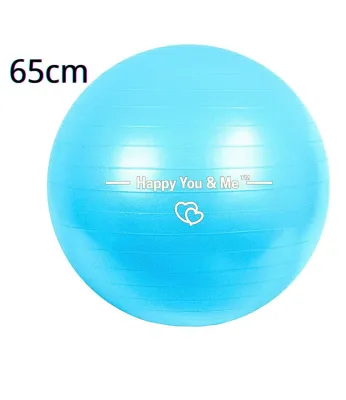
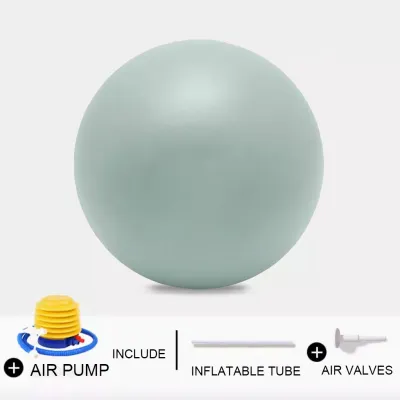
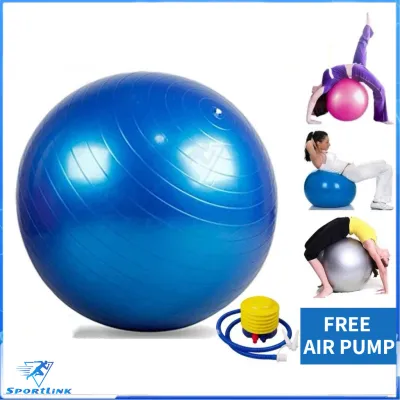
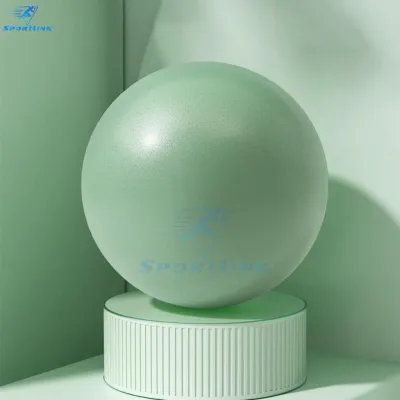

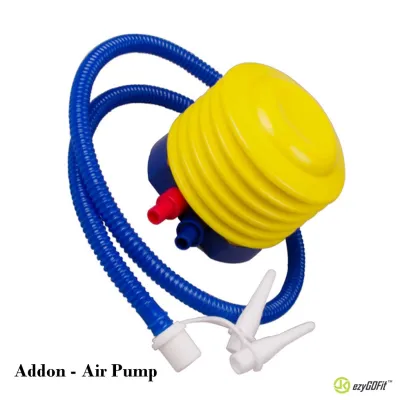
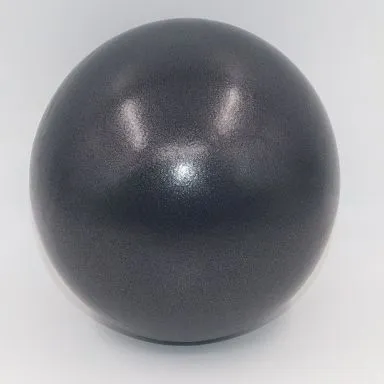
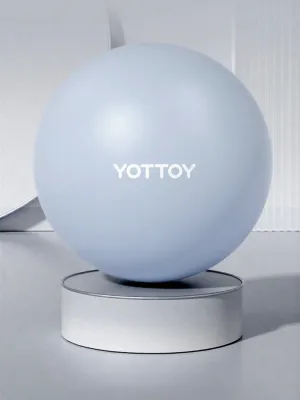
Prices are valid at publication and may change. Please refer to the product page for the latest price.
Identifying your primary physical complaints is the first step in selecting your tool. If you feel localized knots or “trigger points” in your quadriceps, hamstrings, or calves, your muscles likely require targeted pressure to help release tension. Conversely, if you experience stiffness in your hips, lower back, or thoracic spine, you may benefit more from gentle, multi-directional movement and stretching that opens up these tight areas.
Your physical environment and personal comfort also play a role in this decision. A foam roller requires minimal floor space and is highly stable, making it accessible for runners of all balance levels. A yoga ball, also known as a stability ball, requires a larger physical footprint for both use and storage, and its unstable nature demands active coordination and balance, which can be challenging when you are already exhausted from a long run.
Using a Foam Roller for Muscle Tightness and Soreness
Foam rolling, or self-myofascial release, works by using your own body weight to apply direct pressure to specific muscle groups. This pressure targets the fascia, the connective tissue surrounding your muscles, which can become tight, restricted, or adhered due to repetitive running motions. By rolling slowly over these areas, you help restore tissue elasticity and encourage localized circulation, which can assist in easing delayed onset muscle soreness (DOMS).

For runners, the foam roller is particularly effective for targeting the major muscle groups of the lower body. Positioning your body weight over the roller allows you to systematically address tightness in your quadriceps, hamstrings, calves, and glutes. While many runners use foam rollers on the lateral side of the thigh to address IT band tightness, it is often more beneficial to roll the surrounding muscles, such as the tensor fasciae latae and quadriceps, to relieve tension indirectly without compressing sensitive, non-contractile tissue.
However, foam rolling has distinct limitations that you should consider. The deep, localized pressure can be highly uncomfortable, especially on highly sensitive or inflamed areas, and overusing a roller on sore spots can lead to bruising or increased muscle guarding. Additionally, because a foam roller is a rigid cylinder, it cannot easily conform to curved areas of the body or target deep stabilizing muscles, such as the deep hip rotators, which may require a smaller, more targeted tool or a different recovery approach altogether.
Using a Yoga Ball for Mobility and Core Activation
A yoga ball offers a completely different approach to post-run recovery by focusing on active mobility, dynamic stretching, and gentle core engagement. Because the ball is filled with air and rolls in all directions, it provides an unstable surface that forces your deep stabilizing muscles to activate to maintain balance. This gentle activation helps restore neuromuscular control and supports joint alignment after the repetitive, high-impact stress of running.
The primary benefit of a yoga ball for runners lies in its ability to facilitate deep, supported stretches that are difficult to achieve on the floor. For example, draping your torso over the ball allows for gentle spinal extension, opening up the chest and anterior chain after miles of forward-leaning running posture. You can also use the ball to perform supported hip flexor stretches, gentle hamstring curls to engage the posterior chain without heavy loading, and lateral torso stretches that improve mobility in the obliques and lower back.
Despite these benefits, a yoga ball is not a direct substitute for deep tissue work. It cannot apply the concentrated, localized pressure needed to break up stubborn muscle knots or address acute fascial adhesions. Furthermore, yoga balls have a large storage footprint, require inflation, and can be difficult to manage in small living spaces, making them less convenient for quick recovery sessions or travel compared to a compact foam roller.
Foam Roller vs Yoga Ball: Feature Comparison
To help you decide which tool fits your immediate recovery needs, it is helpful to compare their physical characteristics, primary functions, and practical requirements side by side.
| Feature | Foam Roller | Yoga Ball |
|---|---|---|
| Primary Function | Localized self-myofascial release | Dynamic stretching and core stabilization |
| Target Areas | Quads, calves, hamstrings, glutes | Hips, spine, chest, core, stabilizers |
| Pressure Type | Concentrated, firm, body-weight dependent | Broad, yielding, air-cushioned |
| Ease of Use | High stability, simple to learn | Requires balance, coordination, and space |
| Storage & Portability | Compact, lightweight, highly portable | Large footprint, difficult to transport unless deflated |
Understanding these differences allows you to choose the tool that matches your body’s feedback. If you finish a run feeling localized, intense tightness in your calves, the foam roller is the clear choice to address that specific spot. If you finish a run feeling generally stiff, with a tight lower back and closed-off hips, the yoga ball provides the broad support and multi-planar movement needed to restore your range of motion.
Rather than viewing these tools as competitors, it is highly effective to treat them as complementary components of a complete recovery toolkit. The foam roller addresses the structural tightness of individual muscle fibers, while the yoga ball helps reintegrate those muscles into smooth, coordinated movement patterns. Using both tools allows you to address both the muscular and joint-related aspects of post-run fatigue.
Building Your Condition-Based Recovery Plan
Creating an effective post-run recovery routine requires a structured approach based on how your body responds to training. Instead of blindly following a set routine, use your immediate physical feedback to guide your choice of tool. If your muscles feel tender, knotted, or heavy, prioritize the foam roller; if your joints feel locked, your posture feels compressed, or your core feels fatigued, turn to the yoga ball.
If you decide to use both tools in a single recovery session, the sequence in which you use them can influence your results. Start with the foam roller to address localized muscle tightness and release fascial restrictions. Once you have loosened the primary muscle groups, transition to the yoga ball to perform dynamic stretches and gentle mobility exercises. This sequence ensures that you are stretching tissues that have already been released, allowing for a safer and more effective range of motion.
Safety should always be your primary concern during any recovery session. When using a foam roller, avoid rolling directly over bony prominences, joints, or the lower back, as this can place unsafe pressure on sensitive structures. When using a yoga ball, ensure you have a clear, non-slip surface to prevent slipping, and avoid exercises that exceed your current balance capabilities. Stop immediately if you experience sharp pain, numbness, tingling, or joint instability, as these are signs that your body requires rest or professional evaluation rather than self-treatment.
Frequently Asked Questions (FAQ)
Can a yoga ball provide deep tissue massage for tight calves?
A yoga ball cannot provide the deep, targeted pressure required for deep tissue massage in small muscle groups like the calves. Because the ball is large and air-filled, it distributes your body weight over a wide surface area, resulting in a gentle, broad compression rather than localized pressure. If you do not have a foam roller, you can use a smaller, firmer object like a tennis ball or lacrosse ball to target tight calves safely, or perform gentle manual massage using your hands.
How much time should I allocate for post-run recovery?
A typical post-run recovery session using these tools should last between 10 and 20 minutes. When foam rolling, spend approximately 30 to 60 seconds on each muscle group, moving slowly and pausing on areas of tension without staying on a single spot for too long. For yoga ball mobility work, hold gentle stretches for 20 to 30 seconds, focusing on deep, controlled breathing. Always prioritize the quality of your movements and your body’s feedback over a strict time limit.
When should I stop using recovery tools and see a professional?
You should stop using self-recovery tools and consult a healthcare professional if you experience sharp, localized pain, swelling, joint instability, or pain that worsens with movement. Self-myofascial release and dynamic stretching are designed for general muscle tightness and mild soreness, not for treating acute strains, sprains, or suspected stress fractures. If your symptoms persist for several days despite rest and gentle recovery, seek a professional evaluation to prevent further injury.
Community discussion
Share your experience or ask a question. Comments are reviewed before publication.