
Quick Answer: Which Foam Is Best for Yoga Blocks?
Choosing the right yoga block often comes down to finding the perfect balance between weight, stability, and comfort. The most common materials used to manufacture a foam block are Ethylene-Vinyl Acetate (EVA) and high-density cross-linked polyethylene (PE). While both are technically foams, their performance is dictated heavily by manufacturing density rather than the base material name alone.
Higher-density foams offer exceptional support, crisp edge retention, and long-term durability under full body weight. Conversely, lower-density foams are highly portable and cushion sensitive joints well, but they can compress, tilt, or wobble during challenging balancing postures. Understanding how these materials are processed helps you select a block that matches your physical needs and style of practice.
Common Foam Block Materials and Their Characteristics
The market features several polymer variations, each offering distinct physical characteristics. Evaluating these materials requires looking beyond the generic “foam” label to understand how the underlying chemistry dictates weight, firmness, and environmental resilience.
Products mentioned in this guide
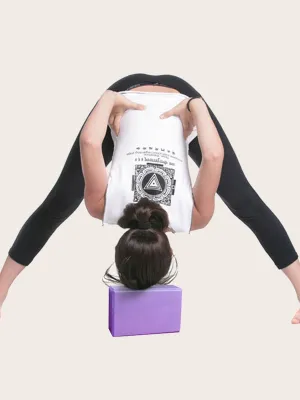
![[SG STOCK] Yoga Block Brick Rectangular Eva High Density 120 gram](https://img.lazcdn.com/g/p/15ec430f3b7931dd5cfe164aa0ece65a.jpg_400x400q80.jpg_.webp)
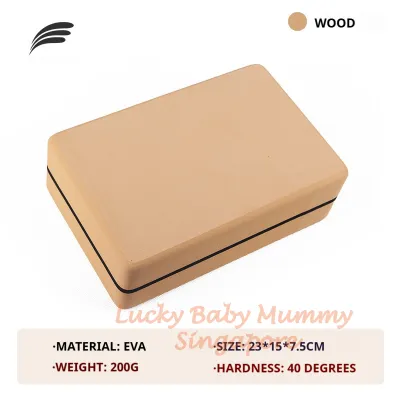
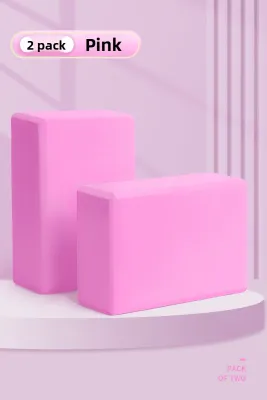
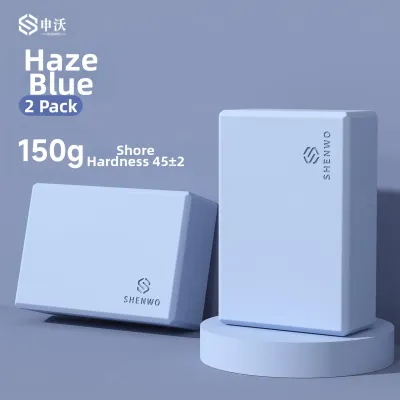
Prices are valid at publication and may change. Please refer to the product page for the latest price.

EVA (Ethylene-Vinyl Acetate) Foam
Ethylene-Vinyl Acetate, commonly known as EVA, is a copolymer of ethylene and vinyl acetate. This material is highly favored in the fitness industry due to its naturally lightweight properties and closed-cell structure. The closed-cell design means the foam contains sealed air pockets, preventing moisture, sweat, and oils from penetrating the interior of the block.
However, the quality of an EVA foam block varies significantly based on the manufacturing density. Standard-grade EVA is formulated to be soft and forgiving, making it highly accessible and budget-friendly for beginners. Premium EVA blocks utilize a higher ratio of polymer to air, resulting in a firm, resilient structure that resists deep compression while remaining comfortable against the skin.
High-Density and Cross-Linked Polyethylene (PE)
For practitioners seeking greater stability, high-density cross-linked polyethylene (PE) represents a significant upgrade. The cross-linking process chemically or physically bonds the polymer chains into a continuous three-dimensional network. This structural configuration creates a much tighter, more uniform cell layout than standard molded foams.
The resulting PE blocks are exceptionally firm and resist compression even under concentrated loads, such as during full-body arm balances. Because the cell walls are reinforced by cross-linking, these blocks maintain their shape over years of daily use, offering a level of stability that closely rivals natural cork or wood blocks while remaining significantly lighter to carry.
Alternative and Blended Foams (TPE, PU)
Some manufacturers utilize alternative polymers like Thermoplastic Elastomer (TPE) or Polyurethane (PU) blends. TPE blocks are often marketed for their recyclability and rubber-like elasticity, which provides a naturally tacky surface texture. PU blends are frequently used as a thin outer laminate over a firmer foam core to enhance surface grip.
When considering these alternative materials, always review the manufacturer’s care instructions and material specifications. These blends can vary widely in their rate of environmental degradation, particularly when exposed to direct sunlight or high-humidity storage conditions.
How Material Quality and Density Impact Performance
The physical behavior of your yoga block directly affects your alignment, safety, and confidence during a session. High-quality foam behaves predictably under load, whereas low-quality foam can introduce instability into your practice.
Support, Stability, and Compression
A primary function of a yoga block is to bring the floor closer to you, allowing you to maintain proper alignment without straining. When a block is made from low-density foam, it tends to compress, tilt, or wobble under full body weight. This instability is particularly pronounced in standing or balancing poses, such as Half Moon Pose (Ardha Chandrasana), where a sudden collapse of the block’s edge can lead to wrist or ankle strain.
In contrast, high-density foam blocks provide a firm, unyielding base. This structural integrity is critical for safety during advanced practices like inversions and arm balances, where you must rely on the block to support your core weight. High-density foam behaves similarly to cork, ensuring that your foundation remains completely level and secure.
Grip, Texture, and Moisture Management
In tropical climates or heated studio environments, moisture management becomes a vital safety consideration. Because closed-cell foam blocks do not absorb sweat, moisture remains on the surface. If the foam is of poor quality or has degraded over time, the surface can become dangerously slick when wet, causing your hands or feet to slide during poses like Downward-Facing Dog.
High-quality foam blocks solve this issue by incorporating textured surface patterns or specialized slip-resistant finishes. The inherent tackiness of premium polymers ensures that you can maintain a secure grip even when practicing in high humidity, preventing sudden slips that could disrupt your focus or cause injury.
Durability, Edge Retention, and Tearing
The lifespan of a yoga block is determined by its resistance to mechanical wear. Low-quality foam blocks are prone to chipping, permanent denting, and tearing, especially when subjected to fingernail pressure or friction against rough studio floors. Over time, the edges of cheap blocks tend to round off, reducing the flat surface area available for stable placement.
High-density, cross-linked foams exhibit superior tear resistance and excellent edge retention. Even under repeated, concentrated pressure, these blocks rebound to their original shape without leaving permanent indentations. This durability ensures that the block’s edges remain sharp and supportive, preserving the precise geometric angles needed for therapeutic alignment work.
How to Evaluate Foam Quality Before Buying
Navigating the options available in retail stores or online marketplaces requires a systematic approach to assessing material quality. By focusing on physical indicators, you can avoid low-grade products that fail prematurely.
Checking Density, Weight, and Firmness
When shopping online, look closely at the product specifications for dimensions and weight. A standard-sized yoga block typically measures 9 x 6 x 4 inches (approximately 23 x 15 x 10 centimeters). If you compare two blocks of these exact dimensions, the heavier block almost always indicates a higher density of raw polymer, translating to better support and longevity. Typically, standard-sized budget blocks weigh around 100 to 180 grams, whereas premium high-density alternatives can weigh 250 to 400 grams or more.
If you are inspecting blocks in a physical retail store, you can perform the “thumbnail press test.”
- The Thumbnail Press Test: Press your thumb firmly into the center of the block for three seconds, then release it. A high-quality, dense foam block will rebound immediately, leaving no visible trace of the pressure. If the foam feels spongy, compresses easily, or leaves a lingering indentation, it lacks the structural density required for rigorous practice.
Inspecting Surface Texture, Edges, and Odor
Visual and tactile inspections reveal a great deal about the manufacturing standards used to produce the block. Examine the edges of the block; premium models feature clean, consistently beveled edges that make the block comfortable to grip and transition between hand placements. Check the flat surfaces for uniform texture, and ensure there are no visible seams, air bubbles, or uneven expansion marks from the molding process.
Pay close attention to any chemical odors when unboxing a new block. While a mild, temporary scent is common for newly manufactured polymers, a strong, pungent, or persistent chemical smell indicates poor curing or low-quality off-gassing. This is not only unpleasant during close-up breathing exercises but can also indicate the presence of volatile organic compounds (VOCs) that have not been properly processed out of the material.
Matching the Right Foam Block to Your Practice
Your choice of foam block should align with your preferred style of yoga, physical needs, and how you intend to transport your equipment. No single block is ideal for every scenario, so matching the foam’s physical properties to your routine is essential.
Restorative, Yin, and Gentle Yoga
For practices that prioritize relaxation, flexibility, and long, passive holds, comfort is your primary objective. In styles like Yin or Restorative yoga, the block is frequently placed under sensitive areas such as the sacrum, knees, or thoracic spine to support the body’s weight gently.
For these applications, a standard or slightly softer EVA foam block is highly practical. The gentle yield of lower-density foam cushions your joints without creating uncomfortable pressure points during extended poses. Additionally, because these practices do not involve dynamic weight-bearing or high-risk balancing, the extreme stability of high-density foam is not strictly necessary, allowing you to opt for a lighter, more budget-friendly block that is easy to carry to your local studio.
Active, Vinyasa, and Iyengar Styles
Dynamic, alignment-focused, or physically demanding practices require a completely different set of block characteristics. In Vinyasa flow, power yoga, or alignment-heavy Iyengar classes, you will frequently place your entire body weight onto the block during transitions, arm balances, or deep standing postures.
For these active styles, investing in a high-density, cross-linked foam block is highly recommended. The unyielding support of premium foam ensures that your wrists remain properly aligned and your foundation stays stable. In these rigorous practices, block compression or edge rounding poses a genuine safety hazard, making the structural integrity of high-density foam an essential component of your safety gear.
Community discussion
Share your experience or ask a question. Comments are reviewed before publication.