
Quick Answer: Matching Block Materials to Your Practice Needs
When shopping for a yoga brick block, the brand logo matters far less than the underlying material. Popular brands typically manufacture blocks from three primary materials: ethylene-vinyl acetate (EVA) foam, natural cork, or wood (such as bamboo). Your choice should depend entirely on your practice style, environment, and physical needs.
For example, practitioners in humid climates who engage in sweaty, high-intensity vinyasa often find that natural cork provides the most reliable wet grip. Conversely, those focusing on restorative or yin yoga typically prefer the gentle cushioning of high-density EVA foam. Before purchasing any block, always verify the manufacturer’s exact density specifications and dimensions to ensure they align with your body size and stability requirements.
How Core Materials Dictate Yoga Brick Block Performance
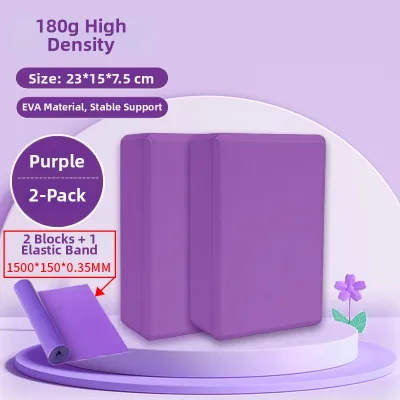
To make an informed comparison between popular brands, you must first understand how core materials behave under pressure. EVA foam is the most common material used by major fitness brands. It is highly valued for being lightweight, portable, and relatively soft to the touch. However, manufacturing processes dictate whether a foam block is squishy or firm. High-density EVA blocks undergo greater compression during manufacturing, resulting in a tighter cell structure that resists deformation under body weight.
Products mentioned in this guide
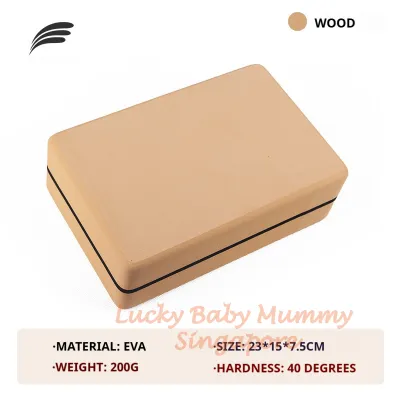
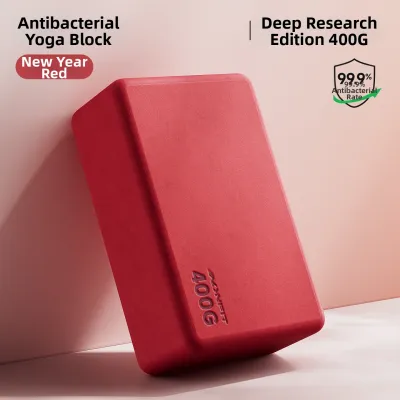
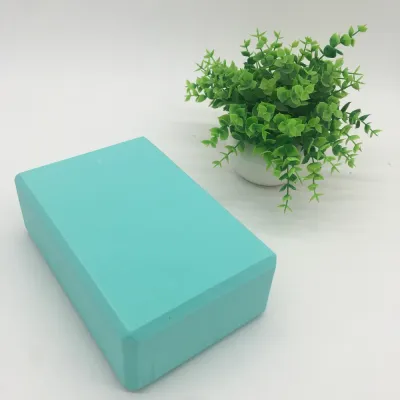
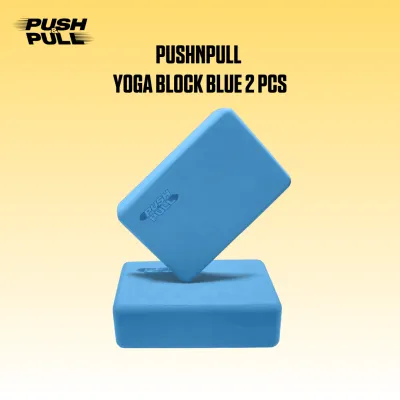

Prices are valid at publication and may change. Please refer to the product page for the latest price.

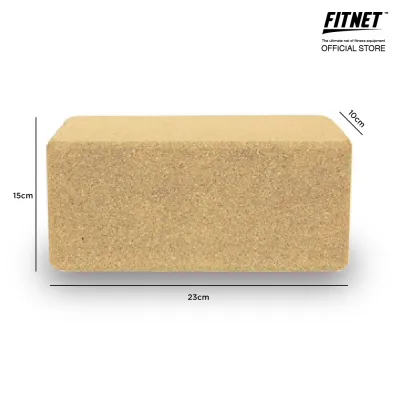
Cork blocks offer a completely different tactile experience. Harvested from the bark of cork oak trees, this material is naturally dense, firm, and slightly heavy. Cork blocks provide a solid, unyielding foundation that closely mimics the stability of the floor. Because cork is a natural, porous material, it possesses an inherent texture that prevents slipping, even when exposed to moisture. Within the cork category, variations in performance usually stem from the binding agents used and the grain size of the compressed cork particles.
Wood and bamboo blocks represent the most rigid end of the spectrum. These blocks are virtually non-compressible, offering absolute stability for advanced balancing poses. They are also the heaviest option, making them less ideal for carrying in a travel bag but excellent for a dedicated home studio. When comparing wood blocks across different brands, the primary differentiators are the type of wood used, the hollow or solid construction, and the finish applied to the surface. To ensure you get the performance you expect, always verify the specific material composition and construction details on the product label or the official brand store before buying.
Evaluating Grip: Surface Texture and Moisture Response
Grip is a critical safety factor when using a yoga brick block, especially during poses where you transfer a significant portion of your weight onto the block. The surface texture of a block determines its dry grip. Smooth, finished wood blocks can feel slick to the touch, requiring precise hand placement and dry palms to maintain stability. In contrast, foam blocks often feature a slightly textured or matte finish that provides a secure hold under dry conditions, while cork blocks have a natural, earthy texture that inherently resists sliding.
Moisture response is where material differences become highly pronounced. In warm, humid environments or during intense, sweat-inducing practices, foam blocks can become slippery as moisture pools on their non-porous surfaces. If you use a foam block in these conditions, you may need to drape a yoga towel over it to maintain a secure grip. Cork blocks excel in wet conditions because the material is naturally absorbent; moisture actually enhances the grip of cork by interacting with suberin, a natural waxy substance found in the wood. Wood blocks with high-gloss varnishes can become exceptionally slick when wet, whereas matte-finished or unfinished wood blocks offer slightly better moisture tolerance but may absorb sweat over time.
To evaluate a block’s grip safely before committing to a full practice or purchasing multiple units, perform a simple dry and wet test. Place the block on your yoga mat and apply downward pressure at an angle with your palm. Observe whether your hand slides across the surface or if the block itself slides on the mat. Next, apply a small mist of water to the block’s surface and repeat the test. This observable check will quickly reveal how the block will perform during a challenging, sweaty session.
Assessing Density and Support: Firmness vs. Cushioning
The density of a yoga brick block directly influences the level of support and comfort it provides. Selecting the right density requires balancing the need for structural firmness against the desire for joint cushioning. Firm blocks are essential for standing poses, such as Triangle Pose (Trikonasana) or Half Moon Pose (Ardha Chandrakana), where the block acts as an extension of the floor. In these scenarios, a block that compresses or wobbles under your weight can compromise your alignment and increase the risk of joint strain or falls.
Cushioning, on the other hand, is highly beneficial for restorative, yin, or therapeutic yoga. When placing a block under your sacrum in Supported Bridge Pose or under your knees in a seated fold, a rigid wood or hard cork block can feel uncomfortable or create painful pressure points. A high-density foam block offers the perfect middle ground, yielding slightly to the contours of your body while still maintaining its overall shape. If you require maximum comfort for sensitive joints, look for foam blocks specifically marketed as “soft-density” or “restorative,” but keep in mind their limitations for active balancing.
To assess density accurately, do not rely solely on visual appearance. Check the manufacturer’s technical specifications for density ratings, which are often listed in kilograms per cubic meter ($kg/m^3$) or as a specific durometer rating for foam. If you are evaluating blocks in a physical retail store, perform a simple compression test: press your thumb firmly into the center of the block. A low-density foam block will easily indent and take time to recover its shape, whereas a high-density foam block will resist deep indentation. Cork and wood blocks should show no visible compression under thumb pressure.
Checking Durability: Wear Signs and Material Lifespan
Investing in a yoga brick block means looking at how well the material withstands repeated use over time. Each material exhibits distinct wear signs that indicate when its structural integrity is compromised. Foam blocks are prone to scratching, denting, and corner peeling. Over time, low-quality foam can lose its elasticity, becoming permanently compressed in high-pressure areas. Cork blocks, while highly durable, can begin to chip or crumble around the edges and corners, especially if they are frequently tossed into gear bags or dropped on hard floors. Wood blocks are incredibly long-lasting but can suffer from surface splintering, cracking along the grain, or wear of the protective sealant.
Environmental factors play a significant role in material degradation. In tropical climates with high humidity, storing blocks improperly can lead to premature wear. Foam blocks left in direct sunlight can degrade due to ultraviolet (UV) exposure, causing the material to become brittle and fade. Natural cork and wood blocks are susceptible to mold or mildew if stored in damp, unventilated spaces while still wet from sweat. To maximize the lifespan of your blocks, store them in a cool, dry place away from direct sunlight and ensure they are completely dry before stacking them.
Basic care routines should be tailored to the specific material. For foam blocks, a simple wipe down with a damp cloth and mild soap is usually sufficient. Cork blocks should be wiped with a damp cloth and allowed to air dry completely; avoid soaking them, as excessive water can break down the binding agents. Wood blocks can be cleaned with a slightly damp microfiber cloth and occasionally treated with a wood-safe polish if the finish begins to dull. Always consult the manufacturer’s care label for precise instructions to avoid voiding any warranties.
Decision Framework: Which Yoga Brick Block Fits Your Practice?
To choose the right yoga brick block, you must align the material properties with your specific practice habits, budget, and lifestyle. Use the following conditional framework to guide your decision:
- Choose high-density EVA foam if: You prioritize portability, travel frequently, practice restorative or yin yoga, or are working within a modest budget. Foam blocks are lightweight, easy to pack, and offer gentle cushioning for sensitive joints.
- Choose natural cork if: You practice hot yoga, sweat heavily, require high stability for standing poses, and prefer eco-friendly, natural materials. Cork provides excellent wet grip and a solid, grounding feel.
- Choose wood or bamboo if: You are setting up a permanent home studio, practice advanced alignment-based yoga (such as Iyengar), require absolute rigidity, and want a highly durable block that can last for years.
Before making a final purchase, always verify specific brand policies and product details. Check the manufacturer’s warranty terms, return policies, and exact dimensional tolerances. Some brands offer lifetime guarantees against manufacturing defects, which can add significant value to your purchase. Additionally, ensure the block’s dimensions (typically 4 inches by 6 inches by 9 inches, or approximately 10 cm by 15 cm by 23 cm) are suitable for your hand size and flexibility level. Balancing your budget—which can range from affordable foam options to premium wood blocks priced in higher S$ tiers—with these performance traits will ensure you select the perfect tool for your practice.
Frequently Asked Questions (FAQ)
Can I use a yoga brick block for weight-bearing exercises?
Yoga blocks are designed primarily to assist with alignment, balance, and partial weight distribution during yoga poses. They are not engineered to support your full body weight in high-impact or dynamic fitness exercises, such as step-ups or plyometric jumps. Before attempting any exercise where the block supports a significant portion of your weight, check the manufacturer’s specified maximum weight capacity and structural limits. Never stand on a foam block if it deforms or wobbles, as this can lead to ankle instability or falls. Stop using any block immediately if you observe signs of cracking, chipping, deep indentation, or structural failure.
How do I clean and maintain different block materials?
Proper maintenance depends on whether the block material is porous or non-porous. For non-porous foam blocks, wipe the surface with a damp cloth and a mild, diluted soap solution, then wipe dry. For porous materials like cork, use a damp cloth with water only, or a highly diluted vinegar solution, and allow the block to air dry completely in a well-ventilated area before storing. Never submerge cork or wood blocks in water, and avoid using harsh chemical cleaners, bleach, or abrasive scrubs, which can degrade foam, dry out cork, or strip the protective finish from wood. Always check the specific brand’s care label for exact cleaning instructions.
Community discussion
Share your experience or ask a question. Comments are reviewed before publication.