
Selecting a yoga knee protector is a practical way to manage joint pressure and discomfort during weight-bearing poses like low lunges, table tops, or camel pose. However, finding the right protector requires balancing cushioning, grip, durability, and skin sensitivity. Because material performance varies significantly by manufacturer, density, and specific product design, this guide provides a systematic framework to evaluate thermoplastic elastomer (TPE), nitrile butadiene rubber (NBR), and natural rubber based on product labels, specifications, and observable traits rather than universal performance guarantees.
By understanding how these materials behave under different conditions, you can select an option that integrates seamlessly with your existing yoga mat and practice style. Whether you are commuting to a local studio or practicing in a dedicated home space, the right material choice ensures your joints remain supported without compromising your balance or stability.
Identifying Your Primary Knee Protection Needs
Before comparing materials, you must define your specific practice requirements and physical constraints. Yoga practices vary widely, and a protector that excels in a slow-paced, restorative class may not perform well in a fast-paced, dynamic flow. For restorative or Yin yoga, where poses are held for several minutes, deep cushioning and shock absorption are typically the highest priorities. Conversely, for dynamic styles like Vinyasa or Ashtanga, maintaining a firm connection to the floor and preventing slipping are crucial for safety and balance.
Products mentioned in this guide
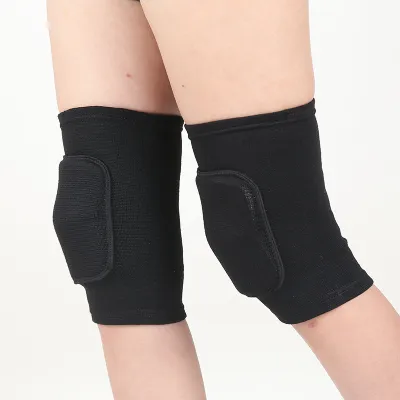
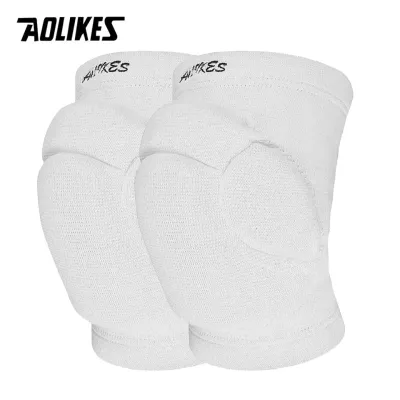
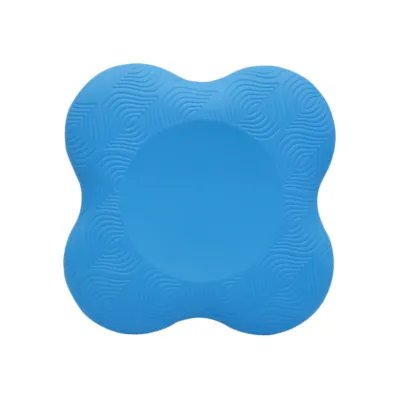
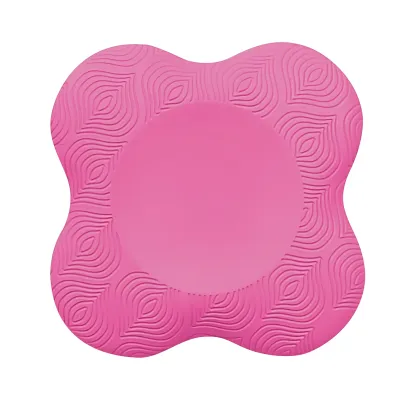
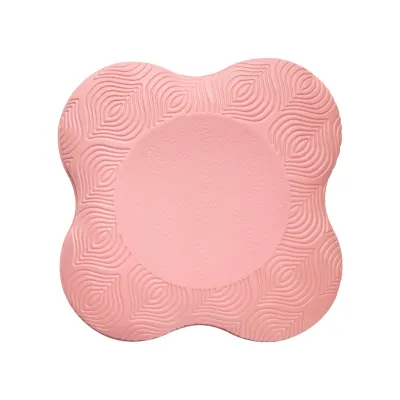
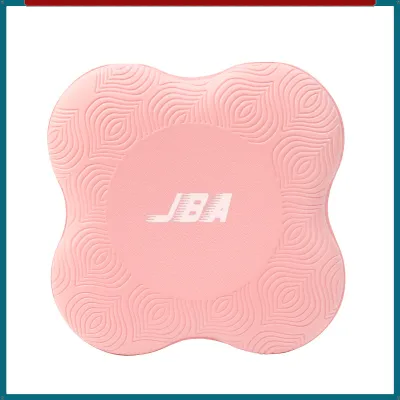
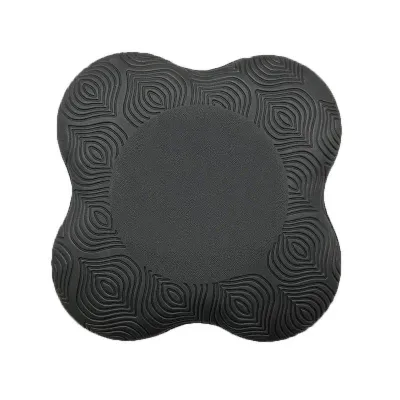
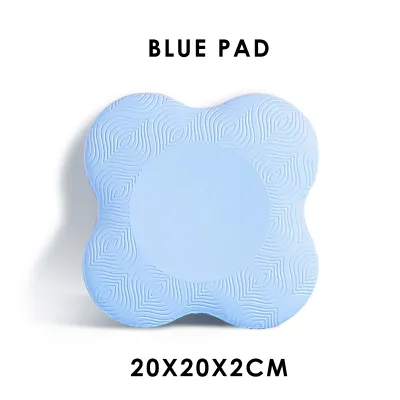
Prices are valid at publication and may change. Please refer to the product page for the latest price.
Skin sensitivity and allergies are also critical screening factors. Some individuals have known sensitivities to latex, which is naturally present in natural rubber products, while others may experience irritation from certain synthetic additives. Checking product labels for hypoallergenic certifications or specific material exclusions is an essential first step before making a purchase.
Finally, consider your daily routine and portability needs. If you regularly commute to a studio via public transit or carry your gear in a backpack, a bulky or heavy protector can become a significant inconvenience. In contrast, if you primarily practice at home, weight and rollability may be secondary to maximum thickness and joint relief.
Evaluating TPE (Thermoplastic Elastomer) Protectors
Thermoplastic Elastomer, commonly known as TPE, is a synthetic blend that has gained popularity as a lightweight, versatile material for yoga accessories. When evaluating TPE knee protectors, start by checking the manufacturer’s specifications for density and thickness. TPE is generally a closed-cell material, meaning it does not absorb moisture or sweat easily. This structure makes it highly hygienic and easy to wipe clean, but it also means the material relies heavily on its engineered density to provide adequate cushioning.

To assess the potential cushioning of a TPE protector, look for density ratings or user feedback regarding firmness. A low-density TPE pad may compress fully under your body weight, offering minimal protection against a hard floor, whereas a high-density TPE pad will maintain its shape and provide a supportive barrier.
For those with sensitive skin, TPE is often a preferred option. You should verify hypoallergenic claims directly on the product packaging or label, ensuring the manufacturer explicitly states the product is latex-free and PVC-free. Additionally, inspect the surface texture descriptions. Because TPE can become slick when wet, manufacturers often emboss the surface with textured patterns to improve traction. Look for deep, repeating patterns that help keep your knees and the protector securely in place on your primary yoga mat.
Evaluating NBR (Nitrile Butadiene Rubber) Protectors
Nitrile Butadiene Rubber, or NBR, is a synthetic rubber foam widely recognized for its soft, pillowy texture and excellent shock absorption. If your primary goal is to alleviate intense pressure on sensitive joints, NBR is a strong candidate. When evaluating NBR protectors, review the product dimensions and thickness specifications. NBR pads are typically thicker than TPE or natural rubber options, often designed to create a highly cushioned barrier that absorbs significant impact.
However, the soft nature of NBR means you must carefully check the material’s density and resistance to tearing. Because NBR is a highly porous, open-cell or semi-closed-cell foam, it can be susceptible to absorbing sweat and body oils if not properly sealed. Check the care instructions and material composition on the label to ensure the protector has a moisture-resistant skin or coating. Without this protection, the pad may degrade over time, especially when exposed to frequent moisture.
Portability is another trade-off to consider with NBR. While NBR is remarkably lightweight, its thickness and foam structure make it bulky. It does not roll tightly or compress easily into a standard yoga bag. If you choose an NBR protector, verify that its physical dimensions align with your carrying method, or plan to use it primarily in a fixed home practice space.
Evaluating Natural Rubber Protectors
Natural rubber is harvested from rubber trees and is highly favored by practitioners who prioritize exceptional grip and natural materials. When evaluating natural rubber knee protectors, the first step is to confirm the exact rubber composition on the product label. Genuine natural rubber offers an inherent, high-traction grip that performs exceptionally well even in high-sweat environments. However, because it is a natural product, it contains latex proteins. If you have a latex allergy or sensitivity, you must check for explicit warnings and likely avoid this material entirely.
Durability and environmental factors are critical when choosing natural rubber. This material is sensitive to environmental conditions, particularly UV exposure, high heat, and moisture. In warm, humid climates, leaving a natural rubber protector in a hot car or in direct sunlight on a balcony can cause the material to dry out, crack, or become sticky. Review the manufacturer’s guidelines on storage and environmental exposure to ensure you can accommodate its specific care needs.
Additionally, natural rubber is significantly heavier than synthetic alternatives like TPE and NBR. If you commute frequently, the added weight of a solid rubber pad can be noticeable. You should also expect a distinct, natural rubber odor when the product is new. Check the brand’s instructions for airing out the product, as this scent typically fades over time with proper ventilation but may persist initially.
Comparing Materials Across Core Decision Dimensions
To help you synthesize these details, the table below compares TPE, NBR, and natural rubber across key decision-making criteria. Keep in mind that exact performance depends on the specific brand’s manufacturing process, density, and overall design.
| Material | Typical Thickness to Verify | Weight & Portability | Surface Texture & Grip | Care & Maintenance | Key Label Checks |
|---|---|---|---|---|---|
| TPE | Moderate; check for high-density specs | Very lightweight; rolls easily for travel | Textured patterns; can be slick when wet | Easy to wipe clean; quick-drying | Latex-free, PVC-free, closed-cell structure |
| NBR | High; typically thickest option | Lightweight but bulky; hard to compress | Soft, smooth, or lightly ribbed; moderate grip | Requires careful drying; avoid soaking | Moisture-resistant coating, density rating |
| Natural Rubber | Low to moderate; dense and firm | Heavy; rolls flat but adds weight to gear | Naturally high traction; excellent dry grip | Keep out of direct sun; wipe with damp cloth | Latex allergy warning, sustainably sourced |
When using this table, remember that thickness alone does not guarantee comfort. A thin, high-density natural rubber pad may provide more stable joint support than a thick, low-density NBR pad that bottoms out under pressure. Always cross-reference thickness with density specifications where available.
Decision Framework: Choosing the Right Protector
To make your final selection, apply a conditional decision framework based on your personal practice habits, physical needs, and environment:
- Choose TPE if: You prioritize a lightweight, highly portable protector that fits easily into your studio gear bag, and you require a verified latex-free, hypoallergenic material for sensitive skin.
- Choose NBR if: Your primary concern is maximum joint cushioning for slow-paced, restorative, or Yin yoga, you practice mainly at home, and you prefer a soft, pillowy surface that is easy on the joints.
- Choose Natural Rubber if: Uncompromising grip and slip resistance are your top priorities during dynamic or sweaty practices, you prefer natural materials, and you have no latex sensitivities.
Regardless of the material you choose, it is vital to recognize the limits of equipment. A knee protector is designed to enhance comfort and reduce surface pressure; it cannot replace proper alignment, joint stability, or professional medical advice. If you have chronic knee pain, a history of joint injuries, or specific medical conditions, consult a physical therapist or healthcare professional before relying solely on a knee protector to continue your practice.
Care and Maintenance for Longevity
Proper care is essential to preserve the structural integrity and hygienic properties of your knee protector, regardless of the material. Always prioritize the manufacturer’s specific cleaning instructions, as using harsh household detergents or alcohol-based sprays can prematurely degrade synthetic foams and natural rubbers alike.
After a sweaty practice, wipe the protector down with a damp cloth and a mild, diluted soap solution if permitted by the care label. Air dry the protector completely in a shaded, well-ventilated indoor area before rolling or storing it. This is especially important in humid climates, where trapping moisture inside a rolled mat or pad can quickly lead to mold, mildew, and unpleasant odors. Never leave your protector to dry in direct sunlight, as UV rays accelerate the breakdown of natural rubber and can cause TPE to warp or lose its elasticity.
When storing your protector, keep it flat or roll it loosely. Avoid folding it tightly or placing heavy objects on top of it during storage, as this can cause permanent creasing, cracking, or a loss of structural integrity in the foam.
Frequently Asked Questions (FAQ)
Can I use a standard yoga mat folded over instead of a dedicated knee protector?
While folding your standard yoga mat is a common quick fix, it has distinct limitations. Folding a mat creates an uneven surface that can compromise your overall stability and alignment in balancing poses. Additionally, standard mats are not engineered to provide targeted, high-density cushioning in a concentrated area, meaning you may still experience joint pressure. Repeatedly folding your mat can also cause permanent creases, weakening the material and causing it to slip or bunch during transitions. A dedicated knee protector provides consistent, flat, high-density support without damaging your primary mat.
How do I know if a knee protector is too thick for my practice?
A knee protector is too thick if it causes you to lose your sense of balance, stability, or connection to the floor. Excessive cushioning can wobble under weight, forcing your ankles, core, and surrounding muscles to overcompensate to keep you upright. This instability can increase the risk of strain. If you find yourself struggling to maintain balance in standing or kneeling poses, or if your joints sink so deeply into the pad that you cannot maintain proper alignment, consider switching to a thinner, higher-density protector that offers firm support rather than deep compression.
Community discussion
Share your experience or ask a question. Comments are reviewed before publication.