
Choosing the right yoga mat involves balancing cushioning, stability, and surface grip, as popular brands design their lineups to target different practice styles and environments. While some practitioners prioritize a plush surface to protect sensitive joints, others require a firm, low-profile connection to the floor for complex balancing poses. In Singapore’s warm and humid climate, these decisions become even more critical, as moisture can rapidly transform a dry, secure surface into a slippery hazard.
Rather than searching for a single universal option, finding the ideal mat requires evaluating how different thickness levels and material compositions align with your personal practice. Premium brands offer a wide spectrum of specifications, from paper-thin travel sheets to heavy-duty studio mats. By understanding the physical trade-offs of each design, you can make an informed investment that supports your alignment, stands up to regular use, and remains hygienic over time.
Understanding Yoga Mat Thickness and Practice Needs
Yoga mat thickness is typically measured in millimeters, generally ranging from 1mm to over 6mm. This dimension directly influences both the weight of the mat and the level of feedback you receive from the floor during your practice. Selecting the wrong thickness can lead to joint discomfort on one extreme, or a frustrating loss of balance on the other.
Products mentioned in this guide
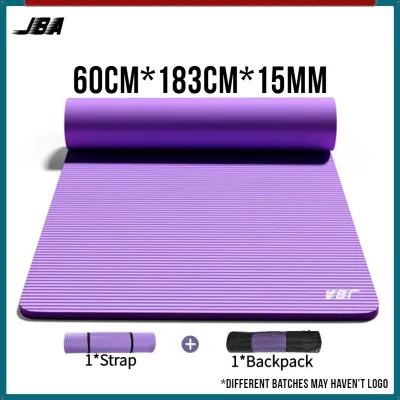
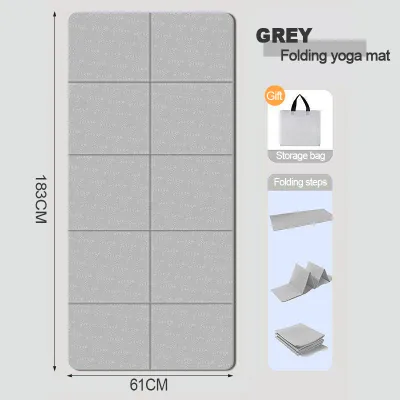
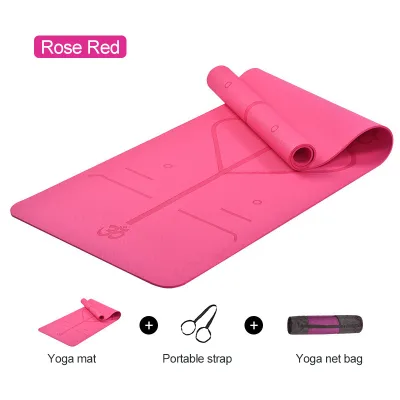
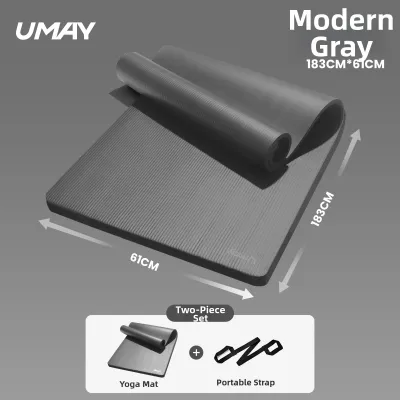
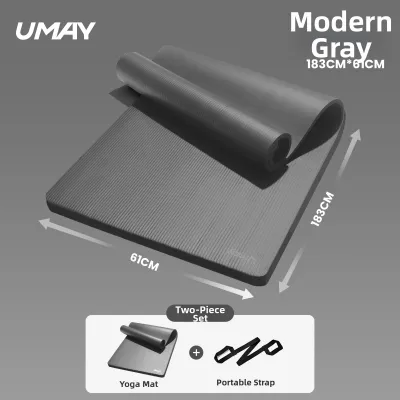
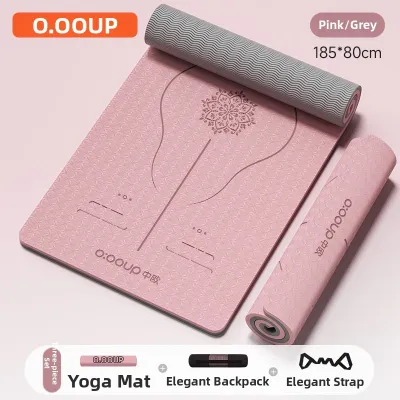
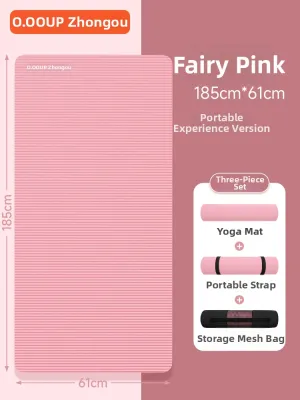
Prices are valid at publication and may change. Please refer to the product page for the latest price.
Travel mats, which measure between 1mm and 2mm, are designed primarily for portability. These ultra-thin options are highly compressible, often allowing them to be folded into a square and packed into a travel bag rather than rolled. While they offer excellent ground feedback and stability for standing poses, they provide virtually no cushioning. They are best suited for practicing on carpeted hotel floors or as a hygienic topper placed over a communal studio mat.
Standard mats, ranging from 3mm to 5mm, represent the most versatile category for everyday practice. A 4mm mat is widely considered the industry benchmark, offering a balanced compromise between joint protection and stability. This thickness provides enough density to cushion the knees and wrists during floor poses, yet remains firm enough that your hands and feet do not sink, preserving your alignment during active transitions.
Thick mats, measuring 6mm or more, prioritize maximum impact absorption. These plush surfaces are highly beneficial for restorative yoga, Yin yoga, or Pilates-infused sessions where you spend extended periods holding floor-based postures. However, the extra cushioning comes with a trade-off: the soft material compresses under localized weight, making standing balance poses like Tree Pose significantly more challenging. Additionally, thick mats are heavier and bulkier, making them less convenient to carry on daily commutes.
To determine your personal thickness requirements, consider the following checklist:
- Assess your joint sensitivity: If you experience discomfort in your knees during low lunges, prioritize a high-density mat of at least 4mm to 5mm.
- Evaluate your primary yoga style: Active, flowing styles like Vinyasa benefit from the stability of a 3mm to 4mm mat, while slower, floor-based styles favor 5mm to 6mm.
- Consider your practice location: If you primarily practice at home, a heavier 5mm or 6mm mat is highly practical. If you regularly commute to local studios, a lightweight 3mm mat or a foldable travel mat may be more suitable.
Evaluating Material Quality Across Popular Brands
The material of a yoga mat dictates its grip, durability, weight, and care requirements. Popular brands utilize a variety of synthetic and natural materials, each offering distinct performance characteristics under dry and wet conditions.

Natural rubber is a premium material favored for its exceptional dry grip and dense, supportive feel. Because natural rubber is inherently heavy, even a 3mm rubber mat can feel remarkably stable and supportive. However, natural rubber has an open-cell structure that absorbs sweat, which can make deep cleaning more demanding. It also carries a distinct natural scent when new and can degrade if exposed to direct sunlight or high heat.
Polyurethane (PU) is frequently used as a smooth top layer bonded to a natural rubber base. This combination is highly regarded for its superior wet grip, making it an excellent choice for hot yoga or humid environments where hands and feet sweat quickly. The smooth surface absorbs moisture rapidly to maintain traction, but this open-cell design means the mat can accumulate body oils over time, requiring regular, gentle wiping with a damp cloth to prevent staining and odor buildup.
Polyvinyl Chloride (PVC) remains a common choice for high-durability mats. Closed-cell PVC does not absorb moisture, making it incredibly easy to sanitize and highly resistant to flaking or tearing over years of heavy use. However, PVC mats can feel slick when wet, often requiring a yoga towel to prevent slipping during sweaty sessions. They also require a “break-in” period to wear off the manufacturing film before reaching their optimal dry grip.
Thermoplastic Elastomer (TPE) is a lightweight, budget-friendly synthetic alternative. TPE mats are closed-cell, meaning they do not absorb sweat and are easy to clean. They offer moderate grip and a soft, springy cushion. However, TPE is less dense than rubber or PVC, meaning it can stretch slightly during high-impact transitions and may show signs of wear, such as permanent compression marks, more quickly under daily use.
When evaluating grip, check the manufacturer’s specifications for open-cell versus closed-cell construction. Open-cell mats (like PU and natural rubber) absorb moisture to prevent pooling, maintaining grip during intense sweat. Closed-cell mats (like PVC and TPE) repel moisture, making them highly hygienic but potentially slippery when wet without a microfiber towel.
To verify environmental or safety claims, look for independent certifications rather than relying on brand marketing. Certifications such as OEKO-TEX Standard 100 or FSC (Forest Stewardship Council) provide verified proof that the materials have been tested for harmful substances or sourced from responsibly managed forests.
Assessing Value: Durability, Price Tiers, and Warranty
A yoga mat’s price is heavily influenced by its material composition and manufacturing complexity. While budget-friendly mats are widely available, investing in a premium mat can offer better long-term value if you practice regularly.
Price tiers generally align with material durability. Entry-level mats, typically made of TPE or thin PVC, are often priced under S$50. These are excellent for beginners testing their commitment to the practice. Mid-range mats, ranging from S$50 to S$100, often feature thicker TPE, blended materials, or lighter-weight natural rubber. Premium mats, which frequently exceed S$120, are constructed from high-density natural rubber, advanced PU composites, or specialized closed-cell PVC designed to last a lifetime.
To evaluate the durability of a mat before purchasing, look for specific physical indicators:
- Resistance to compression set: High-quality mats use high-density materials that spring back immediately when pressure is released. Low-density foam mats often retain deep indentations, which permanently reduces their protective cushioning.
- Surface integrity: Examine user feedback regarding surface flaking or peeling. Low-quality materials can shed small particles under the friction of hands and feet, especially during active transitions.
- Edge stability: Premium mats feature sealed or reinforced edges that resist curling, fraying, or tearing over time.
Manufacturer warranties and return policies are strong indicators of product confidence. Some premium brands offer limited lifetime warranties against manufacturing defects or premature wear, while others restrict returns to completely unused, sealed products. Always read the specific terms on the brand’s official website to understand what is covered under regular wear and tear.
Decision Framework: Choosing the Right Mat Specifications
To simplify your selection process, use this conditional framework to match your practice style and personal preferences to the correct mat specifications.
Choose a 3mm to 5mm PU-top natural rubber mat if you practice hot yoga or sweat heavily, prioritize immediate grip without a break-in period, and prefer a dense mat that stays flat on the floor.
Choose a 4mm to 6mm high-density PVC mat if you want maximum durability for years of daily use, prioritize easy sanitization, and are willing to use a yoga towel during sweaty sessions.
Choose a 1.5mm to 2mm travel mat if you commute long distances across Singapore and need a lightweight, foldable option, prefer to use your own hygienic layer over studio mats, and do not require thick cushioning.
Verify first if you have a latex allergy (avoid natural rubber), have limited storage space (high-density 6mm mats can be bulky to roll), or practice on hard tile floors where low-density mats might bottom out.
Before finalizing your purchase, complete this pre-purchase checklist. First, verify local stock availability at authorized physical retailers or official online brand stores in Singapore to avoid long international shipping times. Second, read recent user reviews on online marketplaces, paying close attention to comments regarding grip degradation after several months of use. Finally, confirm the retailer’s return policy to ensure you can exchange the mat if the weight or texture does not meet your expectations upon arrival.
Frequently Asked Questions (FAQ)
Does a thicker yoga mat always mean better quality?
No, thickness and quality are independent characteristics. A thin, high-density mat made of natural rubber or premium polyurethane can offer far superior joint support and durability than a cheap, low-density 10mm foam mat. Low-density mats compress completely under localized pressure, leaving your joints resting directly against the hard floor despite the apparent thickness. Quality is determined by material density, construction integrity, and grip resilience rather than thickness alone.
How can I test a yoga mat's grip before committing to a full-size purchase?
Testing a mat’s grip can be challenging when shopping online, but several practical approaches can help. You can visit physical fitness showrooms or specialty yoga boutiques in Singapore to feel material swatches or floor samples. Alternatively, many local yoga studios use premium brands as rental mats; booking a class at a studio that provides your shortlisted brand is an excellent way to test real-world grip during an active session. Finally, look for detailed user reviews on online marketplaces that specifically describe grip performance during humid weather or sweaty Vinyasa classes.
Community discussion
Share your experience or ask a question. Comments are reviewed before publication.