
Finding the right yoga mat thickness is one of the most critical decisions you will make for your practice, directly impacting your balance, joint comfort, and overall stability. While many assume that a thicker mat is always superior, the ideal thickness is highly conditional. It depends on your primary practice style, joint sensitivity, and where you perform your sessions rather than gender alone.
As a general guideline, mats measuring 3mm to 4mm are best suited for dynamic, flowing practices where grounding and balance are essential. Conversely, mats measuring 5mm to 6mm or thicker are ideal for restorative sessions, floor-heavy work, or for those with sensitive joints requiring extra padding. Beyond raw millimeter measurements, material density plays an equally vital role; a thin, high-density mat can often provide better joint protection than a thick, low-density foam mat that bottoms out under pressure.
How Thickness Affects Your Practice and Joint Health
The thickness of your yoga mat establishes the physical foundation for every pose, creating a direct biomechanical trade-off between cushioning and stability. When you practice on a mat, your hands, feet, knees, and pelvis press into the material, which must distribute your body weight evenly. Thicker mats provide a deeper buffer against the hard floor, which is highly beneficial for protecting sensitive contact points during kneeling postures like low lunges or tabletop variations. For women, who may experience specific pressure points around the hips and pelvis during prone floor work, this extra padding can make the difference between a focused practice and physical distraction.
Products mentioned in this guide
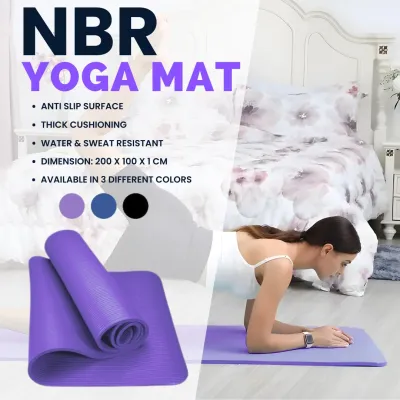
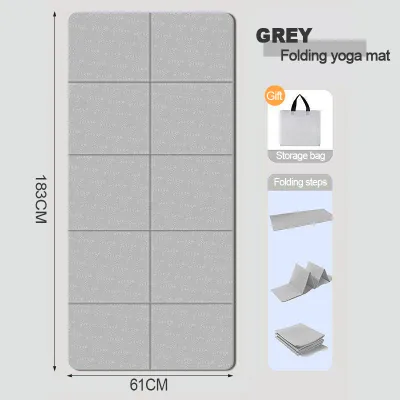
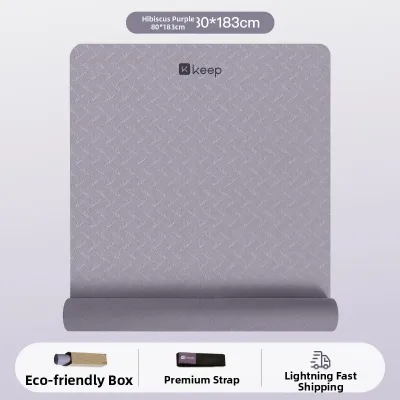
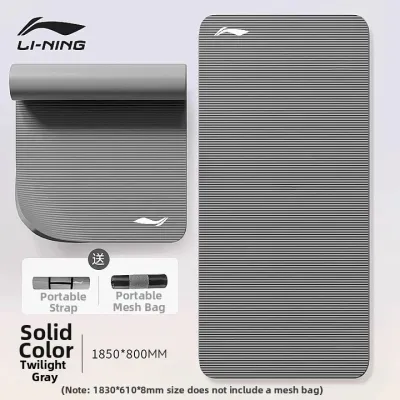
Prices are valid at publication and may change. Please refer to the product page for the latest price.
However, this increased cushioning comes with a distinct compromise in stability. As mat thickness increases, your feet and hands sink deeper into the surface, which can reduce proprioception—your body’s subconscious awareness of its position and movement in space. In standing balance poses, such as Tree Pose or Warrior III, this lack of firm ground feedback can cause micro-wobbles in your ankles and feet, forcing your stabilizing muscles to work significantly harder and potentially increasing the risk of losing your balance.
Specific physical conditions require a highly tailored approach to mat thickness. For individuals with joint hypermobility, an overly soft, thick mat can be problematic; as the hands sink into the cushioning, the wrists can easily collapse into hyperextension, placing excessive strain on delicate ligaments. During pregnancy, hormonal changes increase joint laxity, and your center of gravity shifts continuously. In prenatal yoga, maintaining a highly stable, non-slip foundation is paramount to prevent falls and joint strain, making a moderately cushioned but highly stable mat the safest choice. If you are managing chronic joint pain, recovering from an injury, or navigating pregnancy, always consult a healthcare professional, physical therapist, or certified prenatal fitness specialist to establish safe exercise guidelines.
Thickness Options Across Popular Yoga Brands
When browsing different yoga brands, navigating product lineups can be confusing because manufacturers use highly subjective marketing terms like “plush,” “cloud-like,” “travel-friendly,” or “pro.” To make an informed decision, look past these descriptive labels and verify the exact millimeter specifications listed on the product packaging or the manufacturer’s official website. While naming conventions vary, almost all major brands structure their offerings into three distinct thickness tiers to cater to different user needs.

Travel and Thin Mats (1mm – 3mm)
Travel mats and thin profiles are engineered for maximum grounding, portability, and space-saving convenience. Ranging from a paper-thin 1mm to a standard 3mm, these mats roll up tightly or fold into neat squares that fit easily into a daily commute bag or carry-on luggage. This makes them highly practical for women who commute regularly via public transport or want a lightweight option for outdoor sessions.
Because these mats offer minimal physical separation from the hard floor, they require excellent natural joint health and strong core stability, as they provide virtually no shock absorption. Many practitioners use these ultra-thin mats as a hygienic, high-grip topper placed directly over a thicker, studio-provided mat. This hybrid approach gives you the sanitary benefits of personal gear combined with the deep cushioning of a standard studio mat.
Standard All-Round Mats (4mm – 5mm)
Standard mats measuring 4mm to 5mm represent the industry sweet spot and are the most widely recommended option for general use. This thickness tier is designed to offer a versatile balance, providing enough cushioning to protect your knees and spine during floor work while remaining firm enough to support steady standing balances.
Most premium brands focus their primary product lines within this range, utilizing high-density materials like natural rubber or polyurethane. A standard-thickness mat is highly adaptable, making it the ideal choice if you enjoy a mixed practice style that transitions from active flows to slow stretches. It is also light enough to carry to a local studio without causing shoulder strain, making it a reliable daily companion.
Extra Thick and Plush Mats (6mm+)
Extra thick mats, measuring 6mm or more, prioritize maximum joint protection and comfort above all else. These mats are typically constructed from lightweight foam materials like TPE (Thermoplastic Elastomer) or thick PVC, creating a highly cushioned barrier that absorbs significant impact. They are highly favored for home-based practices where portability is not a priority.
While these mats excel at keeping your joints comfortable during long, floor-based holds, they present several practical challenges. The thick, squishy surface can make standing balances highly unstable, causing ankle fatigue as your feet fight to find a solid foundation. Additionally, extra-thick mats are bulky to store, heavy to carry, and take significantly longer to dry if they are washed or exposed to heavy sweat during a vigorous workout.
Matching Mat Thickness to Your Yoga Style
To select the perfect mat thickness, you must align your choice with the specific physical demands of your primary yoga discipline. Different styles of yoga place unique stresses on the body, requiring different levels of floor feedback and joint support.
- Dynamic practices (Vinyasa, Ashtanga, Power): These styles involve fast-paced transitions, jump-backs, and complex standing balances. To maintain your alignment and prevent ankle rolling, you need a firm, stable surface with an excellent grip. A 3mm to 4mm mat made from high-density natural rubber or polyurethane is ideal here. The lower profile keeps you close to the floor, providing the immediate sensory feedback needed to transition safely between active poses.
- Slow-paced practices (Yin, Restorative, Hatha): In these styles, poses are held for several minutes at a time, with the vast majority of the class spent seated, kneeling, or lying down. Prolonged pressure on the knees, elbows, and tailbone can quickly become uncomfortable on a thin mat. A 5mm to 6mm+ mat is highly recommended for these practices, as the deep padding allows your body to relax fully into the floor without creating painful pressure points.
- Specialized practices (Prenatal, Gentle/Therapeutic): Safety, comfort, and stability are the primary goals for therapeutic and prenatal sessions. These practices benefit from a highly stable, non-slip surface paired with generous cushioning to protect sensitive, loosening joints. A high-density 5mm mat offers the perfect compromise, providing substantial protection without the unstable "squishiness" of a low-density 6mm+ foam mat. Selecting a mat with slightly wider dimensions can also provide extra physical space and comfort during movement.
Decision Framework: Choosing the Right Cushioning Level
To finalize your decision, evaluate your lifestyle, practice environment, and physical needs against this straightforward decision framework:
- Choose a thin mat (1mm–3mm) if: You travel frequently, commute regularly on public transport, prioritize a lightweight gear setup, or primarily want a hygienic, high-grip topper to lay over shared studio mats.
- Choose a standard mat (4mm–5mm) if: You practice a diverse mix of dynamic flows and restorative styles, attend classes at a local studio, and want a single, versatile mat that balances reliable joint comfort with excellent balancing stability.
- Choose a thick mat (6mm+) if: You practice almost exclusively at home, focus primarily on Yin or Restorative yoga, or have highly sensitive joints that require deep pressure relief during floor work.
If you are purchasing your yoga mat online in Singapore, take a moment to verify several critical specifications before checking out. First, look closely at the product weight; high-density natural rubber mats can weigh upwards of 3kg, which can be incredibly cumbersome to carry on a crowded MRT train during peak hours. Second, consider our tropical climate; high-humidity environments can extend the drying time of open-cell mats, making antimicrobial properties a valuable feature. Finally, always review the retailer’s return policy. Because yoga mats are personal wellness items, many local retailers and online marketplaces enforce strict hygiene policies that prohibit returns once the protective plastic shrink-wrap has been opened.
Frequently Asked Questions (FAQ)
Is a thicker yoga mat always better for sensitive knees?
No, a thicker mat is not always better because material density is just as important as thickness. A very thick mat made of cheap, low-density foam will compress completely under the weight of your knees, leaving you resting directly against the hard floor. Conversely, a high-density 4mm mat made of natural rubber or polyurethane provides firm, structural support that prevents your joints from bottoming out, offering superior protection and comfort despite its thinner profile.
Can I use a thick mat for standing balance poses?
While you can use a thick mat for balancing, it is significantly more challenging. Thick, plush surfaces reduce your feet’s ability to feel the floor, causing micro-wobbles in your ankles and knees as your body constantly adjusts to find center. If your practice includes a mix of standing balances and floor work, a high-density 4mm to 5mm mat is a much better choice, offering adequate joint protection without sacrificing your stability.
Should I buy a different thickness for home versus studio use?
If your budget and storage space allow, using different mats for home and studio can be highly practical. For a dedicated home practice, a thick, heavy, high-density mat (5mm to 6mm) is excellent because you do not have to worry about carrying its weight. For commuting to a studio, a lighter, more compact 3mm to 4mm mat or a foldable travel mat is far more convenient to transport and store on the go.
Community discussion
Share your experience or ask a question. Comments are reviewed before publication.