
Choosing the ideal yoga mat thickness requires balancing your need for joint cushioning with your requirement for standing stability. For most practitioners, a standard mid-range thickness of 4mm to 5mm offers the most versatile compromise. However, your specific yoga style, joint sensitivity, and practice environment will ultimately dictate whether you should opt for a thinner, travel-friendly profile or a thicker, more supportive mat.
How Thickness Affects Your Balance and Comfort
Selecting the right thickness for your yoga mat is a balancing act between two competing physical needs: joint protection and physical stability. When you practice yoga, your body constantly seeks feedback from the ground to maintain alignment and control.
Thinner mats, typically ranging from 1.5mm to 3mm, excel at providing this direct connection to the floor. They allow your hands and feet to feel the solid surface beneath you, which is crucial for maintaining balance in complex standing postures.
Products mentioned in this guide


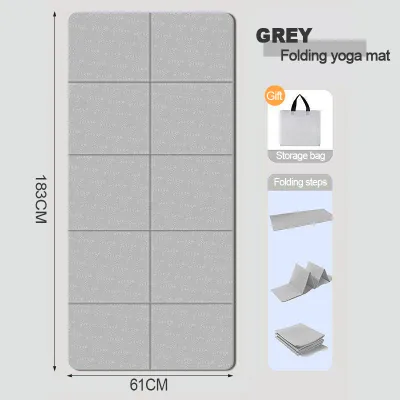
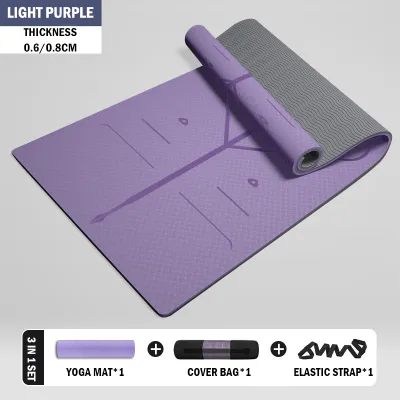
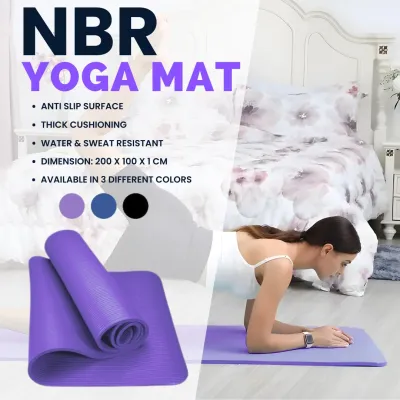
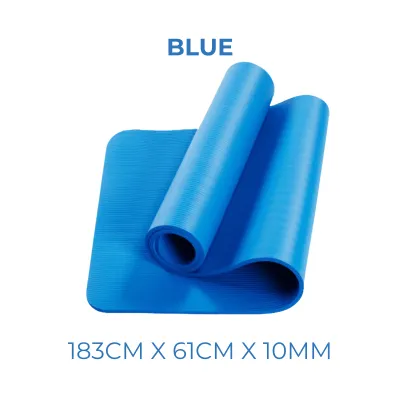
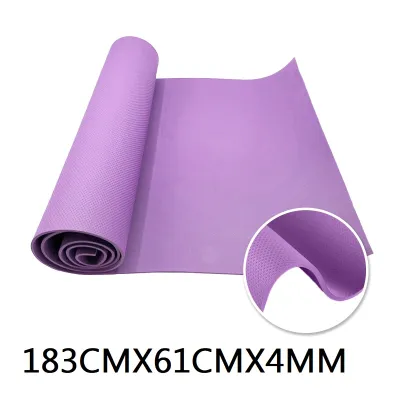
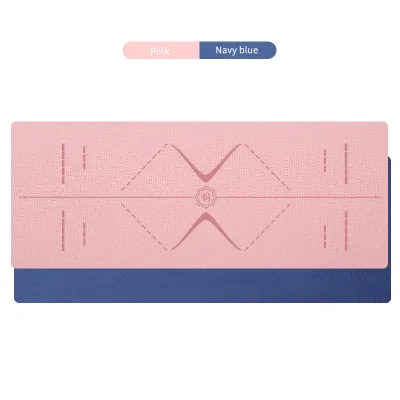
Prices are valid at publication and may change. Please refer to the product page for the latest price.
Conversely, thicker mats of 6mm or more prioritize cushioning by absorbing the pressure exerted on sensitive joints. While this extra padding feels comfortable during floor-based poses, it can create a “squishy” surface that makes balancing on one foot significantly more challenging.
To evaluate how a mat will perform, you can test its compression and rebound properties. Press your thumb firmly into the material; a high-quality mat should compress slightly to absorb pressure but spring back immediately once the force is removed.
If you are shopping online, check the retailer’s return policy to ensure you can test the mat’s firmness on your home floor before committing to keeping it.
Matching Thickness to Your Specific Yoga Style
Your primary style of yoga dictates the physical demands placed on your mat, making certain thicknesses far more suitable than others. Dynamic, fast-paced practices like Vinyasa or Ashtanga involve rapid transitions and standing sequences where stability is paramount.

For these active styles, a thinner mat between 3mm and 4mm helps prevent your ankles from rolling during balance transitions. The lower profile ensures your feet remain securely planted, reducing the risk of slips or micro-adjustments that can fatigue your muscles.
In contrast, slower, floor-centric practices such as Yin or Restorative yoga involve holding poses for several minutes at a time. During these prolonged holds, your knees, elbows, and hips bear your body weight against the hard floor.
A thicker mat of 6mm or more is highly beneficial for these restorative styles, as it minimizes the discomfort of sustained pressure on bony prominences. The added cushioning allows your body to relax fully into the poses without distraction.
For those who practice gentle Hatha or a mix of different styles, a mid-range profile of 4mm to 5mm serves as an excellent all-rounder. This versatile thickness provides enough cushion for occasional floor work while maintaining a stable foundation for standing poses.
Adapting to Joint Sensitivity and Practice Surfaces
Your personal anatomy and the environment where you practice play a significant role in determining the ideal mat thickness. Many practitioners experience discomfort in key pressure points, such as the knees during lunges, the wrists during downward dog, or the tailbone during seated core work.
If you regularly experience joint sensitivity, your immediate instinct might be to purchase the thickest mat available. However, the hardness of the floor underneath your mat also dictates how much cushioning you actually experience.
Practicing on hard surfaces like concrete, tile, or laminate flooring in a home setup requires a mat with reliable shock absorption. Conversely, if you set up your mat on a carpeted floor or a professional sprung wood studio floor, the surface itself provides natural give, allowing you to use a thinner mat.
Rather than relying solely on an exceptionally thick mat that might compromise your balance, consider incorporating targeted props into your practice. Placing a folded yoga blanket, a small towel, or dedicated gel knee pads under sensitive joints can provide localized relief.
This hybrid approach allows you to use a stable, mid-range mat for the majority of your practice while deploying extra cushioning only when and where your body specifically needs it.
Why Material and Density Matter Just as Much
While thickness is an easy metric to compare, the material composition and density of a yoga mat are equally critical to its performance. Two mats of the exact same thickness can feel completely different depending on how densely the material is packed.
Low-density mats, often made from cheap foam, compress fully under pressure, leaving your joints resting directly against the hard floor despite a thick profile. High-density materials, such as natural rubber or dense polyurethane, offer firm support that resists “bottoming out” under your body weight.
Surface texture and grip also interact with thickness to influence your stability. For sweaty or dynamic sessions, a mat with a textured surface or a moisture-absorbing top layer prevents your hands and feet from sliding, which is especially important on thinner mats where there is less give.
Finally, consider the practicalities of transporting your gear. High-density, thick mats can be surprisingly heavy, sometimes weighing several kilograms, which makes them less ideal if you regularly commute to a local studio.
Before purchasing, check the manufacturer’s specifications for the overall weight of the mat to ensure it aligns with your portability needs, especially if you plan to carry it on public transport or during travel.
Frequently Asked Questions (FAQ)
Can You Use a Thick Fitness Mat for Yoga?
General fitness mats, often designed for high-impact floor exercises or stretching, are typically much thicker and squishier than dedicated yoga mats. These fitness mats are designed to absorb heavy impacts, but their soft, low-density foam lacks the firm stability required for yoga.
Using a thick, spongy fitness mat for yoga poses can cause your wrists and ankles to sink unevenly, increasing the risk of joint strain during standing balances. Additionally, fitness mats often lack the specialized non-slip surface texture needed to keep your hands and feet from sliding during poses like downward dog.
Should You Buy One Versatile Mat or Two Specialized Ones?
Deciding between one versatile mat or multiple specialized options depends on your practice frequency, budget, and where you do yoga. If you practice a single style or attend classes both at home and in a studio, a single mid-range mat (around 4mm) offers a practical, cost-effective solution.
However, if you frequently alternate between intense, sweaty flow classes and gentle, restorative sessions, investing in two mats can optimize your experience. You might keep a thicker, high-density mat at home for maximum joint comfort during floor work, and use an ultra-thin, lightweight travel mat (1.5mm) that easily folds into a bag for studio commutes.
Community discussion
Share your experience or ask a question. Comments are reviewed before publication.