
Choosing the right yoga bag depends entirely on how you travel and what you need to carry. For walking or taking the MRT, a yoga backpack offers balanced weight distribution and hands-free convenience. If you drive or have a short, direct commute, a yoga tote provides quick access and a polished look that transitions easily into professional spaces. For those carrying heavy props, extra clothes, or multiple mats, a spacious yoga duffel maximizes capacity. Selecting the right style requires matching these designs to your specific commute, mat dimensions, and studio storage options.
Assessing Your Commute and Carry Needs
In a warm, humid climate, the physical effort of your commute plays a massive role in your comfort. Walking under the sun or navigating crowded transit stations with an awkward load can quickly lead to fatigue. Before choosing a bag, list your daily essentials. A minimalist practitioner might only carry a thin travel mat and a water bottle, while someone heading straight from the office to a hot yoga session needs space for a change of clothes, a towel, toiletries, and perhaps a laptop.
Consider the physical impact of your carrying method. Slings and single-strap bags place the entire load on one shoulder, which can cause muscle strain during longer walks. If you commute by car, weight distribution is less critical, allowing you to prioritize quick packing and aesthetic appeal. However, if you rely on public transport or active walking, ergonomic support and hands-free mobility become essential to prevent fatigue before you even step onto your mat.
Products mentioned in this guide
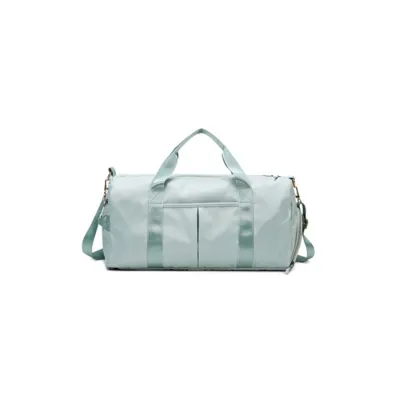
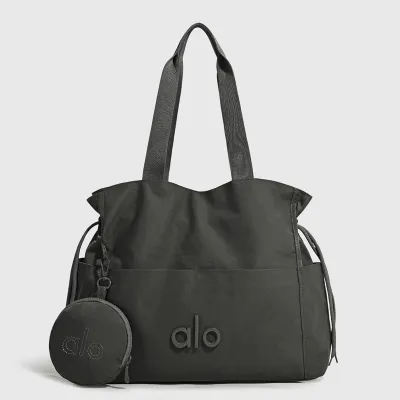
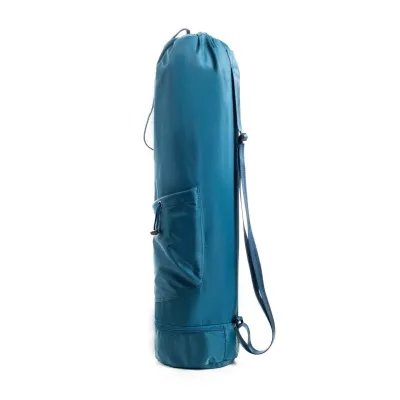
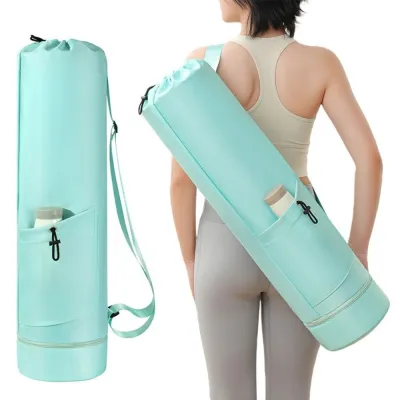
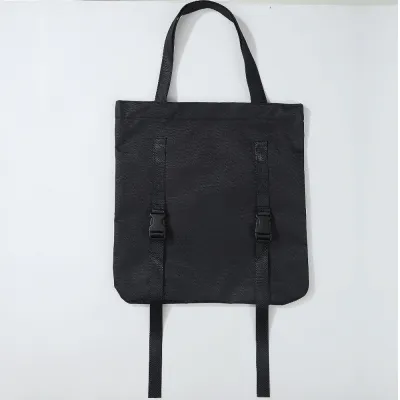
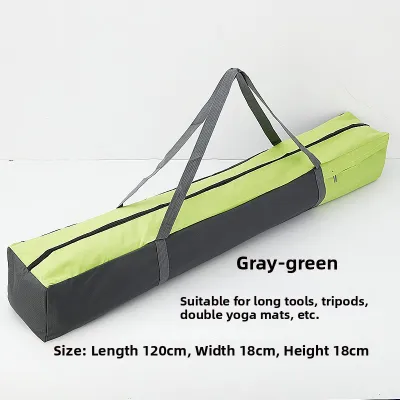
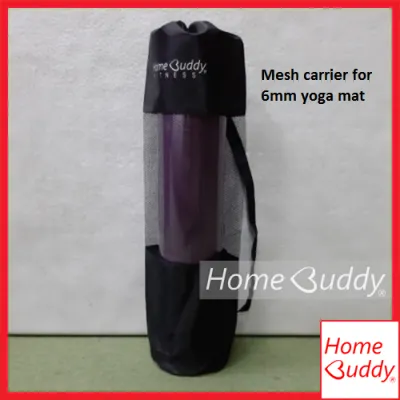
Prices are valid at publication and may change. Please refer to the product page for the latest price.
Yoga Totes: Quick Access and Professional Aesthetics
Yoga totes are designed with a classic, open-top structure that mimics a standard fashion or utility tote but includes dedicated straps or a sleeve to secure a yoga mat. This design excels in professional environments, as many high-quality totes feature sleek, minimalist exteriors that blend seamlessly into an office setting. You can easily slide your mat out without unpacking the entire bag, making it highly convenient for quick transitions.

However, the tote style has distinct limitations when it comes to carrying capacity and comfort. Because a tote relies on two shoulder straps, the weight is concentrated on one side of your body. If you pack heavy items like cork blocks or a laptop alongside your mat, the straps can dig into your shoulder or slip off while you walk. Additionally, the open or semi-open top of many totes offers less protection against sudden downpours, meaning your gear could be exposed to moisture if you are caught unsheltered.
A yoga tote is best suited for practitioners who drive to the studio or have a very short walk from transit. It is ideal for those who carry minimal gear—such as a mat, a small towel, and personal items—and who value a polished, professional appearance that transitions effortlessly from a business meeting to an evening class.
Yoga Backpacks: Hands-Free Comfort for Active Commutes
For active commuters who walk, cycle, or navigate busy public transit networks, a yoga backpack is often the most practical choice. By distributing weight evenly across both shoulders, a backpack minimizes localized strain on your back and neck. Most yoga-specific backpacks feature external straps, a dedicated sleeve, or a bottom compartment designed to hold a rolled mat securely, keeping your hands completely free to hold handrails or carry other items.
Despite these ergonomic benefits, backpacks do present some trade-offs. The snug fit against your back can trap heat, which may lead to sweat patches on your clothing during warm commutes. If you are traveling straight from a corporate office, a backpack can also wrinkle delicate professional attire like blazers or pressed shirts. Furthermore, retrieving your mat or accessing items inside the main compartment typically requires taking the bag off entirely, making it slower to unpack than a tote.
This style is the optimal fit for anyone with a multi-stage commute involving walking or public transit. It is also highly beneficial for practitioners who carry heavier loads, such as laptops, water bottles, and personal items, as the structured harness system keeps the load stable and close to your center of gravity.
Yoga Duffels: Maximum Capacity for Heavy Gear Loads
When your practice requires an extensive array of gear, a yoga duffel bag offers the volume necessary to carry it all. Duffels typically feature a wide, zippered main opening that allows you to pack and organize large items like yoga blocks, wheels, straps, and multiple changes of clothing with ease. Many designs include specialized compartments, such as ventilated pockets to isolate damp towels or sweaty clothes from your clean gear, and dedicated internal or external straps to secure your mat.
The primary drawback of a duffel is its bulk and carrying style. While some duffels offer convertible backpack straps, most rely on a single long shoulder strap or dual carry handles. Carrying a fully loaded duffel over one shoulder over long distances can cause significant physical fatigue and imbalance. Additionally, their wide, horizontal footprint makes them cumbersome to carry on crowded trains or buses, where they can easily bump into other passengers.
A yoga duffel is best suited for practitioners who drive to their sessions, travel frequently, or participate in intensive workshops that require bringing personal props like blocks and bolsters. It is also an excellent option for those who head straight to the studio after a long day and need to pack a full change of clothes, toiletries, and footwear alongside their yoga gear.
Navigating Studio Storage and Locker Constraints
Before finalizing your choice of a yoga bag, it is crucial to consider the physical environment of your preferred studio. Changing rooms and reception areas can become highly congested between classes, and storage solutions vary widely from one location to another. A bag that fits perfectly on your shoulder might prove highly impractical once you try to store it during your practice.
Many premium studios provide lockers, but these spaces are often narrow and shallow. Structured backpacks or rigid duffels may not fit inside these lockers without being forcefully squeezed, which can damage both the bag and any delicate items inside, such as laptops or sunglasses. Conversely, soft, unstructured totes can easily be folded or compressed to fit into tight spaces, though they run the risk of spilling their contents if they do not have a secure zipper closure.
If your studio utilizes open cubbies or shelves instead of lockers, a slouchy bag without a structured base may tip over, causing your gear to slide out onto the floor. In these environments, a self-standing bag with a flat, durable bottom is highly advantageous. Always check the typical dimensions of your studio’s storage facilities to ensure your chosen bag style can be stored neatly without blocking walkways or crowding other practitioners’ belongings.
Final Decision Matrix: Matching Bag Style to Your Routine
To make your final decision, evaluate how your typical routine aligns with the specific strengths of each bag style.
Choose a yoga tote if you:
- Primarily drive or have a short, direct walk to the studio.
- Carry minimal gear and prefer quick, open-top access.
- Need a professional aesthetic that fits seamlessly into an office environment.
Choose a yoga backpack if you:
- Commute via walking, cycling, or public transit.
- Need to keep your hands free and require balanced weight distribution.
- Carry a laptop, water bottle, and other heavy daily essentials.
Choose a yoga duffel if you:
- Need to carry a large volume of gear, including blocks, straps, and extra clothing.
- Have access to a car or spacious studio storage that can accommodate a larger bag footprint.
- Require separate, ventilated compartments for wet and dry items.
Before making a purchase, always verify the physical compatibility of your yoga mat with the bag’s carrying system. Measure the rolled diameter and weight of your mat, and compare these measurements against the bag’s strap lengths, sleeve widths, or external attachment points. A heavy, extra-thick mat may slip out of loose tote straps or exceed the capacity of a compact backpack sleeve, making pre-purchase verification essential for a secure fit.
Frequently Asked Questions (FAQ)
How do I clean a yoga bag after a sweaty commute?
To maintain hygiene and prevent odors, always check the manufacturer’s care label inside your yoga bag for specific washing instructions. Many synthetic bags made of nylon or polyester can be spot-cleaned using a damp cloth and a mild, diluted detergent. Avoid using harsh chemicals or bleach, which can degrade water-resistant coatings or damage the fabric fibers. If the care label permits machine washing, use a gentle cycle with cold water and place the bag inside a mesh laundry bag to protect the straps and zippers. Always air dry your bag completely in a well-ventilated, shaded area before storing it or packing it with gear, as trapping moisture inside can lead to mold and mildew growth.
Community discussion
Share your experience or ask a question. Comments are reviewed before publication.