
The Short Verdict: Is the Yonex 65 Z4 Worth the Upgrade?
Deciding whether to transition to the Yonex Power Cushion 65 Z4 from the highly regarded 65 Z3 depends primarily on the current physical state of your existing footwear and your specific performance requirements on the court. If your current 65 Z3 shoes are showing clear signs of structural wear—such as a smoothed-out outsole, a compressed midsole that no longer absorbs impact, or tears along the upper material—upgrading to the 65 Z4 is a highly recommended investment in your joint safety and court agility. The 65 Z4 introduces refined lateral lockdown and subtle cushioning enhancements that benefit players who engage in high-intensity, multi-directional footwork.
Conversely, if your 65 Z3s are relatively new, structurally sound, and still provide excellent traction and support, a premature upgrade is not strictly necessary. The performance differences, while tangible, represent a careful evolution rather than a complete overhaul of the established 65 Z formula. For players who are fully satisfied with the fit and feel of their current pair, continuing to wear them until they naturally reach the end of their functional lifespan remains a highly practical and economical choice.
Key Design and Performance Changes in the 65 Z4
While the Yonex 65 Z line has long maintained a reputation for balanced performance, the 65 Z4 introduces targeted design updates intended to address specific player feedback from the 65 Z3 generation. Rather than completely redesigning the shoe from the ground up, the manufacturer has focused on optimizing the upper construction, lateral stability, and overall cushioning transition to deliver a more responsive on-court experience.
Products mentioned in this guide
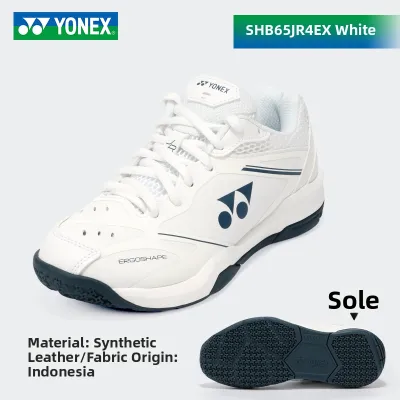
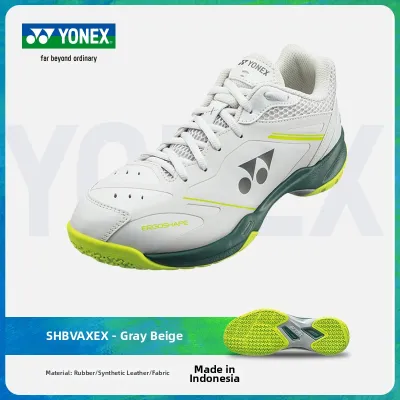
Prices are valid at publication and may change. Please refer to the product page for the latest price.

Cushioning and Impact Absorption
The core of any premium badminton shoe lies in its ability to protect the player’s joints from the repetitive, high-impact forces of the sport. The 65 Z4 continues to utilize Yonex’s signature Power Cushion+ technology, which is strategically positioned in the heel and forefoot to absorb shock and convert it into useful rebound energy. However, the integration of this cushioning system within the midsole has undergone subtle structural refinements compared to the 65 Z3.
During intense movements, such as executing a deep forecourt lunge or landing from a high jump smash, the foot experiences localized vertical forces that can lead to fatigue or joint strain over time. The 65 Z4 features an optimized midsole foam density that aims to distribute these impact forces more evenly across the entire footbed. This structural adjustment helps to prevent the cushioning from bottoming out during extended playing sessions, offering a slightly more consistent and supportive underfoot feel than the 65 Z3, particularly during long three-game matches.
Furthermore, this updated midsole configuration enhances the transition from heel strike to forefoot push-off. When you split-step and push off to chase a fast drop shot, the transition feels slightly more direct and energetic. While the 65 Z3 offered outstanding shock absorption, the Z4 refines the balance between plush impact protection and the firm responsiveness needed for rapid recovery steps.
Fit, Upper Material, and Lateral Support
One of the most noticeable physical updates on the 65 Z4 is the construction of the upper material. The shoe features an updated seamless upper design that utilizes lightweight, durable synthetic materials to wrap the foot securely. This design minimizes the internal seams and overlays that can sometimes cause friction, hot spots, or blisters during intense lateral movements.
Lateral support is a critical safety and performance factor in badminton, where players constantly change direction at high speeds. The 65 Z4 incorporates an enhanced lateral shell and reinforcement structure along the outer edge of the forefoot. This structural update is designed to minimize foot spillover—the tendency of the foot to slide laterally over the edge of the sole unit during aggressive side-steps or wide lunges. By keeping the foot firmly centered over the midsole, the Z4 improves overall stability and helps reduce the risk of ankle rolls.
In comparison, the 65 Z3 featured a slightly softer upper material that offered excellent comfort out of the box but was prone to gradual stretching over months of frequent play. As the Z3 upper stretched, some players noted a slight loss in lateral lockdown, requiring them to tie their laces tighter to maintain stability. The Z4 addresses this issue with a more resilient upper structure that maintains its shape and supportive characteristics over a longer period, ensuring consistent lateral containment throughout the shoe’s lifespan.
Outsole Grip and Durability
Traction is the foundation of speed on the badminton court, and any loss of grip can lead to delayed movement or dangerous slips. The 65 Z4 retains a highly specialized rubber compound and multi-directional tread pattern, similar to the Radial Blade Sole design, to ensure optimal grip on both polished parquet floors and synthetic court mats. This pattern is engineered to provide reliable traction during rapid diagonal lunges, backward steps, and sudden stops.
To determine if you need to upgrade to the 65 Z4, it is highly recommended to physically inspect the outsole of your current 65 Z3 shoes. Turn the shoes over and closely examine the high-wear areas, particularly the inner forefoot of your non-dominant foot (which often drags during deep lunges) and the heel area. If the tread pattern in these zones has worn smooth, or if the rubber has hardened and lost its tackiness, your court traction is significantly compromised.
While the 65 Z4 features a highly durable rubber formulation designed to resist wear, the actual lifespan of the outsole will always depend on your playing style, footwork mechanics, and the cleanliness of the courts you play on. If your current Z3 outsoles are smooth, upgrading to the Z4 will provide an immediate and dramatic improvement in your movement confidence and safety.
What Remains the Same: The Core 65 Z DNA
Despite the targeted updates introduced in the latest model, Yonex has carefully preserved the foundational design philosophy that has made the 65 Z series a favorite among players worldwide. Transitioning from the 65 Z3 to the 65 Z4 does not require a significant adjustment period, as the core DNA of the shoe remains fully intact.
The overall weight profile of the shoe remains highly consistent. The 65 Z series has always occupied the balanced middle ground of badminton footwear—it is not an ultra-lightweight shoe like the Aerus series, nor is it a heavy, heavily armored stability shoe. The Z4 maintains this balanced weight distribution, ensuring that players who appreciate a nimble yet supportive feel will feel right at home.
Additionally, the general shape of the last and the available fit configurations have been carried over. The 65 Z4 is offered in standard width options, and where applicable, wide-fit variations to accommodate different foot shapes. The toe box volume and heel counter shape are designed to provide a secure, locked-in feel without compressing the toes excessively, maintaining the familiar fit characteristics that 65 Z users expect.
Most importantly, the low-to-the-ground court feel remains a defining feature of the Z4. This design keeps your center of gravity low, providing excellent feedback from the court surface and enhancing your stability during rapid lateral transitions. If you are transitioning from the Z3, your muscle memory and movement mechanics will adapt almost instantly, as the fundamental geometry of the sole unit and the shoe’s overall balance feel highly familiar.
Cost, Availability, and the Upgrade Calculation
When evaluating whether to purchase the Yonex 65 Z4, it is essential to consider the financial and practical aspects of the decision within your local market. In Singapore, premium badminton footwear typically represents a significant investment, with retail prices for flagship models generally ranging between S$180 and S$240, depending on the specific retailer, promotional events, and model variations.
To make an informed decision, players should evaluate the remaining functional lifespan of their current 65 Z3 shoes using the concept of cost-per-wear. If you play multiple times a week at a high intensity, your shoes are subjected to immense stress, and the midsole cushioning will naturally degrade over six to twelve months. If your Z3s are approaching this window, investing in the 65 Z4 is a highly justifiable expense to protect your knees, ankles, and lower back from impact-related strain.
Conversely, the release of the 65 Z4 means that remaining stock of the older 65 Z3 model may be available at discounted clearance prices at local sports retailers, specialized badminton shops, or official brand outlets across Singapore. If you are on a budget or play less frequently, purchasing a discounted pair of 65 Z3s can offer exceptional value, as it delivers a high percentage of the Z4’s performance at a fraction of the cost.
Before making a purchase, it is highly advisable to visit local sports shops to verify current pricing, compare the physical feel of both models, and check stock availability. Keep in mind that inventory levels for specific sizes and width options can fluctuate rapidly, especially for popular performance lines like the 65 Z series.
Who Should Upgrade and Who Should Keep the 65 Z3
To help you make a clear, personalized decision, consider which of the following scenarios best describes your current situation and playing needs.
Upgrade to the Yonex 65 Z4 if:
- Your current shoes are worn out: The outsole of your 65 Z3 has lost its tread, the midsole feels hard and flat, or the upper shows visible signs of tearing or structural sagging.
- You require maximum lateral stability: You are an aggressive mover who frequently experiences foot sliding or shifting inside the 65 Z3, and you want to benefit from the Z4's updated upper and lateral shell reinforcement.
- You play frequently on hard surfaces: You train multiple times a week on hard parquet floors or older synthetic mats and want the freshest, most resilient cushioning setup to minimize joint fatigue.
Keep your current Yonex 65 Z3 if:
- Your shoes are in excellent condition: Your current pair is relatively new, the tread depth is excellent, and the cushioning still feels springy and responsive.
- You are fully satisfied with the fit: The Z3 fits your foot shape perfectly, and you do not want to alter your footwear setup during an active playing season.
- Your playing frequency is low: You only play occasionally or recreationally, meaning the incremental performance updates of the Z4 may not justify the immediate retail cost.
Wait and observe if:
- You are on a strict budget: You prefer to wait for potential seasonal sales or promotional discounts on the Z4 later in the year.
- You want more community feedback: You prefer to wait and see how the new upper materials hold up over several months of play within the local Singapore badminton community before committing to the upgrade.
Frequently Asked Questions (FAQ)
How does the sizing of the 65 Z4 compare to the 65 Z3?
The Yonex 65 Z4 generally maintains the same sizing standard as the previous 65 Z3 generation, meaning most players can safely stick to their usual Yonex shoe size. However, because the 65 Z4 features an updated, slightly more structured seamless upper, the initial step-in feel may seem marginally snugger or stiffer than a well-broken-in pair of Z3s. To ensure a perfect fit and avoid discomfort on the court, it is highly recommended to visit a local sports retailer and try the shoes on in person while wearing your preferred thick badminton socks before making a final decision.
Can I just replace the insole in my 65 Z3 to get 65 Z4 cushioning?
While inserting a fresh, high-quality replacement insole can temporarily improve step-in comfort and minor shock absorption, it cannot replicate the comprehensive performance updates of the 65 Z4. A new insole does not address a compressed or degraded polyurethane midsole, nor can it restore worn-out lateral support structures, a stretched upper, or a smoothed-out rubber outsole. If the structural integrity of your 65 Z3 is compromised, replacing the insole is only a temporary cosmetic fix and will not provide the necessary protection or stability that a new pair of shoes offers.
Community discussion
Share your experience or ask a question. Comments are reviewed before publication.