
Quick Answer: Which Yonex Nanoflare Should You Choose?
If you are trying to decide which Yonex Nanoflare racket fits your game, the choice comes down to your physical preparation and your role on the court. For players who prioritize rapid defensive reactions, quick flat drives, and fast net interceptions, a head-light racket with a stiff shaft is highly suitable. If you require more assistance with deep clears and want a more forgiving feel on off-center hits, a model with a medium or flexible shaft and a slightly heavier frame weight is a more appropriate choice.
The Nanoflare series is fundamentally engineered around a head-light balance, meaning the weight is distributed closer to the handle to maximize swing speed. Because individual physical capabilities and playing conditions vary, you should always verify the exact specifications on the manufacturer’s shaft label or consult an authorized retailer before making a final purchase.
Core Characteristics of the Yonex Nanoflare Series
To make an informed decision, it is essential to understand the core design philosophy that defines the entire Yonex Nanoflare lineup. Unlike traditional rackets that distribute weight evenly or concentrate it at the top of the frame, Nanoflare models feature a distinct head-light balance. By shifting the center of mass closer to your hand, these rackets significantly reduce the rotational inertia, or swing weight, of the frame.
Products mentioned in this guide
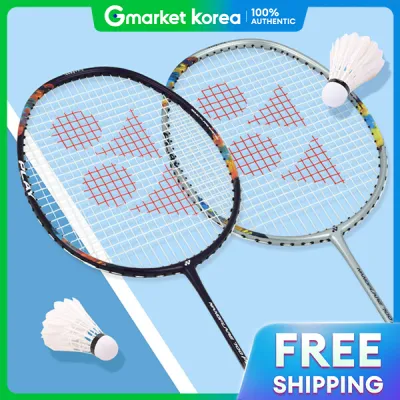
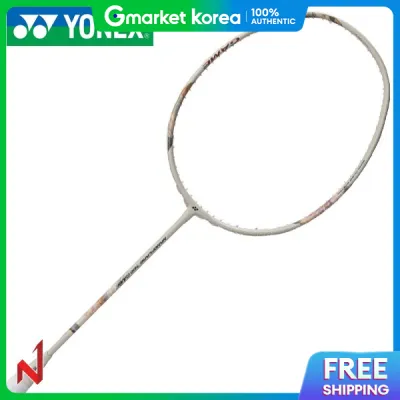
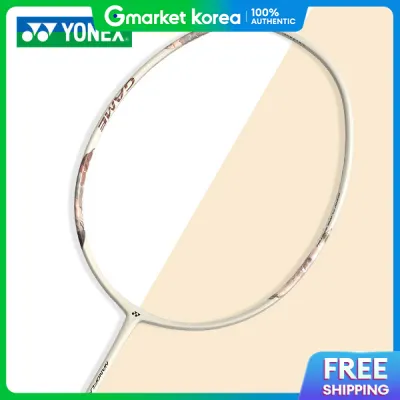
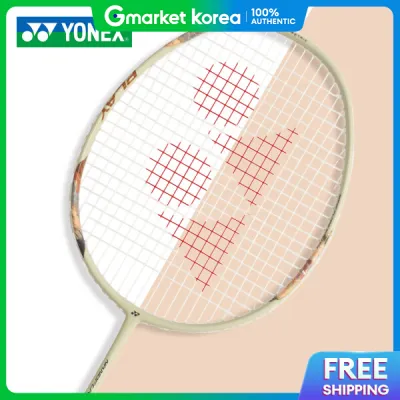
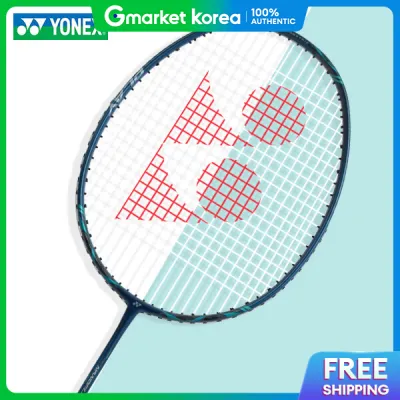
Prices are valid at publication and may change. Please refer to the product page for the latest price.

This physical characteristic allows you to maneuver the racket with minimal effort, making it easier to transition between forehand and backhand defense during fast-paced rallies. Front-court specialists and doubles players who rely on rapid interceptions and flat, driving exchanges benefit most from this design. The reduced swing weight also helps minimize early wrist fatigue during extended playing sessions.
In addition to the balance point, the series incorporates aerodynamic frame designs, such as slim shafts and streamlined head profiles. These shapes are engineered to cut through the air with minimal resistance, allowing for faster head speeds without requiring excessive physical exertion. However, because these frames prioritize speed over raw mass, they do not naturally generate the same heavy downward momentum as head-heavy rackets, meaning your power will rely heavily on your personal swing technique and timing.
Key Specifications to Compare Across Models
When comparing different models within the Nanoflare family, you must look past the aesthetic designs and focus on the technical specifications printed on the racket shaft. These metrics directly influence how the racket performs in your hand and how much physical strain it places on your arm.
The first critical metric is the weight class, which is designated by a “U” rating. A 3U racket typically weighs between 85 and 89 grams, offering more structural mass for solid clears and stable blocks. A 4U racket, weighing between 80 and 84 grams, is the standard choice for most intermediate players, balancing speed and control. Lighter 5U variants (75 to 79 grams) are highly maneuverable and reduce muscle strain, though they offer less natural power transfer.
Shaft stiffness is the second major differentiator and must be matched to your swing speed. Stiff shafts do not bend easily, meaning they transfer energy rapidly and offer precise control, but only if you have the fast wrist action and technique required to flex the frame. If your swing is slower or still developing, a medium or flexible shaft is much more suitable, as it bends during the swing to provide a whip-like effect that assists with depth.
Finally, pay close attention to the grip size (designated by “G”) and the recommended string tension limits. In warm, humid climates like Singapore, sweat can quickly compromise your hold on the racket, making grip selection crucial. A smaller grip size like G6 allows you to build up the handle with your preferred overgrip, while a larger G5 grip suits players with larger hands. String tension limits must also be respected; higher tensions offer more control but shrink the sweet spot, while lower tensions provide more elasticity and durability.
Matching Nanoflare Variants to Your Playing Style
Selecting the right Nanoflare variant requires an honest assessment of your on-court role, physical strength, and injury history. No single racket configuration is universally appropriate for every player, so you must match the specifications to your specific style of play.
If you are a front-court doubles player who thrives on quick net kills, tight drops, and rapid defensive blocks, you should choose a lighter, stiffer model. A 4U weight class combined with a stiff shaft allows you to react instantly to fast drives and keep the racket head up during intense flat exchanges. This setup relies on short, explosive wrist movements rather than long, sweeping swings to generate shuttle speed.
If you play an all-round game and frequently find yourself forced into the rear court, a slightly heavier, medium-stiff model is a better fit. Opting for a 3U or 4U weight with a medium shaft provides the extra frame momentum needed to push the shuttlecock from baseline to baseline. The medium flex offers a more forgiving feel, helping you clear the shuttle deep into the opponent’s court even when you are caught out of position or unable to execute a full swing.
However, a head-light racket may not fit your needs at all if your primary strategy relies on heavy, aggressive smashing from the back court. Players who dominate rallies with steep, high-velocity smashes generally prefer head-heavy rackets, which utilize the extra weight at the top of the frame to maximize downward force. Trying to force a head-light Nanoflare to produce massive smash power can lead to overswinging, which increases the risk of shoulder and elbow injuries.
Your physical conditioning should always dictate your final choice. If you have a history of tennis elbow or shoulder strain, avoiding extremely stiff shafts and excessively heavy frames is highly recommended. A more flexible shaft acts as a shock absorber, reducing the amount of vibration transferred to your joints upon impact.
Pre-Purchase Checks and Verification
Before committing to a specific Nanoflare model, you should perform several practical checks to ensure the physical racket matches your expectations and playing style. Relying solely on online descriptions or professional player endorsements can lead to a mismatched purchase.
First, locate the laser-engraved specifications on the racket cone or shaft to verify the exact weight and grip size. Manufacturers often produce the same model in multiple configurations (such as both 3U and 4U variants), so you must confirm that the specific unit you are holding matches your desired setup.
Second, whenever possible, visit a physical sports retailer to perform a dry swing test. Hold the racket with your preferred grip thickness and swing it gently to assess how the balance point feels in your hand. This hands-on experience is invaluable, as the perceived weight of a racket can vary depending on how it is strung and gripped.
Third, if you are purchasing from an online marketplace or specialized badminton e-tailer, carefully review their return and warranty policies. Most retailers will not accept returns once a racket has been custom-strung or if the original plastic wrap on the handle has been removed. Ensure you are fully satisfied with the frame’s physical feel before sending it to be strung.
Finally, consult a certified stringer or an experienced coach before choosing your string type and tension. They can analyze your current skill level and suggest a setup that complements your new racket. For example, pairing a head-light Nanoflare with a highly elastic string at a moderate tension can help compensate for any lack of natural power, creating a more balanced and enjoyable playing experience.
Frequently Asked Questions (FAQ)
Is the Yonex Nanoflare series good for beginners?
The Nanoflare series can be highly suitable for beginners, provided you select a model with the correct specifications. Because head-light rackets are easy to swing, they help beginners develop proper stroke mechanics and hand-eye coordination without putting excessive strain on developing muscles. However, beginners should avoid high-end, extremely stiff models, which require advanced technique to generate power. Instead, look for entry-level or intermediate Nanoflare variants that feature flexible or medium shafts and a forgiving sweet spot, as these will provide the necessary power assistance for deep clears.
How does the Nanoflare series compare to head-heavy rackets?
The primary difference lies in the distribution of weight and the resulting on-court performance trade-offs. Head-heavy rackets concentrate mass at the top of the frame, which uses gravitational momentum to produce powerful, steep smashes, but they are slower to maneuver in fast defensive situations. In contrast, the head-light Nanoflare series prioritizes rapid frame recovery, quick defensive blocks, and fast flat drives. If you find yourself struggling to defend quick attacks or transition your racket in doubles play, a head-light Nanoflare is an excellent choice; if you prioritize raw smash power above all else, a head-heavy alternative may be more appropriate.
Community discussion
Share your experience or ask a question. Comments are reviewed before publication.