
Selecting the right badminton racket is a highly personal decision that directly influences your performance, comfort, and safety on the court. While the three dominant brands—Yonex, Li-Ning, and Victor—all manufacture high-quality equipment, they approach racket design with distinct engineering philosophies. Finding your ideal fit requires understanding how these philosophies align with your physical capabilities, skill level, and playing style.
Rather than searching for a single superior brand, players should focus on how each manufacturer’s signature frame shapes, material compositions, and weight distributions match their individual on-court needs. A racket that elevates an aggressive singles player’s smash might hinder a doubles defensive specialist who requires rapid frame recovery. By analyzing the structural characteristics of each brand, you can make a calculated decision that supports your development.
Ultimately, the brand logo on the cone matters less than the physical specifications of the specific model. However, understanding the general design tendencies of Yonex, Li-Ning, and Victor provides a reliable starting point for narrowing down your options and finding a racket that feels like an extension of your arm.
Products mentioned in this guide
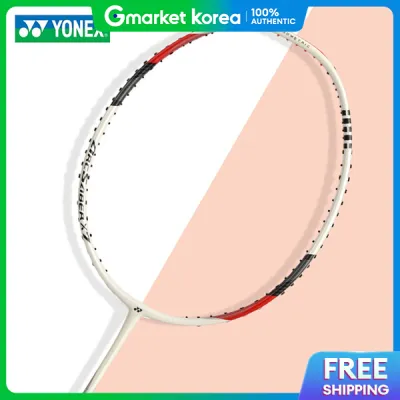
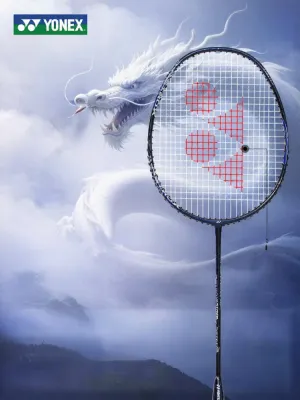
Prices are valid at publication and may change. Please refer to the product page for the latest price.
Quick Answer: Which Brand Should You Choose?
To simplify your decision, you can categorize your choice based on what you prioritize most in your equipment’s engineering and design. Each brand has carved out a distinct reputation in the global badminton community, offering unique advantages depending on your technical requirements.
- Choose Yonex if you prioritize highly consistent engineering, precise feedback, and a structured, clearly segmented product lineup. Yonex is the industry standard for players who want a predictable, reliable feel and want to choose from highly specialized series dedicated to power, speed, or even-balanced control.
- Choose Li-Ning if you prefer aggressive power, highly aerodynamic frame designs, and bold material innovations. Li-Ning is ideal for players who want to maximize their smash momentum and swing speed through advanced frame geometry and distinct, eye-catching cosmetics.
- Choose Victor if you value agility, rapid handling, and player-centric comfort. Victor is highly favored by doubles players who require lightning-fast racket preparation, excellent shock absorption, and responsive frames that excel in flat drives and net exchanges.
Despite these brand-wide tendencies, individual model specifications—specifically weight, balance point, and shaft stiffness—ultimately dictate how a racket performs on the court. A head-light racket from an attack-focused brand will still play faster and offer less smash power than a head-heavy racket from a speed-focused brand. Always prioritize the individual racket’s specifications over general brand reputations.
Brand Philosophies and Core Strengths
To truly appreciate how these three manufacturers differ, it is helpful to examine their underlying design philosophies. Each brand has spent decades refining its manufacturing processes, resulting in distinct approaches to frame construction, material science, and player feedback.

Yonex: Precision and Consistent Engineering
Yonex has long been established as the benchmark for precision engineering in badminton. Based in Japan, where its high-end models are manufactured, the brand focuses on stringent quality control and highly predictable performance. This dedication to consistency ensures that two rackets of the same model and weight classification will feel virtually identical, a crucial factor for competitive players who carry multiple identical rackets in their bags.
The cornerstone of Yonex’s design philosophy is the Isometric head shape, a technology they pioneered to enlarge the sweet spot. By equalizing the length of the main and cross strings, Isometric frames provide a larger effective hitting area, reducing power loss on off-center hits. Additionally, Yonex utilizes Aero+Box frame designs to strike a balance between structural stability and aerodynamic swing speed.
This philosophy appeals to players who demand reliable, clear feedback from their racket. Yonex categorizes its models into highly distinct series: the Astrox line for head-heavy power, the Nanoflare line for head-light speed, and the Arcsaber line for even-balanced control. This clear segmentation makes it straightforward for players to identify which model family aligns with their developmental goals.
Li-Ning: Power, Aerodynamics, and Bold Innovation
Li-Ning approaches badminton racket design with an emphasis on aggressive power, sophisticated aerodynamics, and bold aesthetic styling. As a major force in sports engineering, the brand invests heavily in advanced high-modulus carbon fiber composites, creating frames designed to withstand extreme string tensions while maintaining structural integrity.
Li-Ning is particularly known for its innovative frame geometries. Technologies such as the 3D Calibar (featuring a geometric, angular frame shape to reduce air resistance) and the Aeronaut series (which integrates air stream channels directly into the frame to minimize drag) showcase their commitment to aerodynamic innovation. These designs are engineered to help players generate higher swing speeds, translating directly into faster shuttle velocities.
For players who rely on raw power and explosive attacks, Li-Ning’s aggressive frame designs and rapid-rebound shaft technologies offer a distinct advantage. The brand’s products appeal to those who appreciate striking visual designs and want a racket engineered to maximize offensive potential from the backcourt.
Victor: Agility, Control, and Player-Centric Feedback
Victor has built a formidable reputation by prioritizing agility, crisp handling, and excellent vibration dampening. Popularized by world-class doubles players, Victor’s design philosophy centers on making the racket feel as maneuverable and comfortable as possible, allowing for rapid defensive blocks and precise net play.
A key technological highlight in Victor’s lineup is their specialized aerodynamic frames, such as the Sword profile. This diamond-shaped structure cuts through the air with minimal resistance, significantly reducing the physical effort required to swing the racket repeatedly during long, fast-paced rallies. This focus on speed is complemented by advanced shaft technologies designed for rapid recovery, ensuring the racket is instantly ready for the next shot.
Furthermore, Victor has introduced player-centric innovations like Free Core technology. This synthetic handle design replaces traditional wood, offering improved flexibility and significantly better shock absorption upon shuttle impact. This technology reduces physical fatigue in the wrist and forearm, making Victor rackets highly appealing to players who prioritize comfort, defensive stability, and rapid racket handling.
Key Comparison Dimensions for Racket Selection
When comparing rackets across Yonex, Li-Ning, and Victor, you must look past the marketing names and evaluate the physical dimensions that govern performance. Understanding these technical specifications allows you to compare models objectively, regardless of the brand logo.
Weight and Balance Point
Racket weight is standardly classified using the “U” rating system, where a lower number denotes a heavier racket. Most modern carbon fiber rackets fall into the 3U (85–89 grams) or 4U (80–84 grams) categories, with some lightweight models reaching 5U (75–79 grams) or lighter. Heavier rackets (3U) provide more mass behind the shuttle for powerful smashes but require more physical strength to maneuver, while lighter rackets (4U and 5U) offer superior speed and reduce fatigue.
The balance point, measured in millimeters from the bottom of the handle, determines how that weight is distributed:
- Head-Heavy (>295mm): Concentrates weight at the top of the frame, acting like a hammer to generate maximum momentum and power for smashes. However, it is slower to maneuver in defensive situations.
- Even-Balanced (285mm–295mm): Distributes weight evenly, offering a versatile compromise between swing speed and power. Ideal for all-around players.
- Head-Light (<285mm): Shifts weight toward the handle, making the racket incredibly fast to swing and easy to control. Excellent for defensive blocks and quick net play, though it offers less assistance for generating power from the backcourt.
A 3U head-light racket will feel vastly different from a 3U head-heavy racket. When choosing between brands, always check the exact weight and balance point specifications to ensure the model matches your physical capabilities.
Shaft Stiffness and Flexibility
The stiffness of a racket shaft dictates how it bends and releases energy during your swing. Shafts generally range from flexible to extra stiff, and choosing the correct level depends entirely on your swing speed and timing:
- Stiff Shafts: Require a fast, explosive swing speed and precise technique to bend the shaft. When flexed correctly, a stiff shaft snaps back instantly, offering maximum power transfer and highly precise shuttle placement. If your swing is too slow, a stiff shaft will feel like a board, resulting in weak clears and increased physical strain on your elbow.
- Flexible Shafts: Bend easily even with slower, longer swing shapes. This whipping action helps intermediate and recreational players generate depth on clears without requiring elite forearm strength. However, flexible shafts suffer from a slight delay in recovery, which can reduce control during fast, flat drive exchanges.
Frame Shape and Aerodynamics
The cross-section of a racket frame influences how it cuts through the air and how stable it remains when contacting the shuttle. Traditional box frames offer high torsional stability, meaning the frame does not twist on off-center hits, resulting in highly predictable control. Aerodynamic frames (such as sword or aero profiles) feature tapered edges to minimize drag, allowing for faster swing speeds at the expense of a slightly less solid feel.
Many high-performance rackets now utilize hybrid frames, combining a stable box shape at the top of the head with an aerodynamic profile at the bottom. When comparing brands, look closely at the frame geometry to understand whether a model is optimized for pure speed, solid control, or a balance of both.
Grip Size and Handle Construction
Grip size determines how comfortably you can hold the racket and how effectively you can use your fingers to generate power. Sizing conventions vary slightly: Yonex and Victor use the “G” system (where G5 is smaller than G4), while Li-Ning uses its own “S” classification (where S2 is generally equivalent to a standard G5).
Additionally, the material of the handle plays a major role in vibration dampening. Traditional wooden handles provide a classic, solid feel but can absorb moisture and degrade over time in humid environments. Synthetic handles, such as Victor’s Free Core, offer consistent flexibility and protect your joints by filtering out harsh vibrations before they reach your hand.
Matching Racket Brands to Playing Styles
To find the right racket, you must align these physical dimensions with your specific role on the court. While all three brands offer models for every playstyle, certain series are structurally optimized for specific tactical approaches.
The Aggressive Attacker (Singles/Backcourt Doubles)
If your game revolves around powerful jump smashes, steep angles, and dominating rallies from the backcourt, you require a racket that maximizes power transfer. This style demands a head-heavy balance to increase swing momentum and a stiff shaft to ensure your explosive energy is transferred directly to the shuttle.
- Yonex Astrox Series: Utilizes a rotational generator system that distributes weight across the grip end, frame joint, and top of the head. This allows the racket to feel balanced during quick transitions while still delivering heavy downward momentum during smashes.
- Li-Ning Axforce / Tectonic Series: Engineered with high-modulus carbon fiber and elastic frame structures at key flex points, these rackets are designed to maximize whip action and smash velocity.
- Victor Thruster Series: Features reinforced frame structures and head-heavy weight distributions optimized for relentless attacking play.
The Tactical Controller (Front-court/Playmaker)
If you prefer to dictate the pace of the game through precise drops, tight net shots, and deceptive holds, you need an even-balanced racket. This setup offers the versatility required to switch instantly between defense and attack, with a medium-to-stiff shaft providing the precise feedback needed for delicate touch shots.
- Yonex Arcsaber Series: Designed to hold the shuttle on the string bed slightly longer for enhanced control and directional accuracy.
- Li-Ning Halbertec Series: Focuses on frame stability and balanced weight distribution, offering highly predictable shuttle placement for tactical play.
- Victor DriveX / Ryuga Series: Provides a smooth, balanced feel with excellent vibration dampening, allowing for consistent control during prolonged rallies.
The Speed and Defense Specialist (Fast Doubles/Reactive Play)
For players who excel in fast-paced doubles, quick flat drives, and absorbing heavy smashes with defensive blocks, swing speed is paramount. You need a head-light balance, a highly aerodynamic frame to cut down wind resistance, and a responsive shaft that recovers instantly.
- Yonex Nanoflare Series: Features highly aerodynamic frames constructed with high-rebound materials, designed to maximize swing speed and rapid defensive maneuvers.
- Li-Ning Windstorm Series: Extremely lightweight rackets (often in the 5U or 6U range) designed for effortless handling and lightning-fast reactions at the net.
- Victor JetSpeed / Auraspeed Series: Utilizes advanced sword-shaped frames to minimize drag, offering some of the fastest swing speeds available for rapid defensive interceptions.
Crucial Disclaimer
Because Yonex, Li-Ning, and Victor all produce hundreds of models spanning every weight, balance, and stiffness configuration, you cannot assume a brand’s entire lineup behaves the same way. Always verify the specific metrics of the individual model you are considering. A head-light Yonex Nanoflare will play vastly differently than a head-heavy Yonex Astrox.
How to Verify and Choose Your Ideal Racket
Before making a purchase, it is essential to validate your choice through physical testing and careful evaluation of specifications. This ensures your investment matches your physical capabilities and playing conditions.
Demo and Trial
Reading specifications online can only teach you so much; the physical sensation of swinging a racket is irreplaceable. Whenever possible, borrow rackets from club mates or attend demo days organized by local sports retailers in Singapore. Pay close attention to how the racket feels when clearing from baseline to baseline and how much vibration travels up your arm on off-center hits.
Check the Specifications Label
Do not rely solely on the marketing name or the color scheme of a racket. Look at the physical specifications laser-engraved or printed on the racket cone or shaft. Verify the exact weight class (e.g., 3U or 4U), the grip size (e.g., G5), and the manufacturer’s recommended tension range. Operating outside these recommended specifications can void your warranty and risk damaging the frame.
String and Grip Customization
The final feel of your racket is heavily influenced by your choice of string, tension, and grip. Singapore’s high humidity can accelerate string tension decay, meaning strings will naturally feel looser over time. Consider this environmental factor when customizing your setup:
- String Tension: Higher tensions (26 lbs and above) offer excellent control and crisp feedback but shrink the sweet spot and require advanced technique to generate power. Lower tensions (20 to 24 lbs) provide a spring-like repulsion effect, making it easier to clear the shuttle while protecting your joints from excessive vibration.
- Grip Thickness: Adding a thick polyurethane replacement grip or a thin overgrip changes the effective balance point of your racket. A thicker, heavier grip shifts the balance toward the handle, making a head-heavy racket feel slightly more head-light and maneuverable.
Warranty and Authenticity
Due to the popularity of these three brands, counterfeit rackets are highly prevalent in online marketplaces. To protect your investment, always purchase from authorized local physical stores or verified online dealers in Singapore. Authentic rackets feature clean laser-engraved serial numbers on the shaft and cone, high-quality holographic stickers, and come with official manufacturer warranties that protect you against structural defects.
Frequently Asked Questions (FAQ)
Do professional players only use the most expensive rackets from these brands?
Professional players use top-tier models because their elite physical strength and refined technique allow them to bend extremely stiff shafts and control high string tensions. However, these high-end rackets are often too demanding for intermediate or recreational players. If you do not possess the swing speed required to flex a stiff, professional-grade shaft, you will struggle to generate power and increase your risk of developing repetitive strain injuries like tennis elbow. Choosing a mid-range model with a medium or flexible shaft is often more beneficial for your development.
Can I mix and match brands for rackets and shoes?
Yes, badminton equipment is not locked into any brand ecosystem. You can freely use a Yonex racket while wearing Li-Ning shoes and carrying a Victor bag. You should select each piece of equipment based entirely on individual fit, comfort, and performance characteristics rather than trying to match brand logos across all your gear.
How often should I upgrade my racket from these top brands?
High-quality carbon fiber rackets do not have a strict expiration date, but they do experience physical wear over time. Repeated high-tension restringing, minor frame clashes, and accidental floor scrapes can introduce micro-fractures into the graphite structure, eventually softening the shaft and reducing the frame’s structural integrity. You should consider upgrading your racket if you notice a significant loss in responsiveness, if the frame develops visible cracks, or if your physical strength and technical skills have outgrown your current racket’s specifications.
Community discussion
Share your experience or ask a question. Comments are reviewed before publication.