
Choosing the right badminton racket is a highly personal decision that directly impacts your performance, comfort, and development on the court. While Yonex, Victor, and Li-Ning dominate the global badminton landscape, no single brand is universally superior for every player. The ideal choice depends on how a brand’s design philosophy, racket specifications, and product lineup align with your specific playing style, physical capabilities, and budget. By understanding the distinct engineering priorities of each manufacturer, you can narrow down your options and select a racket that complements your natural mechanics.
Rather than focusing solely on brand prestige or the gear used by professional players, you should evaluate rackets based on objective specifications such as weight, balance point, shaft flexibility, and frame construction. Each of the big three brands offers a comprehensive range of rackets catering to beginners, intermediate players, and advanced competitors. Finding your perfect match requires looking past marketing labels and analyzing how each brand structures its product lines, manages quality control, and supports players through local retail networks and warranty services.
Brand Positioning and Core Design Philosophies
To make an informed decision, you must first understand the traditional strengths and engineering focus that define each brand’s identity. These philosophies shape how each manufacturer designs its frames, selects materials, and approaches innovation. While all three brands produce high-quality equipment, their flagship technologies reveal distinct priorities that appeal to different types of players.
Products mentioned in this guide
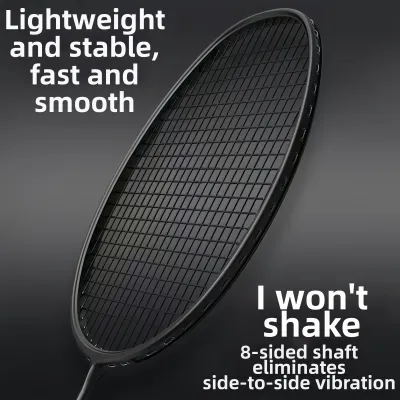
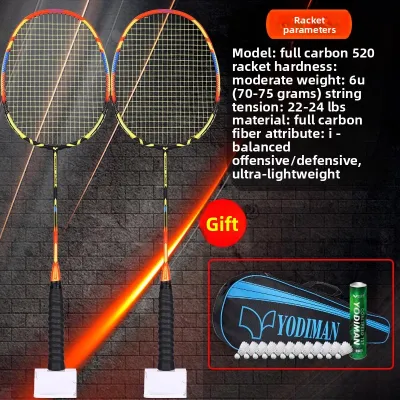
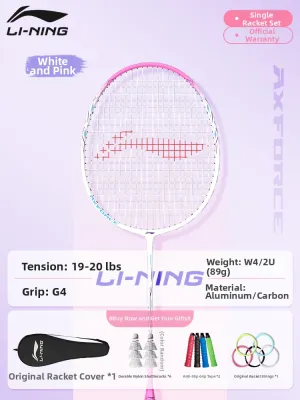
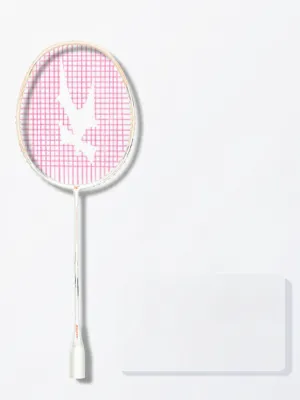
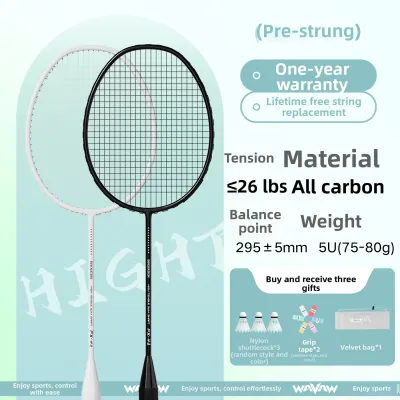
Prices are valid at publication and may change. Please refer to the product page for the latest price.
Yonex is widely recognized for its emphasis on precision, control, and consistent manufacturing quality. As one of the oldest and most established names in the sport, the brand has built its reputation on technological consistency. A cornerstone of Yonex design is the isometric head shape, a square-like frame geometry that expands the sweet spot by keeping vertical and horizontal strings at a more uniform length. This design minimizes off-center hit penalties, providing a highly predictable response across the string bed. Players who prioritize tactical placement, delicate net play, and a reliable, uniform feel across different racket generations often find that Yonex aligns best with their expectations.
Victor focuses heavily on speed, rapid recovery, and aerodynamic efficiency. The brand has carved out a significant niche by catering to the fast-paced demands of modern doubles play, where quick defensive reactions and rapid drive exchanges dominate. Victor’s engineering often features specialized frame profiles, such as sword-like or diamond-shaped cross-sections, which are designed to cut through the air with minimal drag. This aerodynamic focus allows players to swing faster, recover quickly after a shot, and maintain high maneuverability during intense, flat rallies. If your game relies on quick reflexes, intercepting shots at the net, and maintaining a high tempo, Victor’s speed-oriented design philosophy offers distinct advantages.
Li-Ning approaches racket design with a strong emphasis on power transfer, structural durability, and robust frame technologies. Originating as a powerhouse in sports engineering, Li-Ning utilizes military-grade carbon fiber and multi-layer carbon nanotube technologies to reinforce its frames. This focus on structural integrity allows their rackets to withstand high impact forces and support exceptionally high string tensions without compromising the frame’s stability. Li-Ning rackets often feature unique frame geometries, such as their specialized aerodynamic systems that reduce air resistance while maximizing the striking force. Players who favor aggressive, heavy-hitting styles and require a racket that can endure intense physical stress and frequent hard smashes often gravitate toward Li-Ning’s robust constructions.
While these general brand tendencies provide a helpful starting point, you must always verify the specific specifications of the exact model you are considering. Every brand produces a diverse portfolio of rackets, meaning you can easily find a head-heavy, power-oriented racket from Victor or a head-light, speed-oriented racket from Yonex. Brand reputation should serve as a guide to engineering style rather than an absolute rule for performance.
Matching Racket Specifications to Your Playing Style
Translating brand reputations into on-court performance requires a close examination of racket specifications. Regardless of the brand logo on the shaft, the physical dimensions and balance of a racket dictate how it behaves during a swing. Matching these specifications to your physical strength, skill level, and playing style is critical to maximizing your performance and preventing repetitive strain injuries.

Weight and balance are the primary factors determining how a racket feels in your hand and moves through the air. Racket weight is typically categorized using the “U” rating system, where a lower number indicates a heavier racket (for example, 3U usually denotes 85 to 89 grams, while 4U denotes 80 to 84 grams). Balance is classified into three main categories: head-heavy, head-light, and even-balance. Head-heavy rackets concentrate mass at the top of the frame, leveraging momentum to generate powerful smashes, making them ideal for rear-court attacking players. Head-light rackets shift the balance toward the handle, enhancing maneuverability and reaction speed for defensive blocks and quick net play. Even-balance rackets offer a compromise, providing a versatile platform for all-around players. All three brands offer models across these weight and balance configurations, allowing you to select the exact physical profile that suits your role on the court.
Shaft flexibility is another critical specification that must match your swing speed and technique. Racket shafts range from flexible to extra stiff. A flexible shaft bends more easily during a swing, storing elastic energy that is released at impact. This provides a “whip” effect that helps beginners and intermediate players generate clear depth and power with less physical effort. Conversely, a stiff shaft requires a fast, explosive swing speed and precise timing to bend. For advanced players with highly developed forearm and wrist power, a stiff shaft offers superior control, rapid recovery, and instantaneous energy transfer, allowing for precise shot placement. Choosing a shaft that is too stiff for your current skill level can lead to weak clears and increased physical strain on your shoulder and elbow.
Grip size and string tension limits are final, yet equally important, specifications to verify before purchase. Grip sizes are denoted by “G” ratings (such as G5 or G6), with larger numbers representing smaller handle circumferences. Selecting a grip size that fits your hand comfortably allows for proper finger control and prevents over-tightening your grip, which can restrict wrist movement. Additionally, you must check the manufacturer’s recommended string tension range, which is typically printed on the racket cone or specification sheet. High string tensions (above 26 lbs) offer greater control and a crisp feel but require precise hitting technique and reduce the sweet spot size. Lower tensions (below 24 lbs) provide more repulsion power and durability. Ensuring your chosen racket frame is rated to safely support your preferred string tension is essential for preventing frame warping or cracking during restringing.
Navigating Budget Tiers and Warranty Policies in Singapore
Investing in a new badminton racket requires balancing performance desires against financial reality. Understanding how brands structure their pricing tiers and support their products locally in Singapore will help you secure the best value and protect your investment.
Each brand divides its catalog into flagship, mid-range, and entry-level categories. Flagship models feature the latest material innovations, such as premium high-modulus carbon fiber and advanced vibration-dampening resins. While these rackets offer peak performance, they are often highly demanding to play with, featuring stiff shafts and small sweet spots tailored for elite athletes. For the vast majority of intermediate and recreational players, mid-tier rackets offer a far better balance of value and forgiveness. These mid-range models often inherit successful technologies from previous flagship generations but utilize slightly more flexible shafts and more forgiving frame shapes, making them easier to play with at a fraction of the cost.
When shopping in Singapore, it is highly recommended to check current retail prices at authorized local sports retailers rather than relying on outdated online estimates or unauthorized gray-market sellers. Prices can vary based on local promotions, stringing services, and package deals. Purchasing from authorized physical stores or their official online storefronts ensures you pay a fair market price and, more importantly, guarantees that you receive a genuine product. The market is flooded with sophisticated counterfeit rackets that mimic the appearance of premium models but use cheap, brittle materials that pose safety risks if they shatter during play.
Furthermore, buying through authorized local channels is the only way to secure valid manufacturer warranty support. In Singapore, standard warranty terms typically cover manufacturing defects for a specified period, often ranging from several months to a year from the date of purchase. To claim a warranty, you must present a valid proof of purchase from an authorized dealer, and the racket must not show signs of accidental damage, such as frame clashes or improper stringing practices. Understanding the specific claim process for Yonex, Victor, or Li-Ning in Singapore provides peace of mind, ensuring that if a structural defect arises, you have a reliable path to a replacement or repair.
Decision Framework: Choosing Your Ideal Brand
To finalize your selection, you can apply a conditional decision framework that matches your player profile and priorities to the strengths of each brand. This structured approach helps synthesize the technical specifications and brand philosophies into a clear, actionable choice.
You should choose Yonex if your playing style is built on precision, tactical placement, and a methodical approach to rallies. If you value a highly consistent feel across different racket models and want access to a vast, well-documented selection of control-oriented rackets, Yonex is the industry standard. Their isometric head designs are particularly beneficial if you want a reliable sweet spot that supports consistent shot execution during high-pressure rallies.
You should choose Victor if your game thrives on speed, rapid drive exchanges, and quick defensive reactions. If you primarily play doubles and find yourself engaging in fast-paced, flat rallies where fractions of a second matter, Victor’s aerodynamic frame designs will help you maintain a high swing speed. Their rackets are engineered to minimize air resistance, making them excellent tools for players who rely on agility and quick recovery.
You should choose Li-Ning if you prioritize raw power, structural durability, and a solid, heavy-hitting feel. If you are a back-court attacker who loves to unleash powerful smashes, or if you are concerned about racket durability during accidental frame clashes, Li-Ning’s robust carbon fiber construction offers excellent resilience. Their frames are built to handle high string tensions and deliver maximum energy transfer on aggressive shots.
Before making any purchase online, always verify the seller’s authorization status and physical store presence. Counterfeit rackets are highly prevalent on unauthorized online marketplaces, and they lack the structural integrity, safety standards, and performance characteristics of genuine equipment. Checking for official dealer seals, reading verified customer reviews, and visiting established local pro shops in Singapore are the best ways to ensure you are investing in an authentic racket that will safely support your development on the court.
Frequently Asked Questions (FAQ)
Are Yonex rackets always more expensive than Victor or Li-Ning?
While Yonex’s top-tier flagship rackets often carry premium price tags, all three brands offer highly competitive and overlapping price points across their mid-range and beginner categories. You do not need to pay premium prices to own a high-quality racket from any of these manufacturers. To find the best value, compare current retail prices in S$ at authorized local sports shops in Singapore, as promotional discounts and package deals frequently make mid-range models from all three brands highly affordable.
Which brand is best for a beginner?
No single brand is inherently better for beginners, as Yonex, Victor, and Li-Ning all produce excellent, budget-friendly entry-level rackets. As a beginner, you should ignore brand prestige and focus on finding a racket with a flexible shaft, a lightweight frame (typically 4U or lighter), and an even or head-light balance. These specifications provide more forgiveness, help you generate power with less effort, and reduce the risk of injury as you develop your hitting technique.
Community discussion
Share your experience or ask a question. Comments are reviewed before publication.