
Choosing a badminton racket from the three giants—Yonex, Victor, and Li-Ning—can feel overwhelming because each brand offers hundreds of options. The right choice does not depend on finding a universally superior brand, but rather on matching a brand’s design philosophy and specific racket specifications to your personal playing style, physical strength, and budget. While professional players showcase flagship models on television, your everyday performance on the court relies on how well the racket’s weight, balance, and shaft flexibility complement your swing.
Understanding the Core Identity of Each Brand
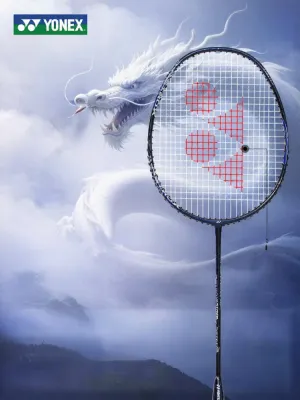
Yonex is widely recognized for its precision engineering and pioneering work in developing the isometric frame shape, which enlarges the sweet spot of the racket. They maintain highly consistent quality control across their production lines, ensuring that rackets of the same model feel identical. Their catalog is structured systematically, offering a clear spectrum of head-heavy, even-balance, and head-light options to suit every level of play.
Victor is often associated with speed, rapid recovery, and highly responsive shaft feedback. They have built a strong reputation for developing aerodynamic frames that cut through the air quickly, making them highly popular among doubles players who prioritize fast-paced net play and quick defensive transitions. Their rackets often feature specialized handle and shaft technologies designed to absorb shock and deliver crisp feedback.
Products mentioned in this guide
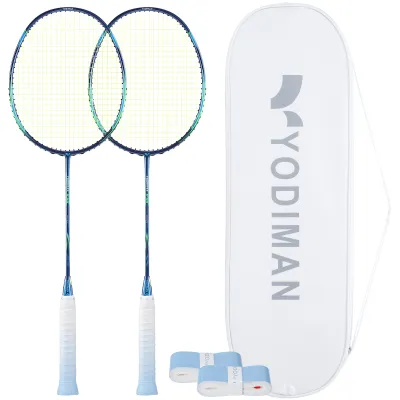
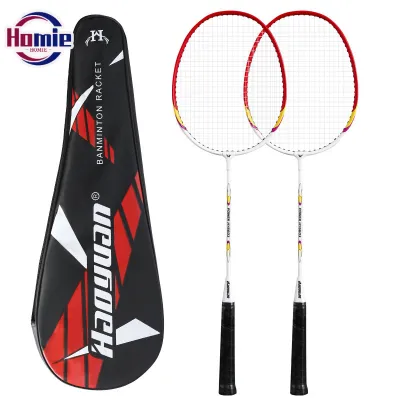
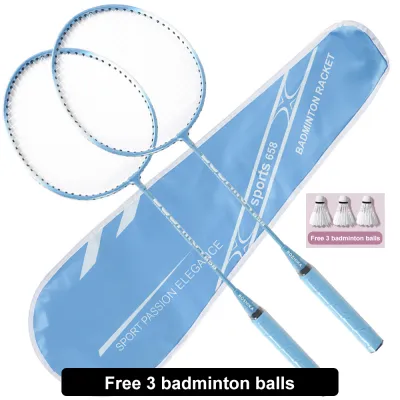
Prices are valid at publication and may change. Please refer to the product page for the latest price.
Li-Ning is renowned for its robust structural durability and striking aesthetic designs. They utilize advanced carbon fiber weaves and military-grade materials in their high-end frames, which often allows them to withstand higher string tensions without compromising structural integrity. This makes them a favored choice for hard hitters who require a sturdy frame that can handle high-tension setups.
Remember that these brand identities are broad generalizations. A head-heavy, stiff racket from Victor will play much more like a head-heavy Yonex racket than it will like a head-light Victor racket. You must look past the brand logo and evaluate the physical specifications of each individual model to understand how it will perform on the court.
Matching Racket Specifications to Your Playstyle
If your game relies on heavy smashes and backcourt dominance, you should look for a head-heavy balance and a stiffer shaft. A head-heavy balance shifts the racket’s center of gravity toward the top of the frame, adding momentum to your overhead swings. Stiffer shafts offer quicker energy transfer but require excellent wrist technique and shoulder strength to generate power. When comparing brands, look at how they categorize their power series and verify the balance point measurements before buying.

For players who excel at quick drives, defensive lifts, and net play, a head-light or even-balance racket with a medium-to-flexible shaft is ideal. Head-light rackets reduce swing weight, allowing you to react faster to incoming smashes and transition quickly during fast rallies. However, you should evaluate maneuverability claims against the actual swing weight rather than relying solely on marketing labels. A racket labeled “lightweight” might still feel sluggish if the weight distribution is concentrated in the head.
If you prefer a balanced game of precise drops, clears, and tactical placement, an even-balance racket with a medium-flex shaft provides the most versatile performance. This setup offers a longer dwell time—the fraction of a second the shuttle remains in contact with the string bed—giving you better tactile feedback and control over your shots. It is an excellent starting point for intermediate players who are still developing their signature style.
Before purchasing, always test or verify the actual physical specifications of the racket. Look for the balance point measured in millimeters from the bottom of the handle, and check the shaft stiffness rating. If you have the opportunity, swing the racket in a physical store or borrow a friend’s racket to ensure the physical weight and stiffness match your current physical strength and swing speed.
Comparing Price Tiers and Budget Allocation
At the entry-level tier (approx. S$50 – S$100), rackets are designed primarily for beginners and recreational players. Many options in this range feature aluminum heads fused with steel or low-grade graphite shafts, which are durable but heavy and slow to recover after a hit. Look for entry-level models that offer full graphite construction, even if it is a basic grade, as this significantly reduces vibration and protects your wrist and elbow from repetitive strain.
The mid-range tier (approx. S$100 – S$200) is the sweet spot for intermediate club players in Singapore. Rackets in this tier transition to high-modulus graphite, offering much better frame recovery, improved grommet strip designs, and more consistent shaft flex. You will find scaled-down versions of flagship technologies here, providing excellent performance and durability without the premium price tag.
Professional and flagship rackets (S$200+) feature the brands’ most advanced carbon fiber composites, specialized nano-resins, and aerodynamic frame profiles. While they offer unmatched stability and power potential, they are often highly demanding to play with. The stiff shafts and compact sweet spots of professional-grade rackets require precise timing and high swing speeds; otherwise, they can lead to fatigue or injury. For most non-professional players, the performance gains of a flagship model may not justify the steep price increase.
If you want premium performance on a budget, look for older flagship models. Brands frequently discount previous-generation top-tier rackets when they launch new marketing campaigns. These older models often provide significantly better material quality and playability than a brand-new, full-priced mid-range racket.
Verifying Authenticity and Specifications Before Purchase
Because Yonex, Victor, and Li-Ning are highly popular, counterfeit rackets are common in the market. To protect yourself, inspect the racket for official hologram stickers, clean laser-engraved serial numbers on the cone and shaft, and high-quality paint finishes. Always prioritize buying from authorized sports retailers or official brand stores in Singapore rather than unverified online sellers.
Before checking out, double-check the weight class and grip size printed on the racket cone. Weight is typically denoted by “U” (with 3U being heavier at 85-89g, and 4U being lighter at 80-84g), while grip size is denoted by “G” (such as G5 or G6, where higher numbers indicate smaller handles). Choosing the wrong weight or grip size can severely impact your comfort and control on the court.
Keep in mind that factory strings on mid-to-high-end rackets are usually low-tension strings meant primarily to protect the frame during transport. To get the best performance out of your new racket, budget for custom stringing services. Selecting a high-quality string and a tension that matches your skill level (typically 20-24 lbs for beginners, and 24-28 lbs for intermediate players) is just as important as the racket itself.
If you encounter a deal on an online marketplace that seems unusually cheap—such as a flagship racket selling for a fraction of its retail price—halt the purchase immediately. Counterfeit rackets lack structural integrity, can warp under standard stringing tensions, and may snap during a smash, posing a serious risk of injury to you and your playing partners.
Frequently Asked Questions (FAQ)
Can I mix different brands for my primary and backup rackets?
While you can physically play with any racket, mixing different brands or models for your primary and backup rackets is generally not recommended. Each brand uses unique handle shapes, shaft flex behaviors, and weight distributions that alter how the racket moves through the air. Switching between mismatched rackets during a match can disrupt your muscle memory, timing, and shot consistency. For the best results, try to keep your primary and backup rackets as identical as possible, using the same model, string type, tension, and grip setup.
Does a more expensive racket from these brands guarantee better performance?
No, a higher price tag does not guarantee better on-court performance. Premium rackets are engineered for advanced players with highly developed techniques, meaning they often feature very stiff shafts and smaller, more demanding sweet spots. If a beginner or intermediate player uses a racket that is too stiff or head-heavy, they will struggle to generate power and may experience shoulder or elbow pain. It is always wiser to prioritize a racket with the correct weight, balance, and flexibility for your current skill level over an expensive flagship model.
Community discussion
Share your experience or ask a question. Comments are reviewed before publication.