
Selecting a badminton racket is one of the most critical decisions you will make as a player, directly influencing your swing speed, shot accuracy, and physical comfort on the court. While the global market features numerous manufacturers, three giants dominate the landscape: Yonex, Victor, and Li-Ning. Each of these brands produces high-quality rackets across all price brackets and skill levels, but they approach racket engineering with fundamentally different design philosophies, manufacturing techniques, and target feels.
To make an immediate decision, you can align your choice with these core brand profiles:
- Choose Yonex if you prioritize precision, consistent feedback, and widely adopted material innovations for highly controlled shot placement and technical accuracy.
- Choose Victor if you value rapid maneuverability, exceptional aerodynamic speed, and quick shuttle control, making it ideal for fast-paced doubles play and rapid defensive transitions.
- Choose Li-Ning if you seek raw power, high structural stability for heavy smashes, and prefer bold, aggressive frame designs that maximize momentum.
While these profiles represent the overarching engineering identities of each brand, remember that every manufacturer offers a diverse catalog. A brand’s general philosophy is a valuable starting point, but you must still evaluate individual models, weight classifications, and stiffness ratings to find your perfect match.
Products mentioned in this guide
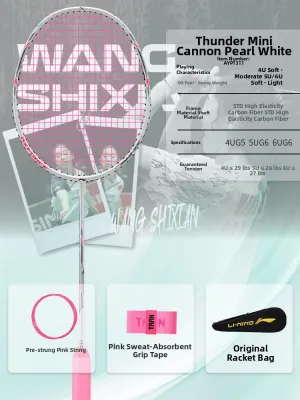
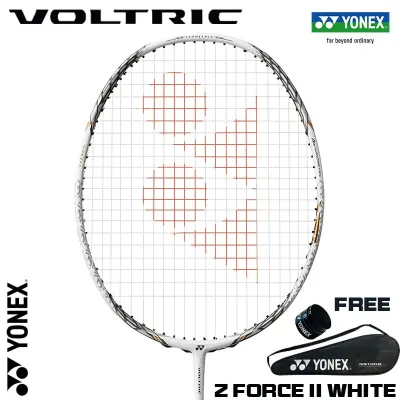
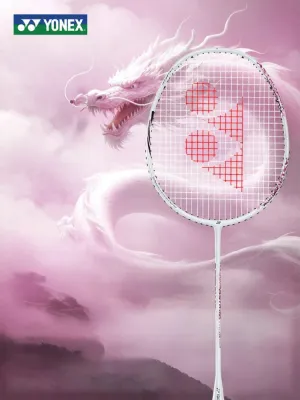
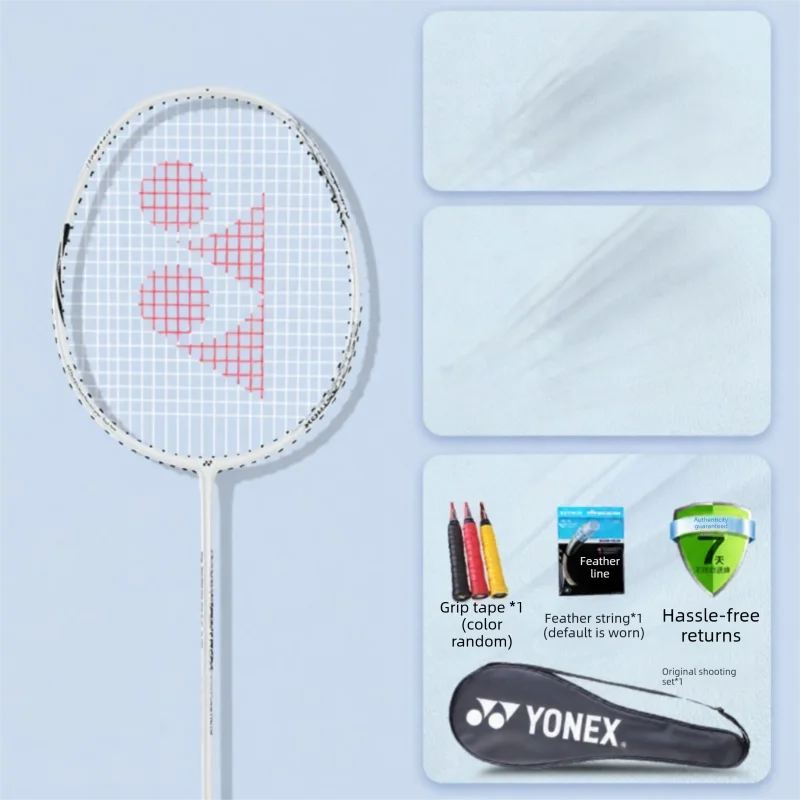
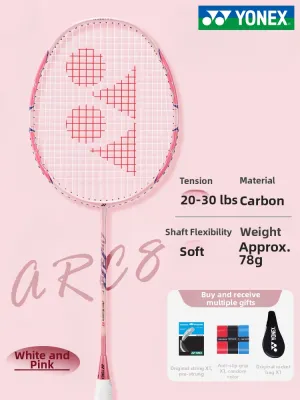
Prices are valid at publication and may change. Please refer to the product page for the latest price.
Brand Identities: The Design Philosophy Behind Yonex, Victor, and Li-Ning
To truly appreciate how a racket performs in your hand, it helps to understand the engineering heritage and design priorities of the company that built it. Each brand has spent decades refining its manufacturing processes to appeal to different aspects of the game.
Yonex: Precision, Consistency, and Material Innovation
Yonex has long been established as the benchmark for technical precision in badminton. The Japanese brand’s philosophy centers on meticulous quality control and pioneering material science. One of their most enduring contributions is the isometric head shape, a design they popularized to expand the sweet spot of the racket compared to traditional oval frames.
In terms of feel, Yonex rackets are engineered to deliver highly consistent flex patterns and precise feedback. They utilize advanced graphite composites and proprietary resin systems to minimize frame twisting during high-speed swings. This focus on structural predictability means that when you execute a technically sound stroke, the racket rewards you with highly reliable shuttle placement.
This design philosophy appeals heavily to tactical players who rely on exact angles, tight net drops, and consistent clears to wear down their opponents. Popular product families within this brand, such as the Astrox, Nanoflare, and Arcsaber series, showcase how Yonex tailors its precise engineering to different balance preferences while maintaining a signature crisp feel.
Victor: Agility, Speed, and Shuttle Control
Hailing from Taiwan, Victor has built its reputation on rapid responsiveness and aerodynamic efficiency. Victor’s design philosophy is tailored heavily toward the modern, fast-paced doubles game, where split-second reactions at the net and quick drive exchanges dominate the rally.
To achieve this extreme maneuverability, Victor focuses heavily on reducing air resistance. Their engineering teams design highly streamlined frame profiles, such as sword-shaped or diamond-cut rims, which slice through the air with minimal drag. Additionally, Victor incorporates specialized shaft technologies designed to snap back into position incredibly quickly after a swing.
This rapid recovery allows you to prepare for the next shot faster, making Victor rackets highly favored by front-court playmakers and defensive specialists who must constantly react to high-speed smashes. Their prominent series, including the Thruster, Auraspeed, and DriveX, reflect this dedication to speed, agility, and rapid counter-attacking capability.
Li-Ning: Raw Power, Stability, and Bold Aesthetics
Li-Ning, representing the powerhouse of Chinese badminton engineering, approaches racket design with an emphasis on structural robustness, high-tension capacity, and maximum power transfer. Their rackets are built to withstand the extreme forces of modern, aggressive play styles without sacrificing structural integrity.
Li-Ning frames often feature thicker, more substantial cross-sections and highly reinforced carbon fiber layups. This heavy-duty construction allows their power-focused rackets to carry more momentum through the hitting zone, translating your physical swing energy into explosive shuttle speed. This structural strength also enables exceptionally high string tension limits, which advanced players use to maximize control and crispness.
Complementing this robust engineering, Li-Ning is known for bold, vibrant, and artistic cosmetic designs, offering a commanding visual presence on the court. Their core lineup, which includes the Axforce, Tectonic, and Halbertec series, highlights this focus on raw power, stability, and eye-catching aesthetics.
Technical Showdown: Comparing Shaft, Balance, and Frame Specs
While brand philosophies provide an excellent conceptual guide, choosing the right racket requires an objective look at technical specifications. Comparing how each brand tunes its shafts, distributes weight, and shapes its frames will help you understand how a racket will behave during play.

Shaft Stiffness and Flex Response
Shaft stiffness is a critical factor that dictates how energy is transferred from your arm to the shuttle. A stiffer shaft offers superior control and immediate energy transfer but requires excellent wrist technique and fast swing speeds to flex properly. A more flexible shaft acts like a spring, providing effortless power and depth on clears, which is highly beneficial for beginners and intermediate players.
The three brands tune their shafts to produce distinct sensations on impact:
- Yonex shafts are widely recognized for their crisp, immediate recovery. They utilize highly elastic carbon materials that flex and snap back with minimal lag, providing a direct and informative feedback loop to your hand.
- Victor shafts are engineered for a whippy, fast snap. They are designed to assist players in generating quick power with shorter swing arcs, which is ideal for rapid drive exchanges and quick wrist flicks.
- Li-Ning shafts typically offer a solid, highly dampened feel. They are engineered to absorb harsh vibrations upon impact, resulting in a smooth, comfortable sensation that reduces fatigue during long, heavy-hitting sessions.
Always verify the stiffness rating on the racket cone or official manufacturer specification sheet before purchasing, as actual feel can vary based on the specific model series.
Balance Point and Weight Distribution
A racket’s balance point is measured in millimeters from the bottom of the handle to the point where the racket balances perfectly. This measurement determines whether a racket is head-heavy, even-balanced, or head-light, directly impacting how heavy the racket feels during a swing (swing weight) versus when it is static.
Each brand structures its product lines to cater to these balance preferences:
- Head-Heavy (typically >295mm): Li-Ning's power-oriented series are famous for pushing weight toward the top of the frame. This design maximizes the centrifugal force during a smash, helping you generate heavy downward momentum. Yonex also offers highly popular head-heavy series designed for back-court power.
- Even-Balanced (typically 285mm to 295mm): Yonex excels in creating highly calibrated even-balanced rackets. These models offer a versatile blend of swing speed and power, making them the gold standard for all-around singles play where you must transition seamlessly between offense and defense.
- Head-Light (typically <285mm): Victor's speed lines frequently push the balance point closer to the handle. This reduces the swing weight, allowing for incredibly fast defensive blocks, quick recovery at the net, and effortless maneuverability in tight spaces.
Frame Geometry and Aerodynamics
The physical shape of the racket head determines both its aerodynamic drag and the size of its sweet spot—the area on the string bed that yields the most powerful and controlled shots.
- Aerodynamic Frames: Victor heavily utilizes advanced aerodynamic frame shapes, such as their signature sword-profile frames. These designs feature sharp, tapered edges that slice through the air, significantly increasing your swing speed. This is highly beneficial for fast-paced doubles but can slightly reduce the structural stability of the frame during off-center hits.
- Boxed and Hybrid Frames: Li-Ning and Yonex frequently employ boxed or hybrid frame shapes, especially in their power and control lines. A boxed frame profile is highly rigid and resists twisting, ensuring that the racket face remains perfectly square to the shuttle on impact. This design expands the sweet spot and increases control, though it generates slightly more wind resistance.
When selecting a frame geometry, match the shape to your technical consistency. If you rarely miss the center of the string bed and prioritize raw swing speed, an aerodynamic, compact frame is highly effective. If you require maximum forgiveness and stability on off-center hits, a more traditional, boxed isometric frame is the safer choice.
Playstyle Match: Aligning Brand Strengths with Your Court Strategy
To finalize your decision, you must translate these technical specifications into practical court scenarios. Finding a racket that complements your specific role and strategy on the court will directly improve your performance and enjoyment of the game.
The Aggressive Back-Court Smasher
If your primary strategy is to dominate rallies from the rear court with powerful smashes and heavy clears, you need a racket that maximizes kinetic energy transfer.
- Racket Profile: Look for a head-heavy balance point (above 295mm) combined with a stiff or extra-stiff shaft. This setup ensures that the frame does not lag during a high-speed swing, delivering maximum force to the shuttle.
- Brand Alignment: Li-Ning's power-focused series are outstanding candidates here, as their robust frame construction and head-heavy weight distribution are specifically engineered to handle the high stress of aggressive smashing. Alternatively, Yonex's flagship head-heavy lines offer exceptional precision and explosive power for players with advanced wrist technique.
The Fast-Paced Doubles Front-Court Player
If you play primarily doubles and find yourself dominating the net, intercepting drives, and setting up opportunities for your partner, speed and maneuverability are your highest priorities.
- Racket Profile: Seek a head-light or slightly even-balanced racket with a highly aerodynamic frame and a medium-to-stiff shaft that offers rapid recovery.
- Brand Alignment: Victor's speed-focused series are the premier choice for this playstyle. Their low wind resistance and fast shaft snap allow you to react instantly to fast drives and make quick, deceptive net touches. Yonex's lightweight, head-light models also provide excellent alternatives, offering a crisp feel and precise control for tight net play.
The All-Around Singles Rally Player
If you play singles or prefer a methodical, all-around style where you control the pace of the game with deep clears, precise drop shots, and consistent defensive blocks, you need versatility.
- Racket Profile: An even-balanced racket with a medium-stiff shaft and a standard isometric frame shape offers the ideal balance of power, control, and maneuverability.
- Brand Alignment: Yonex is the industry leader in this category, with control-oriented lines that provide unparalleled feel and placement accuracy. Victor's versatile, all-around series also offer excellent balance, giving you enough speed for defense and sufficient weight for offensive clears.
Choosing Beyond the Labels
While these profiles serve as highly effective guidelines, you should never feel completely locked into a single brand or playstyle category. For example, a front-court doubles player might still prefer a slightly head-heavy Yonex model if the exact weight distribution, grip size, and overall feel in their hand feel more comfortable. Personal comfort, physical strength, and injury history should always take precedence over generic playstyle recommendations.
Pre-Purchase Checklist: Verifying Fit and Authenticity
Once you have identified the brand and model type that aligns with your playstyle, you must perform several practical checks to ensure your chosen racket is a genuine, high-performing product that fits your physical needs.
- Grip Size and Weight Category: Rackets are categorized by weight (using the "U" system, where 3U is typically 85–89g and 4U is 80–84g) and grip size (using the "G" system, where G5 and G6 are highly popular in Singapore for smaller hands). Ensure you match these specifications to your physical comfort. A racket that is too heavy can cause shoulder fatigue, while an incorrect grip size can lead to wrist strain.
- String Tension Limits: Every racket shaft has the manufacturer's recommended string tension limits printed on it (e.g., 20–28 lbs). Exceeding these limits can cause the frame to warp or crack under stress, which immediately voids the manufacturer's warranty. If you play in Singapore's highly humid climate, string tension can drop slightly faster; however, you should still stay within the approved safety margins of the frame.
- Authenticity and Authorized Retailers: The popularity of Yonex, Victor, and Li-Ning has led to a significant market for counterfeit rackets. To ensure you are purchasing a genuine product, only buy from authorized physical sports retailers in Singapore (such as established shops in Queensway Shopping Centre or Bras Basah Complex) or official brand flagship stores on reputable online marketplaces. Always inspect the racket cone for official holographic authenticity stickers, laser-engraved serial numbers, and clean, high-quality paint finishes.
Frequently Asked Questions (FAQ)
Can I use a Yonex racket for doubles if I prefer Li-Ning for singles?
Yes, you can absolutely mix brands based on the format of the game. Your choice should be dictated by the specific racket’s weight, balance, and shaft stiffness rather than the brand logo. Singles play often demands heavier, head-heavy rackets for deep clears and power, while doubles requires lighter, faster-swinging rackets for quick drive exchanges.
Do these brands offer specific rackets for beginner versus advanced players?
Yes, all three brands manufacture rackets tailored to every skill level. Beginners should look for rackets with flexible shafts and lighter weights (such as 4U or 5U) across any brand’s entry-level or game-improvement series, as these are highly forgiving. Advanced players will benefit more from the stiffer, heavier flagship models that reward precise technique.
How does string tension recommendation vary between these three brands?
Maximum string tension limits are determined by the specific model’s frame design and carbon fiber quality, not by the brand as a whole. While Li-Ning is highly regarded for high-tension tolerance across many of its lines, you must always check the exact tension range printed on the racket shaft or official spec sheet, and consult a professional stringer to avoid damaging the frame.
Community discussion
Share your experience or ask a question. Comments are reviewed before publication.