
When choosing between Yuke goggles and established brands like Speedo and Arena, swimmers in Singapore must balance budget considerations against proven manufacturing standards and specialized designs. While Speedo and Arena are household names in competitive swimming, Yuke has gained traction on online marketplaces as a highly accessible alternative. Because independent, standardized performance data comparing these brands is limited, making the right choice requires a clear understanding of how to evaluate physical specifications, verify lens coatings, and perform individual fit tests.
Singapore’s year-round tropical climate means outdoor swimming is incredibly popular, making factors like UV protection, anti-fog durability, and chlorine resistance critical for any goggle purchase. A higher price tag does not automatically guarantee a leak-free experience, as the effectiveness of any swim goggle depends heavily on how well the gasket shape matches your unique facial structure. By focusing on verifiable product details and proper maintenance, you can find a pair of goggles that keeps your vision clear and your eyes comfortable during every lap.
Brand Positioning and What to Expect
Speedo and Arena occupy the premium tier of the swim gear market, backed by decades of research, development, and partnerships with competitive athletes. These brands offer highly specialized product lines, including low-profile racing goggles, wide-view open-water masks, and advanced training models. Their manufacturing processes utilize high-grade silicone compounds and specialized lens treatments designed to withstand rigorous daily training schedules.
Products mentioned in this guide
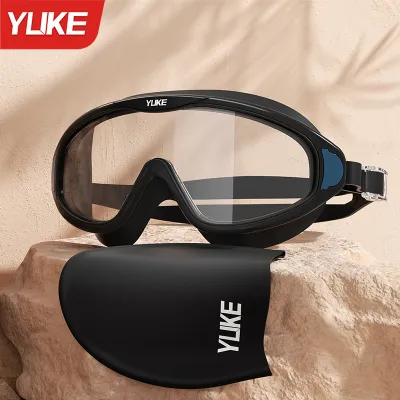
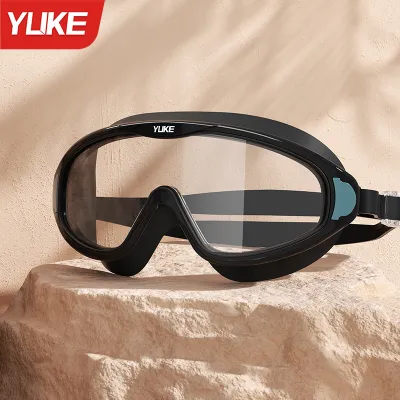
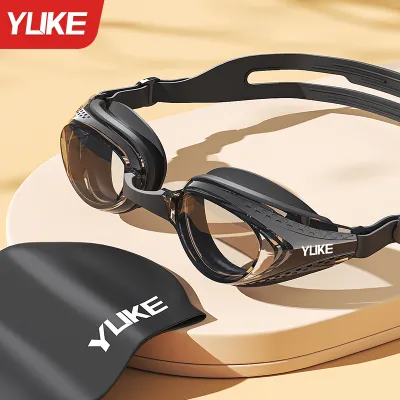
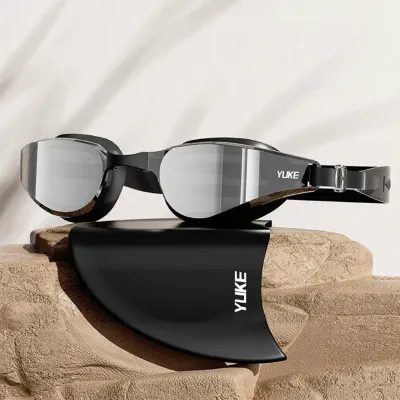
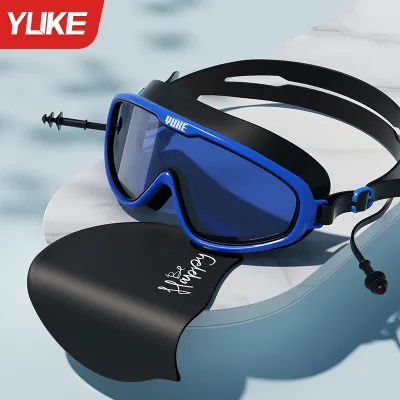
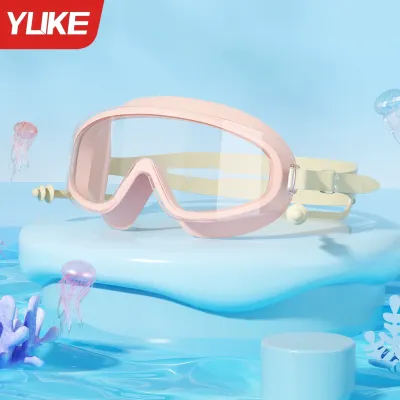
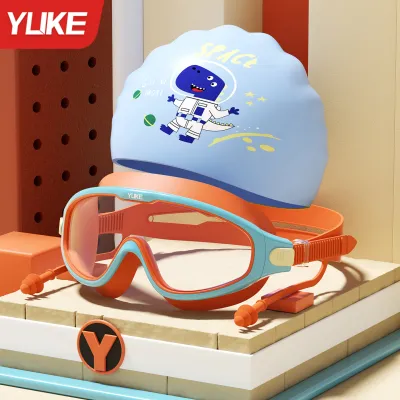
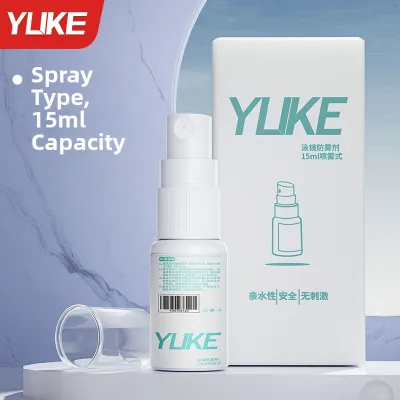
Prices are valid at publication and may change. Please refer to the product page for the latest price.
In contrast, Yuke positions itself as a budget-friendly alternative, focusing primarily on recreational swimmers, casual fitness enthusiasts, and families. Rather than targeting competitive racing performance, Yuke goggles aim to provide reliable, basic functionality for casual lap swimming and leisure activities. This makes them highly attractive for swimmers who want to minimize their initial S$ investment or need a secondary pair of goggles for occasional use.
Understanding these distinct market roles helps set realistic expectations regarding material longevity and specialized features. While a premium brand offers specialized designs for competitive racing, a budget-friendly brand like Yuke provides a practical solution for general fitness swimming. Ultimately, the best brand is the one that aligns with your swimming frequency and fits your face securely without causing discomfort.
Core Comparison Dimensions for Swim Goggles
To compare different goggle models objectively, you should look closely at the physical specifications listed on the product packaging or official manufacturer sheets. Key components to evaluate include the lens material, the gasket composition, the nose bridge design, and the strap adjustment mechanism. Polycarbonate is the industry standard for lenses due to its impact resistance and inherent UV-blocking properties, but the quality of the optical molding can vary between price points.

The gasket, which creates the seal around your eyes, is typically made of silicone or thermoplastic rubber (TPR). High-grade liquid silicone offers superior flexibility and comfort, conforming easily to facial contours and resisting degradation from pool chemicals. Additionally, look for models that feature interchangeable nose bridges of varying sizes, as a customizable nose bridge is essential for achieving a proper seal and preventing leaks near the inner corners of your eyes.
The following matrix outlines the typical specifications you should verify when comparing premium brands like Speedo and Arena against budget-friendly options like Yuke:
| Feature | Premium Brands (Speedo / Arena) | Budget Brands (Yuke) | What to Verify |
|---|---|---|---|
| Lens Options | Wide range of mirrored, polarized, and photochromic options | Standard clear, tinted, and basic mirrored options | Check packaging for specific light transmission ratings |
| Gasket Materials | Liquid silicone, specialized hypoallergenic compounds | Standard silicone or thermoplastic rubber (TPR) | Inspect the softness and flexibility of the seal |
| Nose Bridge | Multiple interchangeable nose bridges or adjustable straps | Fixed flexible nose bridges or limited interchangeable options | Verify if alternative nose pieces are included in the box |
| Strap Systems | Dual silicone straps with tension scales or quick-adjust buckles | Single or split silicone straps with standard side clips | Check the ease of adjustment while wearing the goggles |
Assessing Fit, Seal, and Comfort
Because facial structures vary widely, physical fit is the single most important factor in determining whether a pair of goggles will leak. You can easily test the fit of any goggle model using the “suction test” before adjusting the straps. To perform this test, press the goggle lenses firmly against your eye sockets without putting the strap over your head, then release your hands.
A well-fitting pair of goggles should create a temporary vacuum seal and remain in place on your face for a few seconds. If the goggles fall off immediately, it indicates that air is leaking past the gasket, meaning water will inevitably enter the goggles while you swim. Pay close attention to any pressure points, particularly on the bridge of your nose or the outer edges of your eye sockets, as minor discomfort can turn into painful pressure during a long swim session.
The gasket material plays a major role in long-term comfort and skin sensitivity. Soft, high-quality silicone gaskets distribute pressure more evenly and are less likely to cause skin irritation or leave deep, lasting red marks around your eyes. When adjusting the strap, remember that the strap’s purpose is simply to keep the goggles in position, not to pull them tightly against your face; over-tightening is a common cause of headaches and premature gasket wear.
Lens Clarity, Tint, and Coating Verification
Selecting the right lens tint is crucial for maintaining clear visibility in Singapore’s diverse swimming environments. For outdoor pools exposed to bright sunlight, mirrored or dark-tinted lenses are highly recommended to reduce glare and eye strain. If you primarily swim in indoor facilities or during evening hours at public sports complexes, clear or light-colored lenses will provide the best visibility and contrast.
When evaluating lens quality, look for explicit manufacturer labels regarding UV protection and anti-fog coatings. While polycarbonate lenses naturally block some ultraviolet light, outdoor swimmers should verify that the goggles offer a certified UV protection rating to shield their eyes from intense solar radiation. Be aware that mirrored coatings reduce glare but do not automatically guarantee UV protection unless the lens material itself has been treated.
Anti-fog coatings are applied to the inside of almost all modern swim goggles, but these chemical layers are temporary by nature. Over time, exposure to pool water, sweat, and friction will cause the anti-fog coating to degrade, leading to condensation during your swim. To verify the quality of the anti-fog treatment, check user feedback regarding how long the coating remains effective, and be prepared to use aftermarket anti-fog sprays or gentle cleaning solutions once the original coating wears off.
Evaluating Durability and Maintenance Requirements
The lifespan of your swimming goggles is heavily influenced by how well they resist environmental factors and how they are maintained after each use. Singapore’s chlorinated public pools and salty coastal waters can accelerate the degradation of silicone gaskets and elastic straps. Chlorine is a strong oxidizing agent that can cause low-quality silicone to become brittle, sticky, or prone to tearing over time.
Before purchasing, inspect the physical build quality of the goggles, paying close attention to the elasticity of the straps and the sturdiness of the adjustment buckles. The connection points where the strap meets the goggle frame should be robust and smooth, without any sharp plastic edges that could cut into the silicone. A high-quality adjustment mechanism allows you to secure the strap easily and prevents it from slipping during active swimming.
To maximize the durability of your goggles, establish a consistent post-swim maintenance routine. Always rinse your goggles in cool, fresh tap water immediately after leaving the pool to remove residual chlorine, salt, and organic matter. Allow them to air-dry completely in a shaded, well-ventilated area, keeping them away from direct sunlight, which can warp the silicone and damage the lens coatings. Never touch or wipe the inside of the lenses, as even a soft microfiber cloth can scratch the delicate anti-fog layer.
Assessing Value and Verifying Authenticity
When deciding how much to invest in a pair of goggles, consider your swimming frequency and personal goals. If you swim multiple times a week or participate in competitive training, investing in a premium pair of Speedo or Arena goggles can offer better long-term value due to their durable materials and specialized designs. For casual swimmers, recreational pool visits, or families, a budget-friendly pair of Yuke goggles provides excellent value by delivering essential functionality at a lower S$ price point.
Because both premium and budget swim gear are widely available on online marketplaces, verifying the authenticity of your purchase is essential. When shopping online, always look for official brand stores or authorized distributors to ensure you are receiving genuine products. Check the seller’s rating, read detailed customer reviews, and look for photos of the actual packaging to verify the product’s legitimacy.
Be alert to common red flags that suggest counterfeit swim gear, particularly when browsing premium brands. These red flags include unusually low prices that seem too good to be true, poor print quality on the packaging, missing holographic security labels, or the absence of official manufacturer instruction booklets. Purchasing from reputable retail channels protects you from substandard materials that may leak, degrade rapidly, or fail to provide adequate UV protection.
Decision Framework: Choosing the Right Goggles
To make your final decision, evaluate your specific swimming habits, environmental conditions, and comfort requirements. Choose Speedo or Arena if you require specialized competitive features, low-profile hydrodynamic designs for racing, or verified optical clarity for structured training sessions. These brands are ideal for swimmers who prioritize advanced material durability and are willing to make a higher S$ investment for long-term performance.
Choose Yuke if you are looking for a highly cost-effective solution for recreational fitness, casual lap swimming, or a reliable backup pair of goggles for travel. Yuke goggles are well-suited for swimmers who do not need specialized racing technology but still want comfortable, functional gear for leisure use.
If you have highly sensitive skin, severe silicone allergies, or a unique facial structure that standard goggles cannot accommodate, neither option may provide a perfect fit. In these situations, consider exploring specialized custom-fit goggles or traditional foam-gasket alternatives that offer different sealing mechanisms. Regardless of the brand you choose, always verify the seller’s credentials and cross-reference the model numbers with official brand catalogs to ensure a safe and satisfactory purchase.
Frequently Asked Questions (FAQ)
How can I tell if my Yuke goggles are authentic?
To verify the authenticity of Yuke goggles, inspect the packaging for clean, high-quality printing, clear brand logos, and included manufacturer instruction cards. Genuine goggles will feature smooth silicone gaskets, highly elastic straps, and clear lenses free of physical defects or scratches. To ensure you are buying an authentic product, purchase directly from official brand stores or highly rated, verified sellers on reputable online marketplaces.
Do budget goggles offer the same UV protection as premium brands?
Yes, budget goggles can offer effective UV protection because ultraviolet blockage is primarily a property of the polycarbonate lens material itself rather than an expensive premium coating. However, you should never assume a pair of goggles has UV protection based on price or lens tint alone. Always check the product packaging or official specification sheets for an explicit UV protection rating, such as UV400, to ensure your eyes are fully shielded from solar radiation.
How often should I replace my swimming goggles?
The frequency of replacement depends on your usage volume, maintenance habits, and the initial quality of the materials. As a general guideline, you should replace your goggles when you observe persistent leaking that cannot be resolved by adjusting the straps, or when the silicone gaskets become brittle, sticky, or cracked. Additionally, if the lenses become heavily scratched or the anti-fog coating degrades to the point where visibility is severely compromised, it is time to invest in a new pair.

Community discussion
Share your experience or ask a question. Comments are reviewed before publication.