
Staying hydrated during intense workouts or outdoor adventures requires a water bottle that can withstand challenging environmental conditions. In tropical climates like Singapore, where high humidity and warm temperatures are the norm, keeping your water cold is not just a matter of comfort, but also of performance. When evaluating how Zoku compares to other sports water bottle brands for insulation performance, the answer lies in understanding the specific engineering choices behind each model. Rather than relying solely on brand reputation, smart consumers look at vacuum construction, lid design, and material quality to determine which bottle will keep their drinks cold during a run along East Coast Park or a session at the gym.
While Zoku is widely recognized for its sleek designs and lifestyle-oriented hydration products, its sports-focused models compete directly with established outdoor brands. To make an informed decision, you must evaluate how these bottles perform under real-world conditions, such as being left in a warm car or carried on a long hike. This guide breaks down the physical principles of bottle insulation, analyzes Zoku’s design features, and compares them with industry alternatives to help you choose the ideal hydration companion for your active lifestyle.
Key Factors in Sports Bottle Insulation Performance
To understand how any sports water bottle performs, you must first look at the physics of thermal retention. The primary technology used in modern insulated bottles is double-wall vacuum insulation. This construction involves two layers of stainless steel with a vacuum sealed between them. Because a vacuum contains no air molecules, it prevents heat transfer by conduction and convection, leaving radiation as the only method for heat to enter or escape. The quality of this vacuum seal is the single most important factor in keeping your ice water cold or your recovery drink cool.
Products mentioned in this guide
![Zoku 18oz Stainless Steel Powder Coated Double-Walled Thermal Bottle [Gizmo Hub]](https://img.lazcdn.com/g/p/cc5c77ce9fa17b15473e35c5ee7f3004.jpg_400x400q80.jpg_.webp)
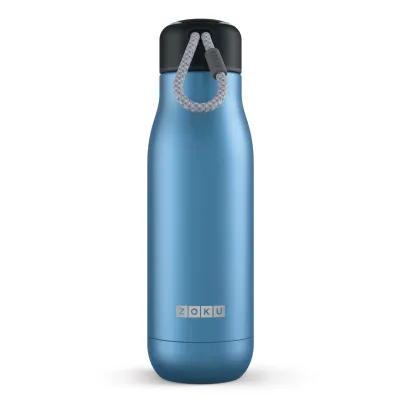
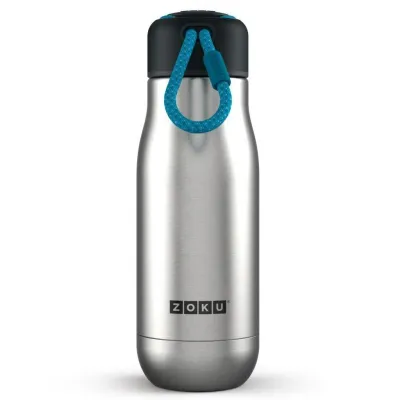
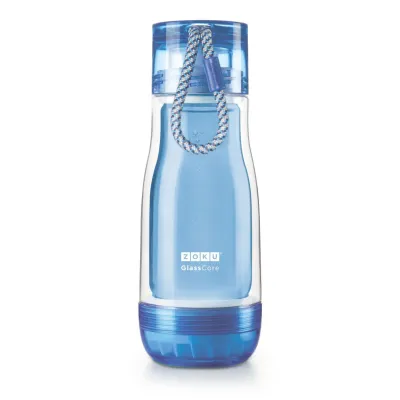
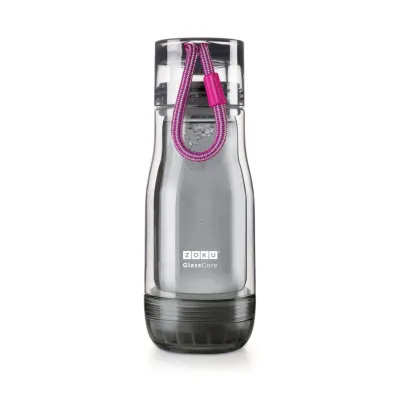
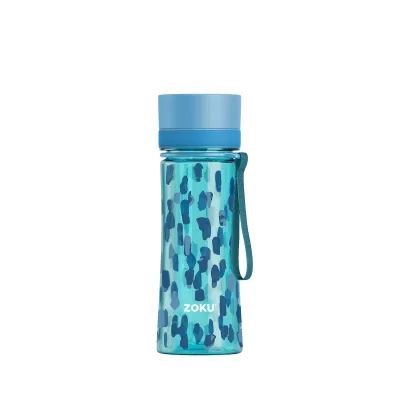
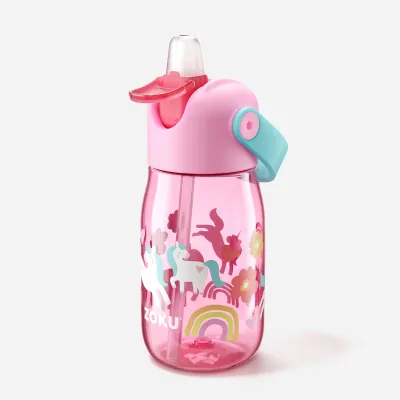
Prices are valid at publication and may change. Please refer to the product page for the latest price.
However, the stainless steel body is only part of the equation, as a significant amount of thermal transfer occurs through the bottle’s opening. The lid sealing mechanism plays a critical role in maintaining internal temperatures. Lids made of thin, uninsulated plastic allow heat to pass through much faster than the vacuum-insulated body. Premium sports bottles often feature insulated lids or thick silicone gaskets that create an airtight barrier, minimizing thermal bridging where the lid meets the steel collar.
Additionally, physical dimensions such as material thickness, overall capacity, and surface-area-to-volume ratios influence how long a liquid stays cold. A larger bottle holding one liter of water has more thermal mass and will naturally retain its temperature longer than a smaller 500-milliliter bottle of the same design. Thicker steel walls provide better structural integrity to protect the vacuum seal from drops, but they also add weight to your gear. Understanding these physical trade-offs is essential when comparing different brands and models.
Evaluating Zoku Water Bottles for Temperature Retention
Zoku approaches sports hydration with a focus on clean aesthetics and functional design. Most of their insulated sports bottles utilize food-grade double-wall stainless steel, designed to prevent external condensation even in high-humidity environments. When evaluating a Zoku bottle, you should inspect the specific drinking spout design. Models featuring narrow mouth openings or secure screw-down caps generally retain temperature better than those with wide openings, as they limit the volume of warm air that enters the bottle during use.

To gauge the expected performance of a Zoku bottle, always check the manufacturer’s official product label for rated hot and cold retention limits. These ratings are typically determined under controlled laboratory conditions, so you should treat them as maximum potential performance. For daily use in warm climates, look for models that explicitly specify their cold retention capabilities, and verify whether those ratings align with the duration of your typical outdoor activities or workdays.
Choosing a Zoku bottle also involves weighing specific design trade-offs. While their robust construction helps prevent dents that could ruin the vacuum seal, it can make the bottle heavier than non-insulated plastic alternatives. Additionally, while the exterior powder-coated finishes offer an excellent grip for sweaty hands during workouts, you must verify if the bottle’s diameter and carrying loop configurations match your portability needs, especially if you plan to carry it on long runs or bike rides.
Zoku vs. Competing Sports Brands: Feature Comparison
When comparing Zoku to other prominent sports bottle brands, a structured evaluation across key design dimensions is more useful than relying on brand popularity. While most premium brands utilize similar double-wall vacuum technology, they differ significantly in lid versatility and exterior durability. For example, some brands specialize in heavy-duty powder coatings designed to withstand rough outdoor use, while others focus on lightweight designs optimized for running. You should compare the thickness of the steel and the style of the exterior finish to ensure the bottle matches your typical workout environment.
Lid design is another critical point of comparison. Sports bottles generally offer three main lid styles: straw lids for quick sipping, chug lids for high-flow hydration, and classic screw caps for maximum thermal efficiency. While straw lids are highly convenient for cycling or gym workouts, they often feature more moving parts and silicone seals, which can slightly reduce overall insulation performance compared to a solid, insulated screw cap. When comparing Zoku to competitors, look at whether the brand offers interchangeable lids so you can swap between a sports cap for workouts and a leakproof loop cap for travel.
Ease of cleaning is a vital but often overlooked factor, particularly in warm, humid regions where mold can quickly develop in damp crevices. Examine the design of the silicone gaskets and lid mechanisms of each brand. Bottles with complex, non-removable straw parts are much harder to sanitize than those with simple, removable gaskets. Always check the manufacturer’s instructions regarding dishwasher safety; while some brands allow dishwasher cleaning for both the bottle and lid, many require hand-washing the vacuum-insulated body to prevent high heat from damaging the vacuum seal.
Matching the Bottle to Your Workout or Outdoor Activity
The ideal sports water bottle depends entirely on your specific activity and hydration habits. If your routine consists of gym workouts, indoor fitness classes, or urban commutes, a Zoku bottle with a convenient one-handed lid mechanism or a sleek, compact form factor is highly suitable. These designs allow you to take quick sips between sets without interrupting your rhythm, and they fit easily into standard gym bags or tote pockets.
For more demanding outdoor activities, such as long-distance trail running, mountain biking, or all-day hiking, you may need to look at alternative brands that offer specialized features. For instance, if you are a cyclist, you must verify the outer diameter of the bottle to ensure it fits securely into a standard bicycle bottle cage, as some lifestyle-oriented insulated bottles are too wide or too heavy for secure cage mounting. Similarly, if your activities expose your gear to rough terrain, look for bottles with protective silicone boots or heavy-duty carrying loops that can be clipped to a backpack with a carabiner.
Before making a purchase, perform a few practical checks to ensure the bottle fits seamlessly into your daily routine. Measure the side pockets of your favorite backpack, the cup holders in your vehicle, and even the clearance space under your water dispenser or refrigerator ice chute. A bottle that is too tall to fill easily or too wide to fit in your car’s console will quickly become a hassle to use, regardless of how well it retains temperature.
Care and Maintenance to Preserve Insulation
To ensure your insulated water bottle continues to perform optimally, proper care and maintenance are essential. Always wash your bottle using mild dish soap and warm water, avoiding abrasive scrubbers or harsh chemicals like bleach, which can degrade the stainless steel interior and damage the exterior finish. If your bottle has a powder-coated exterior, hand-washing is generally recommended to preserve the texture and color over years of use.
Regularly inspect the silicone gaskets inside the lid to maintain a leakproof and airtight seal. Over time, these gaskets can stretch, wear down, or accumulate residue, which compromises the bottle’s insulation and can lead to leaks. Many manufacturers sell replacement gaskets or lid assemblies, allowing you to extend the lifespan of your bottle without needing to replace the entire stainless steel body. Ensure you remove and clean these gaskets thoroughly during your weekly wash to prevent mold buildup.
Finally, handle your bottle with care to protect its vacuum seal. A severe drop onto a hard surface can cause an invisible micro-crack in the weld or dent the outer wall until it touches the inner wall. If this happens, the vacuum is lost, and heat will transfer rapidly between the layers. If you notice that the exterior of your bottle becomes hot to the touch when filled with hot liquid, or if it begins to “sweat” condensation when filled with ice water, the vacuum seal has likely failed, and it may be time to consult the manufacturer or replace the bottle.
Frequently Asked Questions (FAQ)
Does a sports bottle's lid type affect its insulation performance?
Yes, the design of the lid has a direct impact on how long your drink stays at its desired temperature. Solid screw caps generally offer the most effective insulation because they contain fewer seams and can be filled with insulating material. In contrast, straw lids and flip-top sports caps have moving parts, air vents, and thinner plastic walls, which create thermal bridges that allow heat to enter or escape more rapidly.
How can I test if my insulated water bottle has lost its vacuum seal?
You can perform a simple, safe test at home using hot water. Fill the bottle with hot (but not boiling) water and wait a few minutes, then feel the exterior of the bottle. If the vacuum seal is intact, the outside of the bottle should remain cool to the touch. If the exterior wall feels warm or hot, it indicates that heat is transferring directly through the walls, meaning the vacuum seal has failed.
Community discussion
Share your experience or ask a question. Comments are reviewed before publication.