
Selecting the right Pilates mat thickness is a balancing act between joint protection and physical stability. A 6mm mat offers the firm ground feedback required for standing balances and precise footwork, while a 10mm mat provides maximum cushioning for sensitive knees and spinal rolling exercises. An 8mm mat serves as a versatile middle ground for mixed routines. Because material density, weight, and surface texture vary significantly across fitness brands, your final choice should be based on your specific exercise style, joint health, and the manufacturer’s specifications for support and grip. In Singapore’s humid climate, factors like moisture resistance and portability for MRT commutes also play a crucial role in finding the right mat.
Understanding the Core Trade-Off: Stability vs. Cushioning
The fundamental relationship between mat thickness, balance, and joint protection dictates how comfortable and effective your Pilates practice will be. Thinner mats enhance ground feedback, allowing for better proprioception and balance during standing or single-leg exercises. When you can feel the solid floor beneath you, your ankles and feet can make micro-adjustments easily, which stabilizes your entire posture.
Conversely, thicker mats absorb impact, protecting the spine, knees, and wrists during floor-based articulation and kneeling movements. Exercises like rolling exercises require substantial spinal cushioning to prevent bruising against hard floors. Without adequate thickness, the pressure on your spinous processes can cause discomfort and disrupt the flow of your movement.
Products mentioned in this guide
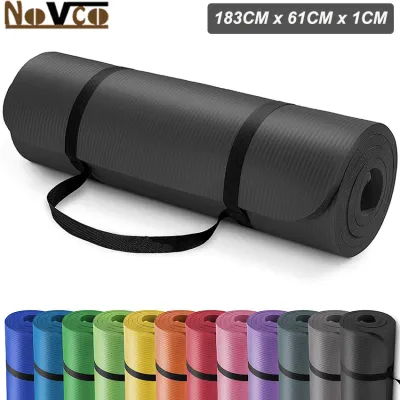
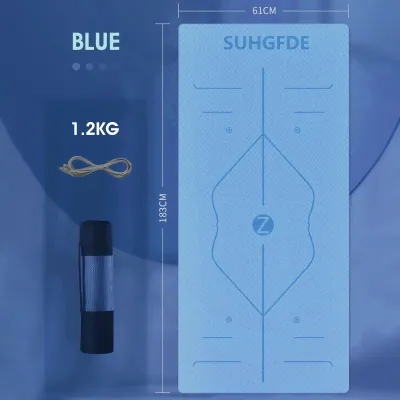
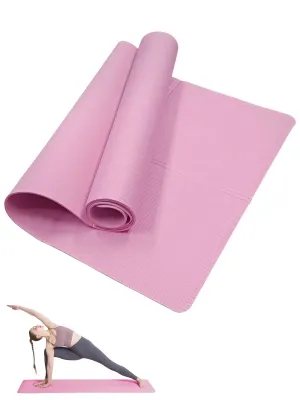
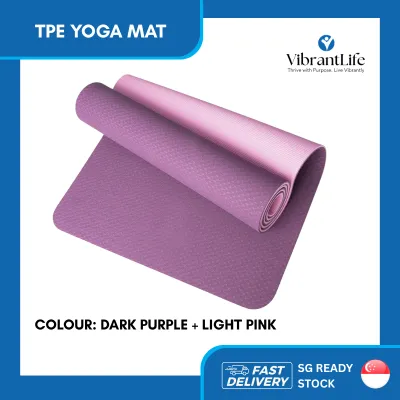
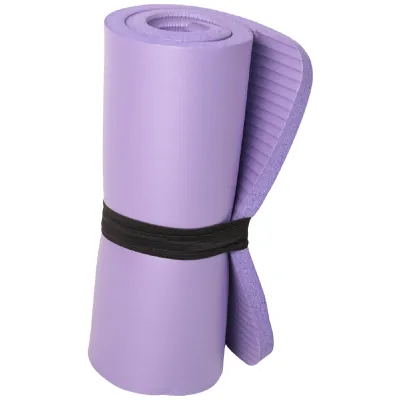
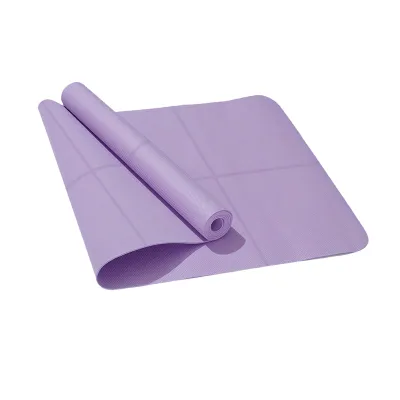
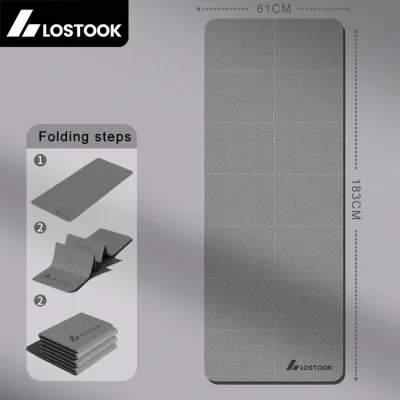
Prices are valid at publication and may change. Please refer to the product page for the latest price.
When performing advanced Pilates movements that require high levels of control, such as the Teaser or the Control Balance, the interaction between your body and the mat becomes critical. A mat that is too soft can cause your pelvis to tilt unexpectedly, throwing off your alignment and potentially straining your lower back. Conversely, a mat that is too hard can cause you to rush through movements to avoid discomfort, compromising your form. Finding the right balance ensures you can execute each movement with precision and control.
However, thickness alone does not determine support; material density works alongside thickness. A highly dense 6mm mat made of natural rubber may feel firmer and more supportive than a low-density 8mm or 10mm mat made of cheap foam. Low-density mats tend to bottom out, meaning they compress completely under your weight, leaving your joints pressing directly against the hard floor. Therefore, evaluating both thickness and density is essential when selecting your equipment.
6mm Pilates Mats: Prioritizing Stability and Ground Feedback
A 6mm Pilates mat is highly suited for practitioners who prioritize stability, balance, and portability. This thickness is well-suited for routines heavily focused on standing balances, precise footwork, and fast transitions between movements. It allows you to maintain a solid connection with the floor, reducing the wobbling that often occurs on thicker, squishier surfaces.

When shopping for a 6mm mat, check the brand specifications for high-density materials like natural rubber or heavy-duty polyurethane. These materials ensure the mat provides adequate joint protection despite its thinner profile. A dense 6mm mat can offer surprising comfort for your wrists and knees because it resists compression, keeping your joints elevated off the hard floor.
For those who attend studio classes regularly, a 6mm mat is often the most practical choice. It rolls up tightly and fits easily into standard carrying bags, making it convenient to carry on public transport or store in a locker. Many high-quality 6mm mats are designed to withstand heavy daily use, offering a durable surface that does not stretch or tear when you transition between poses. This durability makes them a favorite among instructors and dedicated practitioners alike.
The primary limitation of a 6mm mat is potential discomfort during prolonged kneeling or spinal rolling exercises, especially on hard surfaces like concrete, tile, or polished timber. If you frequently practice classical Pilates sequences that involve rolling on your back, a 6mm mat may feel too sparse. Additionally, if you have sensitive joints or pre-existing knee issues, you might find yourself needing to fold the mat over or place a towel underneath for extra cushioning during kneeling postures.
8mm Pilates Mats: Balancing Comfort and Control
An 8mm Pilates mat offers a versatile middle ground for general practice, successfully bridging the gap between thin stability mats and thick cushion mats. This thickness is highly suitable for standard Mat Pilates routines that combine floor work, core stabilization, and moderate balance poses. It provides a balanced platform that supports your spine during rolling exercises while remaining stable enough for basic standing work.
With an 8mm mat, you receive noticeable joint relief and comfort without severely compromising the stability needed for controlled movements. The extra two millimeters of thickness compared to a standard 6mm mat provide just enough buffer to soften the impact on your hip bones and tailbone during side-lying and seated exercises. This makes it an excellent choice for home workouts where you might be practicing on hard tiled floors or laminate wood.
The 8mm thickness is also highly suitable for those who practice a hybrid of Pilates and light yoga. While a dedicated yoga mat is thinner, an 8mm mat can still accommodate basic yoga flows if the material is dense enough to prevent excessive sinking. This dual-purpose capability makes it a cost-effective option for home fitness enthusiasts who want a single mat that can handle a variety of low-impact workouts without taking up too much storage space in smaller living areas.
When choosing an 8mm mat, verify the mat’s surface texture and material composition in the brand descriptions to ensure adequate grip. In warm, humid environments like Singapore, sweat can quickly turn a smooth mat into a slipping hazard. Look for textured surfaces or open-cell structures that maintain traction even when damp, ensuring your hands and feet stay securely in place during planks and lunges.
10mm Pilates Mats: Maximum Cushioning for Joint Protection
A 10mm Pilates mat is designed for maximum cushioning, making it the preferred choice for individuals who require significant joint protection. This thickness is highly effective for rolling exercises, prolonged kneeling, and users with knee, wrist, or spinal sensitivities who need extra shock absorption. The generous padding cradles the body, allowing you to focus on core engagement rather than joint discomfort.
However, users must be aware of the stability trade-offs associated with extra-thick mats. The extra thickness can create an unstable, sinking surface that makes standing balances or precise alignment difficult. When you stand on a 10mm foam mat, your feet sink into the material, which can strain your ankles as they work harder to maintain balance. For this reason, 10mm mats are generally reserved for purely floor-based Pilates routines.
When using a 10mm mat, it is also important to consider the storage space required. These mats do not roll up as tightly as thinner options, often requiring a strap or a dedicated storage spot in your home. In smaller living spaces, such as typical apartments in Singapore, a bulky 10mm mat can be difficult to tuck away out of sight. However, for those who suffer from chronic joint pain or are recovering from an injury, the physical benefits of the extra cushioning far outweigh the minor inconvenience of storage and transport.
Portability is another critical factor to consider before purchasing a 10mm mat. Check the product’s weight and dimensions, as 10mm mats are typically heavier and bulkier to carry to and from a local studio. If you rely on public transport like the MRT to get to your Pilates class, a bulky 10mm mat can be cumbersome to transport. Many practitioners choose to keep a 10mm mat at home for dedicated floor sessions and use a thinner mat for travel.
Evaluating Thickness Across Popular Fitness Brands
When comparing Pilates mats across popular fitness brands, looking at the thickness measurement alone is not enough. To make an informed decision, you must look for the material composition on the product label. Common materials include natural rubber, polyvinyl chloride (PVC), and thermoplastic elastomer (TPE). Each material has a distinct impact on the mat’s firmness, grip, and overall durability.
Natural rubber mats are highly dense and offer excellent grip, but they are heavy and can have a distinct scent. PVC mats are highly durable and provide good cushioning, but their grip can decrease when wet unless they have a textured finish. TPE mats are lightweight and often more affordable, making them easy to carry, but they may compress more easily under heavy loads compared to natural rubber.
Compare the density and weight indicators provided by the manufacturer to gauge the true support quality of the mat. A heavier mat of the same thickness usually indicates higher density and better support. Additionally, review the brand’s care instructions, cleaning requirements, and warranty. Thicker foam mats may require specific cleaning solutions to prevent moisture retention, which is especially important in humid climates to avoid mold and odor buildup.
Decision Framework: Choosing Your Ideal Pilates Mat
To finalize your choice, consider your primary practice style, joint health, and workout environment. Choose a 6mm mat if your practice focuses heavily on standing balances, precise alignment, and you need a lightweight, portable option for commuting. This thickness ensures you maintain a solid connection to the ground, allowing for safe and controlled movements.
Choose an 8mm mat if you need a versatile mat for mixed floor routines and require moderate joint support without losing control. This option is ideal for home workouts on hard floors, providing a comfortable buffer for your spine while still allowing you to perform standing exercises with reasonable stability.
Choose a 10mm mat if you prioritize spinal and knee cushioning for floor-based rolling, kneeling, and have sensitive joints. This thickness is perfect for dedicated floor work, though you should be prepared to step off the mat onto the bare floor for any standing balance exercises.
Finally, verify the surface you will be practicing on. If you practice on carpeted surfaces at home, the underlying carpet padding will add extra cushioning. In this scenario, a 10mm or even an 8mm mat may feel excessively unstable, suggesting that a thinner, denser 6mm mat would be the better choice to maintain proper alignment and balance.
Frequently Asked Questions (FAQ)
Can I use a 10mm Pilates mat for standing balance exercises?
A 10mm mat is generally not recommended for standing balance exercises because it compresses unevenly underfoot. When you stand on a thick, soft surface, your feet sink in, making single-leg balances and precise standing alignments difficult to maintain. This instability can place unnecessary strain on your ankles and knees as they constantly adjust to find support. If your Pilates routine includes a significant amount of standing work, it is best to use a thinner, denser mat or simply step off your thick mat to practice those specific exercises directly on a firm, flat floor.
Is a Pilates mat the same as a standard yoga mat?
While they look similar and are often sold in the same sections of online marketplaces, Pilates mats and standard yoga mats have different design priorities. Yoga mats are typically thinner, ranging from 2mm to 5mm, to prioritize stability, ground connection, and grip during flowing standing sequences. Pilates mats are generally thicker and denser, often starting at 6mm and going up to 10mm or more, to accommodate prolonged floor work, kneeling, and spinal rolling. When choosing a mat, check the specific thickness and density labels rather than relying solely on the product’s marketing category to ensure it meets your physical needs.

Community discussion
Share your experience or ask a question. Comments are reviewed before publication.