
Starting out in fishing is an exciting journey, but organizing your gear can quickly become overwhelming. In Singapore, where angling environments range from humid reservoir banks to sun-drenched coastal jetties, keeping your tackle dry, organized, and easily accessible is a unique challenge. Sudden tropical downpours can catch you off guard, while the high humidity and salty sea air can accelerate rust on unprotected hooks and tools. A dedicated fishing accessories bag is one of the most practical investments a beginner can make to protect their gear and streamline their time on the water.
This guide is designed to help newcomers navigate the process of choosing their first fishing bag without getting lost in high-end, professional-grade options. We will break down the essential physical features required to withstand local conditions, compare the most common bag styles, and provide a clear framework for evaluating value. By focusing on practical verification steps and matching your bag to your specific fishing style, you can make a confident, cost-effective purchase that supports your new hobby for years to come.
Key Features to Look for in a Beginner Fishing Bag
When fishing in Singapore, weather resistance is paramount. You do not necessarily need a fully submersible, waterproof dry bag, which can be heavy and expensive. Instead, look for bags labeled as water-resistant or water-repellent. These are typically made from high-denier synthetic fabrics like 600D or 1000D nylon or polyester, often treated with a polyurethane coating. To verify this, check the product specifications for fabric density (the “D” rating) and look for water-resistant zippers that feature a protective rubber or plastic track cover. These materials will easily shed a sudden afternoon shower, giving you enough time to seek shelter under a nearby pavilion or tree without your tackle boxes filling with water.
Products mentioned in this guide
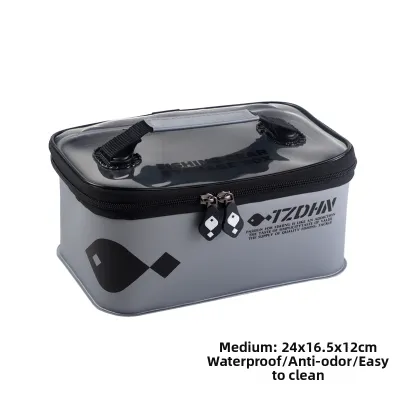
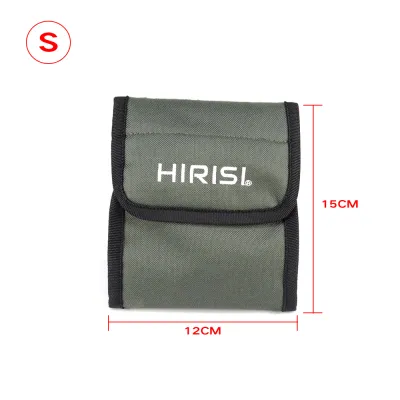
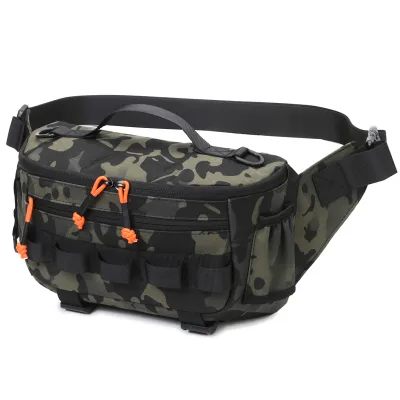
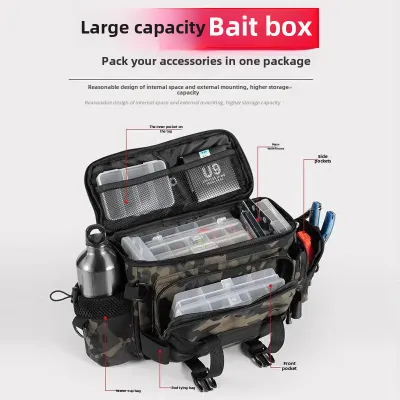
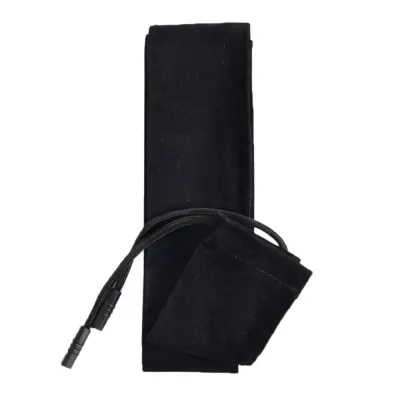
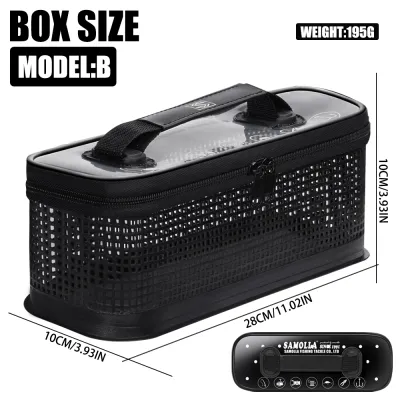
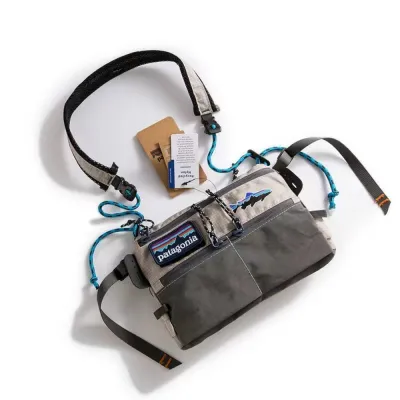
Prices are valid at publication and may change. Please refer to the product page for the latest price.
A good starter bag must prevent your gear from turning into a tangled mess. Look for a bag that features a mix of large main compartments and smaller, specialized pockets. The main compartment should be designed to hold standard plastic utility trays flat, preventing lures and weights from shifting excessively. External zippered pockets are highly useful for storing frequently accessed items like line cutters, leader spools, and sunscreen. Mesh pockets can be convenient for holding water bottles or wet items, but be cautious: fine mesh can easily snag exposed hooks, so reserve these pockets for non-fishing gear or items kept securely inside protective cases.
Whether you are walking the long stretch of Bedok Jetty or trekking along the designated fishing zones of MacRitchie Reservoir, you will likely spend hours on your feet. Carrying a heavy bag with poor support will quickly lead to fatigue. Look for wide, adjustable shoulder straps with thick foam padding to distribute weight evenly. A breathable, 3D mesh back panel is another crucial feature for Singapore’s hot climate, as it allows air to circulate between your back and the bag, reducing sweat buildup. If you plan to move around frequently, look for bags that include an auxiliary chest or waist strap to keep the bag from shifting while you cast or bend down.
The combination of saltwater, humidity, and frequent use can quickly wear out a poorly constructed bag. When evaluating a bag, pay close attention to the hardware. Zippers are the most common failure point; look for oversized, self-lubricating plastic zippers, which are highly resistant to saltwater corrosion compared to standard metal zippers. Examine the stitching at high-stress areas, such as where the shoulder straps attach to the main body. Double-stitching or bar-tack reinforcement indicates a bag built to handle the weight of heavy lead sinkers and water bottles. Finally, ensure the plastic buckles are thick and snap together securely without feeling brittle.
Common Types of Fishing Bags and Their Best Uses
For beginners planning full-day fishing trips or those who need to travel light on public transport, a tackle backpack is often the most practical choice. These bags offer the largest storage capacity, allowing you to carry multiple tackle boxes, spare reels, a light rain jacket, snacks, and plenty of water. Because they distribute weight across both shoulders, they are highly comfortable for long walks. Many tackle backpacks feature a dual-compartment design, with a lower section dedicated to sliding utility trays in horizontally and an upper section for personal items. This setup keeps your heavy tackle low and close to your center of gravity, making the walk to your favorite spot much easier.

If your fishing style involves constant movement—such as casting lures along reservoir banks in search of peacock bass—a sling bag is an excellent option. Designed with a single diagonal strap, these bags sit comfortably on your back while you walk or cast. When you need to change a lure or grab your pliers, you simply slide the bag around to your chest without having to take it off. This quick-access design is highly efficient and keeps your gear off the wet ground. However, sling bags have a lower carrying capacity than backpacks, making them best suited for short, highly active sessions where you only need a single tackle box and a few essential tools.
These are traditional, rectangular bags featuring a top-loading main compartment and a sturdy shoulder strap. They are specifically designed to maximize storage space for plastic utility boxes, often coming pre-packaged with several matching trays. Soft-sided bags are ideal for stationary fishing, such as sitting on a jetty or fishing from a boat, where you can set the bag down next to you and have full, open access to all your tackle at once. While they offer superb organization, they are less comfortable to carry over long distances compared to backpacks or sling bags, as the single shoulder strap can strain your neck and shoulder over time.
For the ultimate minimalist angler, a waist or hip pack offers unmatched freedom of movement. These compact bags buckle around your waist, keeping your shoulders completely free and preventing the back sweat associated with larger bags. They are particularly useful for wading in shallow coastal waters or fishing in tight, overgrown spots where a larger bag might snag on branches. The primary trade-off is storage space; a waist pack will typically only hold one small tackle box, a spool of leader line, and a pair of pliers. If you prefer to fish light and fast, this setup keeps you highly mobile and focused on the water.
How to Evaluate Value and Build Your Starter Setup
As a beginner, it is easy to fall into the trap of buying high-end, specialized gear. However, many professional-grade fishing bags feature advanced specifications—such as fully submersible airtight zippers, integrated rod-holding systems, or heavy-duty molded hard bases—that significantly increase the price without offering much immediate benefit to a newcomer. A reliable starter bag should cost a fraction of these premium models while still offering solid water resistance and decent organization. Focus your budget on a bag that nails the basics: comfortable straps, durable zippers, and a layout that fits your current gear.
Before purchasing any bag, measure the tackle boxes you plan to use. Most plastic utility boxes follow standard sizing conventions, such as the 3600 series (approximately 11 x 7 inches) or the larger 3700 series (approximately 14 x 9 inches). Check the internal dimensions of the bag’s main compartment to ensure it can accommodate these standard sizes. A bag that is slightly too small will force you to pack your boxes at awkward angles, wasting valuable space, while a bag that is too large will allow your gear to slide around, potentially damaging delicate lures or causing weights to rattle loudly.
Your gear collection will inevitably grow and change as you gain experience. A bag with a single, open main compartment can quickly become disorganized. Look for bags that feature adjustable, hook-and-loop dividers or those designed to hold modular plastic trays. This modularity allows you to adapt the bag’s interior layout over time. For example, you can start with one tray for hooks and sinkers and use the remaining space for a light jacket, then later transition to carrying three separate trays as you acquire different types of lures and terminal tackle.
If you are still deciding whether fishing is the right hobby for you, there is no need to buy a specialized bag immediately. A standard school backpack, a small hiking daypack, or even a simple dry bag can serve as a highly effective temporary fishing bag. To make this work, focus on organizing your tackle internally. Purchase a couple of inexpensive, secure plastic utility boxes to keep your hooks and lures contained. This prevents sharp points from puncturing your everyday bag and keeps bait odors from soaking into the fabric. Once you commit to the sport, you can transition to a dedicated fishing bag with a better understanding of your specific storage needs.
Where to Buy and What to Check Before Purchasing
Beginners in Singapore have several excellent options for sourcing gear. Local physical sporting goods stores and specialized neighborhood tackle shops are fantastic for hands-on evaluation. Staff at local tackle shops can often provide valuable advice on what gear fits best in different bags. Alternatively, online marketplaces and e-commerce platforms offer a massive selection of budget-friendly entry-level bags. While online shopping is highly convenient and often more affordable, it requires a more cautious approach since you cannot physically inspect the product before it arrives.
When browsing online marketplaces, protect yourself by thoroughly vetting the seller. Look for stores with high positive feedback ratings and a history of selling outdoor gear. Read the recent customer reviews carefully, paying close attention to any negative feedback regarding zipper failures, torn seams, or materials that do not match the product photos. Additionally, verify the platform’s return policy. Ensure you can easily return or exchange the bag if it arrives with manufacturing defects, broken buckles, or if the dimensions are not as advertised.
If you choose to buy from a physical retail store, take a few minutes to inspect the bag thoroughly. Open and close every zipper multiple times; they should glide smoothly without catching on the fabric or binding at the corners. Feel the material of the bag—it should feel durable and thick, not paper-thin or excessively stiff. Give the bag a quick sniff; a strong, pungent chemical odor often indicates low-grade plastics or cheap adhesives that will degrade rapidly when exposed to Singapore’s intense tropical sun and humidity. Finally, tug gently on the shoulder straps and carry handles to ensure the stitching is secure.
Even budget-friendly bags should offer some level of consumer protection. Check if the manufacturer provides a basic warranty against material defects or zipper failures. If no formal warranty is available, ask the retailer about their in-store exchange policy for defective items. It is also wise to check if the bag uses standard-sized plastic buckles and strap widths. This ensures that if a buckle accidentally gets stepped on or crushed in a car door, you can easily purchase a cheap, generic replacement buckle from a local outdoor supply store rather than having to replace the entire bag.
Frequently Asked Questions (FAQ)
How do I clean and maintain my fishing bag to prevent mold?
Singapore’s high humidity creates the perfect environment for mold and mildew to thrive, especially if your bag has been exposed to saltwater, fish slime, or damp weather. To prevent this, make it a habit to empty your bag completely after every fishing trip. Wipe down both the interior and exterior surfaces with a clean, damp cloth and a mild, non-abrasive soap if necessary. Pay special attention to the zippers, wiping away any salt residue that could cause corrosion. Once clean, open all the compartments and hang the bag to air-dry completely in a shaded, well-ventilated indoor or outdoor area. Never store a damp bag in a closed closet, and avoid drying it in direct, intense sunlight, as prolonged UV exposure can weaken synthetic fabrics and degrade protective coatings. Always check the manufacturer’s care label for specific washing instructions.
Can I use a regular hiking or camera bag for fishing?
Yes, you can temporarily repurpose a hiking or camera bag for fishing, but there are several important trade-offs to consider. Hiking backpacks and camera bags often feature excellent padding and multiple compartments that make organization easy. However, they are rarely designed to handle the harsh conditions of angling. Camera bags, in particular, are often heavy and made from absorbent fabrics that can easily trap fish odors, bait smells, and moisture. Furthermore, the delicate interior linings of these bags are highly susceptible to being punctured by exposed fish hooks or sharp tools. If you choose to use a non-fishing bag, ensure all your tackle is kept strictly inside secure, latching plastic utility boxes, and avoid placing wet or dirty items directly into the main compartments. This will protect your everyday gear from damage and keep your bag smelling fresh.

Community discussion
Share your experience or ask a question. Comments are reviewed before publication.