
Starting out in Singapore’s diverse angling scene requires selecting fishing equipment brands that align with your immediate environment, skill level, and budget. Rather than searching for a single universally superior brand, beginners should focus on manufacturers that offer robust entry-level gear, reliable local customer support, and high compatibility with local fishing conditions. Whether you plan to cast from a concrete jetty or target freshwater species in designated reservoirs, the right brand is one that simplifies your learning curve while standing up to the humid, corrosive tropical climate.
Identify Your Local Fishing Environment and Target Species
Singapore offers distinct fishing environments, primarily categorized into freshwater reservoirs and saltwater coastal areas. Freshwater spots, such as designated zones in MacRitchie, Bedok, or Pandan Reservoirs, demand gear that prioritizes casting accuracy and lightweight sensitivity. In contrast, saltwater environments like Bedok Jetty, West Coast Park, or southern offshore islands expose your equipment to high salinity, which accelerates rust and mechanical wear. When evaluating brands, check if their entry-level models feature corrosion-resistant materials, such as composite bodies or specially treated bearings, to withstand saltwater exposure.
The target species in these environments dictate the strength and capacity of your gear. For freshwater targets like peacock bass or tilapia, lightweight setups with highly sensitive rods allow you to feel subtle bites and cast lighter lures. Saltwater targets, ranging from tamban caught on sabiki rigs to larger bottom-dwelling groupers or snappers, require robust rods with higher lifting power and reels with stronger drag systems. Beginners must verify that a brand’s specifications match these target species, ensuring the rod’s power rating and the reel’s line capacity can handle the sudden runs of local marine fish.
Products mentioned in this guide
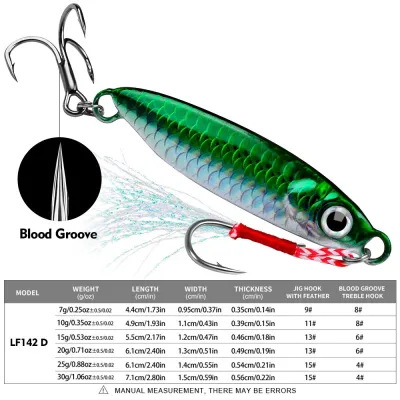
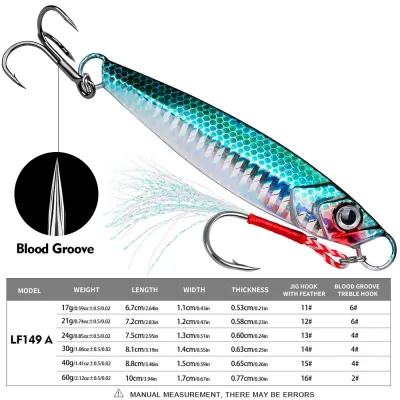

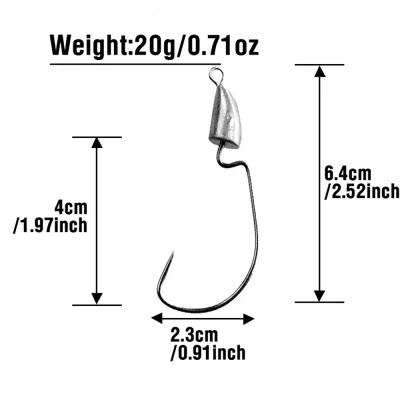
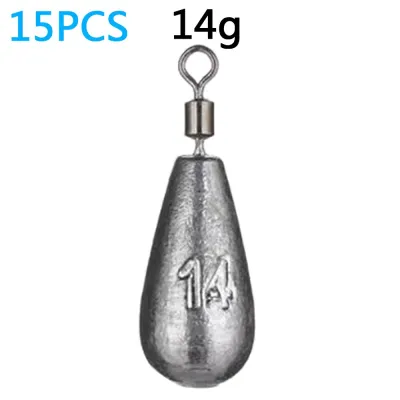
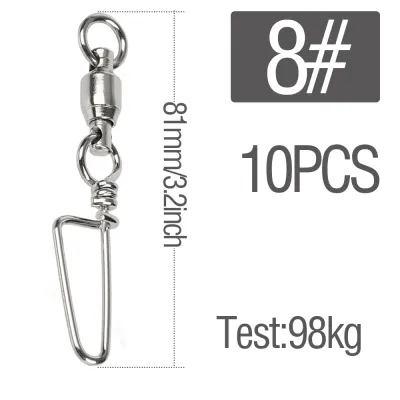
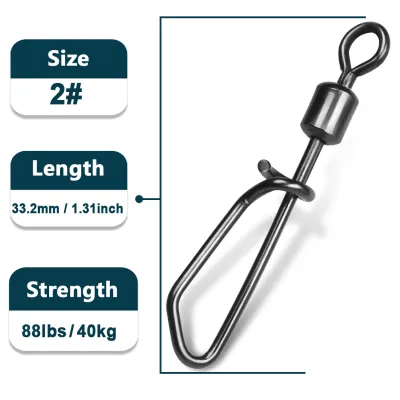
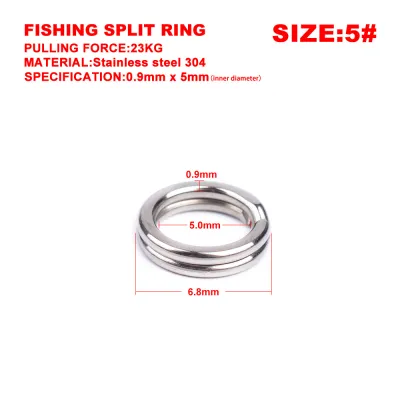
Prices are valid at publication and may change. Please refer to the product page for the latest price.
Your personal commitment level and budget should guide whether you invest in entry-level or mid-tier brand lines. For absolute beginners testing the waters, budget-friendly entry-level setups from established brands provide a low-risk entry point without sacrificing basic functionality. If you anticipate fishing regularly, opting for a mid-tier line from a reputable manufacturer often yields better long-term value through smoother drag systems, lighter materials, and superior durability. Balancing your initial investment against your expected frequency of use prevents overspending on specialized features you may not yet need.
Evaluate Brands Based on Usability, Durability, and Local Support
Before purchasing any fishing equipment, investigate the brand’s local presence, warranty terms, and the availability of replacement parts in Singapore. A brand with an official distributor or a dedicated service center locally makes it significantly easier to resolve manufacturing defects or source replacement components like reel handles, bail springs, and rod tips. If a brand lacks local representation, you may face long wait times and high shipping fees to send gear overseas for repairs, which can disrupt your fishing plans.

Beginner-focused product lines should prioritize casting forgiveness, intuitive operation, and ease of maintenance over hyper-specialized performance. Look for brands that design reels with anti-backlash technologies or user-friendly casting controls, which help minimize line tangles and bird’s nests—a common frustration for novices. Avoid highly specialized, professional-grade gear that requires complex tuning or delicate handling, as these features often complicate the learning process and increase the risk of accidental damage.
Reviewing user manuals, setup guides, and local community feedback provides valuable insights into the long-term durability of a brand’s entry-level models. Reputable brands typically offer clear, comprehensive documentation that guides you through basic maintenance, such as rinsing gear after saltwater use and applying lubricant. Online angling communities and local fishing forums in Singapore are excellent resources for checking how specific entry-level models hold up under local tropical conditions, helping you avoid brands prone to premature corrosion or structural failure.
Source Gear Safely Through Local Shops and Online Marketplaces
Sourcing your first setup involves choosing between the personalized service of physical tackle shops and the convenience of online marketplaces. Visiting a local brick-and-mortar tackle shop in Singapore allows you to handle the gear, feel the weight and balance of a rod, and test the smoothness of a reel before buying. Shop owners and experienced staff can provide invaluable advice tailored to local spots, and many shops offer complimentary services like spooling your reel with line, ensuring it is packed correctly for your first outing.
Online marketplaces offer a broader selection and the convenience of home delivery, but they require extra vigilance to ensure you receive authentic products. When shopping online, prioritize official brand stores or authorized retail partners to avoid counterfeit gear, which often suffers from poor materials and manufacturing defects. Check seller ratings, read customer reviews carefully, and verify that the product description matches the official manufacturer specifications before finalizing your transaction.
Verifying local stock availability is crucial for securing timely access to your gear and ensuring reliable after-sales support. Purchasing from sellers with local stock in Singapore typically results in faster shipping and simpler return processes if the item arrives damaged or incorrect. Additionally, local sellers are more likely to assist with warranty claims or direct you to authorized service centers, providing peace of mind that your investment is protected.
Select Compatible Components for Your First Fishing Setup
Building a balanced fishing setup requires selecting compatible components that work together seamlessly to deliver optimal performance. While some brands specialize in high-quality rods, others are renowned for their precision reels or durable lines. Understanding how these components interact helps you make informed decisions when mixing and matching gear from different manufacturers.
Rods and Reels
For beginners, purchasing matched rod and reel combos from a single brand is often the most straightforward way to ensure compatibility and reduce setup complexity. Manufacturers design these combos to balance perfectly in terms of weight, power, and line rating, eliminating the guesswork of pairing a rod with an appropriately sized reel. This balanced integration allows for smoother casting, better control, and a more comfortable experience during long hours on the water.
If you choose to select your rod and reel separately, carefully check the manufacturer specifications to ensure they match your intended fishing style and target species. Pay close attention to the rod’s action (how much it bends) and power (its resistance to bending), as well as the reel’s gear ratio (how fast it retrieves line). For general use in Singapore, a medium-light to medium power rod paired with a 2000 to 3000 size spinning reel offers a versatile starting point suitable for both reservoir casting and light jetty fishing.
Prioritize corrosion-resistant materials and sealed drag systems if you plan to fish in saltwater environments. Look for reels featuring aluminum or carbon fiber frames, shielded stainless steel ball bearings, and rubber seals that protect the internal drag washers from water intrusion. These protective features prevent salt buildup and sand from degrading the reel’s performance, ensuring smooth operation and extending the lifespan of your gear in harsh coastal conditions.
Tackle, Lines, and Accessories
Selecting the right line brand is critical, as the line is your direct connection to the fish and must withstand both tension and environmental hazards. Evaluate line brands based on their stated breaking strain, abrasion resistance, and suitability for local water clarity. For beginners, a high-quality monofilament line offers excellent knot strength and stretch, which helps absorb the shock of sudden fish runs, while braided lines provide superior sensitivity and casting distance but require specialized knots and leader lines.
Terminal tackle, including hooks, swivels, sinkers, and snaps, should be sourced from reputable brands known for consistent manufacturing standards. Look for hook brands that offer chemically sharpened points and high-carbon steel construction to ensure reliable hooksets and prevent bending under pressure. Consistent sizing and reliable material strength in your terminal tackle prevent weak points in your rig, reducing the risk of losing a fish due to hardware failure.
Essential accessories, such as pliers, line cutters, and fish grips, should be selected from brands that prioritize durable utility and ergonomic design. Pliers made from anodized aluminum or stainless steel resist rust and are indispensable for removing hooks safely and cutting tough lines. Ergonomic grips ensure you can handle wet fish securely without causing harm to yourself or the catch, promoting safe and responsible handling practices.
Inspect and Verify Gear Specifications Before Finalizing Your Purchase
Before finalizing your purchase, conduct a thorough physical inspection of the gear to identify any manufacturing defects or shipping damage. For rods, check that the guides are perfectly aligned, the ceramic inserts inside the guides are intact and smooth, and the reel seat holds the reel securely without wobbling. For reels, turn the handle to ensure smooth rotation without grinding noises, test the anti-reverse switch, and verify that the drag knob adjusts smoothly from loose to tight.
Cross-reference the manufacturer specifications printed on the product packaging or label with the retailer’s description to avoid mismatches. Ensure that the rod’s recommended line weight and lure weight ratings align with the specifications of the reel and the line you plan to use. Mismatched components, such as using a line that exceeds the rod’s maximum rating, can lead to poor casting performance or, in worst-case scenarios, structural damage to your equipment.
Understanding the safe working load and breaking points of your gear is essential for preventing equipment failure and ensuring safety on the water. Never exceed the manufacturer’s recommended limits for line strength or lure weight, as doing so puts excessive stress on the rod blank and reel gears. By operating within the specified limits of your equipment and maintaining a controlled drag setting, you protect your investment and ensure a safer, more enjoyable fishing experience.
Frequently Asked Questions (FAQ)
Do I need to buy all my fishing equipment from the same brand?
No, you do not need to buy all your fishing equipment from the same brand, and mixing brands is a common practice among anglers of all skill levels. Mixing allows you to select the best-performing components within your budget, such as pairing a highly rated rod from one manufacturer with a reliable reel from another. The primary exception is pre-packaged rod and reel combos, which are factory-matched for optimal balance and convenience. When mixing brands, always verify that the specifications—such as the rod’s line rating and the reel’s size—are fully compatible to maintain a balanced and effective setup.
How often should beginners upgrade their fishing equipment?
Beginners should consider upgrading their equipment when their current gear shows physical signs of wear or when their skill progression outgrows their entry-level setup. Physical indicators that warrant an upgrade or replacement include degraded drag performance, corroded rod guides that damage your line, or structural cracks in the rod blank. Additionally, as you gain experience and target larger or more specialized species, you may find that entry-level gear lacks the sensitivity or power required for advanced techniques. Proper maintenance, such as rinsing your gear with freshwater after every trip, can significantly extend the lifespan of your initial setup before an upgrade becomes necessary.

Community discussion
Share your experience or ask a question. Comments are reviewed before publication.