
Choosing the right size 5 football—the standard size for players aged 14 and older—comes down to matching the ball’s construction to your playing environment, frequency, and personal touch preferences. While Adidas, Nike, and Select all produce exceptional footballs used at the highest levels of the sport, their design philosophies, material choices, and manufacturing methods differ significantly. There is no single universal winner that excels in every scenario; a high-end match ball that performs beautifully on a pristine grass pitch will quickly degrade if used on concrete or abrasive artificial turf.
To make an informed purchase, you must look past the brand logos and evaluate the technical specifications of each model. This guide breaks down how to identify your primary playing needs, compares the general design characteristics of Adidas, Nike, and Select, and provides the essential technical checkpoints you should verify on the product packaging before buying.
Identify Your Primary Use Case and Frequency
Before comparing brands, you must define how and where you plan to use the football. Footballs are generally categorized into three tiers: premium match balls, training balls, and recreational or street balls. Each tier is engineered to balance performance, feel, and durability differently, and choosing the wrong tier can lead to premature wear or a disappointing playing experience.
Products mentioned in this guide
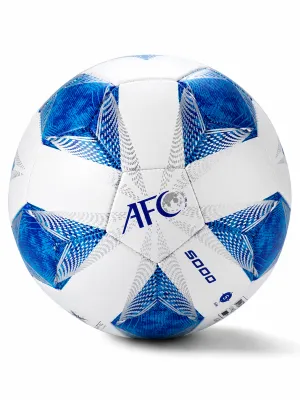
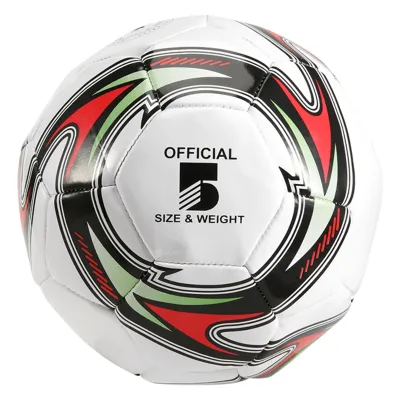
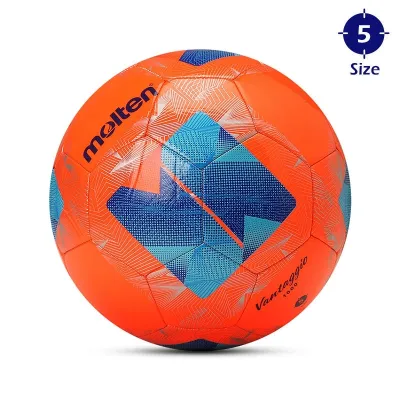
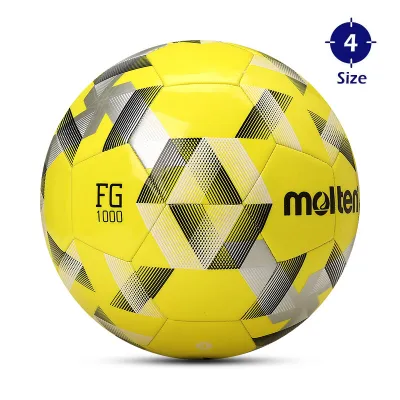
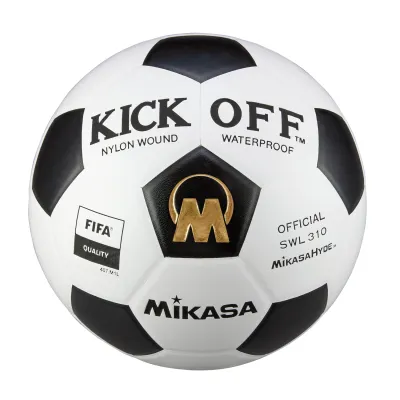
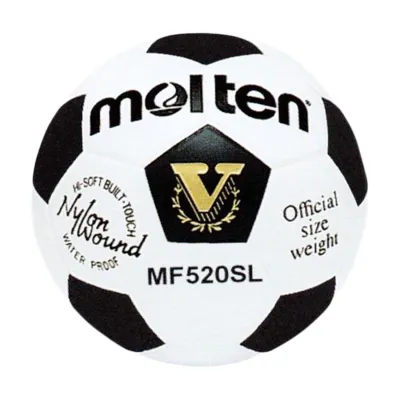
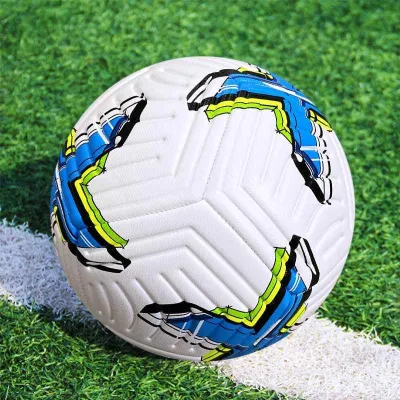
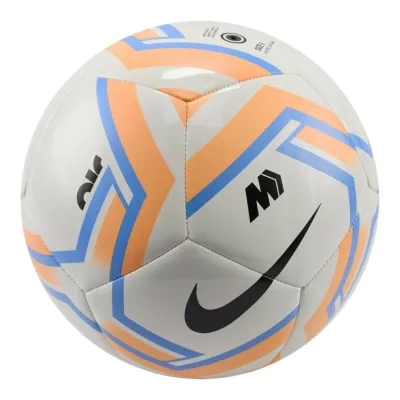
Prices are valid at publication and may change. Please refer to the product page for the latest price.
Premium match balls are designed for optimal flight predictability, a soft and responsive touch, and minimal water absorption. These balls are typically used in competitive matches where performance is the absolute priority. However, because they prioritize a soft feel and advanced aerodynamics, they are often more delicate and expensive. Using a premium match ball for daily, high-intensity training sessions on rough surfaces will quickly wear down the outer casing and compromise its performance.
Training balls, on the other hand, are built for high durability and consistent performance over repeated use. They feature slightly harder casings and reinforced bladder systems designed to withstand hundreds of kicks, headers, and impacts against training gear. While they may not offer the ultra-soft touch of a premium match ball, they provide excellent longevity and are highly resistant to water uptake, making them the practical choice for team practices and individual drills.
Recreational and street play demands a completely different set of characteristics. If you frequently play on concrete, asphalt, or highly abrasive public pitches, standard match and training balls will scuff and split within a few sessions. For these environments, you need a ball specifically engineered with a high-abrasion casing, often made of rubber or reinforced synthetic materials, to survive the harsh friction of hard surfaces. Assessing your playing frequency and primary pitch type is the first and most crucial step in narrowing down your options.
Brand Positioning and Typical Lineup Characteristics
Each of the three major brands—Adidas, Nike, and Select—approaches football design with a distinct philosophy. Understanding these general brand tendencies can help you align their strengths with your personal playing style.

Adidas has a long and storied history of designing footballs for major international tournaments. Their design philosophy often centers on cutting-edge aerodynamics and innovative panel shapes. In their premium lineups, Adidas frequently utilizes thermal bonding, a seamless construction method that eliminates traditional stitching. This results in a highly consistent surface, predictable flight paths, and exceptional water resistance. If you prefer a smooth, seamless ball with a highly predictable trajectory through the air, Adidas’s design approach aligns well with those needs.
Nike is known for incorporating distinct surface textures and modern visual designs into their footballs. Many of Nike’s mid-to-high-tier balls feature molded grooves or micro-textured casings designed to disrupt airflow and improve grip. This textured surface provides players with enhanced boot-to-ball friction, which can be highly beneficial for control, spin, and striking. Additionally, Nike often emphasizes high-contrast, high-visibility graphics, making the ball easier to track in peripheral vision during fast-paced play or under stadium floodlights.
Select takes a highly practical, durability-first approach to football manufacturing. While they also produce elite match balls, Select is widely respected for their club-level and training balls. They frequently champion traditional hand-stitched construction and high-quality materials that emphasize longevity and a classic, reliable bounce. Select balls are often favored by clubs, schools, and academies because they offer exceptional value, maintaining their shape and performance characteristics over seasons of heavy use.
It is important to remember that these are general brand characteristics. Every brand offers a wide range of models spanning different price points and construction types. Always verify the specific model’s spec sheet rather than assuming a budget ball will share the exact characteristics of a brand’s elite tournament model.
Construction and Material Specifications to Verify
To evaluate the quality of any size 5 football, you must look at the specific materials and construction methods used. The three key areas to verify are the casing material, the panel bonding method, and the bladder type.
The outer casing is your primary point of contact with the ball. High-performance match and training balls typically use Polyurethane (PU) casings. PU offers a soft, elastic touch, excellent responsiveness, and maintains its flexibility even in cold weather. In contrast, entry-level or budget balls often use Polyvinyl Chloride (PVC) or rubber. PVC is highly durable and scratch-resistant, making it suitable for recreational play, but it can feel stiff and slick, especially in lower temperatures. For concrete or street play, look for specialized rubberized casings designed specifically to withstand extreme abrasion.
Panel construction determines how the ball’s outer shell is held together. Thermally bonded panels are fused together using heat and adhesive, creating a seamless surface that prevents water absorption and ensures a perfectly round shape. Stitched panels can be either hand-stitched or machine-stitched. Hand-stitching is highly durable and allows for deeper, tighter seams, which is a hallmark of Select’s premium training balls. Machine-stitching is more common in budget recreational balls; while cost-effective, machine-stitched seams are generally shallower and more prone to splitting under high-impact use.
The bladder inside the ball controls air retention and responsiveness. Latex bladders offer the softest touch, most responsive bounce, and are preferred for high-level match play. However, latex is porous and naturally leaks air over time, requiring you to inflate the ball before almost every use. Butyl bladders offer superior air retention, keeping the ball inflated for weeks at a time, making them highly practical for training sessions and recreational play, though they can feel slightly stiffer than latex.
If you are purchasing a ball for organized league play, verify whether the ball features official quality marks printed on the casing. Certifications such as ‘FIFA Quality Pro’ or ‘FIFA Quality’ indicate that the ball has undergone standardized testing for weight, circumference, roundness, bounce, water absorption, and pressure loss.
Matching the Football to Your Playing Surface
The surface you play on has a massive impact on the lifespan and performance of your football. Matching the ball’s construction to the pitch is essential to prevent premature wear and ensure safety.
On natural grass and high-quality, modern artificial grass (3G or 4G pitches), standard match and training balls perform exceptionally well. These surfaces provide a natural cushion that minimizes wear on the ball’s casing. For these pitches, a high-quality PU casing with either thermal bonding or hand-stitching will deliver the best combination of touch, flight, and durability.
However, if you play on older, highly abrasive artificial turf, the friction and heat generated by the synthetic fibers can quickly degrade standard casings. The friction can cause the outer PU layer to peel or the stitched seams to fray. For abrasive turf, look for balls specifically labeled as turf-compatible or those featuring reinforced, textured casings designed to resist friction-induced wear.
For hard courts, concrete, asphalt, or street play, standard grass footballs should be avoided entirely. The rough, unforgiving surface will scuff the casing, tear the stitching, and can cause the ball to burst. Instead, select a dedicated street football. These balls are engineered with heavy-duty, high-abrasion rubber or canvas covers and often feature low-rebound bladders to help keep the ball under control on hard surfaces.
Decision Framework: Which Brand Should You Choose?
To finalize your decision, align your primary playing conditions, budget, and performance preferences with the strengths of each brand:
Choose Adidas if you are looking for a premium match ball for competitive play on high-quality grass pitches. If you prioritize seamless, thermally bonded construction, tournament-grade aerodynamics, and a smooth, consistent touch for passing and control, Adidas’s high-tier offerings are an excellent fit.
Choose Nike if you prefer a highly tactile, textured ball that offers enhanced grip for striking and spin. Nike is ideal for players who want modern aerodynamic grooves, high-visibility graphic designs that are easy to track on the pitch, and a responsive feel during training and match play.
Choose Select if you prioritize long-term durability, consistent bounce, and exceptional value. Select is the outstanding choice for team training, club use, or frequent individual practice sessions, especially if you play on mixed surfaces or require a hard-working ball with traditional hand-stitched construction and excellent air retention.
Before making your final purchase, always verify the specific model’s casing material, bladder type, and official certifications on the product packaging to ensure it matches your exact playing requirements.
Frequently Asked Questions (FAQ)
How do I know if a size 5 football is properly inflated?
To ensure optimal performance and prevent damage to the seams or bladder, always inflate your football to the recommended pressure range printed directly near the inflation valve. This is typically measured in pounds per square inch (psi) or bar, usually ranging between 8.5 and 15.6 psi depending on the specific model’s construction. Avoid relying on the common ‘squeeze test’ with your thumbs, as this is highly subjective and often leads to under-inflation. Instead, use a dedicated pressure gauge. Keep in mind that balls equipped with latex bladders naturally lose air pressure over a few days and must be checked and inflated before every playing session.
Can I use a standard grass football on concrete or asphalt?
Using a standard grass football on concrete, asphalt, or other highly abrasive hard surfaces is not recommended. The intense friction of these surfaces will rapidly scuff and peel the outer polyurethane (PU) casing, weaken the stitched seams, and eventually cause the ball to lose its shape or burst. If you frequently play on hard courts or street environments, you should purchase a dedicated street football. These specialized balls are constructed with reinforced, high-abrasion rubber or heavy-duty composite covers designed specifically to withstand the harsh wear and tear of hard surfaces.

Community discussion
Share your experience or ask a question. Comments are reviewed before publication.