
Setting up a home gym in Singapore requires a smart approach to space management and equipment selection. Adjustable dumbbells offer a highly efficient solution, replacing an entire rack of traditional weights with a single pair. To find the ideal set for your home, you must balance your current strength levels, your long-term fitness goals, the physical constraints of your living space, and the specific mechanical designs available on the market. By focusing on build quality, mechanism reliability, and local warranty support, you can secure a versatile training tool that grows with your strength journey.
Understanding Your Home Workout Needs
Before browsing the available options, you must evaluate your personal fitness profile and the physical environment of your home. Your current strength level and the types of exercises you plan to perform will dictate the weight range you require. For example, isolation movements like bicep curls or lateral raises require lighter, more precise increments, while compound movements like squats or chest presses demand heavier loads. If you are a beginner, a set that scales up to 20 kg per dumbbell may offer ample room for growth, whereas experienced lifters might require sets that reach 40 kg or more.
Living in Singapore typically means working with the compact layouts of HDB flats or condominiums, where dedicated workout space is at a premium. Unlike a commercial gym with sprawling racks, your home setup must coexist with your daily living area. You need to measure the exact footprint where you plan to store and use the dumbbells, ensuring there is enough clearance to perform dynamic movements safely. A compact set that stores neatly in a corner or under a bed can prevent your living room from feeling cluttered.
Products mentioned in this guide
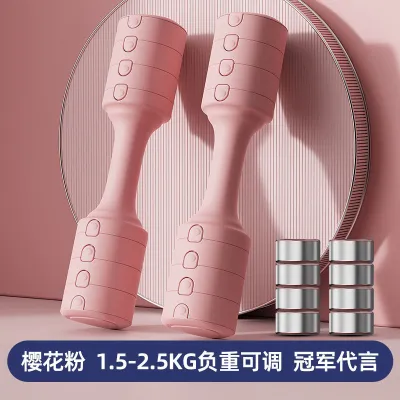
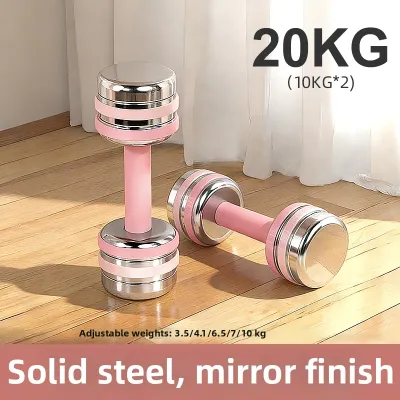
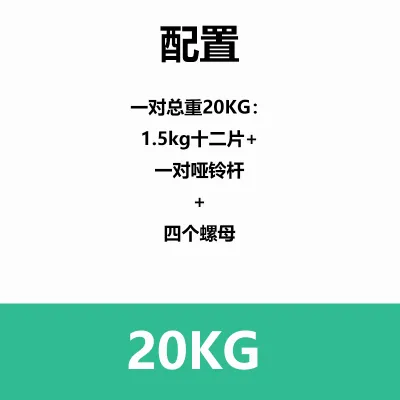
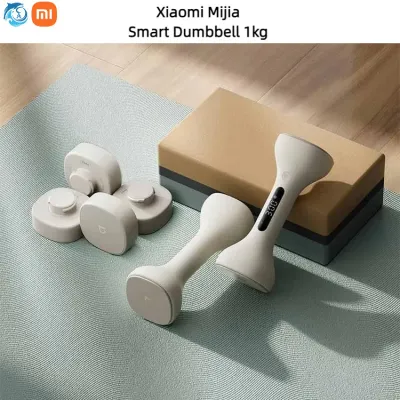
Prices are valid at publication and may change. Please refer to the product page for the latest price.
Another critical factor is the size of the weight increments. Progressive overload—gradually increasing the resistance over time—is the cornerstone of strength training. If the weight gaps between settings are too large, you may find yourself struggling to transition to the next level, which can stall your progress or lead to poor form. Look for systems that offer smaller increments, such as 1 kg to 2 kg adjustments, particularly in the lower weight ranges where small jumps make a significant difference in performance.
Comparing Weight Adjustment Mechanisms
The mechanism used to change weights is the defining feature of any adjustable dumbbell, directly impacting your workout flow, safety, and the equipment’s lifespan. Dial and selector pin systems are highly popular due to their speed and convenience. With a simple turn of a dial or the relocation of a magnetic pin, you can change the weight in seconds. This rapid adjustment is incredibly beneficial for fast-paced workouts, supersets, or drop sets where keeping your heart rate up and minimizing rest time is essential.

However, these convenient selectorized systems come with structural trade-offs that require careful consideration. The internal gears, selector pins, and locking plates often rely on high-density plastic or complex mechanical linkages. If these internal components wear out or become misaligned, the plates may fail to lock securely, creating a safety hazard. Consequently, these dumbbells require gentle handling and are not suited for workouts where weights are routinely dropped or handled roughly.
Spin-lock and collar systems offer a contrasting approach, prioritizing simplicity and durability. These systems consist of a threaded steel bar where you manually slide weight plates onto the sleeves and secure them with threaded spin-lock collars. Because there are no complex internal gears or plastic parts, spin-lock dumbbells are virtually indestructible and can withstand heavy, long-term use. They also tend to be more budget-friendly, making them an attractive option for those looking to maximize durability per dollar spent.
The primary drawback of spin-lock systems is the time and effort required to change weights. Manually unscrewing the collars, adding or removing plates, and tightening the collars back down can take up to a minute or more between sets. This delay can disrupt your momentum and make certain training styles, like drop sets, highly impractical. Additionally, the threaded ends of the bars often protrude significantly, which can limit your range of motion or cause discomfort when resting the dumbbells on your thighs before a lift.
Loadable handle systems represent a middle ground, often utilizing standard or Olympic-sized plates with quick-release collars. These systems are highly versatile because they allow you to share plates with a barbell setup, reducing overall equipment costs if you already own weight plates. They provide a very natural, traditional dumbbell feel and can support exceptionally heavy loads. However, like spin-lock systems, they have a larger physical footprint and require manual plate loading, which may not suit users seeking a streamlined, rapid-fire workout experience.
Evaluating Build Quality and Ergonomics
The physical construction and ergonomics of an adjustable dumbbell directly influence your comfort, grip security, and overall safety during a workout. The handle is your primary point of contact, making its design paramount. Look for handles with a knurled steel grip, which features a textured pattern cut into the metal. This knurling provides excellent friction, ensuring the dumbbell does not slip from your hands when they become sweaty—a common occurrence in Singapore’s warm and humid climate. Smooth plastic or rubber-coated handles can become slippery under sweat, compromising your control.
Plate materials also play a crucial role in the durability and usability of your dumbbells. Cast iron plates are highly durable and compact, but they can be noisy when they clank together and can easily scratch or dent home flooring. To mitigate this, many modern adjustable dumbbells feature plates coated in rubber, urethane, or high-density plastic. These coatings provide excellent noise reduction, which is a vital consideration when training in high-density housing where sound easily travels through concrete floors to neighbors living below.
Beyond noise reduction, coated plates offer essential protection for your home’s interior. Dropping or even gently setting down bare cast iron weights can chip ceramic tiles, scratch vinyl flooring, or dent parquet wood. Selecting dumbbells with high-quality rubber or urethane coverings helps safeguard your property and maintains a quieter training environment. It is also wise to verify that the coatings are low-odor, as some cheap rubber compounds can emit strong, unpleasant chemical smells that linger in enclosed, air-conditioned rooms.
Finally, pay close attention to the overall balance and weight distribution of the dumbbells. Traditional fixed dumbbells distribute weight evenly on either side of a central handle. Some adjustable designs, however, maintain a fixed maximum length regardless of how much weight is selected, leaving empty space or protruding bars at lighter settings. Other designs shorten dynamically as you reduce the weight, offering a more natural balance and preventing the ends of the dumbbells from colliding during movements like overhead presses or chest flies.
Safety, Maintenance, and Usage Limits
To ensure your adjustable dumbbells remain safe to use and last for years, you must adhere to proper handling techniques and maintenance routines. The most critical rule of selectorized adjustable dumbbells is to never drop them. Unlike solid cast iron or rubber hex dumbbells found in commercial gyms, the intricate locking mechanisms of adjustable models cannot absorb high-impact shocks. Dropping them from even a short height can crack the internal gears, bend the selector pins, or damage the alignment trays, rendering the entire set unusable and unsafe.
Establishing a routine inspection checklist is essential for maintaining equipment integrity. Before every workout, take a few seconds to inspect your dumbbells for any signs of wear or damage. Check that the selection dials turn smoothly and click firmly into place, ensuring the locking pins engage completely with each plate. Look for any loose screws, cracked plastic housings, or bent plates. If you notice any play or instability in the plates when the dumbbell is lifted, stop using them immediately and consult the manufacturer’s guidelines.
Singapore’s high humidity levels present a unique challenge for fitness equipment, as moisture can accelerate rust and corrosion on metal components. To protect your investment, wipe down the handles and plates with a dry microfiber cloth after every workout to remove sweat and oils. Avoid storing your dumbbells in damp areas, such as balconies or near open windows where rain might blow in. If you train in a non-air-conditioned room, consider using a dehumidifier or applying a light coat of silicone-based lubricant to the metal parts periodically to prevent rust.
Understanding the manufacturer’s warranty conditions is also vital. Most brands explicitly exclude impact damage, dropping, and normal wear and tear from their warranty coverage. If a mechanism fails because the dumbbell was dropped, you will likely have to pay for replacement parts or a completely new set out of pocket. By treating your adjustable dumbbells as precision mechanical instruments rather than indestructible blocks of iron, you protect both your physical safety and your financial investment.
Navigating the Local Market and Purchasing Channels
When you are ready to purchase, navigating the local market carefully will help you secure an authentic product with reliable after-sales support. It is highly recommended to buy from authorized brand distributors or official online storefronts rather than unverified third-party sellers on general ecommerce platforms. While counterfeit or gray-market imports may feature lower upfront prices, they often lack quality control, use inferior materials, and do not come with a valid local warranty, posing a significant safety risk during heavy lifts.
A robust local warranty is incredibly valuable when dealing with heavy fitness equipment. Shipping a defective 24 kg or 40 kg dumbbell back to an overseas manufacturer for repairs is financially impractical due to high shipping rates. A local distributor with a physical service center in Singapore can provide prompt assistance, offer replacement parts, or exchange defective units quickly. Before finalizing your purchase, read the warranty terms carefully to understand what components are covered and for how long.
You must also factor shipping costs, delivery timelines, and assembly requirements into your total budget in S$. Because adjustable dumbbells are exceptionally heavy, standard delivery fees can be substantial, and some retailers may charge extra for delivery to units without direct lift access. Compare the total cost—including shipping and any optional assembly services—across different reputable local sellers. Some premium retailers include delivery and setup in their base price, which can offer better overall value and peace of mind.
Frequently Asked Questions (FAQ)
Can I drop adjustable dumbbells during a workout?
No, you should never drop adjustable dumbbells, especially those with dial or selector pin mechanisms. The internal locking components, plastic gears, and alignment trays are precision-engineered and can easily crack or bend under the force of an impact. Dropping them can cause the plates to unlock unexpectedly during future lifts, creating a severe safety hazard. If your workout routine requires you to release weights quickly at the end of a set, you should use traditional fixed rubber hex dumbbells or invest in dedicated thick foam drop pads to absorb the impact.
Do adjustable dumbbells feel different from traditional fixed dumbbells?
Yes, adjustable dumbbells often have a different feel and balance compared to traditional fixed dumbbells. Many adjustable models maintain a constant, maximum length regardless of the weight selected, which can feel bulky or awkward during certain exercises like bicep curls or shoulder presses where the ends might collide. Additionally, the grip diameter on adjustable models is often slightly thicker to accommodate the internal locking rods, and the center of gravity can shift depending on how the plates are distributed. It may take a few workouts to adapt your movement patterns to these physical characteristics.
How much space do I need to store adjustable dumbbells?
One of the greatest advantages of adjustable dumbbells is their incredibly small storage footprint. A complete set, including the storage trays, typically requires an area of only about 0.5 square meters, making them ideal for compact Singapore apartments. This is a massive space saving compared to a traditional multi-tier dumbbell rack, which can easily occupy several square meters of floor space. For optimal storage, place the dumbbells on a flat, level surface in a well-ventilated area away from direct sunlight and high humidity to protect the mechanical parts from rust and degradation.

Community discussion
Share your experience or ask a question. Comments are reviewed before publication.