
A pink carabiner is completely safe for climbing, provided it carries the necessary safety certifications from recognized mountaineering bodies. The vibrant pink hue is the result of anodization—an electrochemical process that colours the surface of the aluminum without compromising its core structural integrity. However, because pink and other bright colours are also widely used for non-climbing accessory clips, you must never assume a carabiner is safe for life-support based on its appearance alone.
Climbing requires absolute trust in your gear. Whether you are scaling indoor walls in Singapore or tackling outdoor sport routes, understanding how to distinguish certified safety equipment from novelty keychains is a vital skill. This guide explains how anodization works, how to verify safety markings, and how to inspect your gear to ensure it remains safe for use.
Understanding Carabiner Colour and Safety Standards
Anodization is an electrochemical process that thickens the natural oxide layer on the surface of aluminum alloy carabiners. During this process, the metal is immersed in an acid electrolyte bath and subjected to an electric current. This creates a porous surface layer that can absorb organic dyes, such as pink, blue, or green, before being sealed. Because the dye is integrated into the oxide layer rather than painted on top, it does not add thickness that could interfere with gate operation, nor does it weaken the underlying metal structure.
Products mentioned in this guide
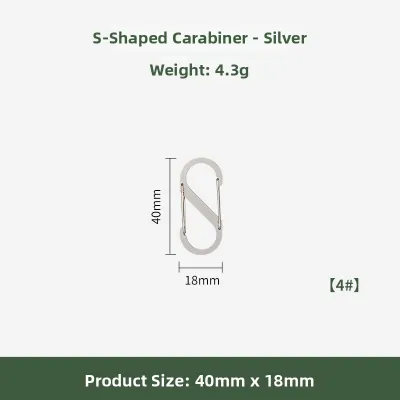
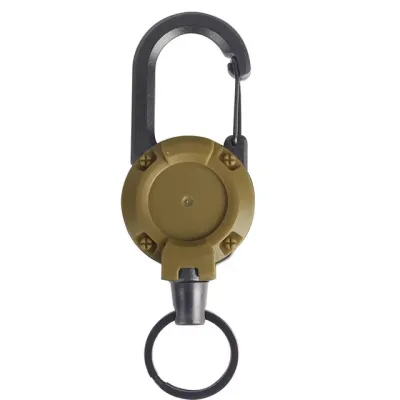
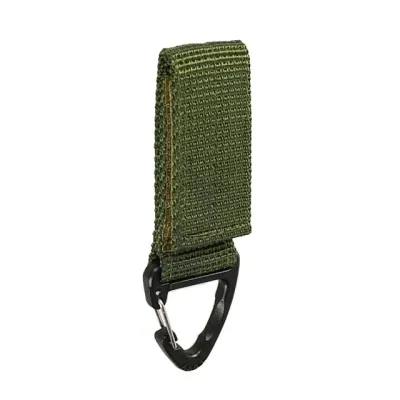
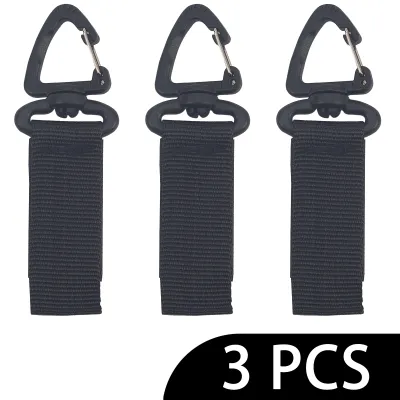
Prices are valid at publication and may change. Please refer to the product page for the latest price.
Beyond aesthetics, colour plays a functional role in modern climbing. Many climbers use colour-coded gear to organize their racks. For example, matching the colour of a carabiner to the colour of a specific camming device allows for rapid identification on a harness during high-stress placements. A pink carabiner might be paired with a matching pink cam, streamlining the process of selecting the correct size while climbing.
It is critical to separate decorative, non-climbing carabiners from certified, load-bearing climbing gear. Many novelty keychains, water bottle clips, and dog-leash connectors are anodized in bright pink or other eye-catching shades. These accessory clips are typically made from low-grade aluminum or plastic, lack internal structural reinforcement, and are not subjected to rigorous safety testing. In contrast, certified climbing carabiners are engineered from high-strength aircraft-grade aluminum and designed specifically to withstand the high impact forces of a climbing fall.
Ultimately, colour is purely cosmetic and has no bearing on the strength of the gear. A pink carabiner manufactured by a reputable climbing brand and certified to international standards is identical in strength and safety to its grey, black, or silver counterparts of the same model. Safety is determined solely by verified certifications, manufacturing quality control, and proper load ratings, all of which must be confirmed through official documentation and physical markings rather than visual assumptions.
How to Verify the Safety of a Pink Carabiner
To confirm that a pink carabiner is safe for climbing, you must inspect the spine for mandatory safety markings. Look for the CE mark (Conformité Européenne) followed by a four-digit number, which indicates that the gear complies with European safety standards and that the manufacturing facility is independently audited. Additionally, look for the UIAA (International Climbing and Mountaineering Federation) logo. The UIAA standard often mirrors or exceeds European standards, providing an extra layer of safety verification.

Certified climbing carabiners must have their minimum breaking strength stamped on the spine, measured in kilonewtons (kN). You will typically see three distinct ratings:
Major Axis Strength: The strength of the carabiner when loaded along its spine with the gate closed. For climbing, this is usually rated at 20 kN or higher.
Minor Axis Strength: The strength when loaded sideways (cross-loaded). This rating is significantly lower, often between 7 kN and 10 kN.
Open Gate Strength: The strength when the gate is accidentally held open during a load event. This is also much lower, typically between 7 kN and 9 kN.
Ensure these ratings align with the specific requirements of your climbing discipline, whether you are sport climbing, trad climbing, or setting up top-rope anchors.
In addition to strength ratings, look for a laser-etched or stamped batch number or serial number. This code allows you to trace the manufacturing date and batch of the gear. Reputable manufacturers use these numbers to track quality control and issue safety recalls if a specific production run exhibits defects.
Before using any new gear, consult the manufacturer’s official product manual or specifications. This documentation outlines the intended use cases, compatible rope diameters, gate clearance measurements, and any specific limitations. Never use a carabiner for climbing if you cannot find its official manual or if the stamped markings on the spine are missing, illegible, or look like cheap laser engravings on an unbranded product.
Inspecting Anodized Carabiners for Wear and Damage
Over time, your pink carabiner will show signs of use. It is essential to distinguish between harmless cosmetic wear and serious structural damage. Normal surface wear includes light scratches, minor scuffs, and fading of the pink dye where the rope runs through the basket. Structural red flags, however, require immediate attention. These include deep gouges (especially those exceeding 1 millimetre in depth), visible cracks, sharp edges that could cut a rope, a loose or bent rivet, or a gate that does not snap shut quickly and completely on its own.
High-friction points, such as the rope basket where the climbing rope slides through, will lose their pink anodized coating quickly. This exposes the silver-coloured raw aluminum underneath. While this colour loss is normal, you must evaluate whether the metal itself is wearing down. Run your fingernail across the worn area; if you feel a distinct groove or a sharp lip where the rope has grooved into the metal, the structural integrity may be compromised.
Establish clear stopping conditions for your gear. You must immediately retire a carabiner if:
- The gate does not close or lock automatically.
- There is any visible crack, even a hairline fracture.
- The metal has worn down by more than 10% of its original thickness.
- The carabiner has been subjected to a severe, high-impact fall or dropped from a significant height onto a hard surface.
- The gear has been exposed to harsh chemicals, such as battery acid or strong solvents, which can degrade aluminum without leaving obvious visual marks.
If you are ever in doubt about the safety of a piece of gear, stop using it immediately and either retire it or contact the manufacturer for professional guidance.
Remember that inspecting your gear is only one part of climbing safety. High-quality equipment cannot replace proper training, sound judgment, and safe climbing practices. Ensure you have received formal instruction from a certified climbing guide or instructor before managing safety systems or evaluating gear in high-risk environments.
Common Misconceptions About Coloured Climbing Gear
A common and dangerous misconception is that all carabiners shaped like climbing gear are safe for climbing. Many retail shops sell cheap, brightly coloured pink carabiners as keychains or fashion accessories. These items often carry warnings like “Not for Climbing” or “Not for Human Support,” but these warnings can wear off or be ignored by inexperienced users. Always assume a coloured carabiner is unsafe for climbing unless it explicitly features the stamped CE or UIAA certifications and kN strength ratings on its spine.
Some climbers mistakenly believe that the anodization process weakens the metal or makes it more brittle. This myth likely stems from a misunderstanding of hydrogen embrittlement, which can occur during improper industrial plating processes but is not a risk with standard, quality-controlled anodization performed by reputable climbing manufacturers. Rely on certified testing data and manufacturer specifications rather than visual myths or online rumors.
Another common myth is that bright colours fade faster under ultraviolet (UV) light and that this fading correlates with a loss of metal strength. While UV radiation can severely degrade soft goods like nylon slings, harnesses, and ropes, it has no impact on the structural integrity of aluminum or its anodized coating. A faded pink carabiner is structurally identical to a brand-new one, provided the metal itself has not been worn down by physical friction.
Using an unverified, brightly coloured carabiner for any life-support, fall-arrest, or rigging application can lead to catastrophic gear failure. Even if a pink carabiner feels solid in your hand, it may fail under a fraction of the force generated during a standard climbing fall. Protect yourself and your climbing partners by strictly using gear sourced from reputable outdoor retailers and verified through official safety standards.
Frequently Asked Questions (FAQ)
Can I use a pink carabiner for belaying or lead climbing?
Yes, you can use a pink carabiner for belaying or lead climbing, provided it is explicitly certified and rated for those specific high-stress applications. Belaying and lead climbing subject gear to significant dynamic forces, requiring robust locking mechanisms (such as screwgate, twist-lock, or magnetic locks) and high major-axis strength. Always check the manufacturer’s specifications to ensure the specific pink model you own is designed for belaying or lead climbing, and verify that it carries the appropriate UIAA or CE certifications before tying in.
Does colour fading affect the carabiner's strength?
No, simple colour fading or surface wear of the anodized pink layer does not affect the carabiner’s structural strength. The pink colour is a micro-thin surface dye held within the anodized oxide layer, which does not contribute to the load-bearing capacity of the underlying aluminum alloy. However, while fading itself is harmless, you must regularly inspect the faded areas to ensure that rope friction has not created deep grooves, sharp edges, or worn away more than 10% of the metal’s original thickness, which would require immediate retirement.

Community discussion
Share your experience or ask a question. Comments are reviewed before publication.