
Red tennis balls are the foundational starting point for young children and absolute beginners entering the sport of tennis. These specialized training balls are larger, lighter, and significantly slower than standard yellow tennis balls, allowing new players to develop proper swing mechanics and hand-eye coordination without being overwhelmed by speed or high bounces. Whether your child needs them depends primarily on their age, physical height, and their current ability to track and strike a moving ball comfortably.
Using the right ball is crucial for early development. Standard yellow tennis balls bounce too high and travel too fast for young players, often forcing them to strike the ball above their shoulders, which can lead to poor habits or physical strain. By introducing red tennis balls, you provide a manageable learning curve that keeps the game engaging and physically appropriate for their developmental stage.
What Are Red Tennis Balls in the ITF Progression System?
The International Tennis Federation (ITF) developed the “Play and Stay” campaign to make learning tennis easier and more accessible. Within this structured progression system, red tennis balls represent Stage 3, which is the very first level of a player’s journey. These balls are engineered to slow down the pace of play, giving young players more time to react, prepare their racket, and execute a complete swing.
Products mentioned in this guide
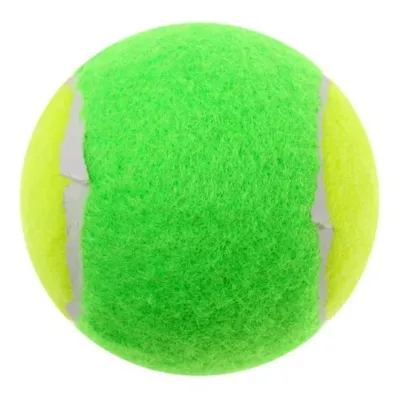
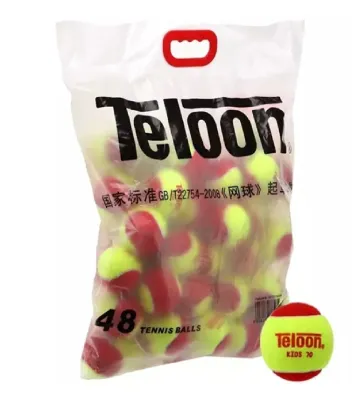
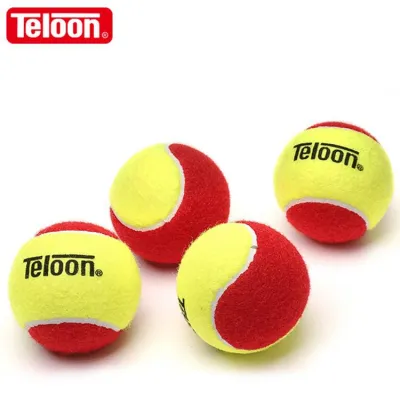
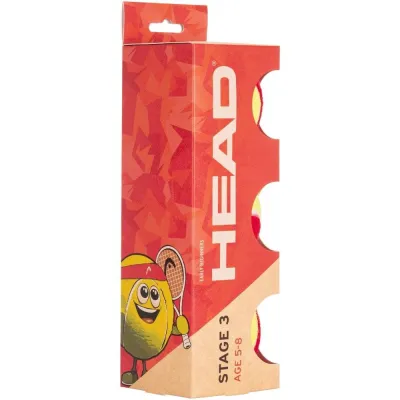
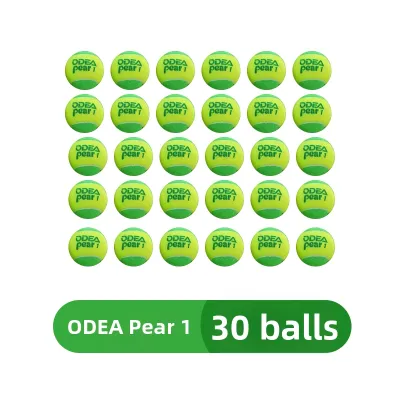
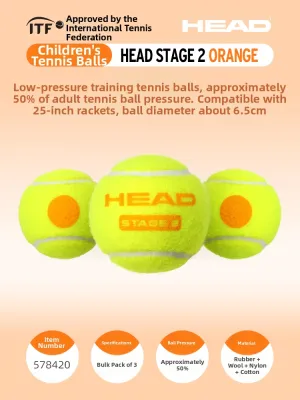
Prices are valid at publication and may change. Please refer to the product page for the latest price.
Physically, red tennis balls differ significantly from standard yellow balls. They are larger in diameter, which makes them easier to track visually and hit consistently. They are also designed to have a much lower bounce height, typically rebounding to a level that aligns with a young child’s natural strike zone. This lower compression means the ball absorbs more impact energy, reducing the overall speed of the game.
When shopping for these training aids, you will encounter two primary types of red tennis balls: foam (or sponge) balls and low-compression rubber balls. Foam red balls are exceptionally lightweight and slow, making them highly suitable for indoor practice, home driveways, or very young players who are just learning to make contact. Low-compression rubber red balls feature a felt cover similar to standard tennis balls but are pressurized at a fraction of the level of a yellow ball, making them highly suitable for outdoor courts and more realistic play.
To ensure you are purchasing the correct equipment, look for official progression labels on the packaging. Manufacturers typically print a clear “Stage 3” or “Red” indicator on the box or the balls themselves. These markings verify that the balls meet the standard specifications for introductory training, helping you avoid accidentally purchasing faster transition balls like orange (Stage 2) or green (Stage 1) varieties.
Signs Your Child Needs Red Tennis Balls for Training
Determining if your child is ready for red tennis balls involves assessing their physical attributes and observing how they interact with the ball on the court. Age and physical height are the most common starting indicators. Generally, children between the ages of five and eight, or those under 120 centimetres in height, benefit most from the Stage 3 setup, as their physical reach and strength are appropriately scaled to this equipment.

Racket size is another critical factor that must align with the ball type. Children using shorter junior rackets, typically between 19 and 23 inches in length, do not have the leverage or mass to control a heavy, fully pressurized yellow ball. Pairing a short junior racket with a red tennis ball ensures that the racket can easily propel the ball across the net without straining the child’s wrist or shoulder.
Observing your child’s ball control during active practice provides direct clues about their equipment needs. If you notice that they struggle to track the flight of a standard ball, frequently miss the ball entirely, or hit shots far out of bounds, the game is moving too fast for them. A red ball slows the action down, allowing them to focus on their footwork and timing rather than simply trying to survive the rally.
Pay close attention to where the ball bounces in relation to your child’s body. The optimal strike zone for a tennis swing is between the waist and the shoulders. If a standard ball consistently bounces above your child’s head, they will be forced to hit high, defensive shots that disrupt proper swing mechanics. The lower bounce of a red ball keeps the ball within this comfortable hitting zone, encouraging a natural low-to-high swing path.
When to Transition Away from Red Tennis Balls
Transitioning to the next stage of tennis training is a milestone that should be guided by observable skills rather than age alone. The first signal that your child is ready to move on is consistent rally performance. If they can comfortably sustain a rally of ten or more shots with a red ball, demonstrating control over both the direction and depth of their strokes, they have likely mastered the basics of Stage 3.
Physical growth also plays a natural role in this transition. As children grow taller and stronger, their swing speed increases, and they may find that the red ball no longer provides enough resistance. If your child has outgrown their 23-inch racket and is ready for a 25-inch racket, they are typically ready to transition to Stage 2 orange balls, which are slightly smaller, faster, and bounce higher.
Court coverage and movement are final indicators of readiness. Red ball tennis is played on a modified, smaller court, which allows young players to cover the space effectively. If you observe that your child can easily run down shots, defend their court, and navigate the smaller boundaries with ease, they are ready to test their movement on the larger court dimensions used for orange ball training.
Key Factors to Check Before Buying Red Tennis Balls
Selecting the right red tennis balls requires a quick check of your training environment and practice goals. If you plan to practice indoors, in a garage, or in a sheltered outdoor area common in Singapore residential estates, foam red balls are often a highly practical choice. They minimize the risk of damage to household items and bounce consistently on hard, smooth surfaces without requiring a net.
For practice on actual tennis courts, low-compression rubber red balls are the standard choice. These balls behave more like traditional tennis balls, allowing players to experience realistic spin and bounce on asphalt or acrylic court surfaces. When buying rubber options, check the product descriptions for felt quality and durability, as high-quality felt ensures the ball maintains its flight characteristics over multiple sessions.
Always verify the packaging details before making a purchase. Look for clear Stage 3 indicators or logos from recognized tennis federations to ensure the balls meet standard progression specifications. This verification prevents confusion with Stage 2 (orange) or Stage 1 (green) balls, which look similar but have higher compression levels.
Consider the quantity you need based on your training style. For individual parent-child practice or simple backyard drills, a pack of three to twelve balls is usually sufficient and easy to carry in a standard sports bag. If you are organizing group drills or high-repetition feeding practices, purchasing a larger bucket or mesh bag of 24 to 72 balls will keep the session moving smoothly without constant interruptions to collect stray balls.
Frequently Asked Questions (FAQ)
Can adult beginners use red tennis balls?
Yes, adult beginners can utilize red tennis balls to accelerate their learning process. While these balls are primarily designed for children, their slower speed and lower bounce provide adults with an excellent tool for practicing basic hand-eye coordination, footwork, and swing mechanics in a controlled environment. However, because adults possess greater physical strength, they should transition to orange, green, or standard yellow balls once they can consistently make clean contact, ensuring they adapt to standard game speeds.
Are red tennis balls suitable for full-size tennis courts?
Red tennis balls are not recommended for play on a standard, full-size tennis court. Because they are designed with low compression, they do not travel far enough or bounce high enough to span the length of a full court, which can lead to short rallies and poor swing habits. They are best used on modified courts that are shorter and narrower, or across the width of a standard court, to match the physical capabilities and movement range of the players.

Community discussion
Share your experience or ask a question. Comments are reviewed before publication.