
Finding the perfect pair of racing goggles is a highly individualized process. While marketing campaigns often highlight a single model as the ultimate choice for speed, the reality of competitive swimming is that no single racing goggle is universally superior. The optimal choice for your next race hinges on your unique facial contours, your primary race distances, and your personal hydrodynamic preferences. A goggle that provides a watertight, low-drag seal on one swimmer might leak or cause intense discomfort on another, making a systematic comparison essential before you buy.
The Arena Cobra Edge has emerged as a highly specialized, low-profile option designed to meet specific hydrodynamic needs. Engineered with a sleek frame and a distinct gasket shape, it aims to minimize drag and optimize water flow around the temples. However, to determine whether this model or a competing alternative is the right fit for your gear bag, you must evaluate several core decision criteria. By analyzing lens geometry, gasket construction, strap stability, and fit verification methods, you can make an informed choice that supports your performance in the water.
Understanding the Arena Cobra Edge Design Profile
To evaluate whether the Arena Cobra Edge aligns with your competitive needs, you must first understand its specific structural traits. The core design focus of this model is its extremely low-profile frame, which is engineered to sit tightly within the eye socket. According to manufacturer specifications, this minimized profile is paired with an extended temple structure designed to improve hydrodynamics by smoothing the transition from the goggle lens to the side of the head. This unique shape is intended to reduce drag during high-speed entries, starts, and turns.
Products mentioned in this guide
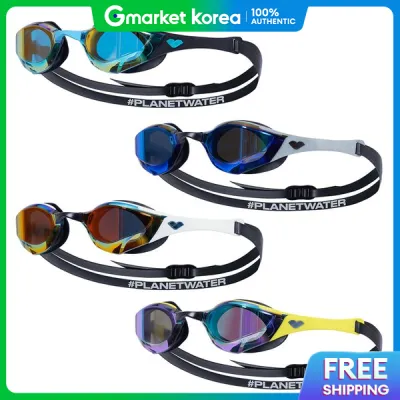
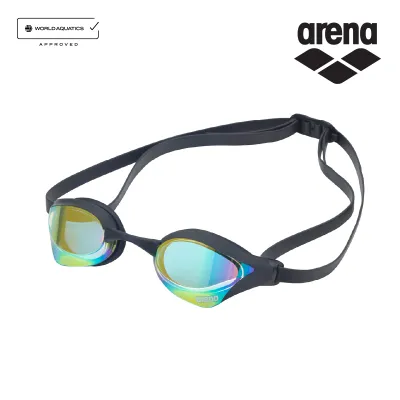
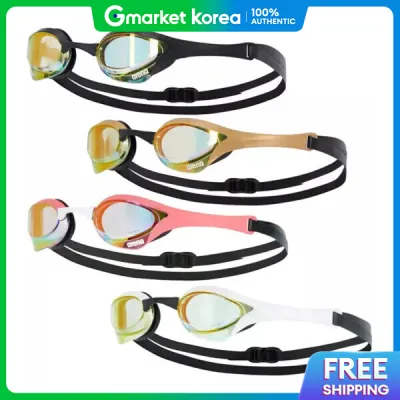
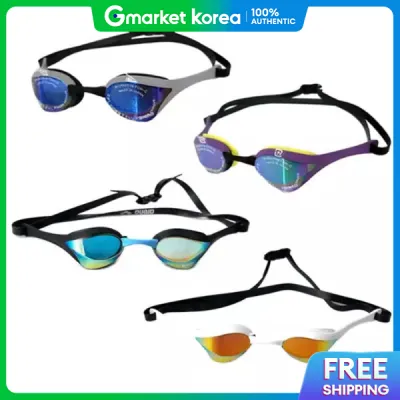
Prices are valid at publication and may change. Please refer to the product page for the latest price.
Given these design characteristics, the Arena Cobra Edge is primarily engineered for competitive racing environments, particularly sprint and middle-distance events where every fraction of a second counts. The rigid or semi-rigid nature of its low-profile frame means it prioritizes a secure, hydrodynamic seal over the plush, cushioned feel typically found in recreational or long-distance training goggles. Swimmers who prefer a highly locked-in feel during explosive starts will find this design philosophy highly relevant.
However, this specialized design means the goggle is optimized for specific facial structures. The shallow gasket depth and compact frame size require a precise match with your orbital bone structure. If you have a highly prominent brow bone or narrow eye sockets, you must carefully cross-reference these physical traits with the goggle’s dimensions. Swimmers with wider facial structures may find that the compact frame exerts localized pressure, highlighting the importance of comparing this profile against alternative designs.
Key Comparison Dimensions for Racing Goggles
When comparing the Arena Cobra Edge against other high-performance racing goggles on the market, relying on general marketing claims is rarely sufficient. Instead, you should evaluate goggles based on three primary physical dimensions: lens geometry, gasket construction, and strap systems. Examining these specific technical attributes allows you to objectively assess how a goggle will perform under tension and underwater, ensuring you select a model that matches your physical needs and racing environment.

Lens Geometry and Field of Vision
The shape and curvature of a goggle’s lenses directly dictate both your underwater visibility and your hydrodynamic profile. Traditional racing goggles often feature relatively flat lenses, which provide a clear, undistorted view directly ahead but can limit peripheral vision unless you turn your head. In contrast, many modern racing goggles, including the Arena Cobra Edge, utilize curved lens geometries. Curved lenses are designed to expand your lateral field of vision, allowing you to monitor competitors in adjacent lanes without disrupting your head position or stroke alignment.
While curved lenses offer a wider field of view, they can sometimes introduce minor visual distortion at the outer edges, which some swimmers find distracting. When selecting lenses, you should also check the manufacturer’s labels for certified UV protection levels and the expected durability of their proprietary anti-fog coatings. High-quality anti-fog treatments are essential for maintaining clear vision throughout a race, but their longevity varies significantly depending on how the goggles are handled and stored.
Furthermore, lens tint and mirror finishes must be selected based on your primary swimming environment. If you frequently train or race in bright outdoor pools, such as those common in tropical climates, mirrored finishes are highly beneficial for reflecting harsh sunlight and reducing glare. Conversely, if your events are held in dimly lit indoor complexes, a clear or lightly tinted lens is preferable to maximize light transmission and maintain excellent visibility of the pool bottom and lane markers.
Gasket Construction and Hydrodynamics
The gasket is the critical interface between the goggle frame and your skin, directly influencing both water resistance and comfort. Racing goggles generally utilize rigid, semi-rigid, or soft silicone gaskets. Rigid and semi-rigid gaskets, often favored in elite racing models like the Cobra Edge, provide a highly stable seal that resists deformation under the extreme pressure of a dive or a powerful turn. The trade-off is that these firmer materials can feel less forgiving during extended training sessions, potentially causing mild discomfort over time.
Soft silicone gaskets, on the other hand, conform more easily to a wider variety of face shapes and offer superior long-term comfort, making them popular for distance events and daily training. However, softer gaskets can sometimes flex or shift under high hydrodynamic drag, which increases the risk of water entry during explosive movements. Low-profile frames are specifically designed to mitigate this drag, but they require a highly precise fit to ensure the gasket maintains its seal without needing excessive strap tension.
Before using any new pair of goggles, you should physically inspect the gasket edge for uniformity. Look for any manufacturing imperfections, unevenness, or signs of material degradation, such as stiffness or micro-tears in the silicone. A flawless gasket edge is essential for achieving a reliable, watertight seal, and identifying these issues early can prevent unexpected leaks during a critical race.
Strap Systems and Adjustability
A secure strap system is vital for maintaining the correct tension and keeping your goggles in place during dynamic movements. Racing goggles typically feature single-strap, double-strap, or split-strap configurations. Single straps are simple but offer limited adjustability for pressure distribution. Double-strap and split-strap systems are the standard for competitive racing, as they allow you to position one strap higher on the crown of your head and the other lower, effectively anchoring the goggles from two distinct angles to prevent slipping.
The mechanism used to adjust these straps also varies. Quick-adjust buckles, often integrated into the temples or the back of the head, allow for rapid, precise tension changes even while wearing a swim cap. Traditional sliding clips are more streamlined and less likely to snag, but they can be more tedious to adjust on the fly. You should evaluate which system you prefer based on how often you adjust your goggles during a workout.
Additionally, always check the elasticity and material quality of the straps. Over time, exposure to chlorine, UV rays, and saltwater will degrade silicone and elastomer straps, causing them to lose tension or snap. Verifying the availability of replacement straps for your chosen goggle model is a smart practice, ensuring you can easily service your gear rather than replacing the entire unit when a strap inevitably wears out.
Matching Goggle Features to Your Swimming Profile
To select the right racing goggles, you must map your specific swimming habits, face shape, and typical race distances to the appropriate design characteristics. Sprinters and short-course specialists generally prioritize maximum hydrodynamics and an uncompromisingly secure seal. For these athletes, an ultra-low-profile goggle with a semi-rigid gasket, like the Arena Cobra Edge, is often ideal because it minimizes drag during explosive starts and turns where water resistance is highest.
In contrast, distance swimmers and open-water competitors must prioritize comfort and a wider field of vision. Spending hours in the water requires a goggle with a softer, more forgiving gasket that distributes pressure evenly around the orbital bone to prevent headaches and skin irritation. Distance swimmers also benefit from wider, curved lenses that allow them to sight buoys or monitor the pool deck without constantly straining their necks.
To assess your personal facial contours, use a simple checklist. If you have a prominent brow or deep-set eyes, you will likely require a goggle with adjustable nose bridges of varying lengths to prevent the frame from pressing painfully against the bridge of your nose. Swimmers with narrow eye sockets should look for compact, oval-shaped gaskets, while those with wider faces may need broader, more rectangular frames. Finally, always align your lens tint with your training environment: choose dark or mirrored lenses for sunny outdoor lanes and clear or light blue lenses for indoor facilities.
How to Verify Fit and Seal Before Committing
No matter how impressive a goggle’s specifications appear on paper, physical verification is the only way to guarantee a proper fit. To test the seal of a new pair of goggles, perform the standard suction test. Press the goggle lenses gently against your eye sockets without using the strap. If the goggles are a good match for your facial structure, they should create a temporary vacuum and remain suctioned to your face for a few seconds before releasing. If they fall off immediately, the gasket shape is not aligning correctly with your skin.
While performing this test, pay close attention to how the frame feels against your face. Check for any localized pressure points, particularly around the orbital bone or the bridge of your nose. Even minor discomfort during a brief dry test can escalate into sharp pain or tension headaches after thirty minutes of continuous swimming. The frame should distribute pressure evenly across the entire contact surface of the gasket.
It is also crucial to test the goggles while wearing your typical swim cap. A silicone or latex swim cap alters the shape of your head and can change how the goggle straps sit, which in turn affects the angle of pull on the frame. Position the straps over the cap exactly as you would during a race to ensure they do not slide or cause the gasket to lift at the corners.
Always observe a strict stop condition during this verification process. If the goggles fail to hold a seal during the dry suction test, or if they cause any sharp pain or pinching, do not attempt to force the fit by overtightening the straps. Overtightening to compensate for a poor fit will only cause discomfort and increase the risk of leaking. If the fit is incorrect, stop and try a different nose bridge size, or select a different goggle model entirely. Remember, equipment cannot replace proper training and judgment in the water.
Making the Final Decision: When to Choose Which
Your final decision should be guided by a clear, conditional framework based on your physical compatibility and racing goals. Choose the Arena Cobra Edge if you are a competitive racer who prioritizes an ultra-low-profile, highly hydrodynamic design, and your facial structure matches its compact, semi-rigid gasket shape. This model is exceptionally well-suited for sprinters who require maximum stability during high-speed dives and turns and who prefer a locked-in, secure feel.
Conversely, you should choose alternative racing goggles if you require a softer, more cushioned gasket for long-distance comfort, have a facial structure that experiences pressure points with compact frames, or prefer a wider, completely undistorted field of vision. Swimmers who do not need extreme hydrodynamics may find that versatile training-racing hybrids offer a more practical balance of comfort and performance.
Before finalizing your purchase, verify the current retail prices in S$ at reputable local sports retailers or authorized online platforms. Be sure to check their return or exchange policies regarding swim gear, as some retailers restrict returns on goggles once the packaging has been opened. Confirming these policies beforehand ensures you can exchange the goggles if your home fit verification reveals a compatibility issue.
Frequently Asked Questions (FAQ)
How tight should racing goggles feel?
Racing goggles should feel snug and secure, but they should never cause sharp pain, pinching, or leave deep, painful indentations around your eyes. A common misconception is that tighter straps prevent leaks; however, a watertight seal is primarily achieved through correct gasket suction and a proper fit against your facial contours. The straps should only provide enough tension to keep the goggles stable during dynamic movements, not to force a poor-fitting gasket onto your face.
Do mirrored lenses improve swimming performance?
Mirrored lenses do not inherently increase your swimming speed or improve your hydrodynamic performance. Their primary function is to reduce glare and brightness by reflecting light away from your eyes, which is highly beneficial when swimming in bright outdoor pools or highly illuminated indoor facilities. By reducing visual fatigue and glare, mirrored lenses help you maintain focus and visual comfort, which indirectly supports your overall performance during a race.

Community discussion
Share your experience or ask a question. Comments are reviewed before publication.