
Choosing between a beaded jump rope and a speed rope comes down to your current skill level, your primary fitness goals, and where you plan to train. If you are a beginner looking to master basic rhythm, a freestyle jumper practicing intricate footwork, or someone who exercises outdoors on concrete, a beaded jump rope is a highly practical option. Its weight and tactile feedback help you feel exactly where the rope is in space. Conversely, if your goal is high-intensity cardio, conditioning, or mastering double unders in a gym setting, a speed rope is often the more suitable choice. Its thin, lightweight cable cuts through the air with minimal resistance, allowing for rapid rotations that match high-tempo workouts.
Core Differences in Design and Feedback
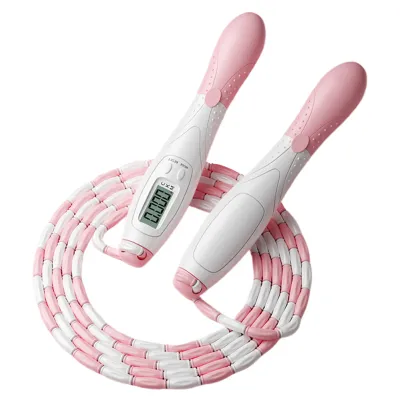
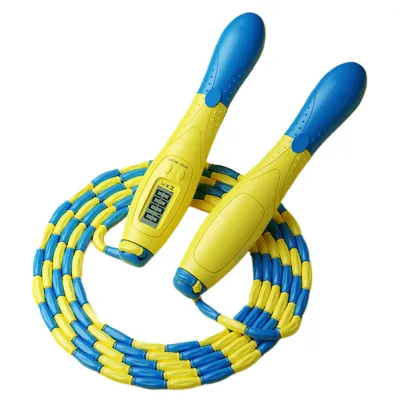
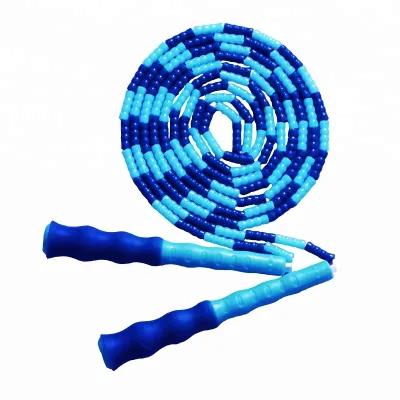
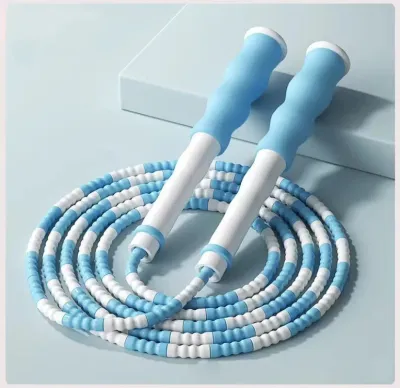
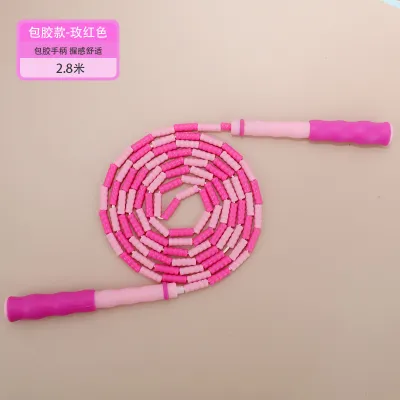
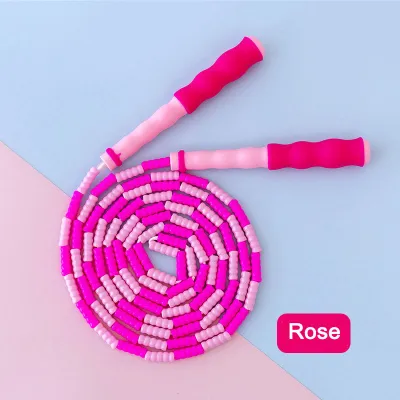
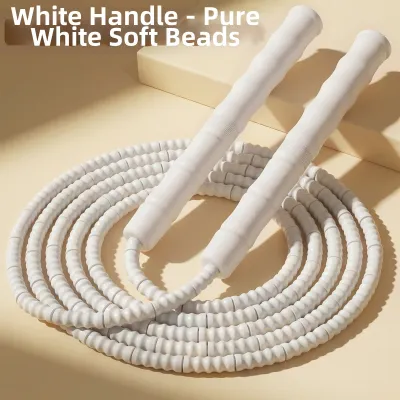
To understand which rope fits your routine, you must first look at how their physical constructions alter your workout experience. A beaded jump rope consists of a flexible inner cord—typically made of braided nylon or polyester—threaded with a series of hollow plastic beads. This design distributes weight evenly along the entire length of the rope rather than concentrating it in the handles. The beads add a deliberate heft and create a distinct aerodynamic drag. When the rope hits the floor, the beads produce a loud, rhythmic clicking sound. This auditory cue, combined with the physical pull of the weighted cord, provides continuous sensory feedback, making it easy to track the rope’s position without looking directly at it.
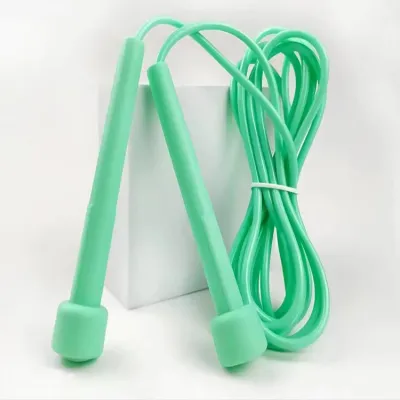
In contrast, a speed rope is engineered for maximum efficiency and minimal resistance. It features a very thin cable, usually made of PVC, coated steel wire, or bare wire, attached to the handles via a ball-bearing axis. This design concentrates the weight in the handles while keeping the rope itself as light and aerodynamic as possible. Because the thin cable cuts through the air with virtually no drag, it lacks the pronounced physical feedback of a beaded rope. You will not hear a loud click on the floor, nor will you feel a heavy tug on your wrists. Instead, a speed rope delivers a sharp, fast “whip” sensation, requiring precise hand placement and highly developed timing to control.
Products mentioned in this guide
Prices are valid at publication and may change. Please refer to the product page for the latest price.
Matching the Rope to Your Training Goals
Your choice of jump rope should directly align with what you want to achieve during your training sessions. If your primary objective is high-intensity cardiovascular conditioning, endurance building, or preparing for competitive fitness workouts, the speed rope is the standard tool. Its low-friction design allows you to sustain high revolutions per minute (RPM) for extended periods. This rapid pace elevates your heart rate quickly, making it highly effective for short, intense conditioning intervals where speed and efficiency are paramount.

For those focused on freestyle jumping, complex footwork, and trick progression, the beaded jump rope is well-suited. The added weight of the beads keeps the rope’s loop open and stable even at slower speeds, preventing the cord from collapsing or tangling during wraps, crosses, and releases. Additionally, the high visibility of the colored plastic beads helps you track the arc of the rope in your peripheral vision, which is crucial when executing intricate transitions or behind-the-back maneuvers. The deliberate pace of a beaded rope gives your brain and muscles those extra fractions of a second needed to coordinate complex movements.
If your goal is general fitness, active recovery, or a simple warm-up before lifting weights, both ropes can serve a purpose, but they offer different experiences. A beaded rope provides a more engaging, rhythmic, and full-body sensory workout that can make warm-ups feel less monotonous. A speed rope, on the other hand, is excellent for quickly priming your central nervous system and calf muscles for explosive movements. Consider your personal preference for physical feedback versus pure speed when selecting your daily warm-up tool.
Skill Level and Learning Curve
Your current proficiency level plays a major role in how quickly you will progress with either rope. Beginners often struggle with jump ropes because they cannot feel where the cable is, leading to mistimed jumps and frequent trips. A beaded jump rope acts as an excellent teaching tool because its weight slows down the rotation. This slower pace gives you ample time to jump, while the physical tug on your wrists and the clicking sound on the floor tell you exactly when to leap. By using a beaded rope, novices can quickly establish a consistent rhythm, build hand-eye coordination, and develop proper hand positioning without the frustration of constant stoppages.
As you transition to an intermediate or advanced level, your goals may shift toward speed-based milestones like double unders (where the rope passes under your feet twice per jump) or triple unders. Achieving these movements with a beaded rope requires immense physical effort due to the air resistance of the beads. This is where transitioning to a speed rope becomes necessary. The lightweight cable and smooth ball-bearing handles allow you to spin the rope fast enough to clear your feet multiple times in a single jump.
Recognizing when your equipment is limiting your progress is key to continuous improvement. If you find that you can easily maintain a steady rhythm but cannot increase your speed no matter how hard you turn your wrists, your beaded rope may be holding you back. Conversely, if you are a beginner using a speed rope and find yourself constantly tripping because the rope moves too fast for your feet to keep up, switching to a beaded rope can help you reset and master the fundamentals.
Durability, Surface, and Maintenance Checks
The environment where you train has a significant impact on how long your jump rope will last. Outdoor surfaces like concrete, asphalt, and rough outdoor courts are highly abrasive. When a bare or coated steel speed rope repeatedly strikes these surfaces, the protective coating quickly wears away, exposing the inner wire to fraying and eventual snapping. A beaded jump rope is highly durable on rough ground because the plastic beads act as a protective armor for the inner nylon cord. While the beads themselves will gradually wear down over months of use, they are easily replaceable, and the structural integrity of the inner cord remains protected.
For indoor training on smooth surfaces, such as hardwood gym floors, rubber tiles, or specialized jump rope mats, speed ropes perform very well. These smooth surfaces minimize friction, allowing the thin cable to glide effortlessly without premature wear. If you must use a speed rope outdoors, it is highly recommended to jump on a portable rubber mat to protect the cable from abrasive concrete.
Maintenance and adjustability also differ greatly between the two designs. Speed ropes typically use a screw-and-collar system or adjustable compression chucks in the handles, allowing you to quickly slide the cable to your desired length and cut off the excess wire with wire cutters. Beaded ropes are adjusted by popping off the handle cap, untying the knot in the inner nylon cord, sliding off the excess plastic beads, cutting the cord, and retying the knot. Always consult the manufacturer’s instructions before making permanent alterations to ensure you do not compromise the rope’s balance or handle attachment mechanisms.
How to Choose: A Decision Framework
To make your final decision, evaluate your training environment, skill level, and primary fitness objectives against this structured framework.
Choose a beaded jump rope if:
- You are a beginner learning the basic mechanics and rhythm of jumping.
- Your primary training goals involve freestyle tricks, footwork, and coordination.
- You frequently workout outdoors on concrete, asphalt, or rough park surfaces.
- You prefer strong tactile and auditory feedback to guide your timing.
Choose a speed rope if:
- You are an intermediate or advanced jumper focusing on high-speed cardio.
- Your workouts specifically require double unders or high-RPM conditioning.
- You primarily train indoors on gym floors, rubber mats, or smooth surfaces.
- You want a lightweight, low-resistance rope that minimizes shoulder fatigue during long sessions.
Before purchasing any rope, verify the handle ergonomics and bearing quality. Look for handles that offer a secure grip even when your hands are sweaty, and check if the rope uses smooth ball bearings to prevent twisting and tangling during high-speed rotations.
Frequently Asked Questions (FAQ)
Can I use a beaded jump rope for double unders?
Yes, it is physically possible to perform double unders with a beaded jump rope, but it requires significantly more physical effort and wrist strength than using a speed rope. The plastic beads create substantial air resistance and add weight, which slows down the rotation speed of the cord. While advanced athletes sometimes use beaded ropes for double unders to add a heavy conditioning element to their workouts, beginners and intermediates will find it much harder to learn or sustain the movement. For high-repetition double unders, a speed rope remains the industry standard.
How do I size a beaded jump rope compared to a speed rope?
To size either rope, stand on the center of the cord with one foot and pull the handles straight up along your torso. For beginners using either a beaded or speed rope, the tips of the handles should reach approximately to your armpits. As your technique improves, you can shorten the rope to bring the handles closer to your chest or ribs. To adjust a speed rope, you typically loosen the adjustable screws on the collar, slide them to the desired length, and cut the excess wire. For a beaded rope, push the cord up through the handle, untie the safety knot, slide off the unnecessary beads, cut the excess nylon cord, and retie the knot securely. Always test the length with a few gentle jumps before making any permanent cuts.

Community discussion
Share your experience or ask a question. Comments are reviewed before publication.