
Starting out in recreational fishing in Singapore is an exciting venture, but walking into a tackle shop or browsing online marketplaces can quickly become overwhelming. For most beginners, a pre-packaged fishing rod set—often called a rod and reel combo—is the most practical and cost-effective way to start. These sets eliminate the guesswork of matching a rod’s technical specifications with a compatible reel, ensuring you have a balanced setup right from your first cast. Choosing the right set requires understanding where you plan to fish, whether in tranquil freshwater reservoirs or along high-salinity coastal jetties, and verifying the physical integrity of the components before you head to the water.
Understanding Fishing Rod Set Components
A complete fishing rod set typically bundles several critical components designed to work in harmony. The foundation is the rod blank, which is the main shaft of the rod, and the reel, which holds and retrieves the fishing line. Many beginner sets also come pre-spooled with fishing line, saving you the step of winding line onto the spool yourself. Additionally, some comprehensive bundles include a starter selection of terminal tackle, which refers to the items attached to the end of your line, such as hooks, sinkers, swivels, and basic artificial lures.
When evaluating these sets, you will primarily encounter two types of reel configurations: spinning and spincast. A spinning setup features an open-face reel mounted underneath the rod, where the line unspools freely during a cast. This design is highly versatile, offers excellent casting distance, and is the standard choice for most local anglers. A spincast setup, on the other hand, features a closed-face reel mounted on top of the rod, with a simple push-button mechanism to release the line. While spincast reels are exceptionally easy for absolute beginners or young children to operate without tangles, they generally offer less casting control and lower line capacity than spinning reels.
Products mentioned in this guide
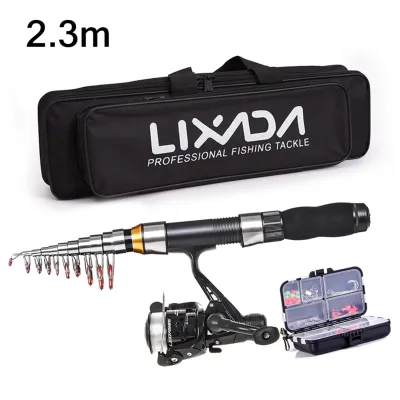
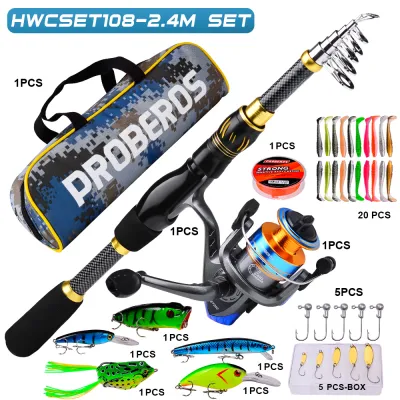
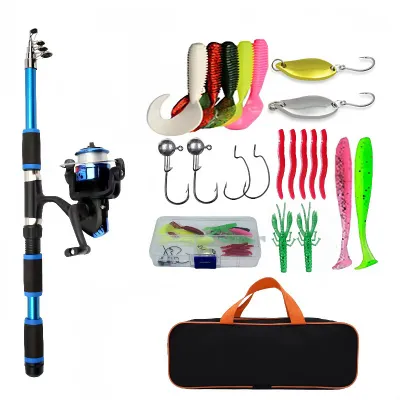
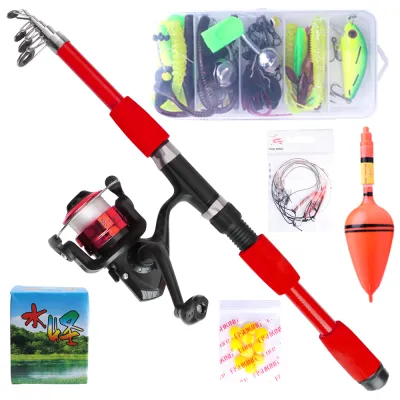
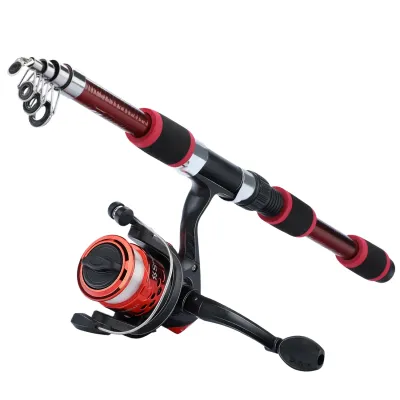
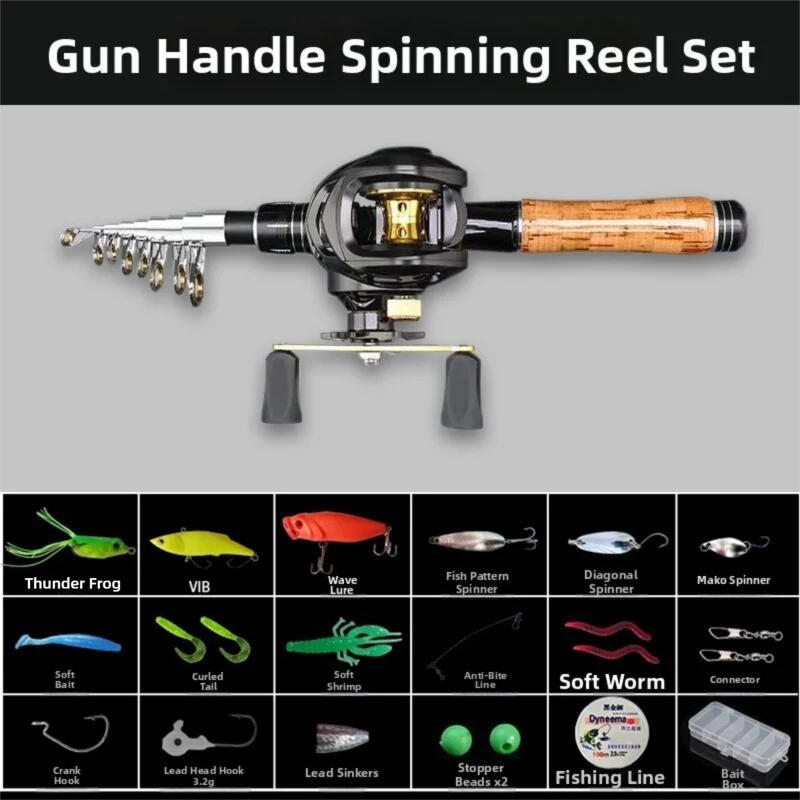
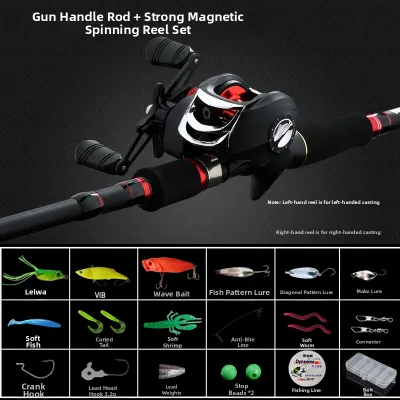
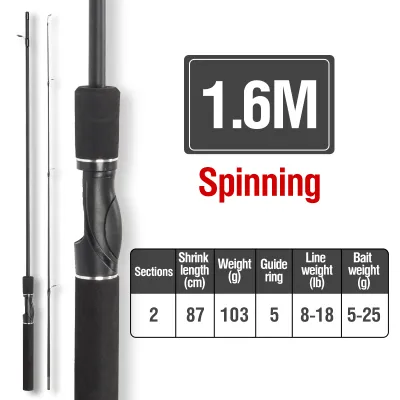
Prices are valid at publication and may change. Please refer to the product page for the latest price.
Beyond the rod and reel, the inclusion of a tackle box and basic accessories adds significant value to a beginner bundle. Look for sets that provide a small, compartmentalized utility box containing a variety of hook sizes, split-shot sinkers, and barrel swivels. These small hardware pieces are essential for rigging live bait or soft plastics. Having these accessories pre-packaged means you can head straight to a designated fishing spot without needing to purchase individual terminal tackle components separately, making your entry into the sport seamless and highly organized.
Key Selection Criteria for Beginners
To select a fishing rod set that is easy to handle yet versatile enough for various situations, you must look past marketing claims and focus on core physical specifications. The first specifications to consider are rod length and power. For a beginner, a rod measuring between 6 and 7 feet (approximately 1.8 to 2.1 meters) offers the ideal balance between casting distance and maneuverability. A rod of this length is easy to transport in public transit or compact vehicles while still providing enough leverage to cast effectively.

Rod power describes how much force is required to bend the rod blank. A medium-power rod is highly recommended for beginners because it is stiff enough to handle larger fish and heavier sinkers, yet sensitive enough to register the subtle bites of smaller species. This middle-ground rating ensures you can practice different fishing techniques, from bait fishing to casting light lures, without needing to buy multiple specialized rods.
The reel’s gear ratio and drag system are equally critical to your success on the water. The gear ratio, expressed in numbers like 5.2:1, indicates how many times the spool rotates for every single turn of the handle. A moderate gear ratio between 5.0:1 and 6.0:1 is highly versatile, providing a steady retrieval speed that works well for most beginner techniques. When inspecting a reel, test the drag system by pulling line from the spool while the drag knob is tightened; the line should release smoothly without jerking or sticking. A smooth drag is essential for preventing line breakage when a strong fish makes a sudden run.
Finally, pay close attention to the rod’s construction material, which is typically graphite, fiberglass, or a composite blend. Graphite rods are lightweight and highly sensitive, allowing you to feel the slightest vibrations under the water, but they can be brittle if subjected to sudden impacts or improper bending. Fiberglass rods are incredibly durable, flexible, and forgiving of beginner mistakes, such as accidental high-sticking or bumping against concrete barriers, though they are heavier and less sensitive. For most novices, a composite rod that blends both materials offers a durable, sensitive, and forgiving entry point.
Matching Rod Sets to Local Fishing Environments
Singapore offers a diverse range of fishing environments, from manicured freshwater reservoirs to high-current saltwater coastlines. Matching your rod set’s specifications to your intended fishing venue is crucial for both catching fish and protecting your gear. If you plan to fish in designated freshwater zones, such as reservoirs or commercial ponds, you will primarily target species like tilapia, peacock bass, or snakehead. These environments generally call for lighter setups. A medium-light to medium-power rod paired with a 1000 to 2500-size spinning reel allows you to cast light lures and delicate live baits with high precision, ensuring you can feel the subtle bites typical of freshwater species.
If you prefer coastal fishing along saltwater jetties, breakwaters, or beaches, your equipment must be significantly more robust. Saltwater environments present harsh conditions, including corrosive salt spray and strong tidal currents. For these areas, look for a rod set featuring corrosion-resistant components, such as stainless steel or ceramic line guides and an anodized aluminum reel spool. A medium to medium-heavy power rod paired with a larger 3000 to 4000-size reel is necessary to handle heavier sinkers, withstand strong currents, and provide the line capacity needed to fight larger coastal species.
For urban canals, concrete drains, or heavily vegetated banks where casting space is severely restricted, maneuverability becomes your primary concern. In these confined spaces, a standard 7-foot rod can easily strike overhead branches or railings during a cast. Consider a shorter rod, around 5 to 5.5 feet, or a high-quality telescopic rod set. Telescopic rods collapse into a highly compact form, making them exceptionally easy to carry in a backpack while commuting on the MRT or buses, allowing you to access tight urban fishing spots discreetly and safely.
When fishing along coastal areas or reservoirs, safety must always come first. Wet rocks, concrete steps, and sudden tropical downpours present slipping hazards. Always check the weather forecast for lightning warnings before heading out, wear footwear with reliable grip, and never fish alone in isolated areas. Equipment cannot replace personal judgment and situational awareness.
Regardless of where you plan to fish, remember that local retail inventory fluctuates frequently. It is highly recommended to verify specific model availability, spare parts support, and current stock levels with local tackle shops before making a final decision, ensuring you can secure a set that matches your immediate needs.
Purchasing Channels and Pre-Checkout Verification
When you are ready to purchase your first fishing rod set, you can choose between visiting a brick-and-mortar local tackle shop or browsing online marketplaces. Local tackle shops offer the invaluable benefit of hands-on advice from experienced staff who understand the nuances of local fishing spots. You can physically hold the rod, feel its weight, and test the reel’s smoothness before spending any money. Conversely, online marketplaces and e-commerce platforms often provide a broader selection of international brands and convenient price comparisons, though you lose the ability to inspect the product physically before it arrives at your doorstep.
If you choose to buy online or once you are inspecting a set in a physical store, always perform a thorough physical inspection before finalizing your purchase or accepting a delivery. Start by checking the alignment of the line guides along the rod blank; they should form a perfectly straight line from the reel seat to the tip. Next, inspect the ceramic inserts inside each guide ring to ensure there are no cracks or chips, as even a tiny nick can fray and snap your fishing line under tension. Tighten the reel seat to ensure the reel sits securely on the rod without any wobbling or play.
Finally, flex the rod gently to check the blank’s integrity, listening closely for any creaking sounds that might indicate internal structural damage. Spin the reel handle to verify that the gears rotate smoothly without grinding, and check that the anti-reverse switch engages instantly. Before checking out, especially on e-commerce platforms, carefully verify the manufacturer’s warranty terms and the seller’s return policy. Ensure that you can easily return or exchange the set if it arrives with transit damage, as rod tips are particularly vulnerable to breakage during shipping.
Frequently Asked Questions (FAQ)
Do I need a fishing license to fish in Singapore?
In Singapore, you do not need a specific individual recreational fishing license to fish in designated public areas, but you must strictly adhere to local regulations and zoning laws. Government agencies, such as the National Parks Board (NParks) and PUB, designate specific zones within reservoirs, parks, and coastal areas where fishing is legally permitted. Fishing outside these designated zones, using illegal gear like nets or traps, or releasing non-native species into reservoirs can result in strict penalties and fines. Always check the official websites of NParks and PUB, or look for on-site signage, to verify the exact boundaries and rules of your chosen fishing spot before casting your line.
How much should I budget for my first fishing rod set?
For a complete beginner, a realistic budget for a reliable, entry-level fishing rod and reel set ranges from S$30 to S$80. Sets within this price range offer decent durability and smooth operation without requiring a significant upfront investment. If you have a flexible budget, it is highly recommended to allocate more of your funds toward a set with a reliable, smooth-operating reel rather than a premium, ultra-lightweight rod blank. A poorly constructed reel with a sticky drag or grinding gears will cause frequent line tangles and frustration, whereas a basic, durable rod blank is more than adequate for learning the fundamentals of casting and retrieving.
Can I use a freshwater rod set for saltwater fishing?
You can occasionally use a freshwater rod set in saltwater environments, but you must take immediate and thorough maintenance steps to prevent permanent damage. Saltwater is highly corrosive and will rapidly degrade non-treated metal components, leading to rusted reel bearings, seized gears, and corroded line guides. If you use a freshwater setup near the sea, rinse the entire rod and reel thoroughly with gentle running freshwater as soon as you return home. Wipe down the rod blank, rinse the line spool, and dry all components completely with a soft cloth before storing them in a well-ventilated area to prevent rust from forming.

Community discussion
Share your experience or ask a question. Comments are reviewed before publication.