
Starting out in angling can feel overwhelming with the sheer variety of gear available, but selecting a versatile, mid-to-large-sized reel is an excellent way to simplify your entry into the sport. A 6000-size fishing reel strikes a practical balance for beginners in Singapore, offering the line capacity and structural strength needed to tackle both coastal saltwater species and larger freshwater targets. This size is robust enough to handle the demanding conditions of local jetties and breakwaters, yet manageable enough for a novice to cast and retrieve without immediate fatigue. By understanding what to look for in entry-level brands, you can make an informed investment that supports your learning curve and keeps you safe on the water.
Understanding the 6000 Reel Size for Beginners
A 6000-size reel is generally classified as a medium-to-large spinning reel. For a beginner, this size provides a forgiving margin of error when fighting stronger fish, as it accommodates thicker lines and offers more robust internal gears than smaller 2000 or 3000 models. In Singapore’s diverse angling environments—ranging from the high platforms of Bedok Jetty to the rocky shorelines of Changi and the deep waters around the Southern Islands—this size is highly versatile. It allows you to target popular local species such as snapper, grouper, threadfin, and even small pelagics without worrying about your line running out during a sudden run.
When pairing a 6000 reel, balance is critical. This reel size typically weighs between 400 and 600 grams, depending on the materials used. To avoid a setup that feels tip-heavy or bottom-heavy, you should pair it with a medium-heavy rod, generally between 7 and 9 feet in length, rated for line weights of 15 to 30 pounds. A mismatched setup can lead to poor casting distance, rapid wrist fatigue, and difficulty detecting subtle bites.
Products mentioned in this guide
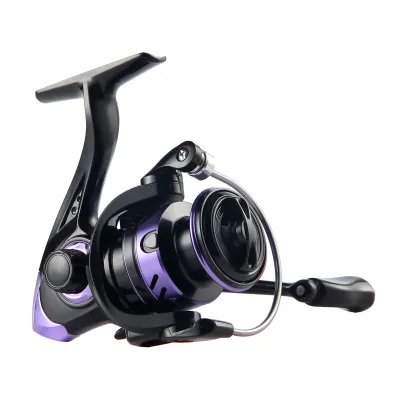
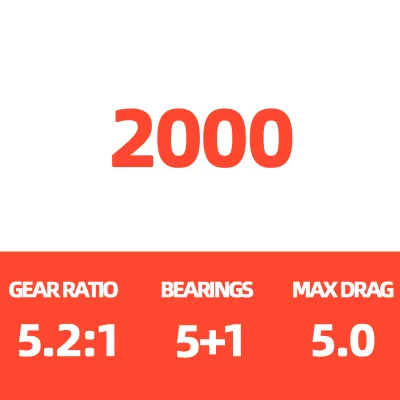
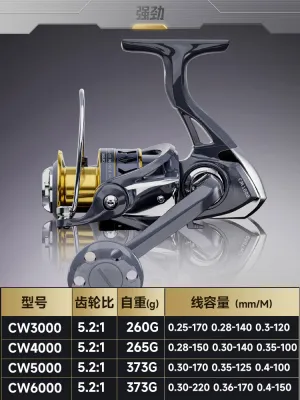
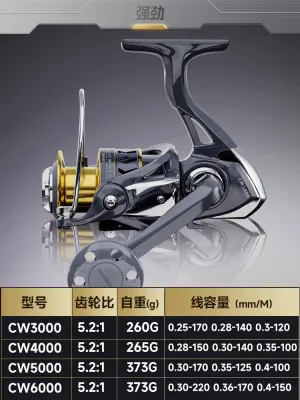
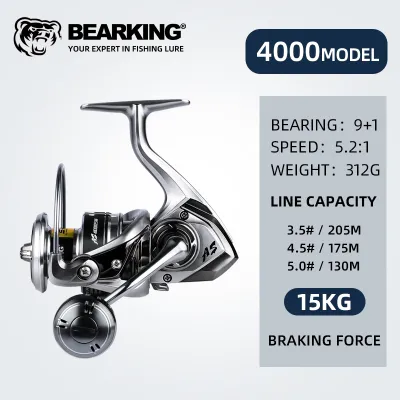
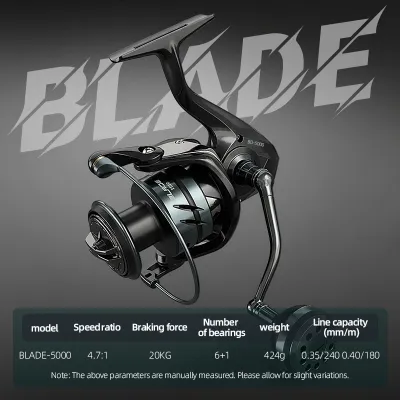
Prices are valid at publication and may change. Please refer to the product page for the latest price.
While the 6000 size is highly versatile, it is not a universal solution. If your primary goal is light-tackle fishing in recreational payponds, casting small lures in reservoirs, or targeting small whiting along sandy beaches, a 6000 reel will feel unnecessarily heavy and cumbersome; in these scenarios, downsizing to a 2500 or 3000 size is more appropriate. Conversely, if you plan to venture far offshore into deep waters for heavy jigging or trolling for large pelagics, you may need to upsize to an 8000 or 10000 reel to accommodate the massive line capacities and extreme drag pressures required.
Key Features to Evaluate in Entry-Level Brands
When evaluating entry-level 6000 reels, understanding the technical specifications helps you look past marketing jargon to find genuine value. The first specification to check is the gear ratio, which indicates how many times the spool rotates for every single turn of the handle. A gear ratio of 4.8:1 to 5.2:1 is common for 6000-size reels, offering a balanced retrieve speed. This moderate ratio provides excellent cranking power, making it easier to pull stubborn fish away from jetty pylons or underwater structures, while still retrieving fast enough for basic lure presentations.

Ball bearings play a vital role in the smoothness and longevity of the reel. Rather than simply looking for the highest number of bearings, beginners should focus on the quality and placement of those bearings. Look for brands that specify shielded or sealed stainless steel ball bearings. These designs prevent salt crystals, sand, and moisture from entering the bearing races, which is particularly crucial in Singapore’s highly corrosive tropical saltwater environments. A reel with four high-quality shielded bearings will often outperform and outlast a budget model boasting ten unshielded bearings.
The drag system is your primary defense against powerful fish. It consists of a series of friction washers inside the spool that slip to release line under a set tension, preventing the line from snapping. For a 6000-size reel, a maximum drag capacity of 8 to 12 kilograms is standard and more than sufficient for beginner targets. However, consistency is more important than maximum power. The drag should release line smoothly without jerking or sticking; a jerky drag can easily cause line breakage during a fish’s sudden surge. Carbon fiber drag washers are highly recommended for their smooth performance and heat resistance compared to felt washers.
Finally, consider the body material of the reel. Entry-level reels are typically constructed from either graphite (sometimes labeled as carbon composite) or aluminum. Graphite bodies are lighter and highly resistant to corrosion, making them excellent for beginners who want an easy-to-handle, low-maintenance reel. However, graphite can flex under extreme loads. Aluminum bodies offer superior rigidity and strength, ensuring that the internal gears remain perfectly aligned during heavy fights, but they are heavier and require more diligent rinsing to prevent galvanic corrosion.
Common Beginner-Friendly Reel Brand Profiles
Navigating the market requires understanding how different manufacturers position their entry-level offerings. Legacy tackle brands, which have spent decades developing high-end angling technology, often trickle down their engineering innovations into budget-friendly sub-lines. These brands focus on reliable quality control, precise gear alignment, and smooth drag systems even in their entry-level models. When you buy from an established legacy brand, you are often paying for proven mechanical designs and the peace of mind that the reel will perform consistently out of the box.
On the other hand, value-focused brands have gained significant popularity by offering high spec-to-price ratios. These brands often pack features typically reserved for premium models—such as aluminum bodies, carbon drag washers, and high bearing counts—into highly affordable packages. For casual or weekend anglers who may only fish a few times a month, these brands offer an accessible entry point without a major financial commitment.
A critical trade-off to consider between these brand categories is the long-term availability of replacement parts and customer service. Legacy brands generally maintain robust supply chains, making it relatively easy to source replacement spools, handle assemblies, or internal gears through local tackle shops in Singapore. Value-focused brands, particularly those operating primarily online, may offer less direct local support, meaning a broken part could require replacing the entire reel.
To make an objective comparison, always read the manufacturer’s specification sheet rather than relying on promotional claims. Compare the weight, maximum drag, line capacity (specifically for the line type you plan to use, whether monofilament or braided line), and the presence of saltwater protection features. This systematic approach ensures you select a model based on functional capability rather than brand hype.
Where to Buy and What to Verify Before Checkout
Acquiring your first 6000-size reel involves choosing the right purchasing channel and performing diligent pre-purchase checks. Local brick-and-mortar tackle shops in Singapore offer an invaluable advantage: the opportunity to physically handle the reel, feel its weight, test the smoothness of the handle rotation, and seek advice from experienced staff. These shops can also spool your reel with the correct line and recommend matching rods. Alternatively, official brand stores on major e-commerce platforms offer convenience and direct manufacturer backing, while general online marketplaces may provide competitive pricing but require extra vigilance.
Before finalizing your purchase, verify the warranty terms and the availability of local service centers. A valid local warranty ensures that if your reel suffers from a manufacturing defect, you can have it repaired or replaced without shipping it overseas. Be sure to ask the seller if the warranty is covered by the official Singapore distributor or if it is a parallel import, as parallel imports often lack local service support.
When unboxing or inspecting the reel at the counter, check the package inclusions carefully. Ensure that the box contains the user manual, a schematic diagram (essential for future maintenance), and any included accessories such as spare spools, handle adjustment washers, or reel pouches. The manual should be clear and written in a language you understand, as it contains vital instructions on operation and basic care.
Be cautious of red flags that indicate counterfeit or defective products. Suspiciously low prices—such as a premium brand model offered at a fraction of its standard retail price—are a primary indicator of counterfeits. Inspect the reel’s finish for uneven paint, misaligned logos, rough edges, or a grinding sensation when turning the handle. Reliable sellers will always have clear return policies and transparent customer feedback.
Essential Maintenance for Your First Reel
Proper maintenance is essential to preserve the performance of your 6000-size reel, especially given the harsh combination of saltwater and tropical humidity in Singapore. After every outing, particularly in marine or brackish environments like coastal jetties or mangrove areas, you must rinse your reel. Tighten the drag knob completely to prevent water from entering the drag stack, then rinse the reel gently under a slow stream of cool, fresh water. Avoid using high-pressure hoses, as high pressure can force salt crystals and water deep into the internal gears and bearings. After rinsing, loosen the drag knob to relieve pressure on the washers, and wipe the reel down with a dry microfiber cloth, allowing it to air-dry completely in a well-ventilated indoor area away from direct sunlight.
Regular visual inspections help catch minor issues before they lead to gear failure. Check the line roller—the small wheel where the line transitions onto the spool—to ensure it spins freely; a stuck line roller will quickly damage your fishing line and cause severe twists. Inspect the spool lip for any nicks or scratches that could chafe your line during casting, and check around the drag knob for any accumulated salt crust or sand particles.
Storage conditions play a significant role in the lifespan of your gear. Store your reel in a cool, dry place inside your home. Avoid leaving your tackle in the trunk of a car or in a hot balcony cabinet, as Singapore’s extreme heat and humidity can degrade monofilament lines, weaken graphite components, and cause internal lubricants to break down or run out of the gear chamber.
While basic cleaning and external lubrication are easy to perform at home, know when to seek professional help. If you notice a persistent grinding noise, a stiff handle, or a sudden drop in drag smoothness, do not attempt to completely disassemble the internal gear body unless you are confident in your technical skills. Taking your reel to a qualified technician at a local Singapore tackle shop for an annual service is a cost-effective way to ensure your gear remains reliable for years to come.
Frequently Asked Questions (FAQ)
Can I use a 6000 reel for freshwater fishing?
Yes, you can use a 6000-size reel for freshwater fishing, but it is generally reserved for specific scenarios. In Singapore, this size is highly suitable for targeting large freshwater species like giant snakehead (toman) or large catfish in payponds and designated reservoir zones where heavy cover or strong fighting fish require heavy braided lines and high drag power. However, for general freshwater angling targeting smaller peacock bass or tilapia, a 6000 reel is excessively heavy and will reduce your casting accuracy and sensitivity.
What is the difference between front drag and rear drag on beginner reels?
Front drag systems feature the adjustment knob on top of the spool, while rear drag systems place the control knob at the bottom of the reel body. Front drag reels are highly recommended for beginners because they utilize larger drag washers, providing smoother performance, higher maximum drag limits, and better heat dissipation. Rear drag reels offer easier adjustment during a fight but are mechanically more complex, heavier, and more vulnerable to saltwater intrusion, making them less ideal for coastal angling.
How often should I respool my 6000 fishing reel?
Rather than following a strict calendar schedule, you should respool your reel based on visual and tactile indicators. Inspect your line regularly for signs of fraying, discoloration, or a rough texture, which indicate UV damage and abrasion from rocks or jetty structures. If you use monofilament line, check for severe line memory—where the line retains tight coils when pulled off the spool—as this reduces casting distance and causes tangles. For active anglers fishing weekly in Singapore’s warm waters, replacing monofilament every three to six months, and braided line every one to two years (or reversing it on the spool), is a reliable practice.

Community discussion
Share your experience or ask a question. Comments are reviewed before publication.