
Selecting a 16kg kettlebell in Singapore requires matching the physical design of the weight to your specific fitness objectives, home training space, and the local tropical climate. A 16kg bell is widely considered the standard starting weight for active men and an excellent progression weight for experienced women, making it one of the most versatile tools for home workouts. To make the right investment, you must decide between the compact, wide-handled design of cast iron bells for traditional strength movements and the uniform, single-size profile of steel competition bells for high-rep ballistic training. By evaluating handle textures, base stability, and local delivery logistics, you can secure a durable training tool that fits seamlessly into your HDB apartment or home gym setup.
Match Kettlebell Design to Your Training Goals
Kettlebells generally fall into two primary categories: standard cast iron and competition-style steel. Understanding the structural differences between these two designs is essential because they directly impact how the weight moves, how it feels in your hand, and which exercises it supports best.
Standard cast iron kettlebells are cast from a single pour of molten metal. As the weight of a cast iron bell increases, its physical size also grows. A 16kg cast iron bell is relatively compact compared to heavier sizes, making it highly maneuverable. These bells typically feature a wider, slightly curved handle that easily accommodates a two-handed grip. This makes cast iron the preferred choice for fundamental strength grinds such as two-handed swings, goblet squats, deadlifts, and overhead presses. The weight distribution is concentrated in the ball of the bell, providing a stable center of gravity for slow, controlled movements.
Products mentioned in this guide
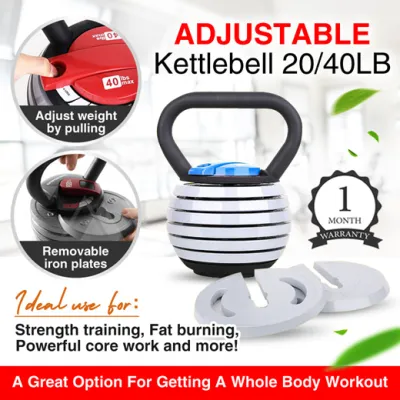
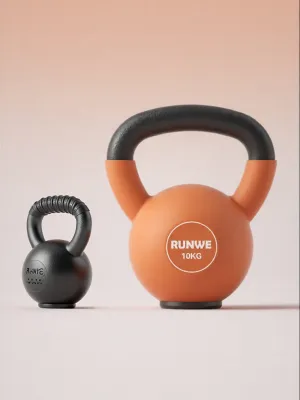
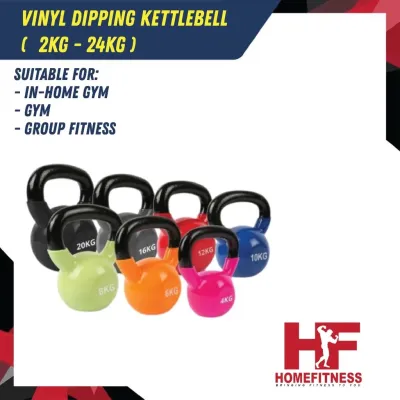
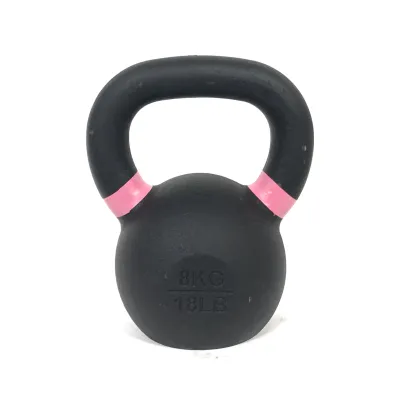
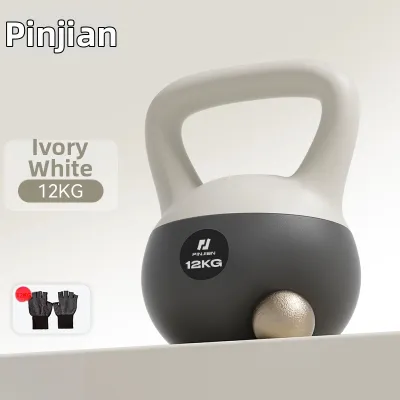
Prices are valid at publication and may change. Please refer to the product page for the latest price.
Competition-style kettlebells are constructed from steel, and regardless of their weight, their external dimensions remain completely identical. A 16kg competition bell has the exact same height, bell diameter, and handle size as an 8kg or a 32kg bell. The handle is narrower, straighter, and designed specifically for single-handed use. This uniform sizing is highly advantageous for high-rep ballistic exercises such as snatches, cleans, and single-arm swings. Because the physical dimensions never change, your technique, forearm clearance, and racking position remain perfectly consistent as you progress to heavier weights over time.
Powder-coated cast iron kettlebells offer a practical middle ground. They retain the compact size of traditional cast iron but feature a textured finish that holds chalk exceptionally well. This hybrid style bridges the gap between raw strength grinds and high-rep endurance work, making it a highly versatile option for general physical preparation.
Establishing consistent dimensions is crucial if you plan to transition between different weights later. If your long-term goal involves mastering complex kettlebell sport lifts, starting with a competition-style bell ensures your movement mechanics remain unchanged. However, if your routine consists primarily of basic strength lifts and two-handed conditioning work, the wider handle of a standard cast iron bell is generally more comfortable and practical.
Key Physical Features to Check Before Buying
Before finalizing your purchase, evaluating the physical attributes of a kettlebell ensures it will be safe, comfortable, and durable. The interface between your hand and the metal is the most critical point of contact, making handle finish a primary consideration.

Handle finishes vary widely, with powder coating, bare steel, and enamel being the most common options. Powder coating provides a matte, slightly textured surface that balances grip security with skin comfort, holding chalk effectively without tearing your palms. Bare steel handles, often found on high-quality competition bells, offer a highly responsive feel but require regular maintenance to prevent oxidation. Enamel or painted finishes are smooth and budget-friendly, but they can become incredibly slippery when wet with sweat and are prone to chipping, which can leave sharp edges.
The design of the base is another critical safety feature to verify. A high-quality kettlebell must have a completely flat, machined bottom to ensure stability during floor-based exercises. Movements like renegade rows, push-ups on the horns, or mounted planks require a rock-solid foundation. A rounded or uneven base can wobble under load, posing a risk of wrist strain or sudden tipping. Always check manufacturer specifications or inspect the bell in person to confirm the base is flat and free of casting imperfections.
Handle clearance and horn width dictate how comfortably you can hold and rack the weight. The window size—the space between the underside of the handle and the top of the bell—must be deep enough to prevent your wrists from rubbing against the metal during cleans and presses. If the clearance is too shallow, you risk painful forearm bruising. For two-handed exercises, the horns must be wide enough to accommodate both hands without crowding your fingers. A handle diameter of 33mm to 35mm is standard for cast iron, while competition steel bells typically feature a standard 33mm handle.
Weight tolerance and casting quality are indicators of manufacturing precision. Reputable brands specify a weight tolerance, often guaranteeing the bell is within a small percentage of its nominal 16kg weight. Poorly cast bells can have significant weight discrepancies and, more importantly, rough seams or burrs on the inside of the handle. These sharp metal ridges can easily tear your skin during dynamic movements. Ensure the handle is cast as a single piece with the body rather than welded on, as welded handles represent a structural weak point.
Navigating Shipping and Retail Options in Singapore
Purchasing a heavy fitness tool like a 16kg kettlebell in Singapore requires careful consideration of logistics, warranties, and your home training environment. Because of the weight, shipping costs can significantly impact the final price.
Ordering directly from international manufacturers often incurs high freight charges that can easily exceed the cost of the kettlebell itself. Buying from local specialty fitness retailers is generally much more cost-effective, as these distributors import in bulk and pass the shipping savings on to consumers. Many local retailers also offer self-collection options at their warehouses, allowing you to bypass delivery fees entirely if you have a vehicle or are willing to manage the transport.
When purchasing locally, always verify the warranty and return policies regarding manufacturing defects. Inspect the kettlebell thoroughly upon delivery or pickup, looking closely for handle burrs, casting cracks, or an uneven base. A reputable local seller should offer a straightforward exchange process for these structural flaws. Coordinating returns or exchanges with overseas sellers is often logistically difficult and expensive, making local purchase channels highly advantageous.
Training in a typical Singaporean HDB flat or high-rise apartment requires floor-friendly considerations to protect your living space and maintain good neighborly relations. Dropping a raw cast iron 16kg kettlebell can easily crack homogeneous tiles, dent vinyl, or scratch parquet flooring. To mitigate this, look for kettlebells with a smooth, machined base, or consider models with a rubber or neoprene-wrapped bottom to dampen noise and impact. Additionally, investing in a high-density foam drop pad or a thick rubber gym mat is highly recommended to absorb impact and protect your home’s structural surfaces.
Building Your 16kg Kettlebell Shortlist
To finalize your decision, use this structured framework to filter available market options and select the ideal 16kg kettlebell for your home gym.
Step 1: Define your primary training modality. If your routine centers on two-handed swings, goblet squats, and overhead presses, prioritize a high-quality cast iron bell with a wide handle. If you are focused on sport-style lifting, snatches, cleans, and progressing through weight classes with identical technique, shortlist steel competition kettlebells.
Step 2: Filter by physical specifications. Check product listings for handle clearance, coating type, and a machined flat base. Avoid painted or enamel-coated handles if you sweat heavily, and prioritize powder-coated finishes for the best balance of grip and durability in humid conditions.
Step 3: Compare total landed costs. Calculate the price of the kettlebell combined with local delivery fees in S$. Compare prices across reputable local fitness specialty stores and online marketplaces, keeping an eye out for local warehouse sales or self-pickup discounts that can lower the overall investment.
Step 4: Analyze user reviews and community feedback. Look specifically for comments regarding handle smoothness, casting seams, and how well the coating resists rust over months of use in a tropical climate. Avoid products with frequent complaints about rough handles or chipping paint.
Frequently Asked Questions (FAQ)
Is a 16kg kettlebell too heavy for a beginner?
For lower-body movements like goblet squats, deadlifts, and two-handed swings, a 16kg kettlebell is an appropriate and highly effective starting weight for most active adults, as these exercises utilize the body’s largest muscle groups. However, for upper-body isolation movements, overhead presses, or complex skill work like the Turkish get-up, 16kg may be too heavy for a true beginner. If you experience joint instability, find yourself arching your lower back to press the weight, or cannot maintain a neutral wrist position during the rack hold, these are clear physical signs that you should scale down to a lighter weight to master the technique safely.
How do I maintain the handle grip in a humid climate?
Singapore’s high humidity accelerates rust on exposed metal, especially bare steel or chipped cast iron handles. To preserve your grip texture, always wipe down the handle with a dry microfiber cloth immediately after every training session to remove sweat and moisture. Avoid using harsh chemical cleaners or alcohol-based sprays, which can degrade powder coatings. For bare steel or uncoated handles, apply a very light coat of manufacturer-approved protective oil once every few weeks, letting it sit before wiping off the excess completely. This creates a thin barrier against moisture without leaving a greasy residue that compromises your grip.

Community discussion
Share your experience or ask a question. Comments are reviewed before publication.