
A 3kg dumbbell is one of the most versatile pieces of home fitness equipment you can own. It strikes the perfect balance between manageable resistance for technical isolation movements and sufficient load for high-repetition conditioning. If you are looking to buy a dumbbell 3kg set, finding the right pair is key to ensuring your workouts are both safe and effective. Whether you are setting up a workout corner in a compact apartment or looking to tone your upper body without bulky equipment, choosing the correct material and design will elevate your home training experience.
This guide breaks down the best options, key considerations, and local buying tips to help you choose the ideal set for your home gym. By understanding the differences in materials, shapes, and ergonomics, you can make an informed decision that aligns with your fitness goals and budget.
Why 3kg Dumbbells Are Ideal for Home Workouts
Establishing your specific fitness goals is the first step in determining if a 3kg weight class matches your current needs. This weight range is particularly popular because it serves several distinct user profiles, making it a staple in many households.
Products mentioned in this guide

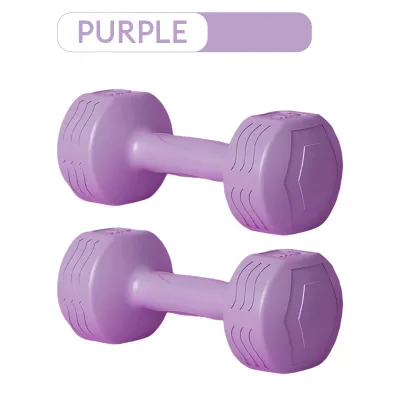

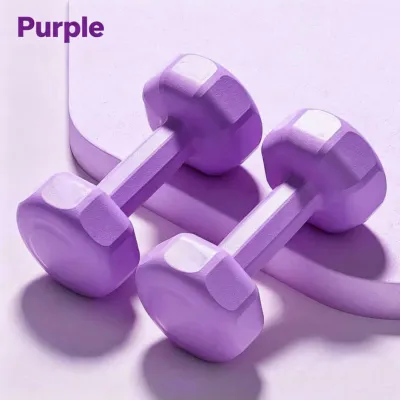
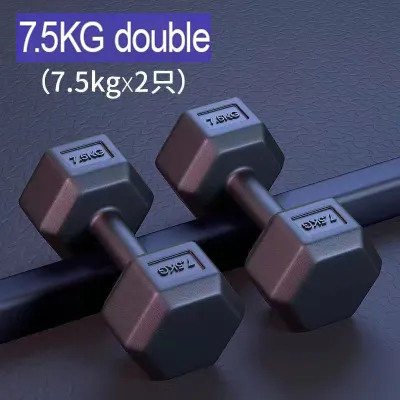
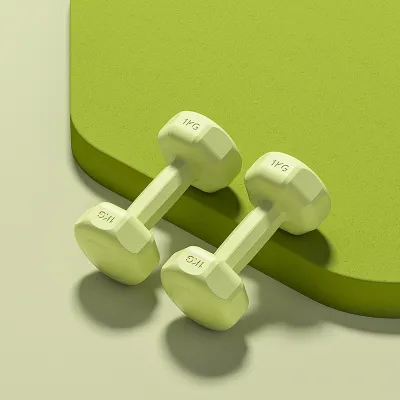
![[SG Stock]Neoprene Dumbbell Weight Strength Training Neoprene Dumbell Set 1kg 2kg 3kg suitable for home and gym exercise](https://img.lazcdn.com/g/p/15509c2888b8e8dae4efd080518cd81f.png_400x400q80.png_.webp)
Prices are valid at publication and may change. Please refer to the product page for the latest price.
For beginners, a 3kg load offers a safe starting point to learn proper lifting mechanics. It provides enough resistance to engage the muscles and build neurological pathways without overloading the joints. This minimizes the risk of injury while you focus on mastering your form.
Individuals undergoing physical rehabilitation also frequently utilize 3kg weights. This load is highly effective for rebuilding strength in injured muscles and stabilizing joints. However, if you are recovering from an injury, always consult a licensed physiotherapist before starting any strength routine to ensure this specific weight is safe for your recovery stage.
For experienced fitness enthusiasts, these weights are excellent for high-repetition muscular endurance and aerobic conditioning. They are heavily utilized in barre, Pilates, and shadowboxing workouts to add extra resistance without compromising speed or fluid movement.
Certain muscle groups are relatively small and easily overpowered by heavier weights. Performing lateral raises, front raises, or overhead tricep extensions with a 3kg weight ensures that the target muscles do the work rather than the neck or lower back. Using excessive weight on these isolation moves often leads to momentum swinging, which reduces exercise efficiency and increases injury risk.
From a spatial perspective, lighter, compact dumbbells are incredibly advantageous for typical apartment layouts in Singapore, such as HDB flats or condominiums. Unlike massive weight benches or barbell sets, a pair of 3kg dumbbells takes up virtually no floor space. They can easily slide under a bed, fit into a wardrobe corner, or sit neatly on a small shelf, keeping your living space clean and clutter-free.
Key Factors to Consider When Choosing a Dumbbell 3kg Weight
Before purchasing your weights, it is essential to evaluate several critical design dimensions. Investing in the right build quality and ergonomics will ensure your dumbbells remain comfortable and safe to use over the long term.

Grip and Ergonomics
The handle is your direct point of contact with the weight, making ergonomics a primary safety consideration. A well-designed handle should feature a contoured shape that fits the natural curve of your palm, distributing the weight evenly across your hand. Handle thickness is also crucial; a handle that is too thick will fatigue your forearms prematurely, while one that is too thin can cause hand cramping.
Non-slip textures are essential for maintaining control during dynamic movements. In a warm and humid climate, hands can quickly become sweaty during a high-intensity home workout. A secure grip prevents the dumbbell from slipping out of your hands, protecting both you from injury and your flooring from damage.
Material and Coating
The outer material of the dumbbell affects its durability, comfort, maintenance, and noise level. Common options include neoprene, vinyl, rubber, and bare cast iron, each offering distinct advantages and trade-offs:
- Neoprene: Offers a soft, slightly matte texture that absorbs a bit of moisture and feels comfortable in the hand. It provides a slip-resistant grip even when wet.
- Vinyl: Features a smooth, easy-to-clean plastic shell. While visually appealing, vinyl can become quite slippery when coated in sweat.
- Rubber: Highly durable and excellent at dampening noise when placed on the floor. However, cheaper rubber compounds can emit a strong, chemical odor that lingers in small rooms.
- Bare Cast Iron: Classic and virtually indestructible, but prone to rust if exposed to high humidity and sweat. It can also easily scratch delicate tiled or vinyl flooring.
Shape and Storage
Dumbbells generally come in round or hexagonal (hex) shapes. Hexagonal dumbbells feature flat edges that prevent them from rolling across the floor when placed down. This is a crucial safety feature for home workouts, especially if your floor is slightly uneven or if you perform floor-based exercises like renegade rows or push-ups using the dumbbells as handles.
Round dumbbells are traditional and can feel more balanced during rotational movements. However, they require a dedicated rack or a flat, bordered surface to prevent them from rolling into walls, furniture, or your feet.
Top 3kg Dumbbell Types for Different Fitness Goals
To help you find the right fit, we have categorized the most common dumbbell types available on the market. Matching the equipment type to your specific workout style ensures better performance and longevity.
Neoprene-Coated Dumbbells
Neoprene-coated dumbbells are highly recommended for dynamic workouts, cardio-sculpt classes, and high-repetition toning routines. The neoprene coating provides a comfortable, cushioned grip that feels secure even during long, sweaty sessions. These weights are typically color-coded, making it easy to identify your 3kg set at a glance if you own multiple pairs.
However, neoprene is a porous material, meaning it can absorb sweat and dirt over time if not properly maintained. To preserve their integrity, avoid leaving them in direct sunlight—which can cause the material to fade and crack—and wipe them down thoroughly after every workout.
Hex Cast Iron or Rubber Dumbbells
If durability and floor safety are your primary concerns, hex dumbbells made of solid cast iron or coated in thick rubber are the gold standard. The flat-sided design ensures they stay exactly where you put them, making them ideal for circuit training where you transition quickly between exercises. The rubber coating acts as a protective barrier, minimizing the noise of impact and protecting your home’s laminate, vinyl, or tiled flooring from dents.
Be aware that brand-new rubber dumbbells often have a distinct “rubbery” smell. Wiping them down and letting them air out in a well-ventilated space like a balcony for a few days usually resolves this issue.
Adjustable or Dial Dumbbells
For those who want to practice progressive overload without cluttering their home with multiple pairs of weights, adjustable or dial-system dumbbells are an excellent investment. While they are significantly more expensive upfront than a fixed pair, they allow you to adjust the weight from a light starting point up to much heavier loads, with 3kg serving as a key transitional weight.
This single piece of equipment can replace an entire rack of dumbbells, saving valuable floor space in small apartments. Before purchasing, ensure the selector mechanism is robust, operates smoothly, and locks securely into place before lifting.
Vinyl or Concrete-Filled Dumbbells
Vinyl-coated dumbbells filled with sand or concrete are often the most budget-friendly option on the market. They feature a smooth, non-porous plastic exterior that is incredibly easy to wipe clean after a workout. This makes them a hygienic choice for shared household equipment.
However, because concrete and sand are much less dense than solid iron, these dumbbells are physically larger and bulkier than their iron counterparts of the same weight. A concrete-filled 3kg dumbbell will have a much thicker grip and a larger overall profile, which can make certain exercises feel awkward or restrict your range of motion if you have smaller hands.
Where to Buy Dumbbells in Singapore
When looking to purchase dumbbells in Singapore, you have two primary routes: physical sporting goods stores or online marketplaces. Each channel offers distinct advantages depending on your purchasing priorities.
Physical retailers allow you to test the grip, check the handle thickness, and feel the material texture in person before committing. You also get to take the weights home immediately, avoiding any delivery delays. This is highly recommended if you are sensitive to handle shapes or material odors.
On the other hand, buying from official brand stores on major e-commerce platforms offers unparalleled convenience and a wider variety of styles and materials. However, because dumbbells are heavy, shipping costs can escalate quickly. Always check the delivery terms carefully; some sellers offer free shipping above a certain spend threshold, while others charge high flat rates for heavy parcels.
When shopping online, it is crucial to verify seller ratings and read customer reviews to ensure product quality. Look for feedback regarding shipping damage, as heavy items can sometimes crack or tear their coatings during transit. Check the seller’s return policy for defective items—such as uneven weights or peeling rubber—and verify if there is any warranty coverage for structural defects.
How to Maintain and Store Your Home Weights
Proper maintenance ensures your home gym equipment remains hygienic and lasts for years. Sweat, skin oils, and environmental dust can degrade materials over time if left unchecked.
After every workout, wipe down your neoprene, vinyl, or rubber-coated dumbbells with a mild, damp microfiber cloth. This removes sweat and salt, which can degrade the outer coatings or cause rust on any exposed metal parts. Avoid using harsh chemical solvents, bleach, or abrasive scrubs, as these can strip away protective coatings, crack vinyl, or cause neoprene to crumble.
Establish a regular inspection routine. Once a month, check your dumbbells for any signs of wear and tear, such as hairline cracks in the rubber or vinyl, loose end-caps on adjustable models, or spots of rust on exposed metal handles. If you notice rust forming on bare iron parts, gently clean it off with a wire brush and apply a light coat of mineral oil to prevent further oxidation.
Store your weights in a dry, well-ventilated area away from direct sunlight, as UV rays can accelerate the degradation of rubber and neoprene, making them brittle. To keep your home safe and organized, avoid leaving dumbbells scattered on the floor where they pose a tripping hazard. Use a compact dumbbell tree, a dedicated storage rack, or place them on a non-slip protective mat in a designated corner of your room.
Frequently Asked Questions (FAQ)
Is a 3kg dumbbell heavy enough to build muscle?
Building significant muscle mass (hypertrophy) generally requires progressive overload with heavier weights that challenge your muscles within a lower repetition range (typically 6 to 12 reps). While a 3kg dumbbell is highly effective for isolation exercises targeting smaller muscle groups like the shoulders and triceps, it is usually too light to stimulate substantial muscle growth in larger muscle groups like the chest, back, and legs. However, it is excellent for building muscular endurance, improving muscle tone, and perfecting your lifting form.
Can I use 3kg dumbbells for leg workouts?
Yes, you can use 3kg dumbbells to add mild resistance to bodyweight leg exercises such as lunges, step-ups, single-leg deadlifts, and glute bridges. This added load can help improve balance, stability, and core engagement. However, because your leg muscles are the largest and strongest in your body, they will quickly adapt to a 3kg load. For primary leg strength and muscle development, you will eventually need to transition to heavier weights or progressive bodyweight progressions.

Community discussion
Share your experience or ask a question. Comments are reviewed before publication.