
Finding the right dumbbells for a home gym in Singapore requires balancing your fitness goals with the realities of high-density apartment living. In typical Housing & Development Board (HDB) flats or private condominiums, space is highly optimized, and neighbors live in close proximity. The ideal dumbbell setup must minimize physical clutter, prevent structural damage to delicate flooring, and keep workout noise to an absolute minimum. While selectorized adjustable dumbbells offer an incredibly compact footprint, rubber-coated fixed dumbbells provide superior impact protection and durability. Understanding how these options interact with your specific living space is the first step toward building a safe, effective, and neighbor-friendly home gym.
Assessing Your Apartment Space and Noise Constraints
Before purchasing any weight equipment, you must evaluate the physical limits of your workout area. Start by measuring the floor footprint where you plan to exercise, ensuring you have at least a two-meter by two-meter clear space to perform dynamic movements without hitting furniture or walls. Vertical clearance is equally important; check that overhead presses can be performed safely without contacting ceiling fans, light fixtures, or low-hanging beams common in older apartments. If you plan to store your weights in a utility closet or a designated bomb shelter room, measure the doorway width and internal shelving capacity to ensure heavy equipment can be moved in and out easily.
Acoustic management is a critical consideration when training in high-rise residential buildings. Concrete floor slabs, standard in Singaporean apartments, are highly efficient at transmitting impact noise—such as the clatter of setting weights down—directly to the units below. This structure-borne sound can easily disrupt neighbors, even if you believe you are lifting quietly. Airborne noise, such as the rattle of adjustable plates or your own breathing, can also travel through open windows or thin partition walls. Identifying these transmission pathways early allows you to plan for appropriate dampening solutions before your first workout.
Products mentioned in this guide
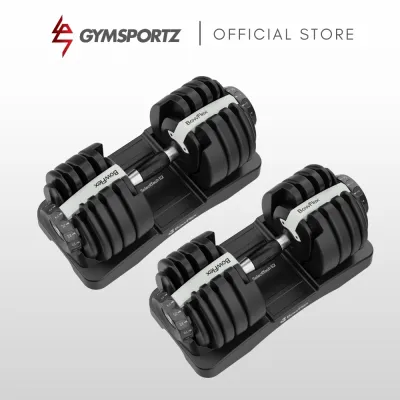
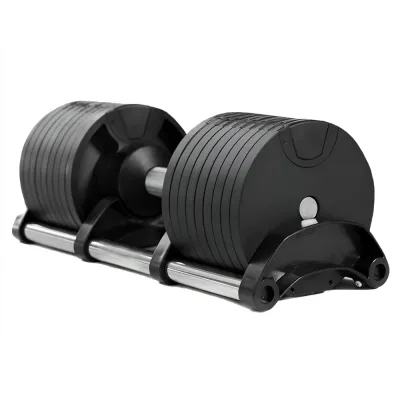
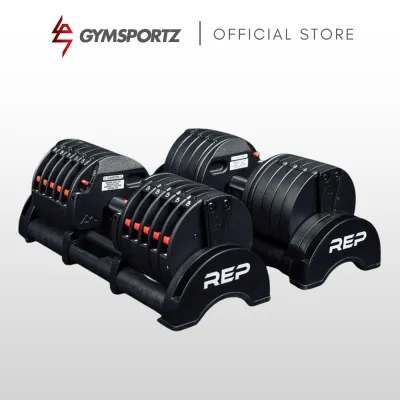
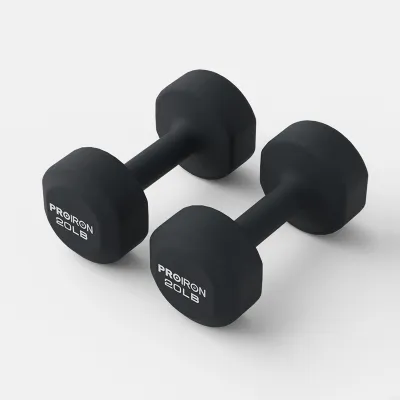
Prices are valid at publication and may change. Please refer to the product page for the latest price.
Finally, examine your existing flooring material and its load-bearing characteristics. Modern vinyl wrap, laminate, and traditional parquet flooring are highly susceptible to scratches, dents, and moisture damage from sweat. Polished concrete and homogeneous tiles are more resistant to scratching but can crack under sudden impacts. While standard residential floors in Singapore are engineered to support typical household loads, concentrated pressure from a heavy dumbbell rack can leave permanent indentations on softer wood or vinyl surfaces. Knowing whether you are renting or owning your home will also dictate how permanent your floor protection measures can be.
Comparing Dumbbell Types for Compact Living
Choosing between adjustable and fixed dumbbells involves a direct trade-off between space efficiency and long-term mechanical simplicity. For apartments where every square meter counts, a single pair of adjustable dumbbells can replace an entire rack of fixed weights, freeing up valuable living space. However, fixed dumbbells are virtually indestructible and offer a seamless transition between exercises without any mechanical adjustments. Balancing these factors requires looking closely at how each type generates noise, occupies space, and fits into your daily training routine.

Adjustable and Selectorized Dumbbells
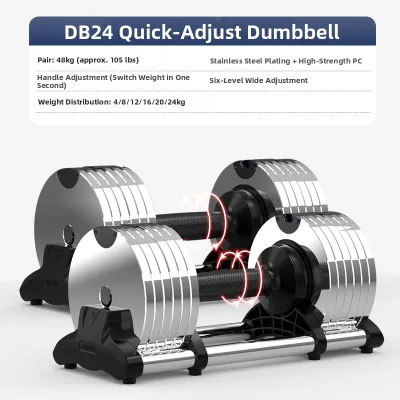
Selectorized dumbbells utilize dial, pin, or twist-lock mechanisms to change weights rapidly, allowing you to adjust your resistance in seconds. This design is highly efficient, keeping a wide range of weight options contained within a single pair of storage cradles. Before purchasing, it is essential to verify the reliability of these locking mechanisms. Look for systems with positive locking indicators that clearly show when the plates are fully engaged. Always perform a quick visual and physical check before lifting the dumbbells overhead to ensure no plates are loose or misaligned.
While highly compact when stored, selectorized dumbbells often maintain a fixed, maximum length regardless of the weight selected. This means that even when lifting a light load, you may still be handling a relatively long dumbbell, which can affect your range of motion during exercises like chest presses or bicep curls. Additionally, because the plates must slide into slots to adjust, there is often a small amount of play between the components. This can result in a noticeable metallic rattle or clicking sound during dynamic movements, which might be distracting in a quiet apartment setting.
Fixed, Coated, and Soft Dumbbells
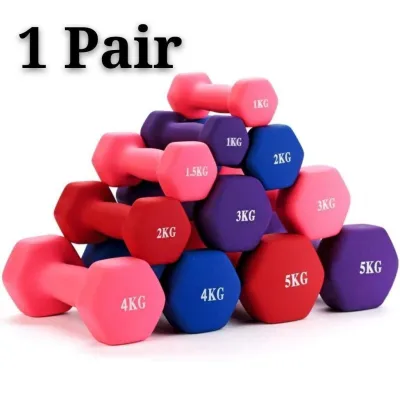
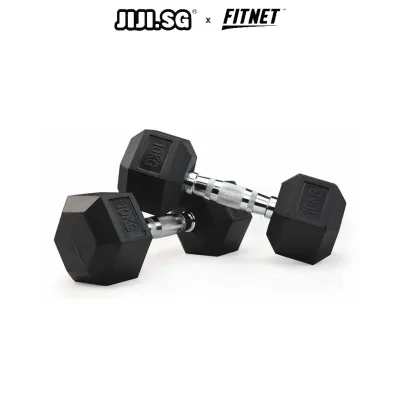
Traditional fixed dumbbells are solid, single-piece weights that offer maximum stability and zero moving parts. To make them suitable for apartment use, manufacturers coat the cast iron or steel cores with protective materials like rubber, neoprene, or urethane. These coatings act as a built-in buffer, significantly dampening the sharp metallic clang when weights touch and protecting your floors from minor bumps. Hexagonal designs are particularly useful for home gyms, as their flat edges prevent the dumbbells from rolling across the floor and causing accidental damage or injury.
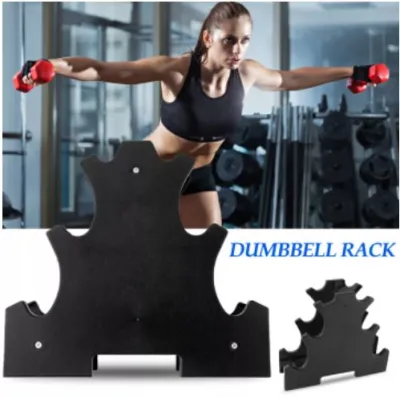
The primary drawback of fixed dumbbells in a compact home is the physical space required to house a progressive set. As your strength increases, you will need to purchase additional pairs, which quickly accumulates into a large footprint requiring a dedicated multi-tier rack. A rack not only keeps your workout space organized but also prevents concentrated floor pressure by distributing the weight across a wider surface area. While building a complete set of fixed weights is generally more expensive and space-consuming than buying a single adjustable pair, the durability and quiet operation make them a compelling choice for dedicated lifters with dedicated space.
Key Specifications to Verify for Apartment Use
When shopping for dumbbells, pay close attention to the specific materials used in their construction, particularly in relation to Singapore’s warm and humid climate. Cheap, low-grade rubber coatings often undergo off-gassing, releasing a strong, persistent chemical odor that can quickly overwhelm a small, air-conditioned room. To avoid this, look for dumbbells made with high-quality virgin rubber or odorless polyurethane (urethane). Urethane is highly stable, does not degrade easily under UV light or humidity, and remains completely odorless, making it the premium choice for indoor living spaces.
The design of the handle is another critical specification that directly impacts your workout safety and comfort. Sweaty hands are a common challenge in tropical climates, making a secure grip essential. Look for handles with a medium knurling pattern—a textured cross-hatch engraved into the metal—which provides excellent traction without being so aggressive that it tears your skin during high-rep sessions. Avoid smooth plastic or poorly finished chrome handles, as they can become incredibly slippery when wet, increasing the risk of dropping the weight.
Additionally, verify the physical dimensions and handle clearance of the dumbbells before buying. The distance between the inner faces of the weight plates must be wide enough to accommodate your hand comfortably, especially if you have larger hands or wear lifting gloves. If you plan to use an existing storage rack, measure the cradle width to ensure the dumbbell handles will fit securely. Checking these physical specifications beforehand prevents the hassle of returning heavy, bulky items that do not fit your body or your storage setup.
Protecting Floors and Minimizing Noise During Workouts
To ensure a peaceful relationship with your neighbors and protect your property deposit, investing in proper floor protection is non-negotiable. Standard yoga mats are designed for traction, not impact absorption, and will do very little to protect your subfloor from heavy weights. Instead, look for high-density rubber gym tiles with a thickness of at least 15mm to 20mm. These specialized mats are engineered to absorb and disperse the kinetic energy of a descending dumbbell, significantly reducing both the physical impact on your floor and the low-frequency noise transmitted through the building’s structure.
Even with high-quality mats in place, your lifting technique plays a major role in noise control. Practicing controlled eccentrics—lowering the weights slowly and deliberately under muscular tension—completely eliminates the need to drop them at the end of a set. This not only keeps your workouts virtually silent but also maximizes muscle stimulation and reduces the risk of joint injury. If you are performing exercises to failure, ensure you have a safe, controlled way to set the weights down, or use a spotter block or soft drop pads designed specifically to cushion heavy impacts.
Proper storage habits are also essential for maintaining a safe apartment environment. Never leave dumbbells lying loose on the floor where they can be tripped over or accidentally kicked. If you are using round dumbbells, always store them on a rack with curved cradles, or wedge them securely against a wall or mat edge to prevent them from rolling. For heavier setups, place your storage rack against a load-bearing wall rather than in the center of a room to ensure the structural integrity of your flooring is fully supported over time.
Building Your Apartment Dumbbell Shortlist
To build a practical shortlist, start by matching the weight range of the dumbbells to your current fitness level and long-term progressive overload goals. If you focus primarily on high-repetition endurance training, lateral raises, or mobility work, a smaller set of fixed neoprene dumbbells ranging from 2kg to 10kg may be perfectly adequate. For compound movements like squats, deadlifts, and chest presses, you will require a much wider weight range. In this scenario, an adjustable dumbbell set that scales up to 24kg or 40kg per hand offers the best long-term value and utility within a compact footprint.
Next, evaluate your budget in S$ against your space constraints and quality expectations. Entry-level adjustable dumbbell sets can be found on local online marketplaces for under S$150, but they often feature plastic components or coarser adjustment mechanisms. Premium selectorized systems, which offer smoother transitions and more durable metal locking parts, typically range from S$300 to over S$600. While the initial investment for high-quality gear is higher, it often saves money in the long run by eliminating the need to buy multiple individual weight pairs as you get stronger.
Finally, verify the logistics of purchasing heavy fitness equipment in Singapore. Because dumbbells are exceptionally heavy, shipping fees can vary significantly, and some sellers may charge extra for delivery to apartments without direct lift access. Look for reputable local fitness distributors who offer clear warranty terms—ideally covering the adjustment mechanisms of selectorized dumbbells for at least one year. Checking customer reviews specifically for delivery reliability and packaging quality ensures your weights arrive safely without damaging your building’s common areas or your own front door.
Frequently Asked Questions (FAQ)
Can I use adjustable dumbbells for high-intensity interval training?
Yes, but you must exercise caution and strictly follow the manufacturer’s guidelines regarding dynamic movements. High-intensity interval training (HIIT) often involves rapid, explosive exercises like dumbbell swings, cleans, or snatches. The centrifugal force and sudden changes in direction during these movements can put extra stress on the locking mechanisms of selectorized dumbbells. Always verify that the plates are completely locked and secure before starting a high-intensity circuit. If your workout involves rapid transitions or floor-based movements like push-ups on the dumbbell handles, it is safer to use fixed, hexagonal dumbbells instead.
How do I clean and maintain rubber-coated dumbbells?
To keep your rubber-coated dumbbells in top condition and prevent material degradation, clean them regularly with a mild, non-abrasive cleaning agent. Mix a few drops of gentle dishwashing liquid with warm water, dampen a microfiber cloth, and wipe down the handles and coated surfaces to remove sweat, oils, and dust. Avoid using harsh chemical solvents, bleach, or alcohol-based sprays, as these can dry out the rubber, causing it to crack, peel, or become sticky over time. After wiping, dry the dumbbells thoroughly with a clean towel and store them in a well-ventilated area away from direct sunlight to prevent moisture buildup and rust on any exposed metal parts.
What weight range should a beginner start with at home?
For beginners, a versatile starting point is a set that allows you to adjust the weight from approximately 2kg to 10kg per hand for upper-body exercises, and up to 15kg or 20kg for lower-body movements. This range accommodates lighter, isolation exercises like bicep curls and shoulder presses, while still providing enough resistance for compound movements like goblet squats and lunges. Opting for an adjustable set within this range is highly recommended for beginners, as it allows you to progress gradually in small increments without cluttering your living space with multiple pairs of fixed weights.

Community discussion
Share your experience or ask a question. Comments are reviewed before publication.