
Selecting your first fishing rod can feel overwhelming given the sheer volume of technical specifications, materials, and brands available. For beginners looking for a reliable, high-quality entry point into the sport, Okuma fishing rods represent an excellent balance of durability, performance, and value. Rather than focusing on high-end, specialized tournament gear, a novice angler should prioritize versatility and forgiveness. A well-chosen setup allows you to learn the fundamentals of casting, hook setting, and fish fighting without the constant frustration of equipment failure.
By understanding how to evaluate rod specifications, match your gear to local environments, and pair your rod with the right accessories, you can build a highly effective setup. This guide will walk you through the essential features to look for, how to verify product quality, and how to maintain your gear to ensure it serves you well for years to come.
Key Features to Look for in a Beginner Okuma Rod
To select the ideal beginner Okuma rod, you must first understand the core specifications printed on the blank: action, power, and material composition. These factors directly influence how the rod behaves when casting a lure, detecting a bite, and fighting a fish.
Products mentioned in this guide
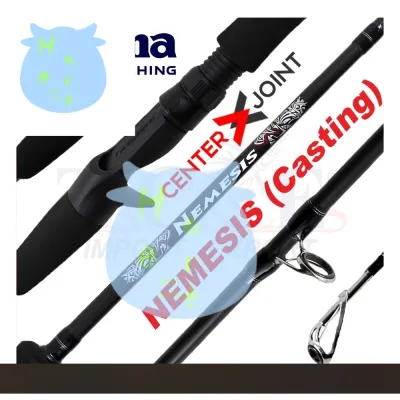
Prices are valid at publication and may change. Please refer to the product page for the latest price.
Rod action refers to where the rod bends along its length when pressure is applied. Fast-action rods bend primarily near the tip, offering high sensitivity and quick hook sets. Slow-action rods bend throughout the entire length, providing a highly flexible, parabolic curve. For beginners, a moderate to moderate-fast action is highly recommended. This middle-ground action is incredibly forgiving; it provides enough stiffness in the backbone for accurate casting while retaining enough flex to absorb the sudden, erratic runs of a hooked fish, reducing the likelihood of losing your catch due to improper drag settings or over-aggressive handling.
Rod power describes the rod’s resistance to bending, ranging from ultra-light to extra-heavy. A medium-light or medium-power rod is the most versatile choice for a beginner. Medium-power rods possess enough strength to handle larger species without snapping, yet remain sensitive enough to register the delicate nibbles of smaller baitfish. This versatility allows you to experiment with different fishing styles, from bait fishing on the bottom to casting lightweight artificial lures, without needing to purchase multiple specialized rods.
The material composition of the rod blank is another critical decision point. Modern fishing rods are typically constructed from graphite, fiberglass, or a composite blend of both. Graphite (carbon fiber) is highly prized for its lightweight feel and extreme sensitivity, allowing anglers to detect subtle changes in bottom composition or faint fish bites. However, high-modulus graphite can be brittle and prone to fracturing if subjected to sudden impacts or improper lifting angles (known as high-sticking). Fiberglass is significantly heavier and less sensitive, but it is virtually indestructible, making it highly forgiving of beginner mishaps such as dropping the rod on concrete or accidentally high-sticking while landing a fish. For most novices, a composite blend offers the perfect compromise, utilizing a graphite core for sensitivity and a fiberglass outer layer or tip for enhanced durability.
Finally, rod length plays a crucial role in casting distance and maneuverability. For general-purpose fishing, a rod length between 6.6 and 7.0 feet (approximately 2.0 to 2.1 meters) is ideal. A 6.6-foot rod is highly maneuverable, making it easy to cast in tight spaces, transport in compact vehicles, or carry on public transportation. A 7.0-foot rod offers slightly longer casting distance, which is highly beneficial when fishing from open shorelines or piers where reaching deeper water is necessary to find active fish.
Matching the Rod Type to Your Fishing Environment
Choosing the right Okuma rod also requires matching the equipment to your specific fishing environment and understanding the physical demands of different locations. The first major decision is selecting between a spinning rod and a casting (baitcasting) rod.

Spinning rods are universally recommended for beginners due to their intuitive design and ease of use. On a spinning setup, the reel hangs underneath the rod, and the line flows freely off a fixed spool during a cast. This design minimizes friction and virtually eliminates the risk of backlashes—the dreaded line tangles that occur on baitcasting reels when the spool rotates faster than the line can exit. Baitcasting setups require precise thumb control and a steep learning curve, which can quickly frustrate a novice angler. By starting with a spinning rod, you can focus on mastering casting accuracy, line management, and fish-fighting techniques without the constant interruption of clearing complex line tangles.
In Singapore, your choice of rod should reflect the specific environments you plan to target. For freshwater reservoirs such as Bedok, Pandan, or MacRitchie, you will often be casting lightweight lures or live bait near shoreline structures, submerged vegetation, or overhanging trees. A medium-light spinning rod measuring 6.6 feet is perfect for these scenarios, offering the precision needed to place your lure exactly where predatory species like peacock bass or giant snakehead are waiting.
Conversely, if you plan to fish from coastal jetties, piers, or breakwaters—such as Bedok Jetty or Woodlands Jetty—you will face different challenges. These marine environments require casting heavier weights to hold bottom in strong currents and reaching deeper water far from the shoreline. A longer, 7.0-foot medium-power rod is better suited for jetty fishing, providing the extra leverage needed to cast heavy sinkers and lift hooked fish up the high concrete decks.
When fishing in marine environments, saltwater resistance is an absolute necessity. Saltwater is highly corrosive and can quickly ruin standard freshwater fishing gear. When evaluating Okuma rods for saltwater use, it is critical to check the specifications of the guides and reel seat. Look for rods equipped with stainless steel guide frames, preferably featuring specialized anti-corrosion coatings or ceramic inserts that resist salt buildup. The reel seat should be constructed from heavy-duty, marine-grade nylon or anodized aluminum to prevent the reel foot from corroding and fusing to the rod blank over time.
How to Verify Rod Specifications and Compatibility
Before making a purchase, it is essential to perform a physical inspection and verify the specifications printed on the rod blank to ensure the equipment matches your physical comfort and target needs.
Every quality fishing rod features a set of ratings printed just above the handle, detailing the recommended line weight and lure weight. For example, a rod rated for 8-17 lb line and 1/4 – 5/8 oz lures is designed to perform optimally within those parameters. Exceeding the maximum lure weight can overload the rod blank during a cast, causing it to snap under the sudden load. Conversely, using a lure that is lighter than the recommended range will result in poor casting distance and accuracy, as the weight will not be sufficient to load (bend) the rod blank. Similarly, using a fishing line with a breaking strength higher than the rod’s rating can lead to catastrophic rod failure; if your line gets snagged and you pull too hard, the rod may break before the line snaps.
Next, carefully inspect the guide inserts. These are the ceramic rings secured inside the metal guide frames along the length of the rod. Run a clean cotton swab through each guide insert; if any cotton fibers catch on the inner ring, it indicates a hairline crack, chip, or rough spot in the ceramic. Even a microscopic chip can act like a razor blade, rapidly fraying your fishing line under the tension of a cast or a fighting fish, leading to mysterious line breakages and lost gear. Ensure that all guide frames are securely bound to the rod blank with intact thread wraps and epoxy coating, with no signs of cracking or peeling.
The handle material is another key consideration for physical comfort and control. Okuma rods typically feature either EVA foam or traditional cork handles. EVA foam is highly durable, lightweight, and resistant to saltwater, fish slime, and UV exposure. It provides a secure, non-slip grip even when your hands are wet or sweaty, making it exceptionally well-suited for Singapore’s hot and humid tropical climate. Cork handles offer a classic, premium aesthetic and excellent vibration transmission, allowing you to feel subtle vibrations through the rod blank. However, cork requires more maintenance to prevent dirt buildup, staining, and physical degradation over time. Choose the material that feels most comfortable in your hand and matches your willingness to perform post-trip maintenance.
Building Your First Okuma Rod and Reel Combo
Once you have selected an appropriate Okuma rod, the next step is pairing it with a compatible reel and line to create a balanced, ready-to-use setup. A well-balanced combo reduces physical fatigue and improves casting performance.
To achieve optimal balance, you must match the physical weight and size of the reel to the rod. For a standard 6.6 to 7.0-foot medium-power spinning rod, a 2500 or 3000 size spinning reel is generally the perfect match. To test the balance of your setup, mount the reel onto the rod and place your index finger under the rod blank just in front of the reel seat. The rod should balance relatively flat on your finger. If the tip dips downward, the setup is tip-heavy, which will strain your wrist during long casting sessions. If the butt of the rod dips downward, the reel is too heavy, making the setup feel cumbersome.
Line selection is equally important for beginner success. Monofilament line is highly recommended for those new to the sport. It is inexpensive, easy to spool onto the reel, and highly forgiving due to its inherent stretch. This stretch acts as a shock absorber, cushioning the rod and line from sudden shocks when a fish strikes hard or when a beginner sets the hook too aggressively. Braided line, while offering superior strength and sensitivity due to its zero-stretch properties, is more expensive and requires advanced knot-tying skills. A braided line can also easily slip on the reel spool if not backed with monofilament, and its lack of stretch means any casting or hook-setting mistakes are amplified, potentially leading to pulled hooks or broken rods.
When budgeting for your first setup in Singapore, it is wise to adopt a balanced allocation strategy. Avoid spending your entire budget on a high-end rod while pairing it with a cheap, unreliable reel. A total budget of S$120 to S$150 is highly realistic for a quality beginner setup. Allocate approximately S$50 to S$60 for a durable Okuma spinning rod, S$50 to S$60 for a matching spinning reel with a smooth, reliable drag system, and the remaining S$20 to S$30 for high-quality monofilament line, essential terminal tackle (such as hooks, sinkers, and swivels), and basic tools like line cutters and long-nose pliers. This balanced approach ensures that no single component of your gear becomes a weak link on the water.
Maintenance and Care for Entry-Level Fishing Gear
Proper maintenance and care are essential to maximize the lifespan and performance of your entry-level fishing gear, ensuring that your investment remains in peak condition for many trips to come.
The single most important maintenance step is rinsing your gear after every outing, especially when fishing in saltwater or muddy freshwater environments. Salt crystals and fine grit can quickly accumulate in the guide inserts, reel seat threads, and moving parts of the reel, leading to severe corrosion and mechanical failure. Use a gentle spray of clean tap water to rinse the entire rod from tip to butt. Avoid using high-pressure hoses, as the intense pressure can force salt and debris deep into the reel seat or guide bindings. After rinsing, wipe the rod down with a soft microfiber cloth and allow it to dry completely in a shaded, well-ventilated area before storing it.
Storage conditions also play a critical role in preserving the structural integrity of the rod blank. Never store your fishing rod leaning against a wall at an angle for extended periods, as the constant lateral pressure will eventually cause a permanent bend or “set” in the graphite or fiberglass blank. Instead, store your rods vertically in a dedicated rod rack or flat inside a protective rod tube. Additionally, avoid leaving your gear in areas subject to extreme heat, such as the trunk of a car parked in the direct Singapore sun. High temperatures can weaken the epoxy resins holding the guide wraps and reel seat in place, leading to loose components or structural delamination of the blank.
Finally, perform routine visual and tactile inspections of your gear before and after every trip. Run your fingers along the rod blank to check for deep scratches, nicks, or cracks that could compromise its strength. Inspect the guide wraps for any signs of cracking or peeling epoxy, and ensure the reel seat locking nut operates smoothly and holds the reel securely. By identifying and addressing minor wear and tear early, you can prevent catastrophic equipment failure while fighting a fish on your next outing.
Frequently Asked Questions (FAQ)
Are Okuma rods suitable for saltwater fishing?
Many Okuma rods are highly suitable for saltwater fishing, but it is essential to verify the specific components of the model you choose. Look for rods featuring stainless steel guide frames, corrosion-resistant coatings, and heavy-duty nylon or anodized aluminum reel seats. Even when using saltwater-rated gear, always rinse the rod thoroughly with fresh tap water after every trip to prevent salt buildup and corrosion.
Why is a spinning rod recommended over a casting rod for beginners?
Spinning rods are recommended because they utilize spinning reels, which feature an open-face design where the line flows freely off a stationary spool. This design is highly intuitive, easy to cast, and virtually eliminates the risk of backlashes (line tangles) that commonly occur with baitcasting reels. This allows beginners to focus on learning casting techniques and enjoying their time on the water rather than troubleshooting gear.
How do I know if a fishing rod is too heavy or too light for my target fish?
You can determine if a rod is appropriate by checking the power rating and the recommended line and lure weight limits printed on the rod blank. An ultra-light or light-power rod is designed for small species and will bend excessively or snap if used for large fish. A heavy-power rod is designed for large, powerful fish and will lack the sensitivity required to detect bites or cast lightweight lures suitable for smaller species.

Community discussion
Share your experience or ask a question. Comments are reviewed before publication.