
Choosing the right ultra light fishing rod brand as a beginner in Singapore depends on finding a manufacturer that balances affordability, clear technical specifications, and robust local after-sales support. Because ultra light fishing involves casting very light lures—often weighing between 1 gram and 7 grams—to target species in local reservoirs, urban ponds, and coastal jetties, beginners need a rod that provides high sensitivity without breaking the budget. Rather than searching for a single universal winner, novice anglers should focus on established manufacturers that distribute through authorized local tackle shops, offering reliable entry-level series priced between S$50 and S$150.
Singapore’s unique angling landscape features a mix of concrete-lined urban ponds, regulated freshwater reservoirs, and coastal saltwater spots. Each environment presents distinct challenges, from the humid tropical climate that accelerates gear corrosion to the varying sizes of local target species like peacock bass, peacock cichlids, and small snappers. A well-chosen ultra light setup allows beginners to develop essential casting techniques and bite-detection skills, turning even modest-sized catches into an exciting sporting experience. By understanding what to look for in a brand’s design, materials, and local support network, you can make an informed purchase that ensures long-term enjoyment on the water.
Why Ultra Light Fishing Rods Suit Beginners
Ultra light fishing rods are highly recommended for beginners because they offer unparalleled feedback during the learning process. The thin, flexible blanks of these rods are designed to bend under minimal pressure, which significantly amplifies the vibrations transmitted from the fishing line to the angler’s hands. This high level of sensitivity is crucial for novices who are still learning to distinguish between a lure bumping against an underwater rock, dragging through aquatic vegetation, or being gently tapped by a curious fish. By providing immediate tactile feedback, ultra light gear accelerates the learning curve for bite detection and helps beginners understand how different lures behave underwater.
Products mentioned in this guide
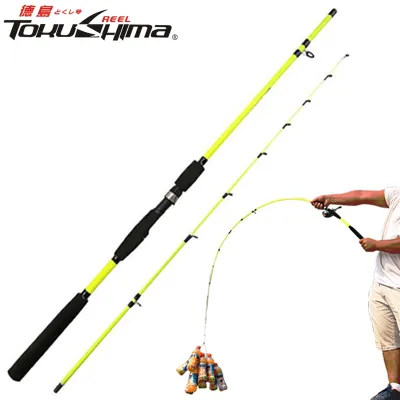
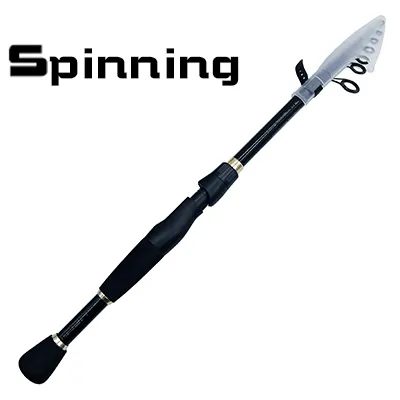
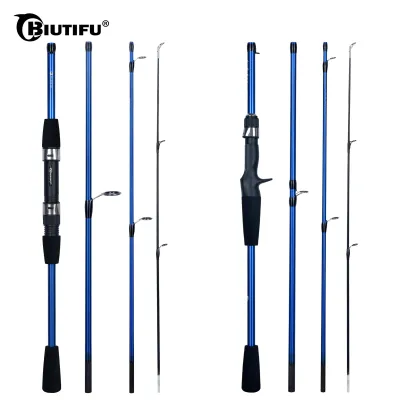
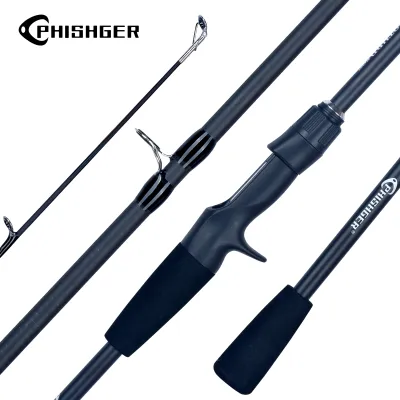
Prices are valid at publication and may change. Please refer to the product page for the latest price.
Another practical benefit of ultra light gear is the substantial reduction in physical fatigue during long fishing sessions. Traditional medium or heavy setups require heavier reels, thicker lines, and larger lures, which can quickly tire out a beginner’s arms, wrists, and shoulders after a few hours of continuous casting. In contrast, an ultra light rod typically weighs under 100 grams and pairs with a compact, lightweight spinning reel. This featherweight combination allows anglers to cast repeatedly for half a day or more with minimal physical strain, making the sport far more approachable and enjoyable for individuals of all ages and physical strengths.
However, beginners must also understand the inherent limitations of ultra light setups before committing to this style of fishing. These rods are engineered for light lines, typically rated between 2-pound and 6-pound test, and are not built to muscle large, powerful fish out of heavy cover. If a fish runs into thick reeds, submerged structures, or structural pilings, attempting to pull it out by force will likely result in a snapped rod blank or a broken line. Furthermore, ultra light rods cannot cast heavy lures or sinkers; attempting to do so overloads the blank during the cast, which can cause immediate structural failure. Beginners must accept that this gear requires patience, careful drag management, and a willingness to let the fish tire itself out in open water rather than relying on brute strength.
Core Specifications to Check Before Buying
When evaluating different brands in the local market, understanding technical specifications is essential for matching a rod to your specific fishing goals. The first metric to analyze is rod power, which refers to the rod’s resistance to bending. For ultra light (UL) or extra ultra light (XUL) applications, the rod must have a highly flexible tip section that can load and cast lures weighing as little as 1 to 5 grams. Alongside power, rod action describes where the blank bends along its length. Fast-action rods bend primarily in the top third of the blank, offering quick hook sets and precise casting control, which is highly beneficial when using soft plastic jigs. Moderate-action rods bend deeper down the middle of the blank, providing a cushioning effect that prevents hooks from tearing out of a fish’s soft mouth, making them ideal for small hard-bodied crankbaits.

Rod length is another critical factor that must be tailored to Singapore’s typical fishing venues. For tight, overgrown banks along local reservoirs where overhanging branches limit your casting clearance, a shorter rod measuring between 5 feet 6 inches and 6 feet offers excellent maneuverability and short-range accuracy. Conversely, if you plan to fish from wide-open concrete banks at urban ponds or spacious coastal jetties, a longer rod measuring 6 feet 6 inches to 7 feet is highly advantageous. The extra length increases casting leverage, allowing you to launch lightweight lures much further into deeper water where larger fish may be holding.
The material composition of the rod blank directly influences its sensitivity, weight, and durability. Most modern ultra light rods are constructed from graphite (carbon fiber), fiberglass, or a composite blend of both. High-modulus graphite rods are exceptionally light and sensitive, allowing you to feel the faintest vibrations, but they are also more brittle and susceptible to impact damage if banged against concrete steps or metal railings. Fiberglass rods are incredibly tough and flexible, making them highly resistant to breakage, but they are heavier and lack the crisp sensitivity of carbon. For beginners, a mid-modulus graphite rod or a high-quality composite blend offers the ideal compromise, providing sufficient sensitivity to learn bite detection while retaining enough structural resilience to withstand minor handling mistakes.
Finally, pay close attention to the quality of the guides and the reel seat. Because ultra light lines are incredibly thin, any rough edges or poor alignment along the rod guides can cause line friction, wind knots, or premature line breakage. Look for brands that utilize stainless steel guide frames with smooth ceramic inserts, such as aluminum oxide or silicon carbide, which dissipate heat and minimize friction during long casts. The reel seat must feature a secure, ergonomic locking mechanism that holds a 1000-size or 2000-size spinning reel firmly in place without any lateral play, ensuring a seamless connection between the rod and reel for optimal balance.
Evaluating Brand Reliability and Beginner Support
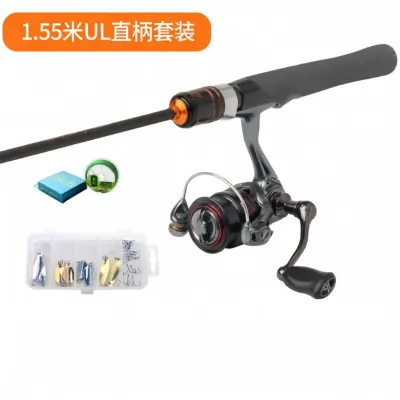
For a beginner, evaluating a brand goes beyond comparing physical specifications; it also involves assessing the level of support and convenience the manufacturer provides. One of the most beginner-friendly offerings a brand can provide is a pre-matched rod and reel combo. Selecting a separate rod, reel, line, and lure set can be overwhelming for someone new to the sport, often leading to mismatched gear that performs poorly. A manufacturer-assembled combo ensures that the reel’s weight, spool capacity, and drag system are perfectly balanced with the rod’s power and action, allowing beginners to start fishing immediately with confidence that their equipment is harmonized.
Local after-sales support and warranty terms are critical considerations in Singapore, where the tropical climate and proximity to saltwater can test the limits of any fishing gear. Reputable brands that maintain authorized distributors or dedicated service centers in Singapore offer a safety net that generic, unbranded imports cannot match. Before purchasing, verify if the brand offers a clear warranty against manufacturing defects and check how easy it is to contact their local representatives. Having access to a physical service center means you can seek professional advice, obtain genuine replacement parts, or have damaged components repaired without waiting weeks for international shipping.
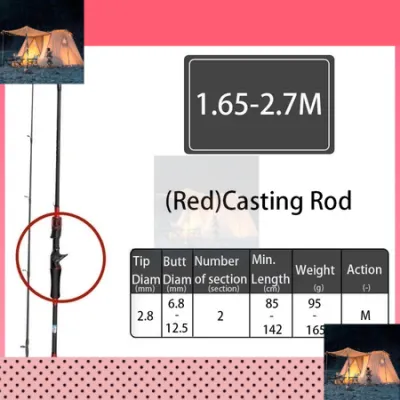
Clear and comprehensive product labeling is another hallmark of a reliable brand. A beginner-friendly rod should feature highly legible, printed specifications on the blank just above the handle grip. This labeling should clearly state the recommended line class (e.g., 2-6 lb), the optimal lure weight range (e.g., 1/16 to 1/4 oz), the rod length, and the action rating. Brands that provide detailed user manuals, online tutorials, or accessible customer service channels help beginners avoid common setup mistakes, such as spooling the wrong line weight or overloading the rod during a cast.
Lastly, consider the availability of individual replacement parts, particularly the rod’s tip section. The tip of an ultra light rod is incredibly thin and fragile, making it the most common component broken by beginners due to accidental car door pinches, high-sticking while landing a fish, or casting into solid obstacles. Brands that sell individual replacement tip sections through local tackle shops save anglers from the financial burden of purchasing an entirely new rod setup. This modular availability not only extends the lifespan of your initial investment but also provides peace of mind as you hone your casting and handling skills.
Building Your Shortlist: What to Look For in the Local Market
When building a shortlist of potential ultra light fishing rods in Singapore, focus on identifying established entry-level series from reputable global and regional manufacturers. These manufacturers often trickle down high-end design technologies—such as specialized carbon wraps or ergonomic reel seats—into their budget-friendly lineups. Look for series that are specifically marketed as entry-level or versatile light-game rods, as these are engineered to be more forgiving of beginner casting errors while still delivering the sensitivity required to enjoy ultra light angling.
To ensure you are purchasing authentic gear with valid local warranties, always buy from authorized physical tackle shops or their official online storefronts. Singapore has a vibrant angling community supported by numerous established tackle shops located in areas like Beach Road, Geylang, and various neighborhood hubs. Visiting a physical shop is highly recommended for beginners, as it allows you to hold the rod in your hands, feel its weight and balance, and test its flex under the guidance of experienced shop staff. Additionally, local shop owners can provide invaluable advice on which specific rod models are currently performing well in nearby reservoirs or coastal spots.
Comparing price-to-performance ratios is a crucial step in managing your budget effectively. In the Singapore market, a high-quality, entry-level ultra light rod typically ranges from S$50 to S$120. Rods priced significantly below this range often utilize heavy, insensitive fiberglass blanks and low-grade metal guides that rust quickly in our humid climate. Conversely, premium rods costing upwards of S$200 offer specialized performance benefits that a beginner may not fully appreciate or require. By staying within the S$50 to S$120 sweet spot, you secure a durable, sensitive, and reliable tool without overcommitting financially.
Before making a final decision, take the time to analyze user reviews and local community feedback regarding common beginner issues. Look for patterns in online forums or local fishing groups concerning specific rod models. If multiple users report that a particular rod series suffers from frequent guide insert failures, loose reel seats, or premature tip breakage under normal casting loads, it is wise to steer clear of that model. Conversely, a rod series that receives consistent praise for its durability, casting distance, and forgiving bend is a strong candidate for your shortlist.
Pre-Purchase Checks and Setup Tips
Once you have selected a rod from your shortlist, performing a thorough pre-purchase inspection is vital to ensure you do not take home a defective product. Start by carefully examining the entire length of the rod blank under bright light, looking for any hairline cracks, deep scratches, or unevenness in the carbon wrap. Next, inspect each guide individually; ensure the ceramic inserts are perfectly smooth, free of chips, and firmly seated within their metal frames. Peer down the rod from the reel seat to the tip to verify that all the guides are perfectly aligned in a straight line. Finally, assemble the rod sections (if it is a two-piece model) to ensure the joint fits snugly without any wobbling or clicking sounds when you gently flex the rod.
Setting up your ultra light gear correctly is just as important as choosing the right rod. Always match your line, leader, and lure weights strictly to the specifications printed on the rod blank. For a standard ultra light setup in Singapore, spooling your reel with a 4-pound to 6-pound braided main line offers excellent casting distance and sensitivity. Always tie on a fluorocarbon leader (typically 4-pound to 8-pound test) of about one rod length; this leader provides abrasion resistance against underwater structures and acts as a shock absorber during sudden fish strikes. Ensure your lures, whether they are tiny soft plastic jigs or small hard minnows, fall comfortably within the rod’s recommended weight range to prevent overloading the blank during casts.
Proper maintenance is essential for preserving the performance and lifespan of your gear in Singapore’s hot, humid climate. After every fishing trip—regardless of whether you fished in freshwater reservoirs or saltwater coastal areas—rinse the entire rod thoroughly with fresh, lukewarm water to remove salt spray, dirt, and organic slime. Pay close attention to the guide frames and the reel seat threads, as these areas are highly prone to trapping moisture and debris. Gently wipe the rod dry with a clean microfiber cloth and allow it to air-dry completely in a shaded, well-ventilated indoor space before storing it in a protective rod sleeve. Never store a damp rod in a sealed plastic tube or leave it exposed to extreme heat inside a parked vehicle, as high temperatures can degrade the epoxies and resins holding the guides and handle in place.
Frequently Asked Questions (FAQ)
Can I use an ultra light rod for saltwater fishing in Singapore?
Yes, you can use an ultra light rod for saltwater fishing in Singapore, but you must take specific precautions to protect your gear and manage your expectations. Saltwater environments are highly corrosive, so it is essential to verify that the rod’s guides and reel seat are constructed from corrosion-resistant materials, such as high-grade stainless steel or titanium. After every saltwater outing, you must rinse the rod thoroughly with fresh water to prevent rust from forming on the guide feet and bindings. Additionally, be aware that coastal saltwater species, such as small groupers, snappers, and jacks, fight much harder than typical freshwater species. You must adjust your reel’s drag system carefully to allow the fish to run, as attempting to pull a strong saltwater fish away from structures using brute force will easily snap your light line or damage the rod blank.
What is the ideal budget for a beginner's ultra light setup?
A realistic and practical budget for a complete, reliable beginner’s ultra light setup in Singapore ranges from S$120 to S$250. Within this budget, you should allocate approximately S$60 to S$100 for a quality entry-level ultra light rod, S$50 to S$100 for a matching 1000-size or 2000-size spinning reel, and S$20 to S$30 for high-quality braided line and fluorocarbon leader material. The remaining funds can be used to purchase essential terminal tackle, such as small snaps, jig heads, and soft plastic lures. Investing in this price range ensures you receive durable, sensitive equipment that performs reliably, while avoiding the poor performance of ultra-cheap gear and the unnecessary expense of high-end professional setups.

Community discussion
Share your experience or ask a question. Comments are reviewed before publication.