
To find the best cushioning in a big yoga mat, you must look beyond generic marketing terms like “extra plush” and focus on the relationship between physical dimensions, millimeter thickness, and material density. While many major fitness brands offer thick mats, they often restrict their thickest options (typically 6mm to 8mm or more) to standard-sized mats. Finding a brand that combines both an oversized footprint—often extending beyond the standard 180 cm length and 61 cm width—with high-density cushioning requires a careful look at technical specifications. The ideal choice depends on verifying the exact material composition and density to ensure the mat supports your joints without bottoming out or compromising your balance.
Defining Size and Thickness Baselines for Joint Protection
To understand what makes a “big” yoga mat effective for joint protection, it helps to establish clear baselines for both size and thickness. Standard yoga mats typically measure around 173 to 180 centimeters in length and 61 centimeters in width. For taller practitioners, those with broader shoulders, or anyone who simply prefers more room to move, an oversized or “big” yoga mat is essential. These larger formats often start at 190 to 215 centimeters in length and can expand to 66, 80, or even over 100 centimeters in width. This extra surface area ensures that your hands, knees, and feet remain on the cushioned surface during wide stances, rather than spilling over onto a hard floor.
Thickness is the primary driver of joint relief, but it cannot be evaluated in isolation from material density. Yoga mats generally range from ultra-thin travel options of 1 to 2 millimeters up to extra-thick versions of 6 to 8 millimeters or more. For sensitive joints—such as the wrists in a downward dog, the knees in a low lunge, or the spine during rolling movements—a thickness of 5 millimeters to 6 millimeters is often considered the sweet spot for general practice. However, if the mat is made of a low-density foam, your body weight will simply compress the material completely, leaving your joints pressing directly against the hard floor beneath.
Products mentioned in this guide
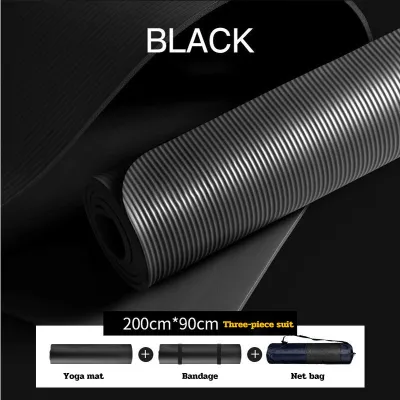
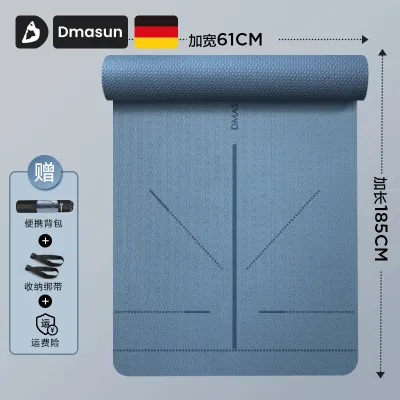
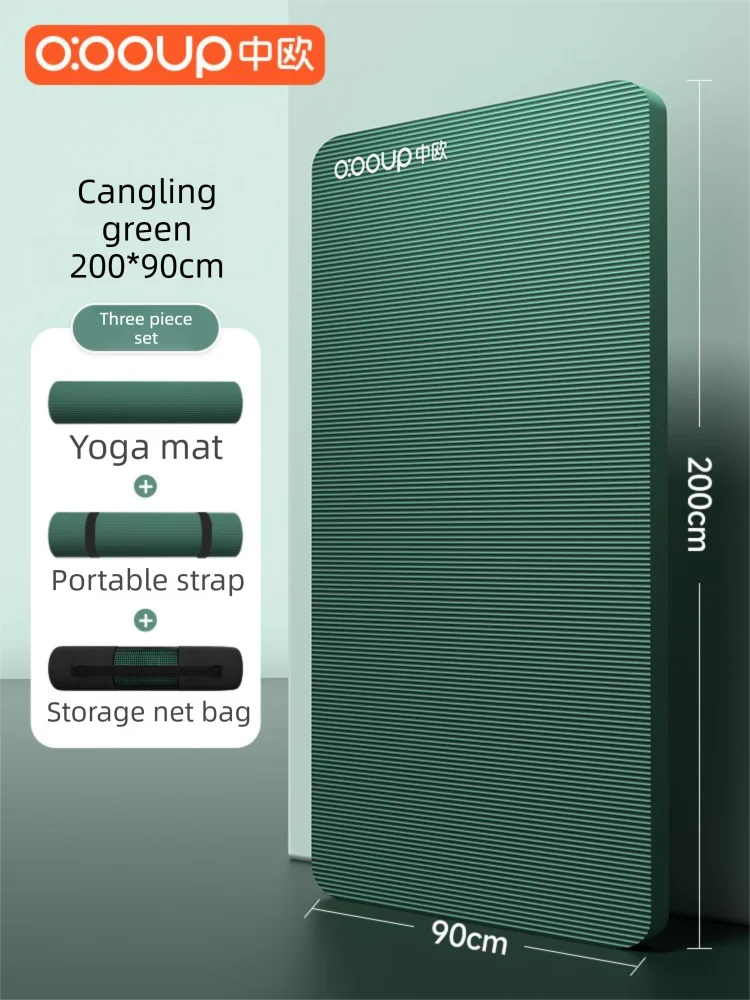
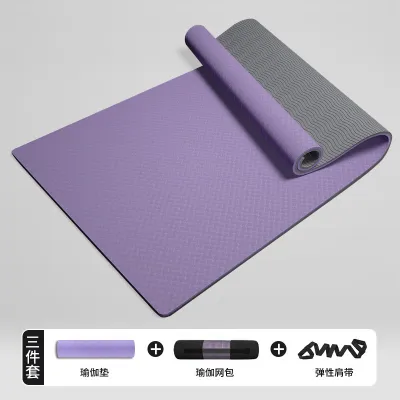
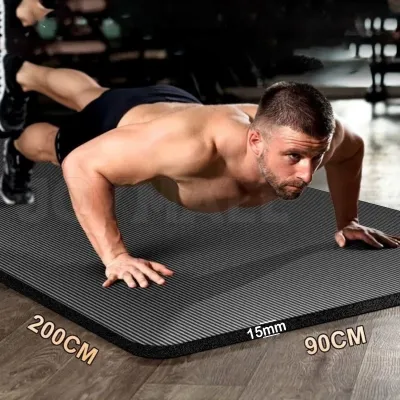
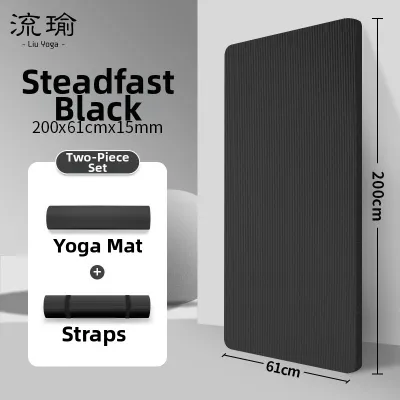
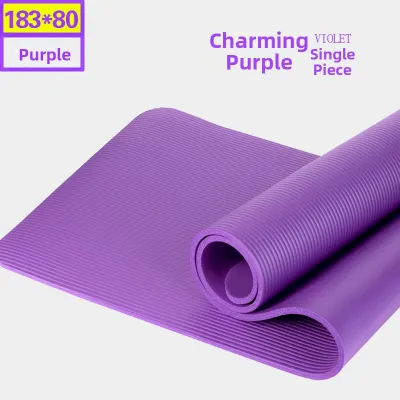
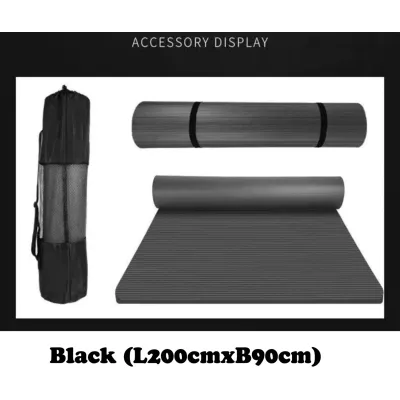
Prices are valid at publication and may change. Please refer to the product page for the latest price.
Material density determines how well a thick mat resists this compression. High-density materials, such as natural rubber or dense polyurethane, offer a firm, supportive cushion that absorbs impact while maintaining structural integrity. Low-density materials, such as cheap open-cell foams, feel very soft to the touch but offer little actual joint protection under load. When evaluating big yoga mats, you must look for options that balance a generous thickness with a dense, supportive structure to ensure your joints are cushioned without sinking completely to the floor.
Key Comparison Dimensions for Oversized, Thick Mats
When comparing different brands that manufacture big yoga mats, several key dimensions must be evaluated to find the right balance of size, thickness, and usability. The first dimension is the availability of thickness options within the brand’s oversized product lines. Many popular brands offer their thickest mats only in standard sizes, while their larger mats are kept thin to manage weight. You will need to verify whether a brand’s large-format mats are available in the 5mm to 6mm range, or if they are limited to a thinner 3mm or 4mm profile.

The second dimension is the material composition, which directly affects cushioning, weight, and environmental impact. Natural rubber is highly dense and offers excellent, firm cushioning and natural grip, but it is exceptionally heavy, especially in an oversized format. Thermoplastic Elastomer (TPE) is much lighter and often more affordable, making it easier to carry in a large size, but it may lack the long-term durability and dense support of rubber. Polyvinyl Chloride (PVC) is highly durable and offers excellent cushioning, but it is a synthetic material that some practitioners prefer to avoid due to environmental considerations.
The third dimension is grip and stability during dynamic movements. Extra-thick mats can sometimes feel unstable, particularly during standing balances or quick transitions. If the surface texture does not provide adequate traction, your hands and feet may slip, forcing your muscles to overcompensate and potentially straining your joints. A big yoga mat must combine a reliable non-slip surface—whether through a textured pattern or a moisture-absorbing polyurethane top layer—with its thick cushioning to ensure you can move confidently.
Finally, portability and storage are major practical limits when combining a large surface area with high thickness. An oversized mat that is 6 millimeters thick and made of dense natural rubber can easily weigh over 4 to 5 kilograms. In a humid, urban environment like Singapore, carrying such a heavy, bulky item on public transport or during a daily commute can be highly impractical. Additionally, rolling up a thick, large mat requires more storage space at home, and it may not fit into standard yoga mat bags or carrying straps, requiring specialized carrying harnesses.
Verifying Brand Specifications and Material Claims
To avoid falling for marketing buzzwords like “cloud-like comfort” or “maximum joint relief,” you must learn to verify manufacturer claims by checking official specification sheets. Always look for the exact millimeter measurements of the mat rather than relying on subjective descriptions. A reputable brand will clearly state the thickness, length, width, and weight of the mat in its technical specifications. If a brand hides these details or uses vague terminology, it is best to look elsewhere.
You must also identify whether a brand actually offers its thickest material options in its larger sizes. It is common for a brand to advertise a highly cushioned 6mm mat, only for you to discover that the oversized version of that same model is only offered in a 3mm or 4mm thickness. Carefully review the product drop-down menus or specification tables to confirm that the specific combination of large dimensions and extra thickness is actively manufactured and available.
Additionally, pay close attention to the brand’s warranty, return policies, and trial periods. High-quality, oversized, thick mats are often a significant financial investment. Because comfort and joint support are highly subjective, you may find that a mat that feels perfect to one person feels too hard or too unstable to you. Checking whether a brand offers a satisfaction guarantee or a reasonable return window allows you to test the mat’s density and grip on your home floor before making a permanent commitment.
Decision Framework: Matching Thickness to Your Practice
Choosing the right big yoga mat requires matching the mat’s thickness and size to your specific practice style, physical needs, and living situation. If you primarily practice at home, have highly sensitive joints, or focus on restorative, yin, or gentle hatha yoga, you should prioritize maximum thickness (6mm or more) and oversized dimensions. Since portability is not a concern for a home-based mat, you can opt for a heavy, high-density natural rubber or dense PVC mat that stays flat on your floor and provides a stable, plush foundation for long-held poses.
If your practice is more dynamic, involving a mix of standing balances, vinyasa flows, and floor work, a moderate thickness of 5mm in a large format is often the ideal compromise. This thickness provides sufficient cushioning for your knees and wrists during floor transitions while maintaining a firm, stable connection to the ground for standing poses like Warrior or Tree pose. A moderate thickness also keeps the overall weight of an oversized mat more manageable, making it easier to roll up and store when not in use.
If you require a highly portable mat for daily commuting to a local studio, a very thick, oversized mat may not be the right fit. The sheer bulk and weight of a large, 6mm rubber mat can make traveling highly inconvenient. In this scenario, you might consider using a standard-sized thick mat at the studio, or pairing a thin, highly portable travel mat with a studio-provided mat for extra cushioning. Alternatively, look for a lightweight TPE oversized mat, which offers the desired surface area and moderate thickness without the heavy weight of rubber.
Finally, if you are managing specific, acute joint injuries—such as severe wrist pain, knee issues, or spinal conditions—equipment alone cannot replace professional guidance. Before purchasing a thick mat to alleviate pain, verify your exercise plan with a physical therapist or medical professional. They can help you determine whether your joints require a firmer surface for alignment or a softer surface for pressure relief, ensuring your practice remains safe and supportive.
Frequently Asked Questions (FAQ)
Does Extra Thickness Affect Balance in Standing Poses?
Yes, excessive thickness or softness in a yoga mat can compromise your balance during standing poses. When a mat is too soft or lacks sufficient density, your feet sink into the material, making it difficult for your ankles and stabilizing muscles to maintain proper alignment. This instability can lead to micro-adjustments that fatigue your joints and increase the risk of strain. To avoid this, look for a high-density mat that feels firm to the touch rather than squishy. You can test firmness by pressing your thumb firmly into the mat; a high-density mat will resist deep compression and spring back quickly, indicating it will provide a stable foundation for standing balances.
How to Clean and Dry an Extra-Thick Oversized Mat
Proper maintenance is crucial for preserving the grip and hygiene of a thick, oversized mat, especially in warm, humid climates. Always check the manufacturer’s care label before applying any cleaning solutions, as different materials require specific care. For example, natural rubber mats can be degraded by certain oils or harsh soaps, while TPE mats are sensitive to excessive heat. To clean, wipe the mat down with a damp cloth and a mild, diluted soap solution if recommended by the manufacturer. Because thick mats can trap moisture, ensure the mat is completely air-dried in a well-ventilated, shaded area before rolling it up. Avoid direct sunlight, which can break down materials like natural rubber and TPE, and never roll up a damp mat, as this can lead to trapped moisture and unpleasant odors.

Community discussion
Share your experience or ask a question. Comments are reviewed before publication.