
Deciding between Bowflex adjustable dumbbells and traditional fixed-weight dumbbells for your home gym in Singapore comes down to space, training style, and budget. If you are setting up a workout corner in a typical HDB flat or condominium where floor space is limited, adjustable dumbbells offer an incredibly compact footprint by consolidating an entire rack of weights into a single pair. Conversely, if you have a dedicated garage or spare room, prioritize high-intensity workouts where weights are frequently dropped, or prefer the classic, indestructible feel of solid iron, traditional dumbbells remain the gold standard.
Your choice will directly impact your daily workout flow, your home’s spatial harmony, and your wallet. Understanding how these two distinct equipment types perform under local conditions—such as Singapore’s high humidity and compact living spaces—is essential before making a significant financial investment. By evaluating your specific fitness goals against the mechanical realities of each option, you can build a highly functional home gym that serves you safely for years to come.
Space and Storage: Footprint vs. Rack Requirements
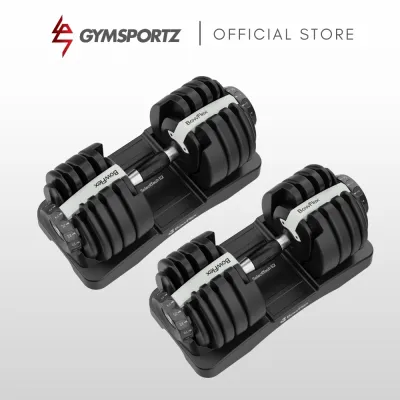
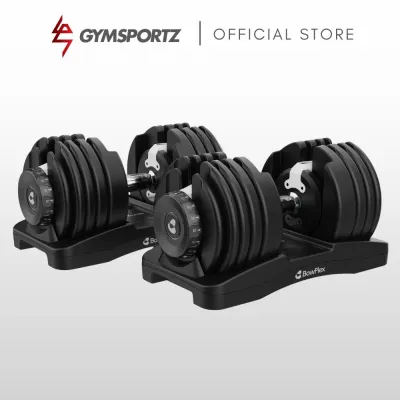
In Singapore’s compact residential layouts, every square meter of floor space must be utilized efficiently. A single pair of Bowflex adjustable dumbbells, along with their storage trays, occupies a remarkably small footprint—typically no more than a small corner of a room. This makes them highly attractive for multi-purpose spaces, such as a living room corner or a study that doubles as a workout area, allowing you to easily tuck them away when not in use.
Products mentioned in this guide
Prices are valid at publication and may change. Please refer to the product page for the latest price.
In contrast, a comprehensive set of traditional fixed-weight dumbbells requires a dedicated storage rack. A standard three-tier A-frame or horizontal rack can easily span over a meter in length and requires significant clearance for safe access. For those training in smaller apartments, accommodating a full rack of traditional weights often means sacrificing valuable living space or limiting your weight options.
Storage conditions also differ significantly. Traditional solid iron or rubber-coated dumbbells are highly resilient and can be stacked on basic racks or stored on the floor with protective matting. Adjustable dumbbells, however, rely on precise mechanical dials and selector pins that must remain free of dust and moisture. In Singapore’s humid tropical climate, storing adjustable weights in a well-ventilated, dry area is crucial to prevent internal corrosion.
Before purchasing either option, perform a quick spatial audit of your intended workout zone:
- Measure the storage area, ensuring at least 30 centimeters of clearance on all sides.
- Verify the floor surface is flat; adjustable dumbbells require a level surface for plate alignment.
- Calculate the total weight load on your flooring, especially in high-rise apartments.
- Ensure a clear path of at least one meter around your workout mat.
Weight Progression and Workout Compatibility
Your training methodology should heavily influence which dumbbell type you choose. Adjustable dumbbells utilize a dial-turn system that allows you to change weights in small, precise increments. This micro-loading capability is exceptionally beneficial for progressive overload, particularly in upper-body exercises like lateral raises or shoulder presses where jumping up by five kilograms at a time is too difficult. With a simple turn of a dial, you can adjust the resistance by small increments, allowing for smooth strength progression.

However, the mechanical nature of adjustable dumbbells can alter the tempo of your workouts. If your routine features supersets, drop sets, or fast-paced circuit training, the time spent returning the dumbbells to their cradles, aligning the plates, and turning the dials can disrupt your momentum. Traditional dumbbells excel in these high-tempo scenarios, allowing you to instantly drop one pair and grab another without pausing to adjust a mechanism.
Furthermore, the physical design of adjustable dumbbells remains constant regardless of the weight selected. Even when set to their lowest weight, the overall length of the handle and frame remains the same because the core shaft does not shrink. This bulkiness can sometimes interfere with your range of motion during exercises like close-grip chest presses or bicep curls. Traditional dumbbells scale down in physical size as the weight decreases, offering a more natural and compact feel.
To ensure your chosen equipment matches your long-term fitness progression, always check the manufacturer’s specification label before buying. Verify the minimum and maximum weight capacities, as well as the specific increment steps. Some adjustable models offer smaller increments at lower weights and larger jumps as the weight increases, which must align with your specific training goals.
Durability, Handling, and Care Requirements
The structural differences between traditional and adjustable dumbbells directly impact their durability and handling. Traditional dumbbells are typically constructed from solid cast iron, steel, or urethane-molded rubber. They are designed to withstand heavy, repetitive use and are highly forgiving of the occasional rough landing. While you should still avoid dropping them to protect your flooring and minimize noise, a solid traditional dumbbell is highly durable under normal training conditions.
Adjustable dumbbells are complex mechanical instruments containing plastic gears, selector dials, spring-loaded pins, and interlocking plates. Because of these intricate internal components, they have a strict, universal no-drop rule. Dropping an adjustable dumbbell from even a short height can easily misalign the selector dials, crack the plastic housing, or bend the metal plates, rendering the entire unit unusable and voiding the manufacturer’s warranty. They must always be placed gently back into their custom cradles.
Maintenance routines also vary based on these design differences. For traditional dumbbells, care is straightforward. You should regularly inspect them for signs of rubber degradation, loose collars on threaded handles, or surface rust on exposed iron. In Singapore’s humid environment, wiping down metal handles with a dry cloth after sweaty workouts is highly recommended to prevent corrosion.
For adjustable dumbbells, maintenance requires a more delicate touch. You must regularly perform visual checks to ensure the plates are seating correctly in the cradle and that the dial alignment marks line up perfectly. Keep the selector tracks free of dust and sweat by wiping them down with a microfiber cloth. Avoid applying heavy household lubricants to the internal mechanisms unless specifically instructed by the manufacturer’s manual, as this can attract dust and cause the dials to jam.
Budget Breakdown and Cost Efficiency
When evaluating the financial aspect of building a home gym in Singapore, look beyond the initial price tag and calculate the long-term cost efficiency. At first glance, a premium pair of adjustable dumbbells represents a significant upfront investment in S$. However, when you calculate the cost-per-kilogram and compare it to purchasing an equivalent range of traditional dumbbells, the financial perspective often shifts.
To match the weight range offered by a single pair of adjustable dumbbells, you would need to purchase approximately ten to fifteen individual pairs of traditional dumbbells, along with a multi-tier storage rack. When you add up the individual costs of those traditional pairs, the total expense can easily surpass the price of a single adjustable set. For beginners and intermediate lifters who require a wide variety of lighter weights, the adjustable route is often the most cost-effective way to access a complete weight library.
However, the financial equation changes if you are an advanced lifter who primarily trains with heavy weights. If you only require a few specific heavy weight options—such as a pair of 20-kilogram and 30-kilogram dumbbells—buying those specific traditional pairs is far more economical than purchasing a high-end adjustable set. Additionally, traditional dumbbells hold their resale value exceptionally well on local secondhand marketplaces due to their near-indestructible nature, whereas adjustable models may depreciate faster due to wear on mechanical parts.
Before making your final decision, always verify current retail prices, warranty durations, and local shipping fees on official brand websites or authorized sporting goods stores in Singapore. Be sure to check if the local distributor offers home delivery, as shipping heavy iron weights can incur substantial delivery surcharges.
Final Verdict: Matching the Dumbbell to Your Profile
To make the right choice for your Singapore home gym, you must align the equipment’s characteristics with your living situation and training habits.
You should choose adjustable dumbbells if:
- You live in a space-constrained HDB flat or condominium and need to maximize your living area.
- Your workouts rely on precise, incremental weight progressions (micro-loading) for accessory movements.
- You perform a wide variety of exercises that require frequent weight changes across a broad spectrum.
- You prefer a clean, minimalist workout setup that can be easily stored out of sight.
You should choose traditional fixed-weight dumbbells if:
- You have a dedicated, spacious home gym area with heavy-duty rubber flooring.
- Your training style involves high-intensity lifting, Olympic movements, or exercises where dropping weights is common.
- Multiple users of different strength levels will be training together and need to use different weights simultaneously.
- You prioritize absolute durability and want equipment that will last a lifetime with minimal maintenance.
Before finalizing your purchase, take the time to verify the specific weight increments of the model you are eyeing, measure your available floor space against the cradle dimensions, and confirm that the seller provides local warranty support within Singapore to protect your investment.
Frequently Asked Questions (FAQ)
Can I use adjustable dumbbells for exercises where I drop the weights?
No, you should never drop adjustable dumbbells. Their internal selector mechanisms, plastic dials, and interlocking plates are highly sensitive to impact. Dropping them can cause permanent mechanical misalignment, crack the housing, or make the plates unsafe to lift. If your training routine includes exercises like clean and presses, snatches, or high-fatigue failure sets where dropping weights is likely, you should opt for traditional rubber-coated dumbbells or bumper plates designed to absorb impact.
Do adjustable dumbbells feel different from traditional ones during exercises?
Yes, there is a noticeable difference in feel and balance. Adjustable dumbbells maintain a fixed, maximum length regardless of the weight selected because the core shaft and frame do not shrink when you select lighter weights. This can make them feel slightly bulkier or wider during exercises like bicep curls or overhead presses. Traditional dumbbells scale down in physical size as they get lighter, offering a more compact feel and a more natural, consistent center of gravity throughout your range of motion.

Community discussion
Share your experience or ask a question. Comments are reviewed before publication.