
Finding the right boxing gloves for kids is essential for both safety and skill development. While many parents assume that age is the primary factor when choosing gear, selecting the correct glove weight—measured in ounces, or “oz”—actually depends on a combination of your child’s body weight, hand size, and intended training activity. Using the wrong size can lead to joint strain, poor punching form, or inadequate protection during impact.
Using boxing gloves for kids that are properly fitted ensures that young athletes can enjoy the sport safely. The right pair allows them to focus on learning proper technique, building coordination, and staying active without unnecessary physical strain.
Quick Guide: Matching Glove Weight (oz) to Your Child's Age and Size
First, it is important to clarify that “oz” refers to the weight of a single glove, not the combined weight of the pair. A 6oz glove weighs six ounces on the left hand and six ounces on the right hand. This weight measurement directly correlates with the amount of protective padding built into the glove.
Products mentioned in this guide
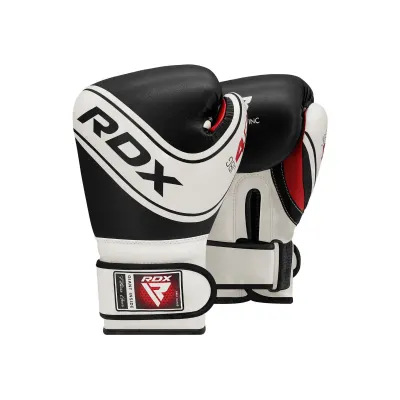
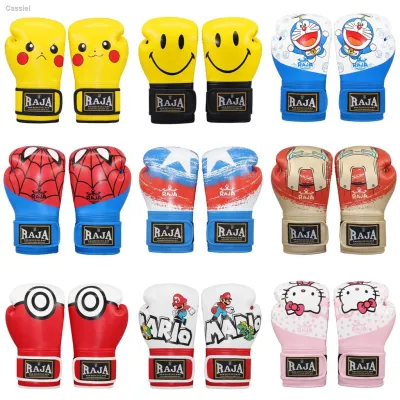
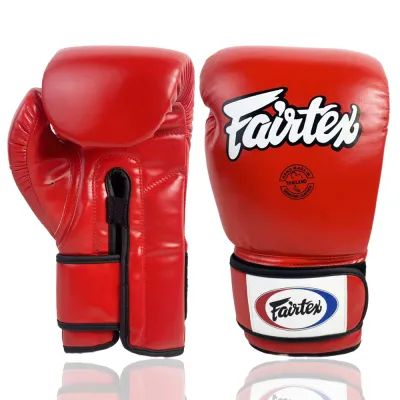
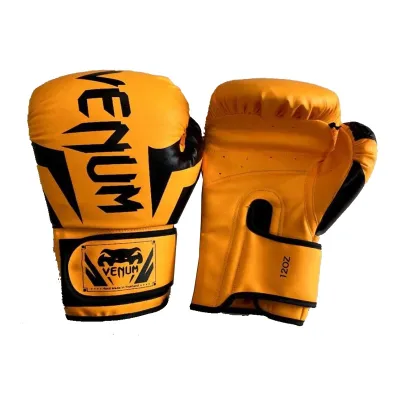
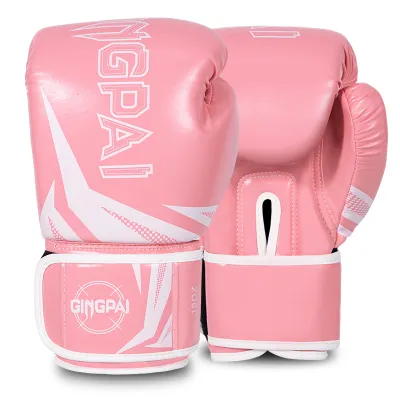
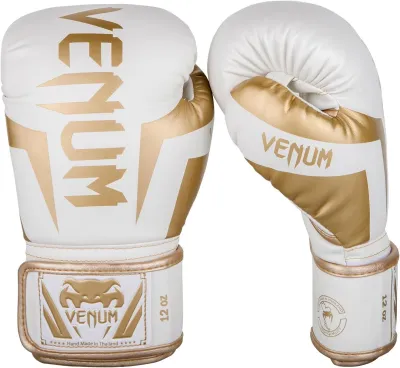
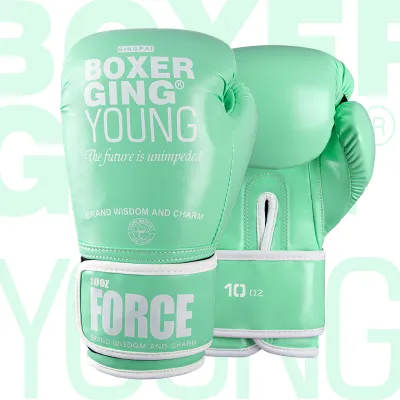
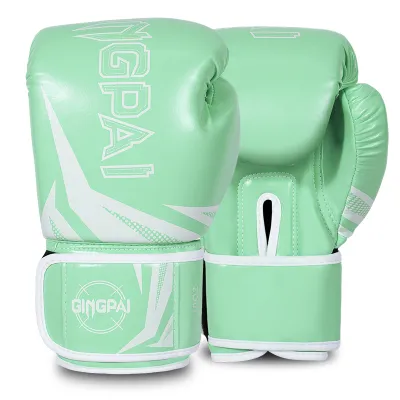
Prices are valid at publication and may change. Please refer to the product page for the latest price.
To help parents navigate the selection process, the following baseline framework matches glove weight to a child’s age and body weight:
| Child's Age (Approximate) | Body Weight Range | Recommended Glove Weight |
|---|---|---|
| 4 to 6 years | Under 20 kg | 4 oz to 6 oz |
| 7 to 9 years | 20 kg to 35 kg | 6 oz to 8 oz |
| 10 to 12 years | 35 kg to 50 kg | 8 oz to 10 oz |
| 13 years and above | Over 50 kg | 10 oz to 12 oz |
While this table serves as a helpful starting point, age is merely an estimate. A child’s actual body weight, hand circumference, and the specific manufacturer’s sizing chart are the definitive factors for selection. In Singapore, youth boxing gloves are widely available at specialized martial arts retailers and online marketplaces, typically ranging from S$30 to S$80 depending on the materials used.
Because sizing standards can vary significantly between brands, parents should always verify the recommended weight and size against the product label or official brand specifications before purchasing. If your child falls between sizes, consulting their coach can provide valuable clarity based on their specific training style.
Decoding Glove Weights: What 4oz, 6oz, 8oz, and 10oz Mean for Kids
Understanding what different glove weights mean for a child’s physical development helps prevent common training injuries and ensures a comfortable experience.

4oz to 6oz: These lighter weights are specifically engineered for small hands and developing muscles. Because young children lack the shoulder and forearm strength of older athletes, heavy gear can quickly cause fatigue. Lighter gloves allow children to form a proper fist and maintain correct hand positioning without exhausting their arms. They are ideal for learning basic technique, shadow boxing, and light pad work.
8oz to 10oz: As children grow and their punches become more powerful, they require more padding to absorb impact. These weights offer thicker foam layers over the knuckles, making them suitable for older, heavier children or those with more developed shoulder strength who are engaging in more intensive training.
The “Heavier is Better” Myth: A common misconception is that heavier gloves always provide superior protection. In reality, putting a small child in heavy gloves can strain developing shoulder and wrist joints, compromise punching technique, and cause rapid fatigue. The correct weight balances adequate padding with the child’s ability to move naturally and maintain proper form.
Adjusting Weight for Different Training Activities
The type of training your child performs also influences the ideal glove weight within their safe size range.
Bag Work and Pad Work: Punching heavy bags or dense focus mitts requires adequate padding to protect young knuckles. If your child’s measurements place them between two glove sizes, leaning toward the slightly heavier option—provided it remains within their safe physical limit—can offer better impact dispersion. This extra padding helps cushion the hand against solid surfaces.
Sparring: Sparring is a high-contact activity that requires strict supervision, proper training, and specialized gear. Standard training gloves are often insufficient for sparring because they do not distribute impact safely. Sparring typically requires heavier, highly padded gloves (often 10oz or specific youth sparring models) to protect both your child and their training partner. Never allow a child to spar without a qualified coach present and the correct protective gear.
Shadow Boxing and General Fitness: For cardiovascular workouts, speed drills, and shadow boxing, lighter gloves are highly preferable. They allow the child to focus on speed, coordination, and endurance without putting unnecessary stress on their shoulders and back.
Beyond Weight: Verifying Fit, Hand Wraps, and Wrist Support
Selecting the correct weight is only the first step; verifying the physical fit and safety features of the glove is critical for a safe training experience.
The Hand Wrap Factor: Always try on new gloves with hand wraps already applied. Hand wraps add significant bulk to the hands and will completely change how a glove fits internally. If you measure and buy gloves based on bare hands, they may be far too tight once wrapped.
Checking the Fit: To verify a proper fit, have your child slide their hand fully into the glove. Their fingers should comfortably reach the end of the hand compartment without being excessively cramped or bent. The thumb should align naturally along the side of the glove in a locked or semi-locked position to prevent accidental thumb hyperextension or eye pokes during training.
Wrist Support: A secure wrist closure is essential for stabilizing the joint during impact. Look for wide, adjustable Velcro straps that wrap tightly around the wrist. The closure must provide firm support to prevent the wrist from bending backward upon impact, but it should not be so tight that it cuts off circulation or causes numbness.
If your child experiences any pain, tingling, or numbness, or if the glove shifts or slips during use, stop training immediately. Consult a qualified boxing coach or the manufacturer to re-evaluate the fit.
Frequently Asked Questions (FAQ)
Can my child use adult 10oz gloves if they are tall for their age?
Even if a tall child’s weight suggests they could use a 10oz glove, adult gloves are not suitable. Adult gloves are constructed with larger hand compartments, wider finger pockets, and different thumb placements designed for fully developed adult hands. A child using adult gloves will experience shifting, poor wrist support, and an inability to form a proper fist, which significantly increases the risk of wrist sprains and hand injuries. Always stick to youth-specific models designed for smaller skeletal structures.
Do kids need hand wraps under their boxing gloves?
Yes, children should wear hand wraps under their boxing gloves, especially when hitting bags or pads. Hand wraps stabilize the many small bones in the hand, secure the wrist joint, and absorb sweat to prolong the life of the gloves. Parents should check the glove manufacturer’s guidelines, consult the child’s boxing coach for proper wrapping techniques, and ensure the wraps are applied snugly but not so tightly that they restrict blood flow.

Community discussion
Share your experience or ask a question. Comments are reviewed before publication.