
Finding a running belt that keeps you cool and dry requires looking beyond marketing buzzwords. For women runners, the ideal flip belt must balance secure storage with efficient heat dissipation. Because physical anatomy, running gait, and personal sweat rates vary, no single brand or model serves as a universal solution for everyone. Instead of relying on generic brand claims, the most effective approach is to evaluate the construction type, mesh placement, and moisture-wicking specifications to match the right features to your running environment.
Key Factors That Determine Flip Belt Breathability
The primary driver of a running belt’s breathability is its material composition. Most flip belts rely on synthetic blends, typically combining nylon or polyester with elastane (spandex) to provide the necessary stretch and recovery. Nylon is highly durable and soft against the skin, while polyester excels at pulling moisture away from the body and drying quickly. When reviewing product specifications, look for high polyester percentages if your primary goal is rapid moisture evaporation, or nylon-heavy blends if you prioritize a softer, more flexible fit.
Beyond the raw fibers, the construction method plays a critical role in how heat escapes. Seamless tubular belts are knitted as a continuous loop, offering a uniform fit that minimizes friction points. However, because they wrap tightly around the entire waist, they can trap heat if the fabric is too dense. In contrast, paneled belts incorporate different fabrics in strategic zones, often placing highly breathable mesh inserts over areas that generate the most heat, such as the lower back.
Products mentioned in this guide
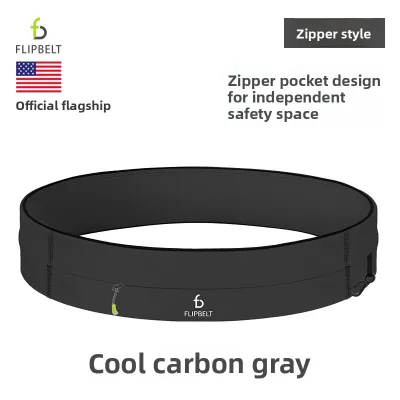
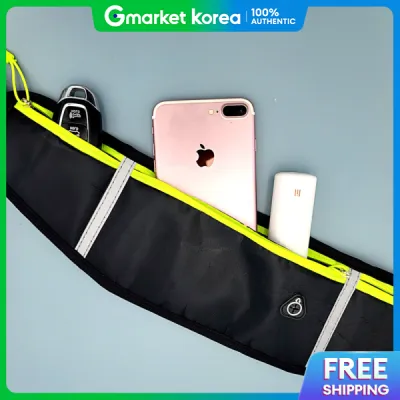
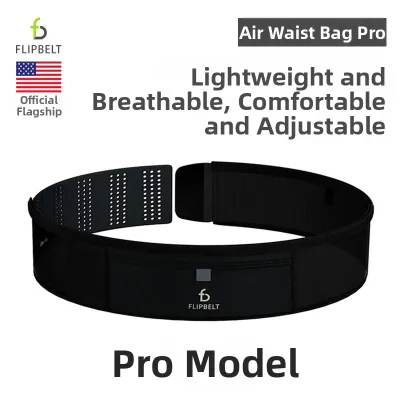
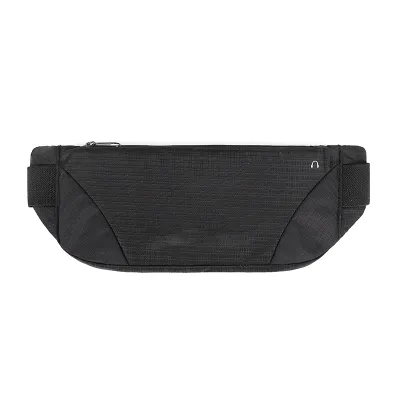
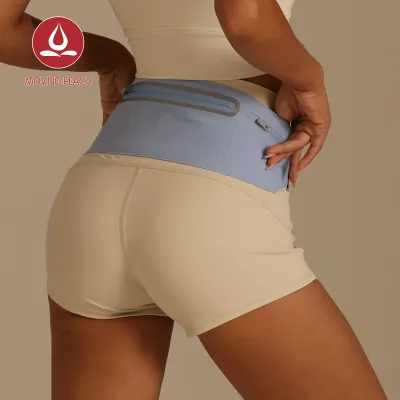
Prices are valid at publication and may change. Please refer to the product page for the latest price.
Belt width is another crucial factor that directly influences heat retention. A wider belt distributes the weight of your phone, keys, and hydration flasks more evenly, reducing bounce and vertical movement. However, this increased width also means more fabric covers your skin, creating a larger barrier to natural sweat evaporation. When choosing a width, you must weigh the stability of a broader band against the superior ventilation of a narrower profile.
Comparing Breathability Features Across Popular Brands
When comparing different brands on an ecommerce platform or at a local running specialty store, you should closely examine the fabric structure and ventilation details. High-performance brands often utilize specialized knit patterns, such as perforated fabrics or engineered mesh zones. These perforations allow air to flow directly to the skin, significantly improving cooling compared to solid, tightly woven elastic bands.

You will also encounter a choice between single-layer and multi-layer designs. Single-layer tubular belts are lightweight and allow air to pass through easily, but they offer less structure, meaning heavy items may sag or bounce. Multi-layer structured belts use internal pockets and reinforced panels to keep your gear secure, but the extra layers of fabric and plastic linings can severely restrict airflow. If you carry minimal gear, a single-layer design will maximize breathability; if you carry heavy items, look for a multi-layer belt that utilizes mesh dividers to maintain some level of ventilation.
Seam placement and edge binding are often overlooked details that can make or break a belt’s comfort in warm weather. Thick, rigid seams or heavy elastic borders can trap sweat against your skin, leading to localized heat buildup and painful chafing. Inspect the edges of the belt to ensure they feature flatlock stitching or soft, moisture-wicking binding. These flat seams allow the belt to lie flush against your body, promoting continuous moisture transfer rather than trapping sweat along the edges.
Matching Belt Design to High-Humidity Running Conditions
In hot and humid climates like Singapore, high ambient humidity prevents sweat from evaporating efficiently off your skin. Under these conditions, pure airflow is often not enough to keep you dry; instead, you must prioritize how quickly the belt’s fabric can wick moisture away from your body and spread it across a wide surface area to dry. Look for fabrics treated with hydrophilic finishes that actively pull moisture outward, keeping the layer next to your skin as dry as possible.
The weight of your carried items also directly affects the belt’s breathability. Heavy items require you to wear the belt tighter to prevent bouncing, which compresses the fabric fibers and closes the tiny gaps that allow air to circulate. This tight fit increases skin friction, which, when combined with trapped sweat, quickly leads to chafing. To mitigate this, try to minimize the weight of your gear on humid days, or select a belt with dedicated mesh pockets that keep items separated from your skin.
You can also optimize ventilation by adjusting where the belt sits on your body. Wearing the belt higher on your natural waist can sometimes improve airflow, as this area typically experiences more movement and air circulation than the hips. Conversely, if your running style causes the belt to ride up, positioning it lower on the hips with a slightly looser tension—provided it does not bounce—can help reduce heat buildup around your midsection. Experiment with different placements during your warm-ups to find the best balance of stability and airflow.
How to Test and Evaluate Your Flip Belt Before Long Runs
Before committing to a long-distance training run or a race, it is essential to conduct a controlled test of your new flip belt. Begin with a short, low-intensity run of twenty to thirty minutes while carrying your typical gear load. Pay close attention to how the belt feels as you begin to sweat; if you feel a hot spot or a sensation of heavy, wet fabric clinging to your waist, the belt may not be venting efficiently.
Immediately after your test run, remove the belt and inspect both the fabric and your skin. Check the inner lining of the belt for heavy saturation; a high-quality breathable belt should feel damp on the outside as it pulls moisture away, rather than soaking wet on the inside. Examine your skin for red marks, salt residue, or early signs of chafing, particularly along the seams and edges. Persistent salt buildup in a specific area indicates that sweat is pooling there rather than evaporating.
If you experience severe chafing, skin irritation, or extreme heat discomfort, stop using the belt immediately. Consult the manufacturer’s fit and care guides to ensure you have selected the correct size, as an overly tight belt restricts airflow and increases friction, while a loose belt bounces and rubs. Adjusting your gear layout or transitioning to a more breathable mesh-paneled design can resolve these issues before they impact your training schedule.
Frequently Asked Questions (FAQ)
Can I wash my flip belt to restore its breathability?
Yes, regular washing is essential to maintain the performance of your running belt. Over time, dried sweat, body oils, and skin cells accumulate within the fabric pores, clogging the microscopic gaps that allow air and moisture to pass through. Always check the manufacturer’s care label for specific washing instructions, which typically recommend a gentle machine wash in cold water. Avoid using fabric softeners or dryer sheets, as these products leave a thin, wicking-resistant silicone coating over the fibers, permanently reducing the belt’s breathability and moisture-management capabilities.
Do wider flip belts cause more sweating?
Wider flip belts do cover more skin surface area, which naturally reduces the immediate area available for direct air cooling. However, a wider belt also distributes the weight of your items more effectively, preventing the belt from bunching up or requiring excessive tension that compresses the fabric. If the wider belt is constructed from high-quality, single-layer moisture-wicking fabric or features integrated mesh panels, its superior wicking ability can offset the increased coverage. For maximum cooling, choose the narrowest belt that can still securely carry your essential gear without bouncing.

Community discussion
Share your experience or ask a question. Comments are reviewed before publication.