
Selecting your first ultra light fishing rod in Singapore does not require a massive financial investment or access to high-end, professional-grade gear. For beginners, the key to a successful start lies in understanding how to identify reliable, budget-friendly equipment that can handle the unique demands of local angling environments. Whether you plan to target peacock bass in freshwater reservoirs or explore the brackish waters of coastal canals, a well-chosen entry-level rod will provide the sensitivity and casting accuracy needed to enjoy this highly active style of fishing.
By focusing on structural specifications rather than premium brand names, you can easily find a capable rod that fits your budget. This guide will help you navigate the essential technical details, evaluate affordable brands, avoid common purchasing traps, and protect your investment with simple maintenance habits.
Defining a Realistic Budget for Your First Ultra Light Rod
When starting out, it is important to establish a clear budget that separates the cost of the rod itself from the rest of your fishing gear. A reliable, entry-level ultra light fishing rod typically costs between S$30 and S$80. Within this price range, manufacturers utilize durable carbon composite materials that offer a practical balance of sensitivity and structural strength, making them highly suitable for beginners who are still refining their casting and handling techniques.
Products mentioned in this guide
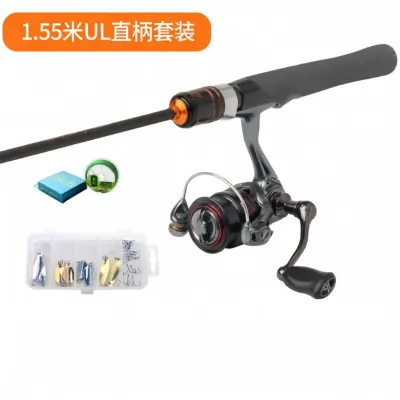
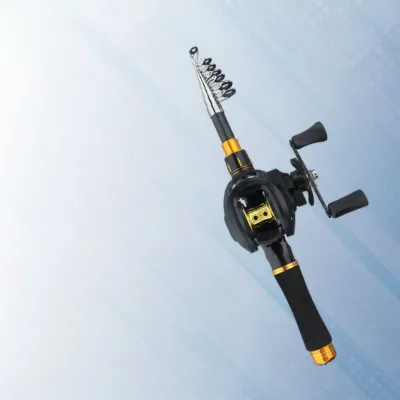
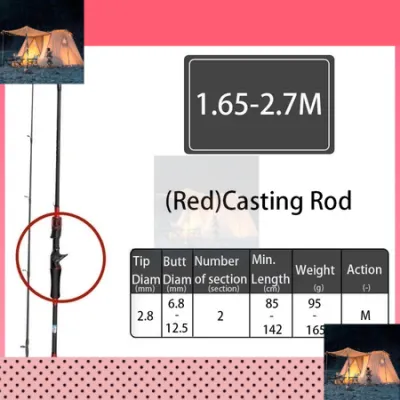
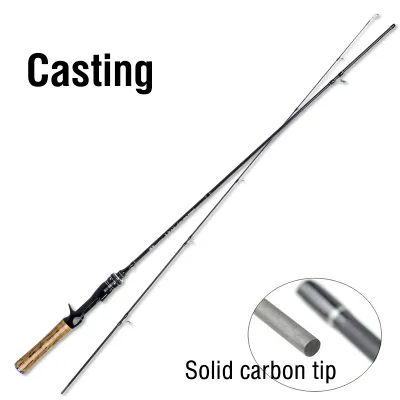
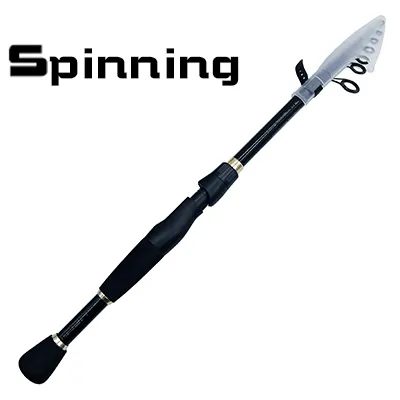
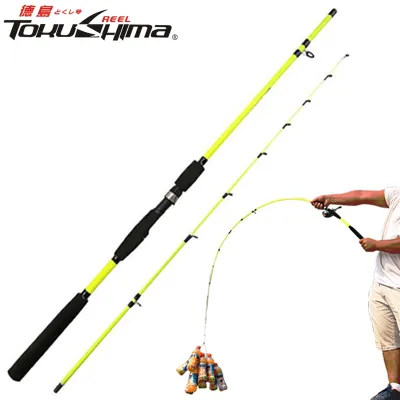
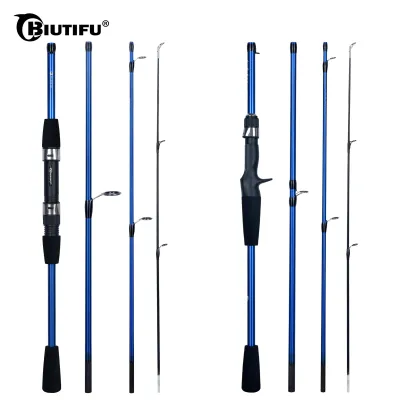
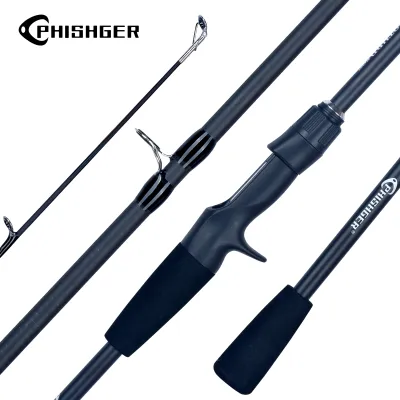
Prices are valid at publication and may change. Please refer to the product page for the latest price.
Opting for a budget-friendly rod means making conscious compromises on premium features that do not directly impact a beginner’s success. For instance, high-modulus carbon blanks (such as 40T carbon) and specialized, branded guide systems like titanium-framed Fuji guides are omitted to keep costs low. Instead, budget rods feature standard 24T or 30T carbon blanks and generic stainless steel guides with ceramic inserts. These components are slightly heavier and less sensitive than their high-end counterparts, but they are exceptionally durable and far more forgiving of accidental impacts or improper handling.
Understanding the difference between buying a standalone rod and a pre-matched combo is also crucial for budget planning. While a standalone rod allows you to customize your setup, a pre-matched rod and reel combo can offer excellent value, often ranging from S$60 to S$120. These combos are curated by manufacturers to ensure the reel weight and line capacity perfectly complement the rod’s action, saving beginners from the complexity of matching components independently.
Essential Specs to Prioritize Over Brand Names
To get the most out of an affordable ultra light fishing rod, you must prioritize technical specifications over marketing labels. The first specification to consider is rod length, which should ideally fall between 6 feet and 6 feet 6 inches for Singapore’s fishing conditions. This length range provides the optimal balance between casting distance and maneuverability, allowing you to cast effectively from crowded reservoir boardwalks, concrete canal banks, or under overhanging vegetation without striking nearby obstacles.

The rod’s power and action ratings are equally critical for casting lightweight lures. An ultra light power rating is designed to load and cast micro-lures weighing between 1 and 7 grams, which are standard for targeting local species like peacock bass and halfbeaks. For the rod action, a fast or moderate-fast action is highly recommended for beginners. A fast-action rod bends primarily at the upper third of the blank, providing excellent sensitivity to detect subtle bites and enabling quick hook sets, while a moderate-fast action bends slightly deeper to absorb the shock of sudden runs on light lines.
Finally, pay close attention to the rod’s hardware, specifically the guide rings and the reel seat. The guide rings must feature smooth ceramic inserts, such as aluminum oxide, to prevent thin braided lines from wearing down or snapping under friction. The reel seat should be constructed from high-density nylon or graphite with secure locking hoods to ensure your reel remains firmly attached without any wobbling or shifting during a fight.
How to Evaluate Budget-Friendly Brands and Sellers
Navigating the market for budget-friendly fishing gear requires a systematic approach to identify genuine value and avoid low-quality products. When browsing local tackle shops or online marketplaces, look for brands that provide transparent, detailed product descriptions. Reputable budget manufacturers will clearly list the rod’s material composition, line rating (typically 2 to 6 pounds), lure weight range, and physical weight, allowing you to verify that the rod is truly designed for ultra light applications.
Be vigilant against common red flags that often indicate substandard manufacturing. Avoid listings that use vague, sensationalized language like “indestructible military-grade carbon” without providing specific technical specifications. Extremely low prices—such as rods sold for under S$20 that claim to feature high-modulus carbon and premium guides—are highly suspicious and often indicate brittle fiberglass construction or poorly glued components that will fail under moderate tension.
Choosing where to buy your rod also plays a significant role in your purchasing experience. Visiting local Singapore tackle shops allows you to perform a physical inspection, where you can gently flex the rod tip against a flat surface to check for a smooth curve and inspect the alignment of the guides. Local shop owners can also provide invaluable advice tailored to local fishing spots. Conversely, online marketplaces offer a wider selection and competitive pricing, but you must rely on verified customer reviews, check the seller’s return policy, and ensure they use rigid packaging, such as thick cardboard or PVC tubes, to protect the rod during transit.
Factoring in Hidden Costs and Combo Alternatives
A common mistake among beginner anglers is allocating their entire budget to the fishing rod, forgetting that a complete, functional setup requires several additional components. To avoid unexpected expenses, you must factor in the cost of a compatible spinning reel, which should be a 1000-size or 2000-size model to maintain proper balance with an ultra light rod. A reel that is too heavy will shift the balance point backward, making casting tiring and reducing your ability to feel delicate bites.
You will also need to budget for high-quality line and terminal tackle. Ultra light fishing relies on thin, low-visibility lines, such as a braided main line rated between 4 and 8 pounds (PE 0.4 to PE 0.8) paired with a 4 to 6-pound fluorocarbon leader. Additionally, you will need a selection of micro-lures, including soft plastic grubs, small jig heads, micro spoons, and miniature hardbaits, along with small snaps to facilitate quick lure changes.
When ordering gear from international sellers on online marketplaces, always calculate the total landed cost. Be sure to check shipping fees, as long packages like fishing rods often incur oversized shipping surcharges. Additionally, keep in mind local import regulations and potential taxes, and verify that the seller offers a clear return or refund policy in the event that the rod arrives damaged or broken.
Basic Care to Maximize the Lifespan of Budget Rods
Proper maintenance is the most effective way to extend the lifespan of an affordable ultra light fishing rod and prevent premature failure. Because Singapore’s fishing spots include brackish canals and coastal jetties, rinsing your gear with fresh water after every outing is essential. Salt and mineral deposits can quickly accumulate on the guide frames and reel seat, leading to corrosion and structural weakening if left untreated.
Safe storage and transportation habits are also vital for protecting thin, sensitive ultra light blanks. Always transport your rod in a protective cloth sleeve or a hard rod tube to prevent it from knocking against other gear or car doors. Avoid storing your fishing rod in hot car trunks or direct sunlight for extended periods, as extreme heat can degrade the epoxies and adhesives holding the guides, reel seat, and grip in place, leading to loose components.
Finally, make it a habit to inspect your rod’s guides regularly for any signs of damage. Run a cotton swab through the inside of each ceramic guide ring; if the cotton fibers catch on the surface, it indicates a hairline crack or chip in the ceramic. These imperfections act like tiny blades, quickly fraying thin ultra light lines and causing frustrating line breaks when you hook a fish.
Frequently Asked Questions (FAQ)
Can I use an ultra light rod for larger fish in Singapore reservoirs?
Yes, you can successfully land larger fish on an ultra light rod, but it requires patience and proper technique. While species like peacock bass or accidental catches of larger catfish can be managed, you must rely heavily on your reel’s drag system to absorb the fish’s runs rather than pulling with the rod blank. Keep in mind that targeting large fish in areas with heavy underwater structure increases the risk of the fish wrapping your line around obstacles, which often results in a broken line or a damaged rod.
Is a one-piece or two-piece ultra light rod better for beginners?
A two-piece ultra light rod is highly recommended for beginners in Singapore due to its portability. Commuting to local fishing spots via public transport, such as the MRT or buses, is significantly easier with a two-piece rod that breaks down to a manageable length of around 3 feet. Modern two-piece rods utilize advanced ferrule designs that maintain excellent sensitivity and a smooth bending curve, offering performance that closely rivals traditional one-piece models.
Do budget ultra light rods come with a warranty?
Most budget-friendly ultra light rods under S$80 do not come with extensive manufacturer warranties, or they may only offer a limited 7 to 30-day warranty covering clear manufacturing defects. To protect yourself, always purchase from reputable local tackle shops or highly rated online sellers who offer a straightforward return policy, and inspect the rod thoroughly for any cracks, misaligned guides, or loose parts immediately upon receipt.

Community discussion
Share your experience or ask a question. Comments are reviewed before publication.