
Choosing the right sports bottle to keep your drinks cold during a workout involves more than just picking a recognizable brand name. While CamelBak is a prominent name in the hydration industry, determining whether it or a competitor offers the best insulation for your workouts depends on several key factors. You must evaluate the specific insulation technologies used—such as double-wall vacuum-insulated stainless steel versus lightweight insulated squeeze plastics—and check the manufacturer’s rated temperature retention specifications. Additionally, matching the bottle’s carry features, lid design, and overall durability to your specific exercise routine is essential for a seamless hydration experience.
In tropical climates, where high humidity and ambient heat can rapidly warm up your beverages, understanding these design differences is crucial. A bottle that performs exceptionally well during an indoor gym session might not meet your needs during an extended outdoor run or a long cycling route. By examining how different materials resist heat transfer and how various carry mechanisms function under movement, you can select a bottle that keeps your water cold and remains easy to use when you are active.
How Insulation Technology Affects Workout Hydration
To make an informed choice, it is helpful to understand how different insulation methods combat heat transfer. The most effective thermal barrier for sports bottles is double-wall vacuum insulation, typically found in rigid stainless steel flasks. This technology works by evacuating the air between two layers of steel, creating a vacuum. Because heat requires a physical medium to travel via conduction or convection, the vacuum layer acts as an incredibly efficient barrier, keeping external heat from reaching your cold beverage.
Products mentioned in this guide
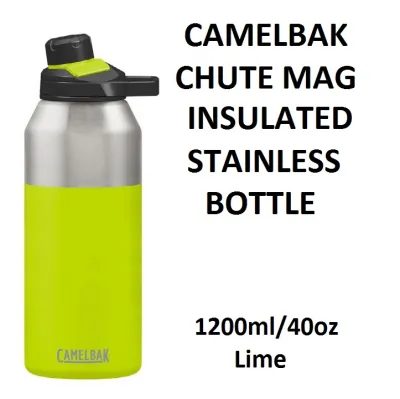
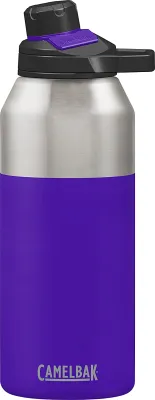
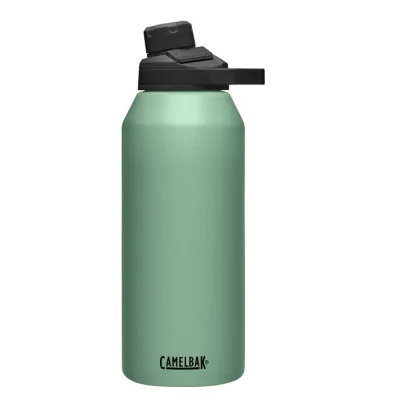
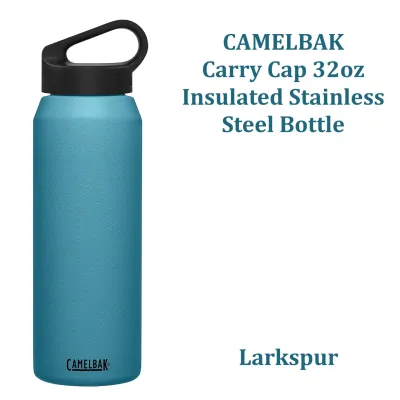
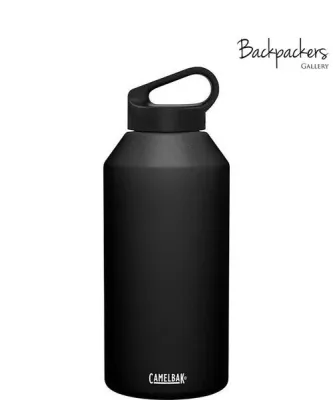
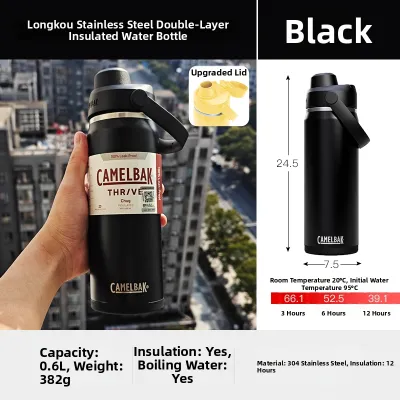
Prices are valid at publication and may change. Please refer to the product page for the latest price.
In contrast, insulated squeeze bottles, which are highly popular among cyclists and runners, use a different approach. These bottles are made of flexible plastics and feature a thin layer of insulating material, such as closed-cell foam, sandwiched between an inner and outer plastic wall. While this design is lightweight and allows you to squeeze the bottle for rapid hydration, it does not feature a vacuum. Consequently, heat transfers through the plastic and foam layers much faster than it does through a vacuum-insulated steel wall.
External workout conditions play a massive role in how quickly your drink warms up. High ambient temperatures, direct sunlight, and even the heat from your hands can accelerate temperature rise. Direct solar radiation can quickly heat up the outer surface of a dark-colored bottle, transferring that thermal energy inward. If you are exercising outdoors in intense heat, a vacuum-insulated steel bottle will maintain cold temperatures significantly longer than any insulated plastic squeeze bottle.
When shopping for a sports bottle, it is important to look past generic marketing claims like “keeps drinks ice-cold” and instead verify the manufacturer’s specific temperature retention ratings. Reliable brands usually print estimated cold-retention hours on the product packaging or specify them in the user manual. Keep in mind that these ratings are typically based on controlled laboratory tests where the bottle is filled with ice water and kept closed. Real-world performance will vary depending on how often you open the lid, whether you add ice, and the intensity of the external heat.
Evaluating CamelBak Bottles for Insulation and Carry
When considering a camelbak carry bottle, you will find that the brand offers distinct product lines tailored to different athletic needs. Their rigid, vacuum-insulated stainless steel bottles are designed for maximum thermal retention and durability. These flasks are ideal for gym workouts, studio classes, or daily commuting where weight is less of a concern than keeping water cold for hours. On the other hand, CamelBak’s insulated flexible squeeze bottles are engineered specifically for high-movement sports like cycling and running, where a lightweight, squeezable design is preferred over maximum thermal performance.

The carry and hydration mechanisms of a bottle are just as important as its insulation capabilities during a workout. CamelBak is widely recognized for its signature bite valves, which allow for hands-free, spill-proof sipping without the need to tilt the bottle. Many of their models also feature integrated carry loops that make it easy to hook the bottle onto a finger or secure it to a backpack using a carabiner. For high-intensity activities, look for models equipped with leak-proof lockout dials on the cap, which prevent accidental spills when the bottle is tossed into a gym bag or carried horizontally.
To ensure you select the right CamelBak model, always verify the specific product specifications for cold-retention durations and material safety. For instance, check if the plastic components are certified BPA-free, BPS-free, and BPF-free to ensure your water remains clean and free of chemical tastes. If you are choosing a stainless steel model, verify the weight of the empty bottle to ensure it fits comfortably within your carrying setup, especially if you plan to carry it on long runs or hikes.
Comparing CamelBak with Competing Sports Bottle Brands
When comparing CamelBak to other major sports bottle brands, the primary trade-off lies in the choice between rigid vacuum flasks and flexible insulated squeeze bottles. Many competing brands focus almost exclusively on heavy-duty, double-wall vacuum-insulated stainless steel flasks. These flasks offer outstanding cold retention, often keeping drinks cold for up to 24 hours or more under normal conditions. However, they are significantly heavier than plastic alternatives and cannot be squeezed, meaning you must rely on gravity or a straw to drink. If your workout involves cycling, a rigid steel bottle may also be more difficult to fit securely into standard bike cages without rattling or scratching.
Lid and valve designs represent another major point of differentiation between CamelBak and its competitors. While CamelBak’s bite valve is highly favored for quick, spill-free access, some users find that it requires more effort to clean thoroughly. Competitors often offer alternative lid styles, such as wide-mouth chug caps for rapid gulping, magnetic caps that stay out of your face while drinking, or simple straw lids. These alternative designs can be highly appealing depending on whether you prefer to sip slowly during rest periods or gulp down water quickly after an intense set.
Weight, durability, and form-factor trade-offs must be evaluated based on your specific sport. For running, a lightweight, flexible insulated squeeze bottle is often the most practical choice because it minimizes bouncing and can be carried in a hand strap or running vest. For gym sessions or yoga, where the bottle remains stationary on the floor, a heavier vacuum-insulated steel flask is excellent because weight is not a constraint, and you can enjoy ice-cold water throughout your session. For cycling, ensure the bottle’s diameter matches your bike’s bottle cage, and consider whether a plastic squeeze bottle is safer to handle while riding than a rigid metal flask.
Decision Framework: Choosing the Right Bottle for Your Routine
To help you decide between CamelBak and other sports bottle brands, consider how the following criteria align with your workout routine:
Choose CamelBak if:
- You prefer hands-free hydration and enjoy using a bite valve that doesn't require tilting the bottle.
- You need a lightweight, squeezable insulated bottle that fits perfectly into a bicycle bottle cage for road cycling or mountain biking.
- You value integrated carry loops and secure lockout mechanisms that prevent leaks in your gym bag.
Choose Competitors if:
- Your primary goal is maximum cold retention for long outdoor workouts, and you prefer a heavy-duty, rigid vacuum-insulated steel flask.
- You prefer alternative lid styles, such as a magnetic cap, a wide-mouth chug cap, or a standard screw-on lid.
- You want a bottle system with wide compatibility for third-party modular accessories, custom lids, or protective silicone boots.
Verify first if:
- You have strict requirements for the exact number of hours your drink must stay cold, which requires checking the manufacturer's thermal specifications.
- You require dishwasher-safe components, as some insulated bottles and specialized lids must be hand-washed to protect their seals and vacuum integrity.
- You have specific capacity constraints, meaning you need to measure your bike cage, cup holder, or backpack side pocket before purchasing.
Maintaining Insulation Performance and Hygiene
Proper maintenance is essential to preserve both the insulation performance and the hygiene of your sports bottle. Always check the manufacturer’s cleaning instructions before washing your bottle. While some stainless steel bottles are dishwasher safe, many require hand washing because the high heat and intense water pressure of a dishwasher can degrade the vacuum seal over time. If the vacuum seal is compromised, the bottle will lose its insulation properties, and condensation will begin to form on the outside of the flask.
Regularly inspect the bite valves, straws, and rubber gaskets for signs of mold, wear, or damage. Because sports bottles are frequently exposed to moisture and backwash, these small crevices can easily trap bacteria if not cleaned and dried thoroughly. Use specialized small brushes to clean inside straws and valves, and allow all parts to air dry completely before reassembling the bottle. Replacing worn-out seals and valves promptly will ensure your bottle remains leak-proof and hygienic.
Finally, avoid exposing your insulated bottle to extreme temperature shocks. For example, do not place a vacuum-insulated steel bottle in the freezer, as the expansion of freezing water can warp the metal and permanently damage the vacuum seal. Similarly, avoid pouring boiling water into bottles that are not rated for high temperatures, especially those with plastic components or bite valves, as this can warp the materials and compromise their structural integrity.
Frequently Asked Questions (FAQ)
Are insulated squeeze bottles as effective as vacuum-insulated steel bottles?
Insulated squeeze bottles are generally not as effective at temperature retention as double-wall vacuum-insulated steel bottles. Vacuum insulation provides a highly efficient thermal barrier that prevents heat transfer, whereas insulated squeeze bottles rely on lightweight foam layers that only slow down heat transfer. Squeeze bottles prioritize flexibility, lightweight design, and ease of use during active sports like cycling, while steel bottles prioritize maximum cold retention. You should check the specific product specifications for expected cold-retention times to match your workout duration.
Can I put hot drinks in a CamelBak sports bottle?
Many sports bottles, particularly those featuring bite valves, straws, or flexible squeeze designs, are not intended for hot liquids. Using hot beverages in these bottles can cause pressure buildup, leading to sudden leaks or spraying when you open the valve, which presents a significant burn risk. Additionally, hot liquids can warp plastic components and damage seals. Always verify the manufacturer’s temperature limits and intended use guidelines on the product label before adding hot beverages to your bottle.

Community discussion
Share your experience or ask a question. Comments are reviewed before publication.