
When selecting a tenda camping for your next outdoor adventure, understanding the technical specifications is key to staying dry. The millimeter (mm) rating on a tent indicates its hydrostatic head, which measures the fabric’s resistance to water pressure. Specifically, this rating tells you how much water pressure the material can withstand before moisture begins to seep through. Understanding this specification is essential for selecting a shelter that keeps you dry without adding unnecessary weight or cost to your outdoor gear setup.
What Hydrostatic Head (mm) Actually Measures
To understand hydrostatic head, picture a vertical glass tube placed over a piece of tent fabric. The millimeter rating represents the height to which that tube can be filled with water before gravity and pressure force droplets through the weave. For example, a fabric rated at 1,500mm can resist a 1,500-millimeter column of water pressing down on its surface before leaking.
When evaluating a tenda camping, you will notice that the floor and the rainfly usually have different ratings. The rainfly, which deflects falling rain, typically requires a lower rating than the floor. The floor must withstand the concentrated physical pressure of your body weight, sleeping pads, and gear pressing down against wet ground, which can easily force water through less resistant fabrics.
Products mentioned in this guide
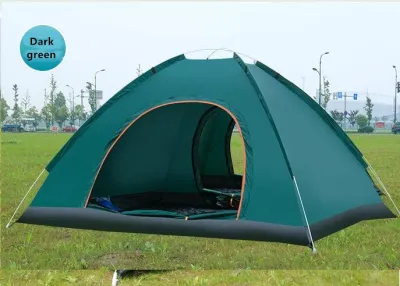
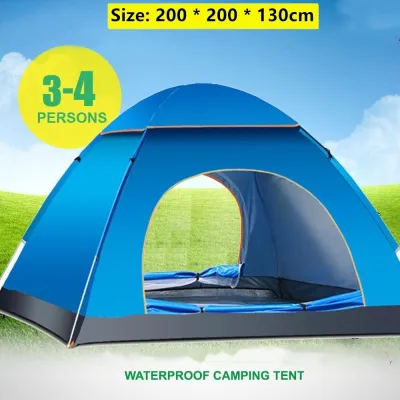
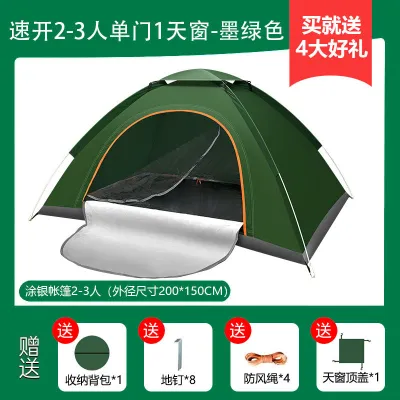
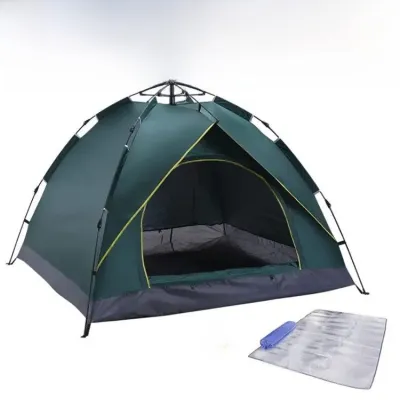
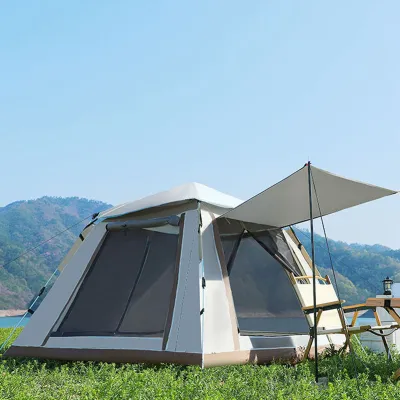
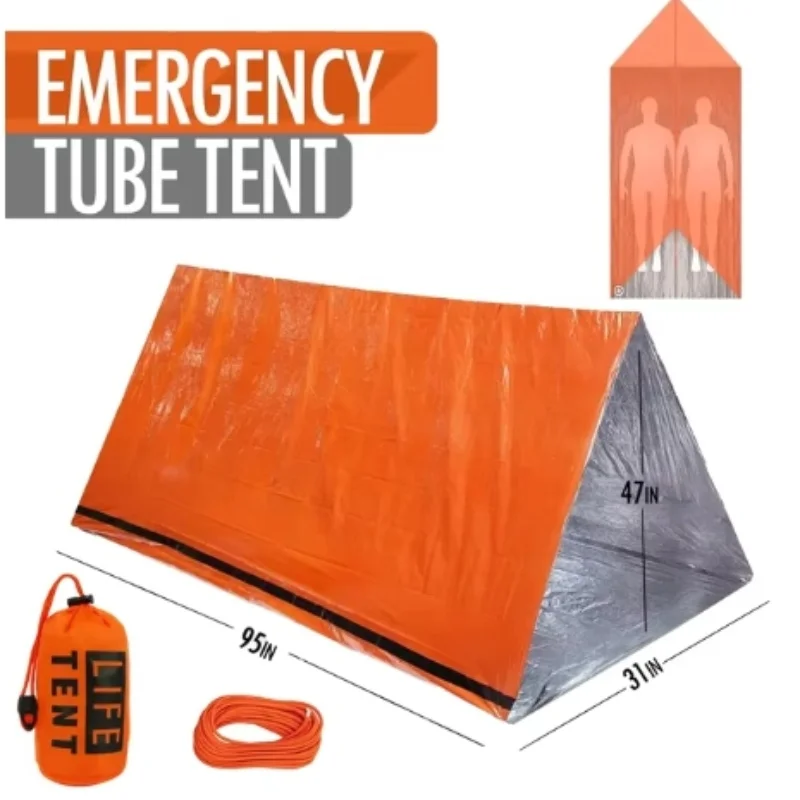

Prices are valid at publication and may change. Please refer to the product page for the latest price.
It is important to remember that these ratings are determined in controlled laboratory environments. Static lab tests do not account for real-world variables such as high winds, fabric abrasion, UV degradation, or prolonged exposure to heavy storms. A rating that performs well under static pressure may experience different results when subjected to the dynamic forces of a tropical downpour.
How to Read Tent Waterproof Labels and Tags
When reviewing product specifications, look for detailed breakdowns rather than a single, generalized waterproof number. High-quality manufacturers list separate ratings for the rainfly and the floor. If a product description only provides one rating, it is highly recommended to verify which component of the tent it refers to before making a purchase.

Do not confuse the waterproof rating (measured in millimeters) with fabric thickness, which is measured in denier (D). Denier indicates the weight and density of the threads used in the weave; a higher denier means a tougher, more tear-resistant fabric. However, a high-denier fabric is not inherently waterproof unless it has been treated with a polyurethane or silicone coating to achieve a high hydrostatic head rating.
Additionally, a high fabric rating is ineffective if the construction allows water to enter through other paths. Always check the product specifications for factory-taped seams, where a waterproof membrane is heat-sealed over the stitching holes. Water-resistant zippers and protective storm flaps over entry points are also critical features that prevent moisture from bypassing the coated fabric.
Matching Waterproof Ratings to Your Camping Conditions
Selecting the right waterproof rating depends heavily on your expected camping environment. For casual weekend trips in mild, predictable weather, a rainfly rating of 1,000mm to 1,500mm is generally sufficient to handle light showers. If you plan to camp in regions prone to sudden tropical storms or heavy monsoon seasons, look for a rainfly rating of 2,000mm to 3,000mm to ensure reliable protection.
While it might be tempting to buy the highest rating available, there are distinct trade-offs to consider. Thicker waterproof coatings add physical weight and bulk to your gear, which can be a significant drawback if you are backpacking. Furthermore, heavy polyurethane coatings reduce the fabric’s breathability, increasing the likelihood of internal condensation buildup.
If you must compromise, prioritize a higher rating for the tent floor over the rainfly. Because damp ground constantly exerts pressure against the bottom of the tent, a floor rating of 3,000mm to 5,000mm is highly beneficial, even if the rainfly is only rated at 1,500mm. This configuration keeps ground moisture from seeping through while maintaining decent ventilation overhead.
Always consult the manufacturer’s specific guidelines and user manuals for their recommended use cases. Different brands design their shelters for specific climates and pitching styles, and their official documentation will provide the most accurate guidance on how their ratings translate to real-world weather limits.
Beyond the Rating: Other Factors That Keep You Dry
Even a tent with an exceptionally high waterproof rating can let in water if it is not pitched correctly. A loose, sagging rainfly allows rainwater to pool in the creases, creating localized pressure points that eventually force moisture through the fabric. Ensuring the tent is pitched tightly with all guy lines and stakes deployed allows water to shed efficiently off the sides.
Using a dedicated footprint or groundsheet underneath your tent is another crucial step in staying dry. A footprint acts as a protective barrier, shielding the tent floor from sharp rocks, twigs, and general abrasion that can wear down the waterproof coating over time. It also prevents direct contact with saturated soil, adding an extra layer of moisture protection.
Many campers mistake internal condensation for a leaking rainfly. When warm, humid air from your breath cannot escape, it condenses on the cold inner surface of the rainfly, eventually dripping down onto your sleeping gear. To prevent this, maximize airflow by keeping mesh vents open, choosing a campsite with a gentle breeze, and avoiding low-lying areas where damp air naturally pools.
Frequently Asked Questions (FAQ)
Does a higher hydrostatic head rating always mean a better tent?
No, a higher rating does not automatically make a tent superior. Extremely high ratings require thick, heavy coatings that add significant weight and reduce the packability of your gear. These heavy coatings also restrict airflow, which can lead to severe condensation issues inside the tent, making the interior feel damp even in dry weather.
How do I maintain the waterproof coating on my camping tent?
To maintain the protective coating, always dry your tent completely before packing it away, as mold and mildew can rapidly degrade polyurethane. Clean the fabric gently using a soft sponge and clean water, avoiding harsh household detergents that can strip the coating. Always check the manufacturer’s care label before applying any aftermarket reproofing sprays or seam sealers to restore water resistance.

Community discussion
Share your experience or ask a question. Comments are reviewed before publication.