
The Short Answer: Never Use a Keychain Carabiner for Climbing
When preparing for any outdoor adventure, understanding the limits of your equipment is a matter of life and safety. A caribiner keychain (often spelled carabiner) is a highly convenient tool for keeping your keys secure or clipping light accessories to your gear, but it must never be used for climbing, rappelling, or any other life-safety load-bearing activity.
These everyday accessories are designed solely for light utility and organization. They lack the structural integrity, high-grade materials, and rigorous safety certifications required to support human weight or withstand the sudden forces of a fall. Using an unrated accessory clip in a climbing system invites catastrophic structural failure, which can lead to severe injury or death.
Climbing requires specialized, certified equipment engineered to withstand thousands of kilograms of force. An accessory clip simply cannot handle these extreme loads. Even a short fall of a few inches can generate dynamic forces that will instantly snap or deform a non-rated keychain clip.
Products mentioned in this guide
![[SG Stock] Carabiner Locking Screw Lock Biner Snap Keychain Bag Hook Aluminum Alloy Outdoor Camping Hiking](https://img.lazcdn.com/g/p/f7df1e5fcb0fd6af28660e14a5b7a86b.jpg_400x400q80.jpg_.webp)
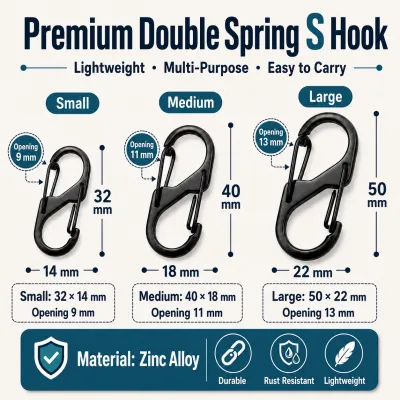
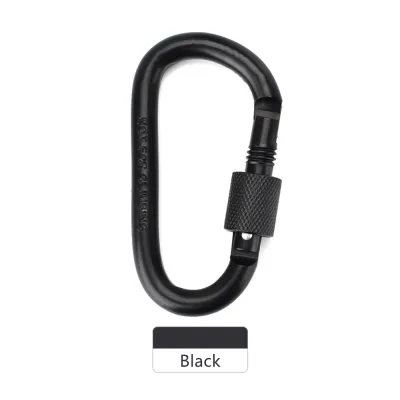
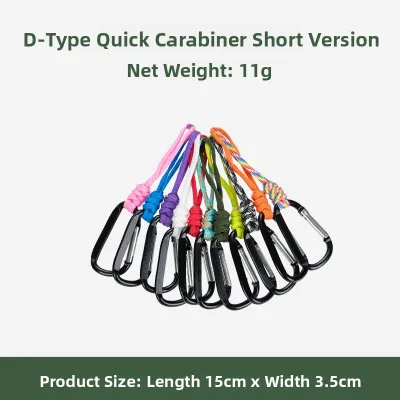
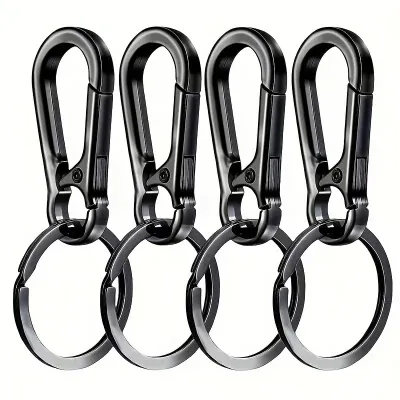
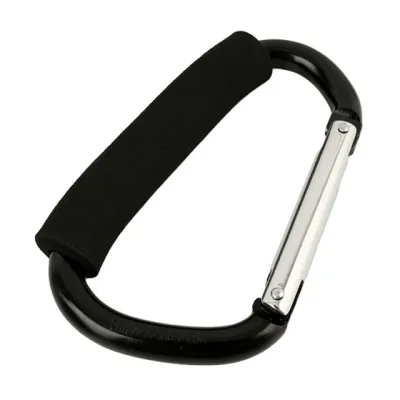
Prices are valid at publication and may change. Please refer to the product page for the latest price.
Critical Design and Material Differences
To understand why a caribiner keychain cannot support climbing loads, we must look at the engineering and materials used in manufacturing. Climbing carabiners are highly engineered safety devices. They are typically constructed from aerospace-grade aluminum alloys, such as 7075-T6 aluminum, or high-strength stainless steel. These materials undergo hot or cold forging processes that align the grain structure of the metal, maximizing tensile strength while keeping the gear lightweight.

In contrast, most keychain carabiners are made from cheap, cast metals like zinc alloys, low-grade aluminum, or even molded plastics. Casting involves pouring molten metal into a mold, which often leaves microscopic air bubbles and structural inconsistencies inside the finished product. Under tension, these internal flaws act as stress concentration points, causing the clip to snap suddenly without stretching or warning.
The physical dimensions and geometry also differ immensely. A certified climbing carabiner features a thick, carefully shaped spine designed to direct forces along its strongest axis. The gate mechanism is precision-machined, often utilizing a keylock nose or a robust wire gate that hooks securely into the body to form a closed loop. When closed, the gate shares the load with the spine.
Keychain clips, however, have thin spines and flimsy gate springs. Their gates often overlap the nose loosely without any interlocking design. Under even a minor load, the frame of a keychain clip will flex, causing the gate to slip open or pop out of alignment. Once the gate opens or fails, the carabiner loses up to two-thirds of its strength, leading to immediate structural collapse.
Furthermore, climbing involves dynamic forces. When a climber falls, the rope stretches to absorb energy, but the carabiner still experiences a sudden spike in force known as impact force. This dynamic shock is significantly higher than the climber’s static body weight. While a certified carabiner is built to absorb and withstand these dynamic spikes, a keychain clip will shear or deform instantly under the initial shock load.
Cross-loading is another critical vulnerability. In real-world climbing, gear can shift, causing forces to be applied sideways across the minor axis (the gate and side walls) rather than along the spine. Certified climbing carabiners are tested and rated to handle a minimum level of cross-loading force. A keychain clip has virtually zero lateral strength; any sideways force will twist the frame and break the gate immediately.
How to Verify a Carabiner is Safe for Climbing
Identifying safe, load-rated climbing gear is a straightforward process once you know what markings and physical characteristics to look for. You should never guess or assume a piece of gear is safe based on its appearance alone.
First, inspect the spine of the carabiner for permanently stamped or laser-etched technical specifications. Certified climbing carabiners are required by international standards to display their minimum breaking strength in kilonewtons (kN). You will typically see three distinct numbers printed alongside small arrows indicating the direction of force:
- Major Axis Strength: This rating shows the strength of the carabiner when the gate is closed and the load is applied along the spine. For climbing, this must be at least 20 kN (approximately 2,000 kilograms of static force).
- Minor Axis Strength: This rating indicates the strength when the carabiner is cross-loaded sideways. This must be at least 7 kN (approximately 700 kilograms).
- Open-Gate Strength: This rating shows the strength if the carabiner is loaded while the gate is accidentally open. This must also be at least 7 kN.
Second, look for official safety certification marks. Safe climbing gear must comply with strict international standards, such as EN 12275 (the European standard for mountaineering carabiners) or UIAA 121 (the standard set by the International Climbing and Mountaineering Federation). Compliance is indicated by the CE mark followed by a four-digit number (which identifies the independent testing laboratory) and the UIAA logo. If these markings are missing, the item is not certified for climbing.
Third, evaluate the physical construction and gate action. Certified climbing carabiners are robust, feel solid in the hand, and feature smooth, positive gate action. The gate should snap shut instantly and align perfectly with the nose. Many climbing carabiners also feature locking sleeves—either manual screw-gates or automatic twist-locks—to prevent accidental opening during use.
Finally, always verify the source of your gear. Purchase climbing equipment only from reputable outdoor retailers and established manufacturers who provide detailed user manuals and safety specifications. Avoid buying unbranded carabiners from online marketplaces or discount stores, as these items often lack quality control and may carry counterfeit certification markings.
Appropriate and Safe Uses for Carabiner Keychains
Although a caribiner keychain is entirely unsuitable for life-safety applications, it remains an incredibly useful tool for everyday carry (EDC) and light outdoor organization. Understanding its limits allows you to utilize its convenience safely without putting yourself or your gear at risk.
The primary role of an accessory carabiner is to secure lightweight items that do not bear critical loads. Safe and common uses include:
- Everyday Organization: Keeping your keys organized and clipped to a belt loop, purse strap, or interior bag pocket.
- Gear Attachment: Securing a water bottle, travel mug, or hand sanitizer bottle to the exterior of a backpack during a casual hike.
- Accessory Management: Hanging lightweight camping gear, such as a headlamp, camp cup, or small stuff sack, from a gear loft or tent loop.
- Tool Storage: Organizing lightweight hand tools, rolls of tape, or small hardware items on a pegboard in your garage or workshop.
To maintain safety even in these non-critical scenarios, you must regularly inspect your keychain clips and know when to retire them. Discard and replace your caribiner keychain if you observe any of the following warning signs:
- Visible Deformation: Any bending, twisting, or warping of the metal frame or spine.
- Gate Malfunction: A gate that sticks open, does not close completely, or has a weak, unresponsive spring.
- Excessive Wear: Deep grooves, sharp edges, or significant metal wear caused by friction from metal key rings.
- Corrosion: Heavy rust, pitting, or powdery oxidation on the metal surface, which can weaken the structure and cause the gate to seize.
Frequently Asked Questions (FAQ)
Can I use a keychain carabiner to hang a heavy punching bag or hammock?
No, you should never use a standard keychain carabiner to hang a hammock or a heavy punching bag. Hanging a hammock involves supporting human weight, which subjects the hardware to high tension and dynamic movement as you get in, out, or shift positions. A punching bag, while static when hanging, experiences intense dynamic shock forces every time it is struck.
Using unrated accessory clips for these setups risks sudden structural failure, which can lead to painful falls, serious injuries, or property damage. For hammocks and heavy sports equipment, always use dedicated, load-rated hardware. Look for heavy-duty steel carabiners, rigging shackles, or specialized suspension straps that are explicitly rated for suspended human weight or heavy dynamic loads.
What should I do if I accidentally used a keychain carabiner for climbing?
If you realize that an unrated keychain clip has accidentally been integrated into a climbing system, anchor setup, or safety line, you must take immediate action to ensure your safety:
- Stop Immediately: Cease all movement and notify your climbing partner. Do not put any further weight or tension on the compromised section of the system.
- Secure Yourself: Use certified, redundant climbing gear to secure your position to a safe anchor point.
- Remove and Replace: Carefully remove the unrated keychain clip from the system and replace it with a certified, load-rated climbing carabiner.
- Inspect and Discard: Once you are safely on the ground, thoroughly inspect the rest of your gear to ensure no other unrated items are mixed in. Even if the keychain clip did not break, it may have suffered invisible micro-fractures or permanent structural stretching under load. Discard the compromised clip immediately by cutting it or throwing it away so it can never be accidentally used for climbing again.
Are locking keychain carabiners safe for light climbing or anchors?
No, a locking gate on a keychain carabiner does not make it safe for climbing, anchors, or any load-bearing applications. Some manufacturers add threaded screw sleeves or locking mechanisms to accessory carabiners to prevent keys or water bottles from accidentally slipping off. While this is a useful feature for everyday organization, it does not increase the structural strength of the metal frame.
The core frame of a locking keychain clip is still made from the same weak, unrated cast metals or thin alloys as standard keychains. It will still fail under the high forces generated during climbing. For any safety-critical application, you must use only certified, load-rated locking carabiners that carry official CE or UIAA stamps on their spines.

Community discussion
Share your experience or ask a question. Comments are reviewed before publication.