
No, you should not use a yoga band as a substitute for lifting straps during heavy gym pulls. While both items are common sights in modern fitness spaces, they are engineered for entirely different physical forces. Attempting to wrap a barbell with a yoga strap or an elastic band poses immediate safety risks, including sudden grip failure, joint strain, and equipment damage.
Lifting straps are designed to transfer the load of a heavy barbell directly to your wrists, bypassing grip fatigue during deadlifts, rows, and shrugs. Yoga bands, whether they are non-elastic cotton straps or elastic resistance loops, lack the structural integrity, friction, and fastening mechanisms required to secure heavy metal under tension. To understand why this substitution is dangerous, it is essential to look at how these two accessories are constructed and how they interact with your body and the barbell.
How Yoga Bands and Lifting Straps Differ in Design
Yoga straps are typically made of thin, lightweight woven cotton or polyester. They are designed to assist with flexibility, meaning they only need to support the gentle tension of a human limb stretching. They are often narrow and completely unpadded, which makes them highly unsuitable for bearing hundreds of kilograms of deadweight. In contrast, lifting straps are constructed from heavy-duty woven cotton, thick nylon, or reinforced leather. They are significantly wider to distribute heavy loads across a larger surface area on your wrists, and they frequently feature neoprene padding to protect the skin and blood vessels from extreme pressure.
Products mentioned in this guide
![[RECEIVE IN 3 DAYS] Looped Resistance Exercise Yoga Bands](https://img.lazcdn.com/g/p/478c71011ff76f1dc2636e7c42012a8d.jpg_400x400q80.jpg_.webp)

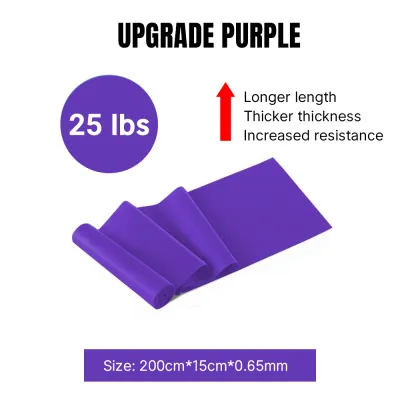

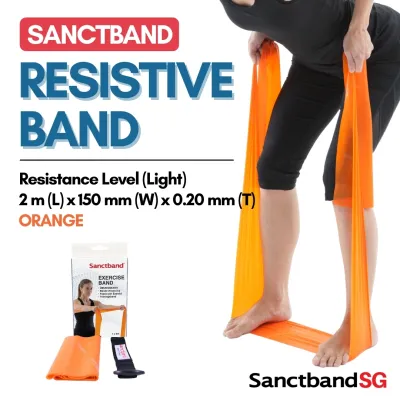
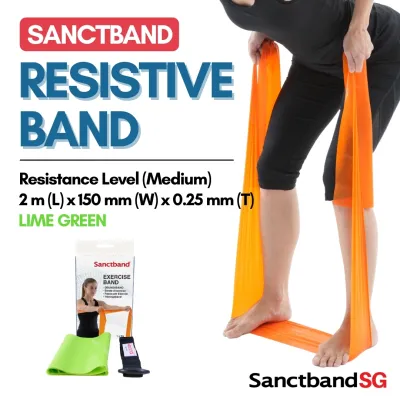
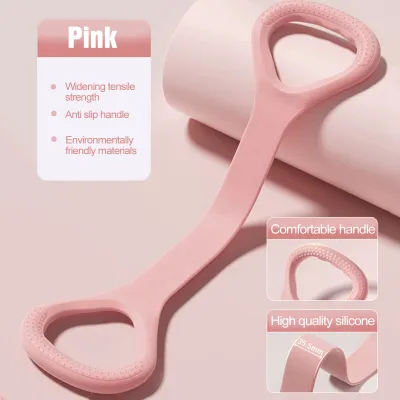

Prices are valid at publication and may change. Please refer to the product page for the latest price.
The way these accessories secure themselves is fundamentally different. A yoga strap relies on lightweight metal or plastic D-rings, or simple plastic slide buckles, to adjust its length for stretching poses. These fasteners are not rated for dynamic, high-load gym pulls and can easily slip or snap under sudden tension. Lifting straps do not rely on buckles or rings to hold weight. Instead, they use continuous loops, lasso configurations, or figure-eight designs that tighten mechanically around the barbell as you pull, using friction and the weight of the bar itself to lock the grip in place.
It is also crucial to distinguish between different types of yoga accessories. A traditional yoga strap is a non-elastic fabric band used for alignment and stretching. On the other hand, many gym-goers use the term “yoga band” to refer to elastic resistance bands or loop bands. These elastic bands are designed to stretch and provide progressive resistance. Using an elastic band as a lifting strap is even more hazardous, as the material will stretch under the weight of the bar, destabilizing your grip and creating a dangerous slingshot effect if it slips.
Safety Risks of Using a Yoga Band for Heavy Lifts
The most immediate hazard of using a yoga strap for heavy deadlifts or rows is the catastrophic failure of its hardware. The D-rings or plastic buckles on a yoga strap are designed to handle minimal tension—usually just the force of a person pulling their leg into a deeper stretch. When subjected to the immense downward force of a heavy barbell, these rings can bend, slip, or shatter instantly. If the fastener fails mid-lift, the barbell will drop suddenly, potentially causing severe muscle tears, spinal shock, or foot injuries.

Even if the hardware holds, the physical toll on your wrists can be severe. Because yoga straps are narrow and unpadded, they concentrate the entire weight of the lift onto a very small strip of skin. During a heavy pull, this narrow band can cut deeply into your wrists, compressing nerves, restricting blood flow, and bruising the delicate tendons of the wrist joint. Dedicated lifting straps are wide and padded specifically to prevent this localized pressure, ensuring that the load is distributed safely across the wrist and forearm.
A secure lift relies on friction between the strap material and the knurling of the barbell. Yoga straps are often made of smooth, tightly woven fabrics that do not grip steel knurling effectively. Without this friction, the strap will slide along the bar rather than locking onto it. This lack of grip security means the bar can spin out of your hands unexpectedly, leading to sudden grip loss. In a crowded gym environment, dropping a heavy barbell unexpectedly not only risks personal injury but also poses a major safety hazard to everyone around you.
When to Use Each Accessory in Your Training
Yoga bands and straps have a highly valuable place in a well-rounded fitness routine, but their utility is strictly limited to mobility and recovery. Use a non-elastic yoga strap to assist with deep hamstring stretches, shoulder flossing, or maintaining alignment in challenging yoga poses. Elastic resistance bands are excellent for warm-ups, glute activation, rotator cuff exercises, and physical therapy movements. These activities involve low-velocity, controlled movements where safety does not depend on holding a heavy, free-floating weight.
Lifting straps should be reserved specifically for heavy pulling exercises where your target muscles—such as your upper back, lats, or hamstrings—can handle more weight than your hands can hold. Common examples include heavy deadlifts, Romanian deadlifts, barbell rows, and heavy shrugs. By transferring the load from your fingers to your wrists, lifting straps allow you to train these larger muscle groups to failure without your grip giving out first.
The decision framework is simple: if the exercise involves lifting a heavy load against gravity where a grip failure could result in a dropped weight, always choose dedicated lifting straps. If the exercise focuses on stretching, joint mobility, or low-impact resistance, reach for your yoga band. Mixing up these tools compromises your safety and limits your training progress.
How to Choose the Right Lifting Straps for Heavy Pulls
When shopping for lifting straps, you will generally choose between cotton, nylon, and leather. Cotton straps are soft, comfortable, and break in quickly, making them an excellent choice for general gym-goers, though they may wear out faster under extreme loads. Nylon straps are incredibly durable and have a slicker feel, which some lifters prefer for quick releases, but they can be harsh on the skin. Leather straps offer a premium, highly durable option that molds to your wrists over time, providing a very secure grip, though they require a break-in period and are generally more expensive.
The design of the strap dictates how it is used and how quickly you can let go of the bar. Lasso straps are the most common and versatile, featuring a loop at one end that wraps around your wrist, allowing you to wrap the remaining tail around the bar. Closed-loop (or Olympic) straps are shorter and allow for a quick release, making them the standard choice for clean-and-jerks and snatches. Figure-eight straps loop over your wrist, go under the bar, and loop back over your wrist; they lock you to the bar completely, making them incredibly secure for heavy deadlifts but unsuitable for lifts where you might need to bail quickly.
Before purchasing any lifting straps, inspect their construction details to ensure they can handle heavy training. Look for reinforced, double-stitched seams at the stress points where the loop meets the strap. Opt for models that feature thick neoprene padding around the wrist loop to prevent chafing and bruising. Finally, always check the manufacturer’s packaging or product specifications for load guidelines and care instructions to ensure the straps are rated for the weights you intend to lift.
Frequently Asked Questions (FAQ)
Can You Use Resistance Bands as Lifting Straps?
No, you should never use elastic resistance bands as lifting straps. Resistance bands are designed to stretch and store elastic potential energy. If you wrap an elastic band around a heavy barbell, the band will stretch as you pull, causing the bar to sag and destabilize your starting position. More dangerously, if your grip slips, the stretched band can snap back violently toward your face or body, causing severe impact injuries. Lifting straps must be made of non-elastic, rigid materials to ensure a stable, direct transfer of force.
What Should You Do If You Forget Your Lifting Straps?
If you arrive at the gym and realize you forgot your lifting straps, do not attempt to improvise with unsafe gear like yoga bands or towels. Instead, adapt your workout safely. You can apply lifting chalk to absorb sweat and improve your natural grip friction, or switch to a hook grip or mixed grip for your heavy sets. Alternatively, you can temporarily reduce the working weight and focus on high-volume training, or use the session to perform grip-specific accessory work like farmer’s carries and plate pinches to build your natural hand strength.

Community discussion
Share your experience or ask a question. Comments are reviewed before publication.