
Selecting the right 10kg kettlebell is a crucial decision for your home gym setup, especially when balancing performance with the realities of apartment living. The choice between classic cast iron and vinyl-coated models ultimately comes down to how you prioritize grip security, floor protection, and long-term durability.
If your training involves dynamic, high-repetition movements where a secure grip and chalk compatibility are paramount, bare cast iron is an excellent choice. Conversely, if you work out on delicate indoor surfaces and need to minimize noise to keep your neighbors happy, a vinyl-coated kettlebell offers a practical, floor-friendly alternative. Understanding the distinct physical properties of these materials will help you select the weight that best matches your training style and home environment.
Grip Feel and Handling Differences
The texture of the handle is the most critical interface between you and your kettlebell during dynamic exercises like swings, cleans, and snatches. Bare cast iron kettlebells feature a naturally porous surface that provides a reliable, tactile grip. This texture is highly compatible with gym chalk, which absorbs sweat and prevents the weight from slipping out of your hands during intense sessions. For lifters focusing on high-volume training, the consistent friction of cast iron helps maintain control without causing excessive hand fatigue.
Products mentioned in this guide
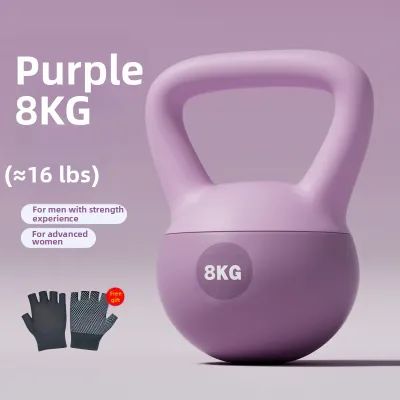
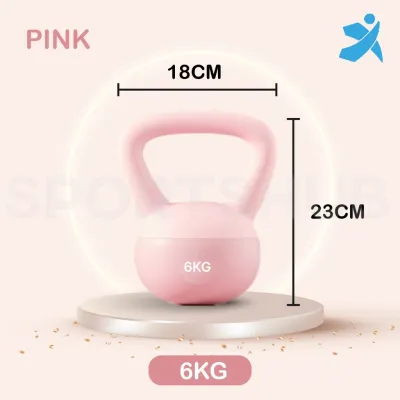
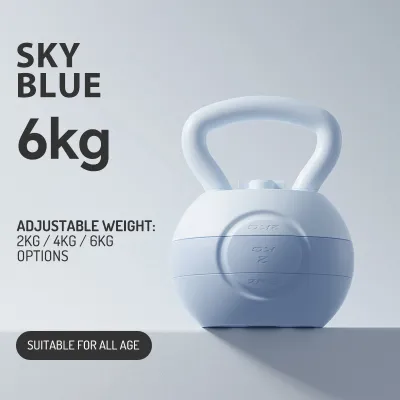
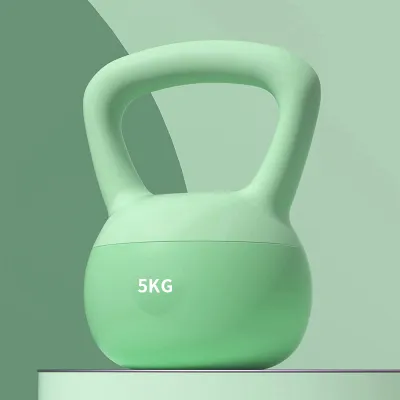
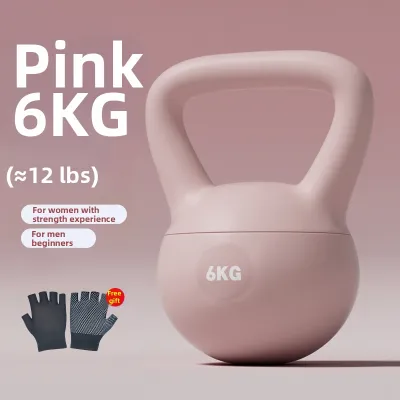
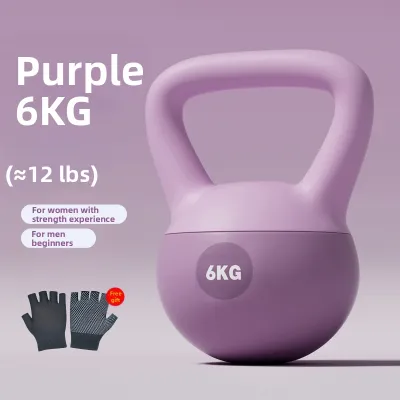
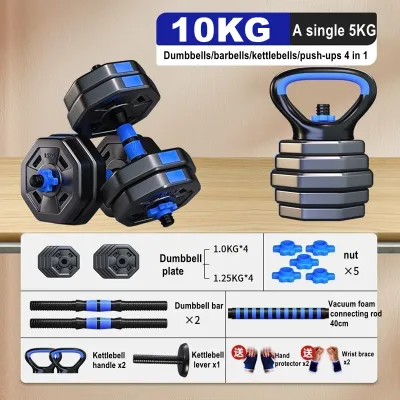
Prices are valid at publication and may change. Please refer to the product page for the latest price.
In contrast, vinyl-coated kettlebells often present a different handling experience depending on how the coating is applied. Some models feature a vinyl layer that covers only the bell, leaving the handle bare, while others wrap the entire implement in vinyl. A fully coated handle can become exceptionally slippery once your hands begin to sweat. This slickness makes it difficult to maintain a secure hold, increasing the risk of accidental drops during ballistic movements.
Furthermore, the manufacturing process for vinyl-coated weights can sometimes result in thicker handles. This added bulk can challenge your grip strength, particularly if you have smaller hands. When evaluating either material, it is essential to inspect the handle diameter and check for any rough casting seams. A poorly finished handle with sharp ridges can quickly cause blisters, regardless of whether the weight is coated or bare iron.
Floor Protection and Noise Reduction
Home workouts in modern apartments require careful consideration of your flooring and surrounding living spaces. A bare cast iron kettlebell is a solid, heavy block of metal that can easily damage household surfaces. Dropping a bare iron weight, or even setting it down too quickly, can chip ceramic tiles, scratch hardwood, or dent vinyl flooring. To use bare iron safely indoors, you generally need to invest in thick, high-density rubber gym mats to absorb the impact.

Vinyl-coated kettlebells are specifically designed to address these indoor training challenges. The outer vinyl layer acts as a protective buffer, cushioning the impact when the weight contacts the floor. This soft exterior significantly reduces the risk of unsightly scratches and minor dents on delicate surfaces. While it does not eliminate the need for mindful handling, it provides an extra layer of security during home workouts.
Noise reduction is another major benefit of the vinyl barrier, especially in shared residential buildings. The clatter of bare metal against a hard floor or other fitness equipment can be highly disruptive to family members and neighbors. The vinyl coating dampens these sounds, allowing for quieter workouts early in the morning or late at night. However, before purchasing a coated model, you should verify that the base is completely flat, as excess vinyl can sometimes pool at the bottom during manufacturing, causing the kettlebell to wobble when placed on the ground.
Durability and Maintenance in Humid Climates
Singapore’s tropical climate, characterized by high humidity and warm temperatures, presents unique challenges for fitness equipment maintenance. Bare cast iron is highly susceptible to oxidation when exposed to moisture and sweat. Over time, a neglected iron kettlebell will develop surface rust, which can transfer to your hands, clothes, and flooring. To prevent this, cast iron requires regular upkeep, including wiping down the surface after every workout and occasionally applying a thin layer of mineral oil to preserve the metal.
Vinyl coatings offer an appealing alternative by sealing the iron core away from ambient moisture. This protective envelope prevents rust from forming on the covered portions of the bell, making it highly resilient against sweat and humid air. For busy fitness enthusiasts, this translates to a much lower maintenance burden, as the exterior can simply be wiped clean with a damp cloth without the need for protective oils.
However, vinyl is not indestructible and carries its own long-term durability trade-offs. Over years of use, especially if the kettlebell is dropped on hard surfaces or stored against sharp objects, the vinyl coating can chip, crack, or peel away. Once the coating is compromised, moisture can seep into the cracks and trap water against the iron core. This can lead to hidden rust that degrades the structural integrity of the weight from the inside out. When receiving a new kettlebell, always inspect the exterior carefully for any pre-existing scratches, bubbles, or signs of coating separation.
Price and Value Considerations
When budgeting for a 10kg kettlebell, you will find that material choices influence both the initial purchase price and the long-term value of the equipment. Generally, basic cast iron kettlebells are priced competitively, offering a straightforward, no-frills design. Premium powder-coated cast iron models may carry a higher price tag due to their superior finish, but standard cast iron remains a highly cost-effective option for budget-conscious lifters.
Vinyl-coated kettlebells are often positioned as mid-range options, with prices reflecting the additional manufacturing steps required to apply the protective layer. While they may cost slightly more than basic bare iron, the added expense can be easily justified if it saves you from paying for expensive floor repairs in a rented apartment. Evaluating the cost per use over several years is the best way to determine which option offers the best value for your specific situation.
Additionally, because a 10kg kettlebell is a heavy item, shipping costs can significantly impact the final price when purchasing online. Many e-commerce platforms and local fitness retailers apply weight-based shipping surcharges that can catch buyers by surprise. To get the best deal, look for retailers that offer free local delivery thresholds or consider purchasing your kettlebell as part of a bundled set if you plan to expand your home gym in the future.
Decision Framework: Which Material Fits Your Setup?
To finalize your decision, assess your training environment, workout preferences, and maintenance willingness against the following criteria.
Choose a cast iron kettlebell if you:
- Plan to perform high-repetition dynamic movements that require a secure, non-slip grip.
- Prefer using gym chalk to manage sweaty hands during intense workouts.
- Train outdoors, in a garage, or on dedicated heavy-duty rubber gym flooring.
- Want a virtually indestructible piece of equipment that will last a lifetime with minimal, straightforward maintenance.
Choose a vinyl-coated kettlebell if you:
- Work out indoors on delicate surfaces like parquet, laminate, or ceramic tiles.
- Live in a shared apartment or close-quarters housing where minimizing workout noise is essential.
- Prefer a low-maintenance tool that does not require periodic oiling to prevent rust.
- Want an extra layer of built-in protection against accidental bumps and scrapes during storage.
Before making your final purchase, always verify the handle dimensions to ensure they match your hand size comfortably. Check user reviews or product specifications to confirm the base of the kettlebell is flat and stable for floor exercises. Finally, review the retailer’s return and exchange policies so you can easily swap the weight if it arrives with manufacturing defects or uneven coating.
Frequently Asked Questions (FAQ)
Can I use chalk on a vinyl-coated kettlebell?
Gym chalk does not adhere effectively to the smooth, non-porous surface of a vinyl coating. If your kettlebell has a fully coated handle, applying chalk will offer little to no improvement in grip security and may create a messy residue. However, if the model features a vinyl-coated bell with a bare steel or cast iron handle, you can apply chalk to the handle normally. For fully coated models, using weightlifting gloves or keeping a dry towel nearby to wipe away sweat are more effective ways to maintain a secure hold.
Does a vinyl coating change the physical size of a 10kg kettlebell?
Yes, the addition of a vinyl layer slightly increases the overall physical dimensions of a 10kg kettlebell compared to a bare cast iron equivalent. The coating adds a few millimeters of thickness to the body of the bell and, in some designs, to the handle as well. While this minor size difference does not affect the weight, it can slightly alter how the kettlebell rests against your forearm in the rack position or reduce the clearance between your knees during two-handed swings. Checking the manufacturer’s dimension chart can help you ensure the weight fits your body frame and exercise style.

Community discussion
Share your experience or ask a question. Comments are reviewed before publication.