
Finding the right bicycle lock in Singapore is a balancing act between security, weight, and convenience. Whether you are commuting to an MRT station, riding along the Park Connector Network (PCN), or storing your bike overnight at an HDB void deck, the environment dictates your security needs. No single lock is perfect for every situation. Choosing between a chain lock, a U-lock, and a cable lock requires understanding how each design performs against potential theft, how easy it is to carry on your daily route, and how it fits the physical infrastructure of local parking spots.
Understanding the Core Differences in Lock Design
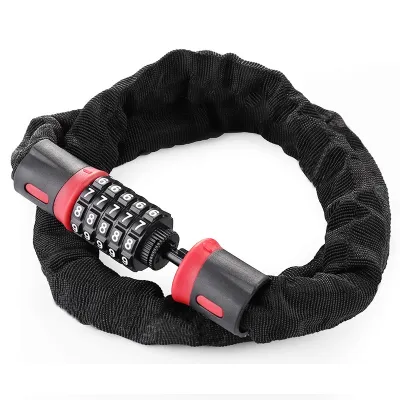
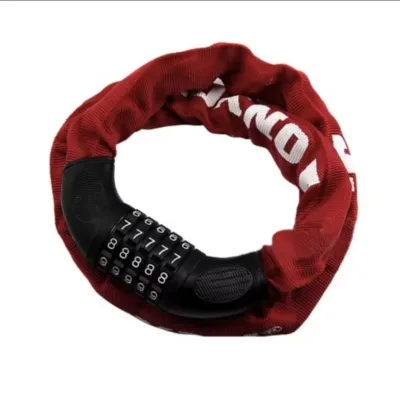
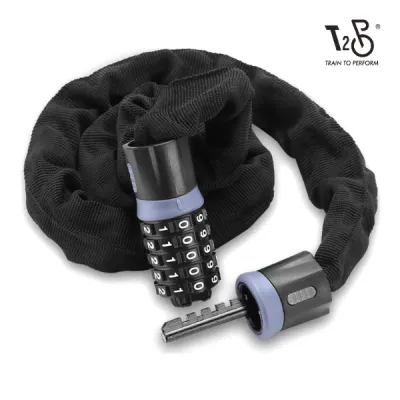
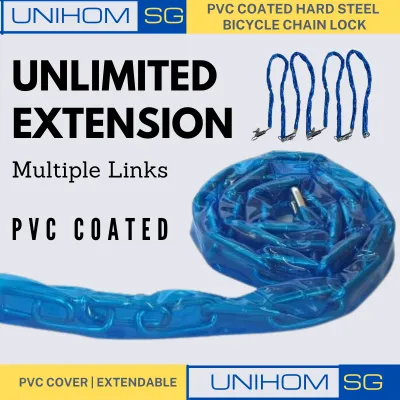
Chain locks consist of a series of hardened metal links wrapped in a durable fabric sleeve to protect your bicycle’s paint. The defining characteristic of a chain lock is its flexibility. Because it is not rigid, you can loop it around odd-shaped anchors, such as wide railings or thick posts. However, this flexibility comes with a weight penalty, as the heavy steel links are distributed across the entire length of the chain.
U-locks, also known as D-locks, feature a rigid steel shackle that locks into a solid crossbar. This design creates a compact, highly secure loop that is difficult to pry open or bend. The rigid structure means that U-locks are generally lighter than chain locks of comparable thickness because they use less material. However, their fixed shape limits what you can lock your bicycle to, requiring relatively thin, standard-sized anchor points.
Products mentioned in this guide
Prices are valid at publication and may change. Please refer to the product page for the latest price.
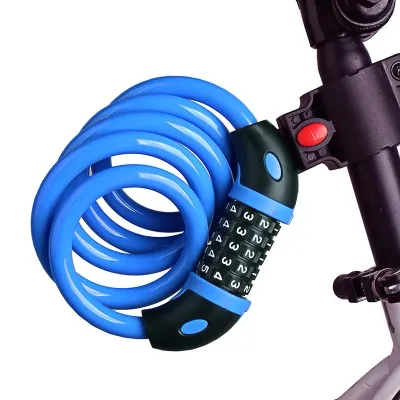
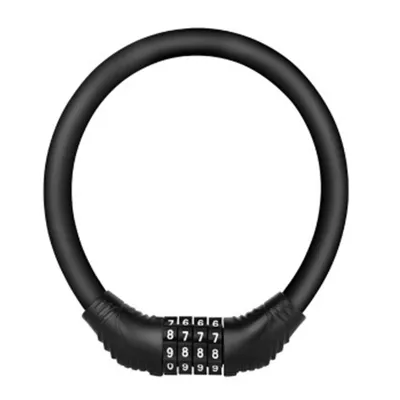
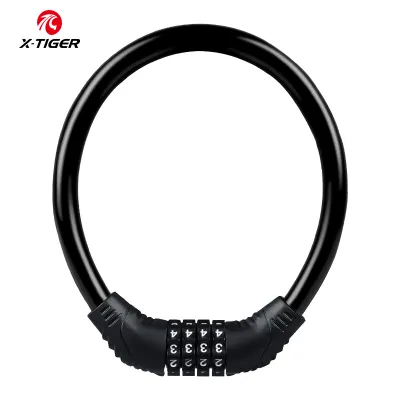
Cable locks utilize braided steel wires encased in a protective plastic sleeve. This construction makes them lightweight, highly flexible, and easy to coil into a compact shape. While they offer maximum convenience and can easily stretch to secure multiple parts of a bicycle, the thin, braided wires do not offer the same physical resistance to cutting tools as solid steel links or shackles.
Evaluating Security and Vulnerability to Theft
When assessing the security of any bicycle lock, you should look beyond marketing claims and check the product labels for independent security ratings. Organizations like Sold Secure test locks against standardized attack methods and categorize them based on their resistance. Additionally, look for locks featuring anti-drill cylinders and disc-detainer key pathways, which offer higher resistance to picking and physical drilling compared to standard pin-tumbler mechanisms.

The physical resistance of a lock depends heavily on its material composition and thickness. Hardened steel alloys are designed to resist manual hand tools. For instance, a high-quality chain lock or U-lock with a shackle thickness of 13mm or more generally requires power tools, such as an angle grinder, or massive industrial bolt cutters to defeat. These tools are loud and highly visible, which acts as a strong deterrent in public spaces.
In contrast, thin cable locks and lightweight, unhardened chains possess inherent structural vulnerabilities. The braided steel wires in a cable lock can be severed quickly and silently using basic hand-held wire cutters. Because of this, relying solely on a cable lock in high-risk areas leaves your bicycle highly vulnerable to opportunistic theft, where a perpetrator can walk away with your bike in a matter of seconds.
Weighing Portability and Daily Convenience
Carrying your lock is a major part of your daily riding experience. Heavy-duty locks can weigh several kilograms, which significantly impacts your riding posture and overall comfort if carried in a backpack. A heavy backpack can cause shoulder strain and increase perspiration, which is a key consideration in Singapore’s warm and humid climate.
The way you transport each lock type varies. Chain locks can be wrapped around your seatpost or frame while riding, though this can sometimes interfere with your pedaling clearance or scratch the frame if the fabric sleeve slips. Alternatively, some riders wear shorter chain locks around their waist. U-locks often come with dedicated frame mounting brackets that bolt onto your bicycle’s tubing, allowing you to click the lock into place. However, these brackets can sometimes rattle on uneven paths or fail to fit compact frame geometries.
Cable locks excel in portability. They can be coiled tightly and tucked into a small saddle bag, wrapped around the handlebars, or even carried in a pocket without affecting your balance. Because of this convenience, many cyclists use cable locks not as their primary defense, but as a secondary securing device to keep quick-release front wheels, saddles, or helmets attached to the main frame while the bike is secured with a stronger lock.
Matching Lock Types to Common Singapore Cycling Scenarios
For recreational riders enjoying the Park Connector Network (PCN), stops are usually brief—perhaps a quick pause at a convenience store or a restroom break. In these highly visible, low-risk scenarios, portability is often prioritized. A lightweight chain lock or a medium-duty lock provides sufficient deterrence for a short duration, allowing you to enjoy your ride without carrying excessive weight.
Commuters who leave their bicycles at MRT stations or shopping mall parking bays face a much higher risk. These areas experience high foot traffic, but they also provide cover for targeted thefts over long periods. For all-day parking, a high-security U-lock or a heavy-duty chain lock is essential. You must secure your bike to a permanently fixed metal anchor, ensuring that the lock cannot be slipped over the top of the post.
HDB void decks and indoor bicycle parking areas present unique challenges. While sheltered from the weather, these spaces can be quiet and poorly lit at night, giving thieves more time to work undisturbed. Furthermore, void deck railings and concrete pillars are often too thick for standard U-locks. In this scenario, a heavy-duty chain lock is highly effective, as its flexibility allows you to loop it around thick structural pillars or wide metal railings, keeping your bicycle secure overnight.
Decision Framework: Which Lock Fits Your Cycling Routine?
To make the right choice, evaluate your typical parking environments and how much weight you are willing to carry. A chain lock is the ideal choice if you frequently park in areas with non-standard, thick anchor points—such as HDB void decks or older public railings—and you do not mind the extra weight in exchange for maximum locking versatility.
A U-lock is the best option if you primarily park at designated bicycle racks (such as those at MRT stations or modern shopping malls) and want the highest level of physical security with the lowest possible weight. It offers a rigid, compact defense that is easy to mount directly to your bicycle frame using a bracket.
A cable lock should only be selected as your primary lock if you park exclusively in low-risk, highly supervised indoor environments, or for very short stops where your bike remains within your line of sight. Otherwise, reserve the cable lock to serve as a supplementary lock to secure your wheels and accessories in tandem with a U-lock or chain lock.
Before making a final purchase, always verify the clearance of your bicycle frame to ensure a U-lock bracket will fit, and measure the thickness of the anchor points you use most frequently to confirm your chosen lock can wrap around them securely.
Maximizing Lock Effectiveness and Security
Even the strongest lock can fail if applied incorrectly. When securing your bicycle, always position the lock so that it captures both the frame and the rear wheel, securing them together to the fixed anchor. The rear wheel is one of the most expensive components of your bicycle, and securing it alongside the frame prevents opportunistic wheel theft.
Keep the locking mechanism and the body of the lock as high off the ground as possible. If a chain lock or U-lock rests on the concrete floor, a thief can use the ground as an anvil, striking the lock with a hammer or using the floor to gain leverage with long-handled bolt cutters. Keeping the lock elevated and tightly fitted around the bike and anchor minimizes these leverage opportunities.
Finally, always verify the structural integrity of the parking anchor itself before walking away. Ensure that the metal railing, post, or rack is securely bolted or cemented into the ground. A high-security lock is useless if a thief can simply unscrew a loose railing or lift the entire bicycle and lock over an unsecured post.
Frequently Asked Questions (FAQ)
Can I use a cable lock as my primary lock in public areas?
Using a cable lock as your primary security measure in public, unsupervised areas is not recommended. Because the braided steel wires inside a cable lock can be severed quickly and quietly with basic hand tools, they do not provide sufficient physical resistance against determined thieves. Cable locks are best utilized as secondary security to protect easily removable components like your front wheel or saddle, or for brief stops where you can maintain visual contact with your bicycle.
How do I maintain a chain lock to prevent rust in a humid climate?
Singapore’s highly humid and rainy tropical climate can accelerate rust and corrosion on metal lock components. To maintain your chain lock, regularly apply a small amount of light lubricant or dedicated lock fluid into the keyway and rotating mechanisms to keep them moving smoothly. Additionally, ensure the protective fabric sleeve is allowed to dry completely if it gets wet during a downpour, as trapped moisture against the metal links can promote surface rust over time.
Are smart locks or GPS trackers a good alternative to physical locks?
Smart locks and GPS trackers are excellent technological supplements, but they cannot replace the physical security of a robust mechanical lock. A GPS tracker can help you locate your bicycle after a theft has occurred, and a smart lock offers keyless convenience, but neither prevents a thief from physically carrying an unlocked or weakly secured bicycle away. For optimal protection, combine electronic tracking devices with a high-quality physical lock like a U-lock or a heavy-duty chain lock.

Community discussion
Share your experience or ask a question. Comments are reviewed before publication.