
Selecting the right 10kg dumbbell for a home gym in Singapore requires balancing your immediate strength goals with the physical realities of local living spaces. In high-density housing like HDB flats or condominiums, factors such as floor protection, noise dampening, and storage efficiency are just as critical as the weight itself. A 10kg dumbbell serves as an excellent intermediate weight, offering enough resistance for compound movements for beginners while remaining highly effective for isolation exercises for advanced lifters. To make the right choice, you must decide between the simplicity of a fixed pair and the versatility of an adjustable system, while selecting materials that can withstand Singapore’s humid climate.
Assess Your Training Needs and Space Constraints
Fixed 10kg dumbbells are ready to use instantly, making them ideal for fast-paced circuit training, supersets, or high-intensity interval training where transition time must be minimized. They have no moving parts, which translates to high durability and zero risk of mechanism failure. However, a fixed pair limits you to a single resistance level. If you plan to progress to heavier lifts or need lighter weights for delicate movements like lateral raises, an adjustable dumbbell set that includes a 10kg setting is highly practical. Adjustable systems consolidate multiple weight increments into a single footprint, though they require a brief pause to change weights and generally have a higher initial cost.
Space is a premium commodity in Singapore apartments. Storing a collection of fixed dumbbells requires either a dedicated multi-tier rack or significant floor space, which can quickly clutter a living room or study. A single pair of fixed 10kg dumbbells can easily slide under a bed or fit into the bottom of a wardrobe, but if you expand your collection, the space demand grows linearly. In contrast, selectorized adjustable dumbbells occupy only the space of their holding trays, making them the most space-efficient solution for comprehensive home strength training.
Products mentioned in this guide
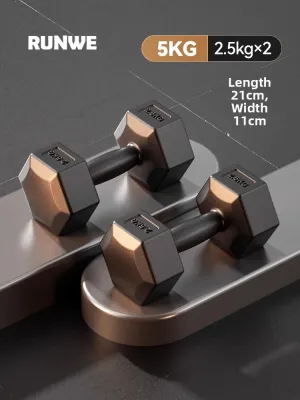
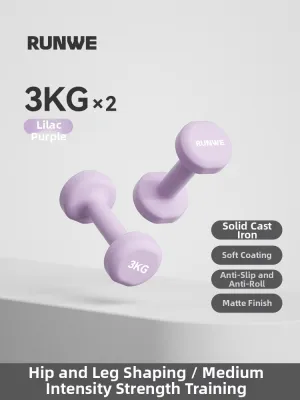
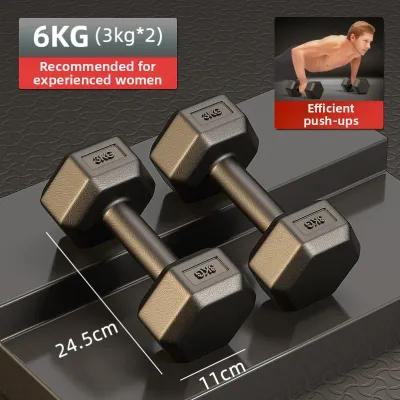
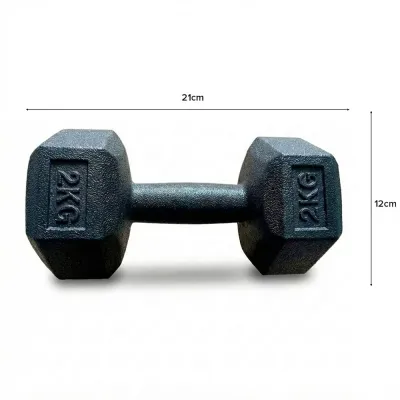
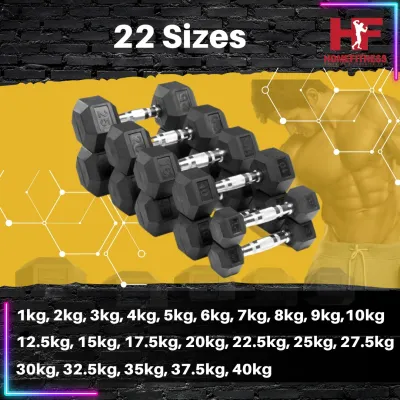
![(FITNET) [Bulky] Black Versatile Dumbbell Set 10kg / 15kg / 20kg / 25kg / 30kg / 40kg - Dumbbells / Weights / Gym / Fitness / Barbells / Strength Training / Body Building / sd](https://img.lazcdn.com/g/p/f9430429fa4b60f6faffce0d434b6a81.jpg_400x400q80.jpg_.webp)
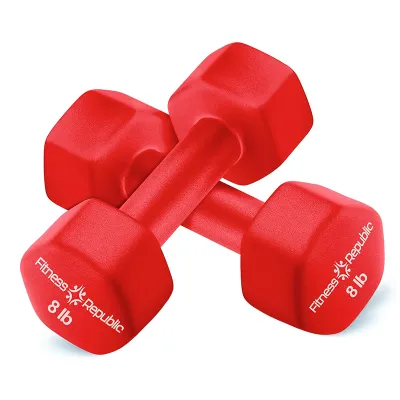
Prices are valid at publication and may change. Please refer to the product page for the latest price.
Your preferred exercise style dictates whether a dedicated 10kg weight is appropriate. For high-intensity interval training and metabolic conditioning, a fixed 10kg dumbbell pair is highly efficient because you can drop and retrieve the weights quickly without worrying about damaging delicate adjustment dials. If your routine focuses on traditional hypertrophy or strength training, you will need a broader range of resistance. In this scenario, a 10kg setting within an adjustable dumbbell allows you to transition smoothly from heavier compound movements like goblet squats to isolation exercises like bicep curls and tricep extensions.
Additionally, consider the fitness levels of other household members who might share the equipment. A fixed 10kg dumbbell might be perfect for your goblet squats but too heavy for a partner’s lateral raises. An adjustable set allows multiple users to customize the resistance to their individual capabilities, making it a more collaborative investment for shared living spaces.
Key Design and Material Features to Evaluate
The shape of the dumbbell head significantly influences both safety and exercise variety. Hexagonal dumbbells feature flat sides that prevent the weights from rolling across the floor when set down. This anti-roll design is particularly valuable in Singapore homes, where slightly uneven tile or vinyl flooring could otherwise cause a round dumbbell to roll away, potentially damaging skirting boards or creating a tripping hazard. Furthermore, hexagonal heads provide a stable base for floor-based exercises like dumbbell push-ups, renegade rows, and planks. Round dumbbells, while classic, are better suited for traditional lifting racks and require careful placement to ensure they remain stationary on flat surfaces.

Dumbbells are manufactured from several materials, each offering distinct advantages for home environments. Bare cast iron is highly durable and compact, but it is susceptible to rust in Singapore’s high humidity if not regularly oiled. It also lacks impact absorption, meaning a hard drop can easily crack ceramic floor tiles. Rubber-coated dumbbells, typically featuring a cast iron core encased in vulcanized rubber, offer excellent floor protection and noise reduction, which is essential for maintaining good relations with downstairs neighbors. However, cheap rubber can emit a strong, persistent chemical odor that is unpleasant in enclosed, air-conditioned rooms.
Neoprene-covered dumbbells provide a softer, textured grip and do not rust, but they are generally limited to lighter weight ranges and can degrade if exposed to direct sunlight or heavy sweat over long periods. For premium setups, polyurethane coatings offer the highest durability, are completely odorless, and do not degrade, though they carry a higher price tag. Polyurethane is also highly resistant to UV light and moisture, making it the most stable option for long-term use in tropical climates.
The handle is your direct connection to the weight, making its design crucial for comfort and safety. Knurling—the cross-hatched pattern cut into metal handles—provides a secure grip even when your hands are sweaty. A medium knurling pattern is ideal for home use, offering sufficient friction without tearing the skin during high-repetition workouts. Grip thickness also varies; standard handles typically range from 28mm to 32mm in diameter. Thicker handles challenge your grip strength more, while contoured handles, which are thicker in the middle, are designed to fit the natural curve of your palm. If you prefer a softer feel, some dumbbells feature textured neoprene or foam-wrapped handles, though these are less common in the 10kg range and tend to wear out faster than solid steel handles.
When evaluating handles, also pay attention to the finish. Chrome-plated handles are common and offer decent rust resistance, but the plating can chip over time if the dumbbells are clanked together. Stainless steel handles provide superior corrosion resistance and a more secure grip texture, though they are typically found on higher-end models. Black oxide finishes offer a raw metal feel but require more frequent maintenance to prevent rust in humid environments.
Budgeting and Purchasing Considerations
When budgeting for dumbbells in Singapore, prices vary widely based on materials, construction quality, and brand reputation. Basic vinyl-coated or concrete-filled plastic dumbbells are the most budget-friendly options, but they are bulky and less durable. Standard rubber hex dumbbells represent a mid-range investment, offering a great balance of durability and floor protection. Premium polyurethane dumbbells and high-end adjustable systems sit at the top of the price spectrum. While the initial cost of a quality adjustable set can seem high, it often proves more economical than purchasing five or six separate pairs of fixed dumbbells as your strength progresses.
Dumbbells are heavy, bulky items, which makes shipping fees a significant factor in the total cost. When ordering online within Singapore, standard delivery fees can escalate quickly due to the weight. It is important to check if retailers offer free delivery thresholds or self-collection options to save on these costs. Additionally, if you live in a walk-up apartment without lift access, many local delivery services charge an extra fee per staircase flight. Always clarify these delivery terms before finalizing your purchase to avoid unexpected surcharges at your doorstep.
You can source 10kg dumbbells from several channels in Singapore. Specialized fitness equipment retailers often provide the best quality assurance, allowing you to test the grip and inspect the build quality in a physical showroom before buying. Brand official stores, whether online or brick-and-mortar, offer reliable warranties and genuine products, which is particularly important for complex adjustable dumbbells. General online marketplaces and ecommerce platforms frequently host third-party sellers offering competitive prices, but you must carefully read customer reviews to verify the accuracy of the weight and the quality of the materials, as cheaper imports may suffer from strong rubber odors or inaccurate weight calibration.
Warranty coverage is another factor that justifies a higher initial spend. Reputable brands often provide warranties covering structural integrity, weld failures, or mechanism defects for adjustable models. Cheaper, unbranded alternatives rarely come with such protections, meaning you bear the full cost of replacement if a weld breaks or a selector dial jams.
Safety Checks and Maintenance for Home Gyms
Before starting any exercise session, perform a quick visual and physical check of your dumbbells. For fixed dumbbells, ensure the heads are securely attached to the handle and show no signs of shifting or rotation. If you are using adjustable dumbbells, verify that the locking mechanisms, pins, or selector dials are fully engaged and locked into place. A loose plate falling during an overhead press can cause serious injury or severe damage to your home’s flooring. Inspect the handles for any sharp metal burrs or excessive wear that could compromise your grip.
Singapore’s tropical climate, characterized by high humidity and warmth, accelerates the oxidation of exposed metal. Sweat contains salt, which further speeds up rust formation. After every workout, wipe down the dumbbell handles and weights with a dry microfiber cloth to remove sweat and moisture. For bare cast iron or steel handles, occasionally applying a thin coat of 3-in-1 oil or silicone spray helps create a protective barrier against moisture. Avoid using harsh chemical cleaners or abrasive pads, which can strip away protective coatings or damage rubber and neoprene surfaces.
Proper storage is essential for maintaining a safe home workout environment. Never leave dumbbells scattered on the floor where they present a tripping hazard, especially in low-light conditions. Store your weights on a dedicated dumbbell rack or on a protective mat in a designated corner of the room. If you store them on shelves or inside cabinets, ensure the furniture is rated to support the concentrated weight. Placing a heavy rubber mat beneath your storage area helps distribute the load and prevents the dumbbells from leaving permanent indentations on vinyl, laminate, or hardwood floors.
Furthermore, establish a clear workout zone free of furniture, pets, and other hazards. When lifting 10kg weights overhead or out to the sides, you need a clear radius of at least two meters to prevent accidental collisions. If you must train on tiled floors, always lay down high-density EVA foam tiles or a thick rubber gym mat to absorb the impact of a dropped weight and prevent costly floor repairs.
Frequently Asked Questions (FAQ)
Is a 10kg dumbbell heavy enough for building muscle?
Yes, a 10kg dumbbell is highly effective for building muscle, provided you apply the principles of progressive overload and train close to muscular failure. Muscle hypertrophy is driven by mechanical tension and metabolic stress, which can be achieved using moderate weights by increasing your repetition ranges, slowing down the tempo of your lifts, or reducing rest periods. While 10kg may quickly become too light for major compound lifts like squats or deadlifts, it remains an excellent challenging weight for upper-body isolation movements, including bicep curls, overhead tricep extensions, lateral raises, and shoulder presses.
Can I use a single 10kg dumbbell for a full-body workout?
You can absolutely perform a comprehensive full-body workout using a single 10kg dumbbell by utilizing unilateral training. Unilateral exercises target one side of the body at a time, which not only builds strength but also improves core stability and corrects muscle imbalances. Effective single-dumbbell movements include goblet squats, single-arm dumbbell rows, unilateral overhead presses, dumbbell lunges, and single-leg Romanian deadlifts. When training unilaterally, always start with your weaker side and match the number of repetitions with your stronger side to ensure balanced muscular development.

Community discussion
Share your experience or ask a question. Comments are reviewed before publication.