
Selecting the right water bottle for your gym sessions in Singapore involves balancing portability, hydration requirements, and temperature control. A compact 310ml water bottle, such as a 310ml Tupperware bottle or a similar small-capacity alternative, offers an incredibly lightweight and pocket-friendly solution for quick workouts. However, choosing between a standard single-wall plastic bottle and a double-wall vacuum-insulated stainless steel model requires evaluating your specific exercise environment, how often you are willing to refill your bottle at the gym’s water cooler, and how well the material handles Singapore’s humid climate. By understanding the structural differences and verifying key product specifications, you can find a bottle that fits seamlessly into your fitness routine.
Is 310ml the Right Capacity for Your Gym Routine?
To determine if a 310ml capacity is sufficient for your workouts, start by assessing your personal hydration needs during exercise. The amount of water you require depends heavily on the intensity and duration of your training sessions. For short, high-intensity interval training (HIIT) classes or quick 30-minute strength routines in an air-conditioned indoor gym, a 310ml bottle often provides just enough water to keep your throat moist without adding unnecessary bulk to your gear. If your workouts regularly exceed 45 minutes or take place in non-air-conditioned spaces, you will likely need to refill a bottle of this size at least once or twice during your session.
Portability is one of the primary advantages of a 310ml bottle. Its compact dimensions make it exceptionally easy to carry, fitting comfortably into small gym bags, tote bags, or even large pockets. This small footprint is particularly convenient if you prefer to travel light to the gym or if you commute via public transport during peak hours. Furthermore, a bottle of this size easily fits into the standard cup holders found on treadmills, stationary bicycles, and elliptical machines, ensuring your water is always within arm’s reach while you exercise.
Products mentioned in this guide
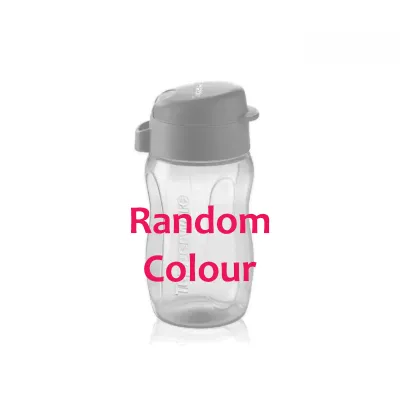
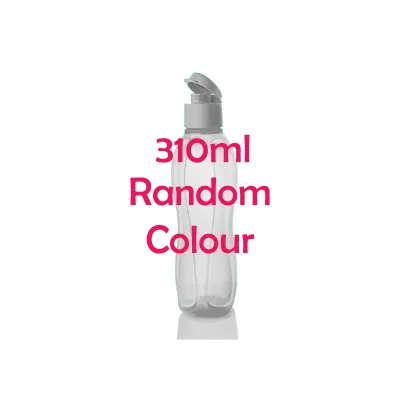
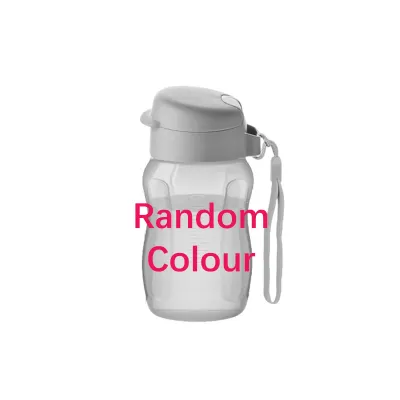
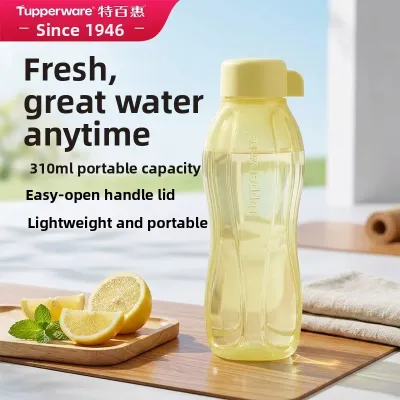
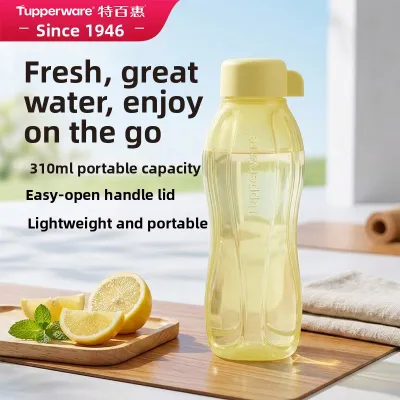
Prices are valid at publication and may change. Please refer to the product page for the latest price.
However, the trade-off for this high level of portability is the necessity for frequent refills. If your gym has easily accessible water dispensers, pausing for a quick refill during your rest periods is a minor inconvenience. On the other hand, if you train at a crowded facility where water coolers often have long queues, or if you prefer uninterrupted training sessions, a larger capacity might be more practical. Weighing the convenience of a lightweight, pocket-sized bottle against the frequency of trips to the water dispenser is the first step in deciding if a 310ml bottle is the right fit for your routine.
Comparing Insulation: Tupperware vs. Vacuum-Insulated Brands
When comparing a standard 310ml Tupperware bottle to vacuum-insulated alternatives, the primary distinction lies in material composition and temperature retention. Standard plastic bottles, such as those made by Tupperware, are typically constructed from high-quality, BPA-free plastics like polypropylene. These bottles are valued for their extreme durability, impact resistance, and lightweight design. However, because they lack insulation, they cannot prevent heat transfer. If you fill a plastic bottle with cold water, it will gradually warm up to room temperature, and the humid Singapore air will cause condensation to form on the exterior, potentially wetting the inside of your gym bag.

In contrast, vacuum-insulated bottles are usually made from food-grade stainless steel and feature a double-wall construction. The space between the inner and outer walls is evacuated of air, creating a vacuum that drastically minimizes heat transfer by conduction or convection. This structure allows the bottle to keep liquids cold for extended periods, even when exposed to warm outdoor temperatures. If you highly value ice-cold water during a grueling workout, verifying the presence of double-wall vacuum insulation on the product label is essential.
To evaluate temperature retention claims accurately, always check the manufacturer’s official specifications rather than relying on general assumptions. Insulated bottle manufacturers typically specify the exact number of hours their products can maintain cold temperatures under standard conditions. Keep in mind that these ratings can vary based on whether you add ice and how often you open the lid. For plastic bottles, manufacturers rarely make temperature retention claims, as their primary focus is on lightweight portability and leak-proof storage.
The structural differences also directly impact the weight of your gym bag. A standard 310ml plastic bottle is incredibly light when empty, making it an excellent choice for those who prioritize minimizing their carrying weight. A double-wall stainless steel bottle of the same capacity is noticeably heavier due to the dual layers of metal. When deciding between these options, consider whether the comfort of carrying a lighter bag outweighs the benefit of having cold water throughout your workout.
Essential Features to Verify on the Product Label
Before purchasing any gym water bottle, it is crucial to inspect the physical features and safety certifications detailed on the product packaging or label. First, examine the lid mechanism carefully. Gym environments require a lid that is both highly leak-resistant and easy to operate with one hand. Common designs include flip-tops, screw-caps, and straw lids. Flip-top lids offer quick access during fast-paced workouts, but you must verify that the locking mechanism is secure enough to prevent accidental opening inside your bag. Screw-caps provide a highly secure seal but require two hands to open, which can interrupt your exercise flow.
Material safety is another critical factor to verify on the label. Look for explicit certifications indicating that the bottle is BPA-free and made from food-grade materials. If you prefer the convenience of machine washing, check the base of the bottle or the packaging for a dishwasher-safe symbol. Some insulated stainless steel bottles are hand-wash only because the high heat of a dishwasher can damage the exterior powder coating or compromise the vacuum seal. Ensuring the bottle matches your preferred cleaning method will prevent accidental damage.
Next, check the physical dimensions of the bottle, particularly the base diameter. Standard gym equipment cup holders and locker shelves are designed to accommodate typical bottle sizes, but exceptionally wide or unusually shaped bottles may not fit securely. A standard 310ml bottle typically has a narrow base that fits easily into almost any holder, but verifying the exact measurements on the product label ensures you will not face compatibility issues on the gym floor.
Finally, evaluate how easily the bottle can be disassembled for thorough cleaning. Look for models with removable silicone gaskets and seals. Over time, moisture can trap behind these seals, leading to mold and bacterial growth if they are not cleaned regularly. A bottle with a simple design and easily removable parts will save you time and ensure your drinking water remains clean and safe.
Building Your Gym Bottle Shortlist
Creating a shortlist of potential 310ml water bottles requires aligning your selection with your specific training environment and personal preferences. Start by defining where you do most of your training. If you primarily exercise in fully air-conditioned indoor commercial gyms, temperature retention may be less of a priority, making a lightweight plastic 310ml Tupperware bottle an excellent, cost-effective choice. However, if you train in outdoor fitness corners, ActiveSG stadiums, or non-air-conditioned crossfit boxes, an insulated stainless steel bottle is highly beneficial for keeping your water cool in the tropical heat.
Next, filter your candidates by must-have features based on your gym habits. If you frequently toss your bottle into a crowded gym bag alongside electronics or clean clothes, a robust leak-proof guarantee is non-negotiable. If you tend to drop your gear on hard gym floors, prioritize material durability; high-impact plastics or powder-coated stainless steel are less likely to crack or dent upon impact.
Consider the total cost of ownership in S$ when making your decision. While the initial purchase price of a bottle is important, you should also look into the availability and cost of replacement parts. Lids, straws, and silicone gaskets are prone to wear and tear or accidental loss. Brands that offer individual replacement parts online or in local retail stores in Singapore provide better long-term value, as you will not need to buy an entirely new bottle if a single component fails.
Lastly, finalize your choice by matching the bottle’s physical dimensions to your specific gym bag compartments. Many modern gym bags feature dedicated side pockets or internal sleeves designed for water bottles. Measuring these compartments and comparing them to the bottle’s specifications will ensure a snug, secure fit, preventing the bottle from slipping out while you are on the move.
Cleaning and Maintenance for Long-Term Use
Proper maintenance is essential to prevent odor and bacterial buildup in your gym water bottle, ensuring it remains hygienic for daily use. Always follow the manufacturer’s specific instructions for daily washing and deep cleaning. As a general rule, you should wash your bottle after every gym session to remove sweat, saliva, and any sports drink residue. Leaving a damp bottle sealed in a dark gym bag overnight creates an ideal environment for bacteria to multiply.
When cleaning, use safe cleaning agents and tools that will not damage the bottle’s materials. For plastic bottles, avoid abrasive scrubbing pads or harsh chemical cleaners that can scratch the interior surface, as these scratches can harbor bacteria. Instead, use a soft bottle brush and mild dish soap. For stainless steel bottles, a mixture of warm water and baking soda is highly effective for removing stubborn stains and neutralizing odors without damaging the interior lining. Avoid using bleach or chlorine-based cleaners on stainless steel, as they can corrode the metal.
Regularly inspect your bottle for signs of material degradation. For plastic bottles, look out for persistent odors that do not disappear after washing, visible cloudiness, or deep scratches. For insulated bottles, check if the exterior starts to feel warm when filled with cold water, which indicates that the vacuum seal has been compromised. Additionally, inspect the silicone gaskets for cracks, mold spots, or loss of elasticity. If you notice any of these signs, it is time to replace the affected parts or the bottle itself.
After washing, ensure all components are completely dry before reassembling and storing the bottle. In Singapore’s highly humid climate, air-drying can take longer, so place the disassembled parts in a well-ventilated area, preferably on a drying rack. Storing a bottle with the lid tightly closed while there is still moisture inside is a common cause of mold growth. Keeping the lid off during storage will keep your bottle fresh and ready for your next workout.
Frequently Asked Questions (FAQ)
Can I put hot liquids in a standard 310ml plastic sports bottle?
You should generally avoid putting hot liquids into a standard, non-insulated plastic sports water bottle unless the manufacturer explicitly states it is safe to do so. High temperatures can cause standard plastics to warp, degrade, or compromise their structural integrity, which can lead to leaks or spills. Always check the product label or the manufacturer’s website for the maximum temperature threshold of the specific plastic material used. If you require a bottle for hot beverages, look for options specifically certified for high-temperature use or opt for a double-wall insulated stainless steel bottle designed to handle both hot and cold liquids safely.
How do I remove stubborn odors from an insulated gym bottle?
To remove stubborn odors from an insulated stainless steel gym bottle, start by checking the user manual for approved cleaning methods. A highly effective and safe home remedy is to fill the bottle with warm water and add one to two tablespoons of baking soda. Let the mixture sit for a few hours or overnight before rinsing it thoroughly. Pay close attention to the removable silicone gaskets in the lid, as these seals are highly porous and frequently trap odor-causing bacteria. Remove the gaskets carefully, wash them separately with mild soap, and ensure they are completely dry before reinserting them to keep your bottle smelling fresh.

Community discussion
Share your experience or ask a question. Comments are reviewed before publication.