
A 6kg kettlebell is a highly specific tool in strength training, typically serving as an entry point for beginners learning foundational movements, a rehabilitation aid, or a specialized weight for high-repetition endurance and technical drills like the Turkish get-up. Selecting the right one goes beyond just the weight on the label; handle diameter, surface coating, and base stability directly impact your grip security and training safety. This guide breaks down how to evaluate these features and match them to your current fitness level and long-term goals before making a purchase.
In Singapore’s unique training environments—ranging from compact high-rise apartments to humid outdoor fitness corners—your choice of equipment must also account for space constraints and moisture resistance. A poorly selected kettlebell can lead to premature rust, compromised grip, or even floor damage. By understanding the physical characteristics of different kettlebell styles, you can make an informed decision that supports your physical progression safely.
Is a 6kg Kettlebell Right for Your Current Fitness Level?
To determine if a 6kg kettlebell aligns with your current physical capabilities, you must first define your primary training objective. For absolute beginners to resistance training, particularly those focusing on learning complex ballistic movements like the kettlebell swing, clean, or snatch, 6kg provides a manageable load. This weight allows you to focus entirely on hip hinge mechanics and shoulder packing without overloading your joints or compromising your spinal alignment. It is also an ideal weight for individuals transitioning back into exercise after shoulder or lower back rehabilitation, where maintaining strict form is paramount.
Products mentioned in this guide
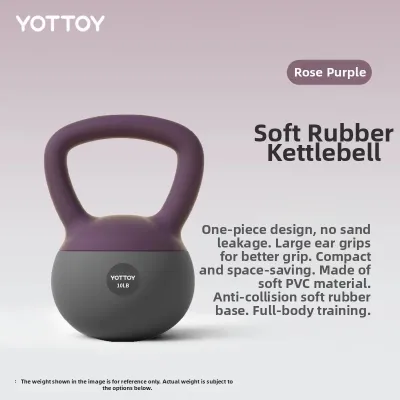
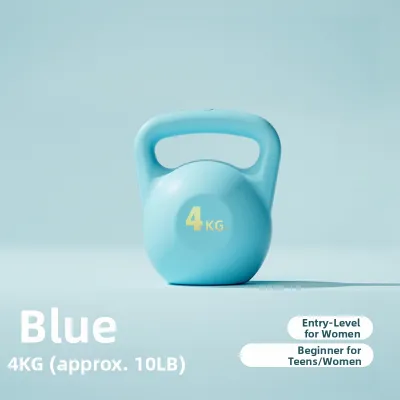
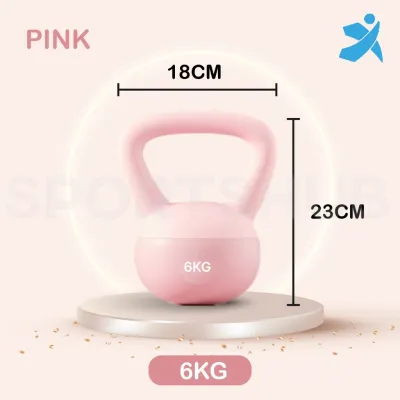
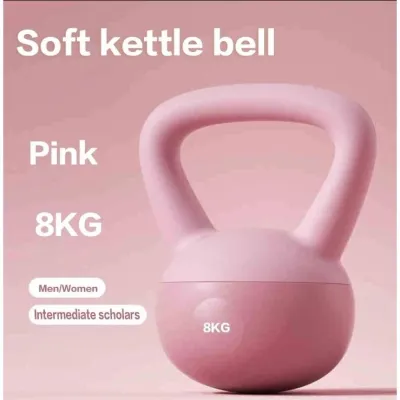
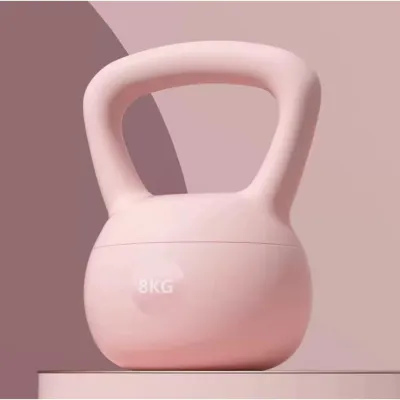
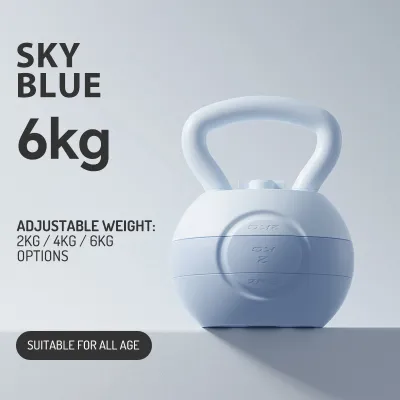
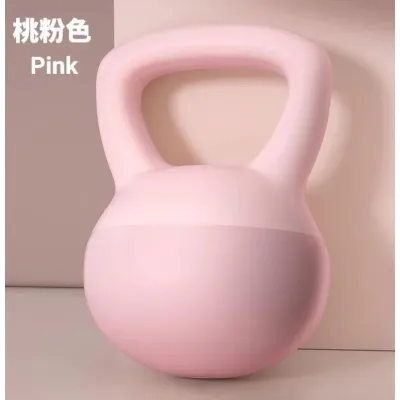
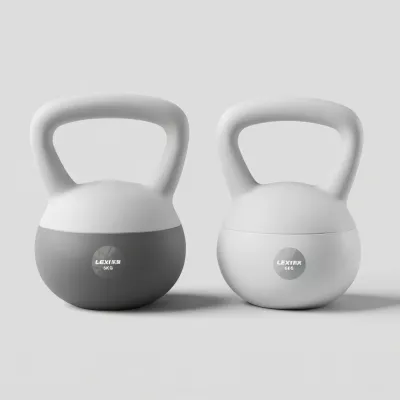
Prices are valid at publication and may change. Please refer to the product page for the latest price.
Conversely, there are clear indicators that a 6kg kettlebell may not be the right starting point for your goals. If you can already perform standard bodyweight squats and push-ups with ease, or if you can complete a two-handed kettlebell swing with a 6kg weight for dozens of repetitions without experiencing any muscular engagement or cardiovascular challenge, the weight is likely too light to stimulate strength adaptation. In such cases, starting with a heavier option, such as an 8kg or 12kg bell, may be more appropriate for lower-body dominant movements. However, for upper-body isolation exercises like halos, single-arm overhead presses, or the complex phases of a Turkish get-up, 6kg remains a highly useful training tool even for intermediate lifters.
Before purchasing, you can perform a simple, equipment-free assessment at home to evaluate your baseline grip and shoulder stability. Stand with your back flat against a wall, raise your arms overhead, and attempt to touch the wall with the backs of your hands without arching your lower back. If you experience tightness or cannot complete this movement, your shoulder mobility may be limited, making overhead work with any weight a potential strain. Additionally, you can gauge your grip readiness by holding a standard five-litre water bottle by its handle; if holding this weight for thirty seconds causes immediate wrist fatigue or instability, starting with a lighter weight or focusing on bodyweight mobility drills first is highly recommended.
Matching Kettlebell Features to Your Training Goals
The physical dimensions of a kettlebell handle significantly influence how the weight behaves during dynamic movements. When evaluating a 6kg kettlebell, pay close attention to the handle diameter and the clearance space inside the horns. A handle that is too thick can prematurely fatigue your grip, especially during high-repetition sets, while a handle that is too thin may dig uncomfortably into your palms. For two-handed exercises like the basic swing, the horn clearance must be wide enough to accommodate both hands comfortably side-by-side without pinching your fingers. If you plan to focus primarily on single-arm movements like snatches, cleans, or overhead presses, a narrower horn clearance is often preferred as it keeps the weight centered and prevents the bell from flopping excessively against your forearm.

Surface finishes play a critical role in grip security and maintenance, particularly in Singapore’s warm and humid climate. Bare cast iron handles offer a highly textured, natural grip that holds gym chalk exceptionally well, but they are highly susceptible to rust if exposed to sweat and ambient moisture. Powder-coated finishes provide a balance of durability and texture, offering a slightly textured surface that resists chipping and rust while maintaining a reliable grip. Enamel or painted finishes are smooth and highly resistant to corrosion, but they can become slippery when wet with sweat, requiring frequent wiping or the use of chalk. Neoprene or vinyl-coated bells feature a protective sleeve around the ball of the kettlebell to protect floors, but the handles are often left exposed or finished with a slick chrome plating that can compromise grip stability during dynamic movements.
The design of the kettlebell’s base is another crucial factor, especially if your training routine includes floor-based exercises. If you intend to perform movements like renegade rows, push-ups on the kettlebell handles, or bear crawls with hand placement on the bells, you must verify that the base is machined flat. Molded plastic or poorly cast iron bells often have rounded, uneven bottoms or protruding seams that can cause the kettlebell to tip over unexpectedly under your body weight. For safety, inspect the bottom of the bell to ensure it has a wide, stable, and flat surface area that rests securely on the floor without wobbling.
Comparing Kettlebell Styles for Different Users
Standard cast iron kettlebells are the most common style found in home gyms and are highly suitable for general fitness training. These bells are cast from a single piece of metal, resulting in a compact footprint where the physical size of the bell scales proportionally with its weight. A 6kg cast iron kettlebell is relatively small, making it easy to store in tight apartment spaces and convenient to transport. The handle thickness on these models is typically scaled down for lighter weights, which is highly beneficial for users with smaller hands who may struggle to wrap their fingers securely around thicker handles.
Competition-style kettlebells, by contrast, maintain uniform dimensions regardless of their weight. A 6kg competition kettlebell will have the exact same outer dimensions, handle diameter, and horn shape as a 32kg competition kettlebell, with the internal core hollowed out to achieve the lighter weight. This standardization is highly advantageous for competitive lifters or those focused on mastering advanced Olympic-style lifting techniques, as the contact point on the forearm remains identical as you progress to heavier weights. However, for a light 6kg load, a competition bell can feel unnecessarily bulky and take up significantly more storage space in a home environment. Additionally, the standardized handle diameter of 33mm to 35mm may feel excessively thick and fatiguing for beginners or those with smaller hands.
Adjustable or modular kettlebells offer a versatile alternative for users who want to progress their strength without purchasing multiple individual weights. These systems typically feature a central handle and core shell that can be loaded with internal plates or adjusted via a dial mechanism to vary the weight, often starting around 4kg or 6kg and scaling up to 18kg or more. While highly space-efficient, you must carefully inspect the build quality and safety locking mechanisms of adjustable models. Any loose internal plates can shift during dynamic ballistic movements, altering the center of gravity and potentially straining your wrists or shoulders. Furthermore, the physical shell of an adjustable kettlebell is often sized to accommodate its maximum weight capacity, meaning a 6kg setting will have the bulk and footprint of a much heavier bell, which can hinder movement mechanics for beginners.
What to Check Before Buying Fitness Equipment in Singapore
When purchasing a kettlebell in Singapore, especially through online marketplaces or e-commerce platforms, verifying the seller’s credentials is essential to ensure you receive a safe, high-quality product. Poorly manufactured kettlebells often suffer from casting defects, such as sharp seams along the underside of the handle or rough patches on the surface coating. These imperfections can easily blister or tear your skin during dynamic movements. Before finalizing an online purchase, read customer reviews specifically looking for mentions of handle smoothness, coating durability, and overall balance. Avoid listings that lack detailed physical specifications or those from unverified sellers offering unusually low prices, as these may indicate low-grade iron or poor quality control.
Shipping logistics and return policies are also critical considerations when buying heavy fitness equipment. Because kettlebells are dense and heavy, shipping fees can add a significant premium to the total cost, particularly for international deliveries. Look for local Singapore-based distributors or sellers that offer reasonable local delivery rates or free shipping thresholds. Additionally, ensure the seller has a clear return policy that covers manufacturing defects. If your kettlebell arrives with a cracked base, an uneven bottom that wobbles, or a severely chipped finish, you should be able to exchange it without incurring additional return shipping fees.
Whenever possible, visiting a physical sports retail store in Singapore is the most reliable way to choose the right kettlebell. Physically holding the bell allows you to test the handle diameter against your hand size, assess the texture of the coating, and check the balance of the weight. You can also verify the flatness of the base by placing it on the store floor and checking for any wobble. Testing the equipment in person eliminates the guesswork of online shopping and ensures that the kettlebell you bring home is comfortable, safe, and ideally suited to your physical baseline.
Frequently Asked Questions (FAQ)
Can I use a 6kg kettlebell for muscle building?
A 6kg kettlebell can contribute to muscle building, but its effectiveness depends heavily on your current fitness level and how you structure your workouts. For beginners or those recovering from injury, 6kg provides sufficient resistance to stimulate muscle activation and hypertrophy in smaller muscle groups, such as the shoulders, biceps, and triceps. However, for larger muscle groups like the glutes, hamstrings, and back, 6kg is generally too light to trigger significant muscle growth. To build muscle with a lighter weight, focus on increasing your training volume, slowing down the eccentric phase of your movements, or performing unilateral exercises that place the entire load on one side of your body.
How do I clean and maintain a cast iron kettlebell in a humid climate?
Singapore’s high humidity can quickly cause rust to form on cast iron kettlebells, especially on areas where the protective coating has worn away. To maintain your equipment, wipe down the handle and bell with a dry microfiber cloth immediately after every workout to remove sweat and moisture. For deeper cleaning, use a damp cloth with a mild soap solution, then dry the kettlebell completely with a clean towel. Avoid using harsh chemical cleaners or abrasive scrubbing pads, as these can strip away the protective powder coat or paint. If minor rust spots do appear, gently rub them with fine-grit sandpaper and apply a very thin layer of mineral oil to seal the metal against moisture.
Should I buy one 6kg kettlebell or a pair?
For most beginners and general fitness enthusiasts, starting with a single 6kg kettlebell is highly recommended. A single bell is ideal for mastering foundational unilateral movements, such as single-arm swings, presses, rows, and Turkish get-ups, which help identify and correct strength imbalances between your left and right sides. Purchasing a pair is only necessary if you plan to perform advanced double-kettlebell exercises, such as double cleans, double presses, or front squats. Since most users will quickly outgrow a 6kg weight for lower-body movements, investing in a single 6kg bell and later purchasing a heavier single bell is generally a more cost-effective and progressive training strategy.

Community discussion
Share your experience or ask a question. Comments are reviewed before publication.