
For a daily commute along Singapore’s Park Connector Network (PCN), finding the right bicycle chain lock requires balancing physical security with practical portability. A chain length of 75 cm to 110 cm paired with a weight of 1.5 kg to 2.5 kg generally offers the ideal sweet spot for daily riders. This configuration provides enough reach to secure your frame and front wheel to standard PCN railings or destination racks without adding excessive physical strain to your daily ride.
Selecting the wrong lock can turn a pleasant commute into a frustrating chore. A lock that is too heavy will drain your energy during long stretches of the PCN, while a lock that is too short will limit your parking options at busy transit hubs or park rest stops. By evaluating your specific route, parking habits, and carrying preferences, you can choose a lock that keeps your bicycle secure without compromising your riding experience.
Assessing Your Locking Points on the PCN and at Destinations
Before choosing a lock, observe the physical infrastructure along your daily route and at your final destination. Park Connector Network rest stops, MRT stations, and commercial buildings feature vastly different locking anchors. Understanding these structures helps you determine the minimum chain length and flexibility you need to secure your bicycle safely.
Products mentioned in this guide
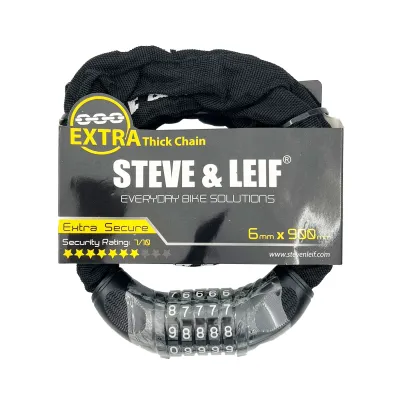
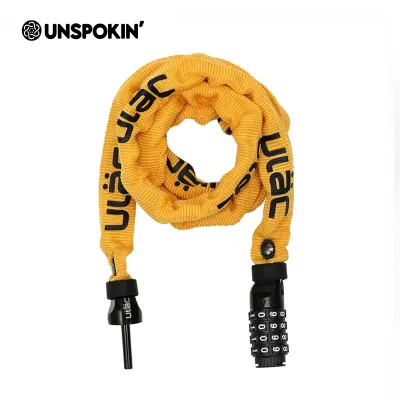
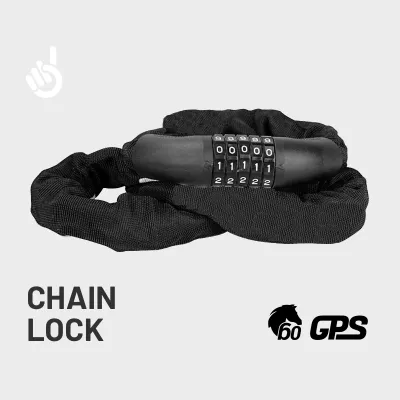
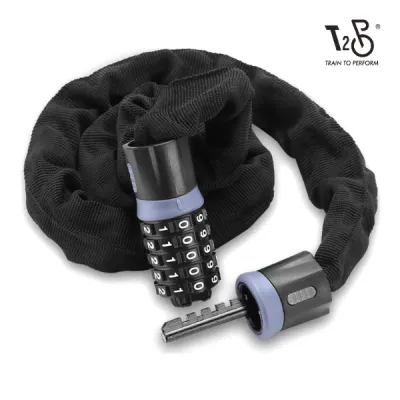
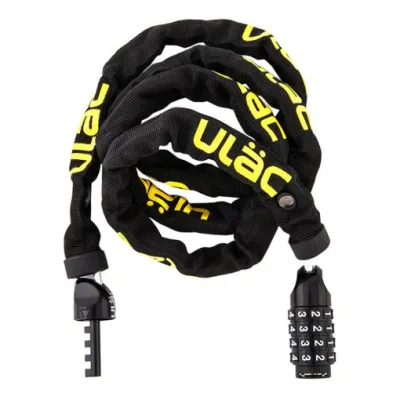
![[READY STOCK] Steve & Leif Galaxy Combination Bike Lock (6mm x 1200mm)](https://img.lazcdn.com/g/p/870ab1e2d583bf14a29296a36b42d8aa.jpg_400x400q80.jpg_.webp)
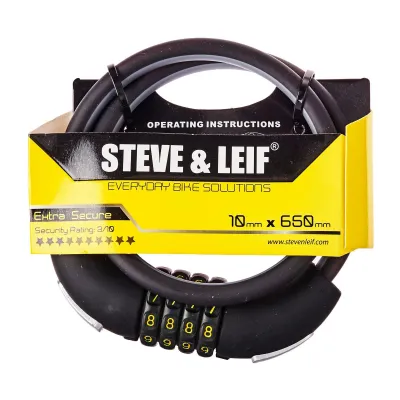
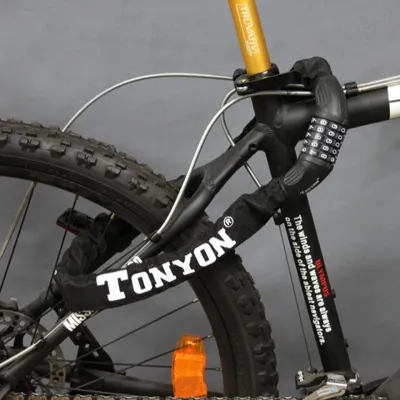
Prices are valid at publication and may change. Please refer to the product page for the latest price.
Standard metal railings found along the PCN and at public parks typically have a diameter of 5 cm to 8 cm. Dedicated bicycle racks at transit hubs or office basements are often thinner, allowing for a tighter fit. However, if you need to lock your bike to wider structural posts, concrete bollards, or non-standard street furniture, you will require a chain with a more generous loop capacity.
You must also calculate the physical distance between your bicycle frame and the intended anchor point. When parking in crowded areas, you may not always be able to position your bicycle flush against the rack. A longer chain provides the necessary slack to bridge the gap between your frame and the anchor, even when other bicycles block close access.
Finally, decide whether your daily routine requires securing both the frame and a wheel simultaneously. The front wheel is highly vulnerable to quick-theft methods if left unsecured. To lock both the frame and the front wheel to a fixed object, your chain must be long enough to thread through the wheel spokes, wrap around the frame’s down tube, and encircle the locking anchor.
Choosing the Right Chain Lock Length
Matching your chain length to your specific locking scenarios ensures you have adequate reach without carrying unnecessary metal. Chain locks are generally categorized into short, medium, and long options, each serving different commuting needs.

Short chains, typically measuring between 50 cm and 70 cm, are highly portable and lightweight. These are best suited for dedicated, well-spaced bicycle racks where you can park your frame directly adjacent to the anchor point. While easy to pack into a small bag, their limited reach makes it difficult to secure both the frame and a wheel, and they rarely fit around thicker PCN railings or public posts.
Medium chains, ranging from 80 cm to 110 cm, represent the most versatile choice for the average PCN commuter. This length allows you to easily loop the chain through your frame, front wheel, and a standard metal railing or moderate-sized pole. It provides the flexibility needed to handle unpredictable parking situations at various park hubs and transit stations without adding excessive bulk to your gear.
Long chains, measuring 120 cm or more, are designed for specialized scenarios, such as securing multiple bicycles together or wrapping around thick concrete pillars. While highly versatile in terms of reach, these chains carry a significant weight penalty. Carrying a long, heavy chain daily can make your commute physically demanding and is generally unnecessary for standard solo commutes.
Managing Weight and Portability for Daily Commutes
The primary trade-off in bicycle security is between chain link thickness and overall carrying weight. Thicker links offer greater resistance to cutting tools but add substantial weight to your daily load. Finding a manageable balance is key to maintaining a comfortable commute.
For daily PCN commuting, chain links with a thickness of 6 mm to 8 mm offer a practical compromise. They provide sufficient deterrent against common hand tools while keeping the total lock weight under 2.5 kg. Upgrading to heavy-duty 10 mm or 12 mm links increases the lock’s weight significantly, often exceeding 3.5 kg, which can noticeably affect your bicycle’s handling and increase rider fatigue.
How you carry the lock also plays a major role in your daily comfort. Carrying a heavy chain in a backpack can cause discomfort and lead to excessive sweating in Singapore’s hot and humid climate. Utilizing panniers, a frame bag, or a dedicated rack trunk transfers the weight directly to the bicycle frame, keeping your center of gravity low and your back cool during the ride.
Before purchasing a lock, it is highly beneficial to set a personal weight limit. You can simulate the weight of a prospective lock by placing equivalent household items in your preferred commuter bag or pannier. Ride a typical commute distance with this simulated load to assess how the weight affects your physical comfort, acceleration, and overall riding dynamics.
Evaluating Security Features and Material Specs
To ensure your lock provides genuine protection, look past marketing buzzwords and evaluate the actual material specifications and independent certifications. High-quality construction is essential for resisting opportunistic theft in public spaces.
Always verify that the chain links are made of hardened steel alloys. Standard, non-hardened steel can be cut quickly with basic, low-cost hand tools. Additionally, ensure the chain is enclosed in a durable, weather-resistant fabric sleeve. This sleeve serves a dual purpose: it protects the metal links from environmental moisture and prevents the heavy chain from scratching or chipping your bicycle frame’s paint during transit and locking.
The lock cylinder is another critical security component. Disc detainer cylinders are highly recommended for commuter locks, as they offer excellent resistance to picking and drilling attacks compared to standard pin tumbler designs. Check the manufacturer’s technical specifications to confirm the cylinder type and ensure it features a built-in dust cover to keep out road grime.
Rather than relying on a brand’s internal security scale, look for independent security rating labels on the packaging. Certifications from established organizations such as Sold Secure (Bronze, Silver, or Gold) or ART provide an objective, standardized assessment of the lock’s resistance to physical attacks. Choosing a lock with a verified independent rating ensures it has met rigorous testing standards.
Daily Usage and Maintenance Best Practices
Adopting correct locking techniques and regular maintenance habits will maximize your bicycle’s security and prolong the lifespan of your lock, especially in a challenging tropical environment.
When locking your bicycle, always keep the chain elevated off the ground. A chain resting directly on the pavement is highly vulnerable to leverage attacks, where a thief can rest one handle of a heavy bolt cutter on the ground to apply maximum cutting force. Keeping the lock high also prevents dirt, mud, and pooling rainwater from entering the locking mechanism.
Singapore’s high humidity and frequent rain showers can quickly lead to rust and corrosion if your gear is neglected. Regularly inspect the protective fabric sleeve for tears or wear that can trap moisture against the steel links. If your lock is exposed to a sudden downpour during your commute, make sure to dry the chain and lock body thoroughly before storing them in a closed bag or compartment.
Periodically lubricate the lock cylinder to ensure smooth operation and prevent the internal components from seizing. Use a dedicated lock lubricant or a light, non-greasy spray as specified in the manufacturer’s instructions. Avoid using heavy oils or general-purpose lubricants that attract dust and grit, as these can accumulate inside the keyway and cause the locking mechanism to jam over time.
Frequently Asked Questions (FAQ)
Can I use a cable lock instead of a chain lock for PCN commutes?
Cable locks are exceptionally lightweight, flexible, and easy to carry, making them a popular choice for casual rides. However, they offer very low physical security, as most steel cables can be severed in seconds using basic, easily concealed wire cutters. For daily commutes where your bicycle is left unattended for hours at transit hubs or office racks, a chain lock is highly recommended because its hardened steel links provide significantly greater resistance to cutting tools.
How do I carry a heavy chain lock without a backpack or panniers?
If you prefer to ride without carrying a bag, you can use a dedicated frame-mounted bracket designed specifically for your lock model to secure it within your bike’s main triangle. Alternatively, you can wrap the chain tightly around your seat post or top tube, provided the protective fabric sleeve is clean and intact to prevent frame scratches. Another highly practical option is a wearable chain lock designed to be worn securely around your hips like a belt, which distributes the weight comfortably across your body without restricting your pedaling motion.

Community discussion
Share your experience or ask a question. Comments are reviewed before publication.