
Running in Singapore presents a unique physiological challenge. With relative humidity levels frequently soaring above 80 percent, the body’s primary cooling mechanism—sweat evaporation—is severely compromised. Choosing a running belt that manages moisture and heat retention is critical to preventing chafing, skin irritation, and thermal discomfort during your runs along the East Coast Park or through MacRitchie Reservoir. While many brands claim to offer superior ventilation, the actual breathability of a running belt depends on its physical construction, material composition, and surface area coverage.
The Wrels running belt and various alternative designs, such as tubular spandex belts and minimalist strap-and-buckle systems, offer distinct approaches to managing heat and sweat. Rather than relying on universal performance claims, runners must evaluate how these different structural designs interact with their personal sweat rates, carrying needs, and running distances. By understanding the physical mechanics of fabric ventilation and moisture transport, you can select a belt that keeps your essentials secure without turning into a heavy, sweat-soaked sponge.
Key Criteria for Breathability in Humid Conditions
To understand how a running belt performs in tropical climates, one must first examine the physics of moisture management. In high-humidity environments, sweat cannot evaporate efficiently if it is trapped behind dense, non-porous materials. Therefore, the primary criterion for a breathable running belt is its material composition. Technical synthetic fabrics, such as polyester and nylon blends, are engineered to pull moisture away from the skin toward the outer surface of the fabric where it can evaporate. However, the weave of these fabrics is just as important as the fibers themselves. Open-weave mesh panels allow direct airflow to reach the skin, facilitating convective cooling that solid spandex or neoprene fabrics cannot match.
Products mentioned in this guide
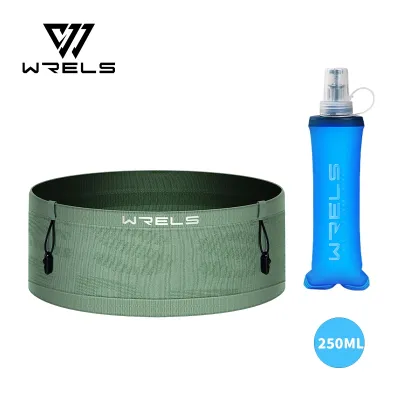
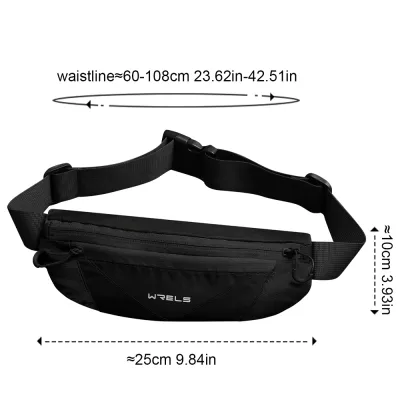
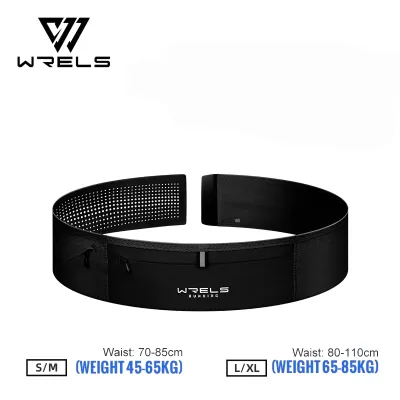
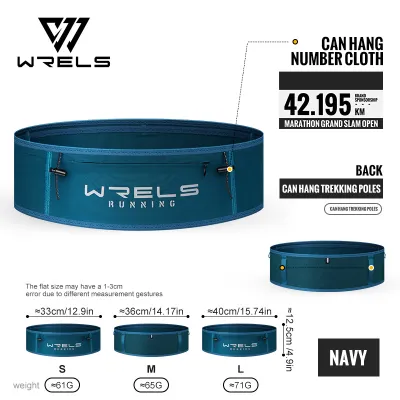
Prices are valid at publication and may change. Please refer to the product page for the latest price.
Structural ventilation features play a secondary but vital role in heat dissipation. Some modern running belts incorporate laser-cut perforations or physical channels molded into the backing material. These design elements create air gaps between the belt and your body, allowing trapped heat to escape vertically. Without these pathways, a belt acts as an insulating layer, raising the local skin temperature and accelerating sweat production in a localized zone around your waist.
Finally, the overall surface area and fit of the belt directly dictate its heat retention properties. A wider belt covers more skin, which inherently limits the surface area available for natural evaporative cooling. While wider belts are often favored for their stability and load distribution, they also trap more thermal energy. Conversely, a narrower belt minimizes skin contact but may concentrate the weight of your gear, leading to localized pressure points. Balancing these two factors requires analyzing how the belt distributes its physical footprint against your torso.
Evaluating the Wrels Running Belt for Hot Weather
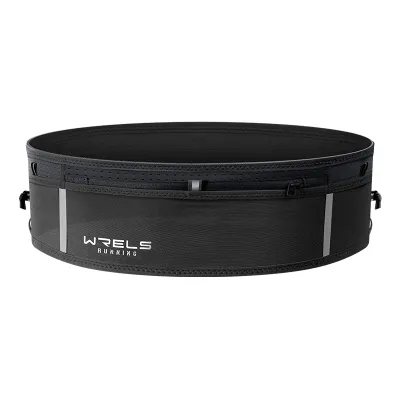
The Wrels running belt is designed with a focus on lightweight storage, making it a popular candidate for runners navigating warm climates. When examining the material specifications of the Wrels belt, the primary fabric blend typically consists of lightweight, elastic synthetics designed to stretch and conform to the body. To evaluate its suitability for Singapore’s humidity, look closely at the inner lining that makes direct contact with your shirt or skin. Many models in this category utilize a breathable mesh backing designed to facilitate airflow and prevent the build-up of a solid barrier against sweat.

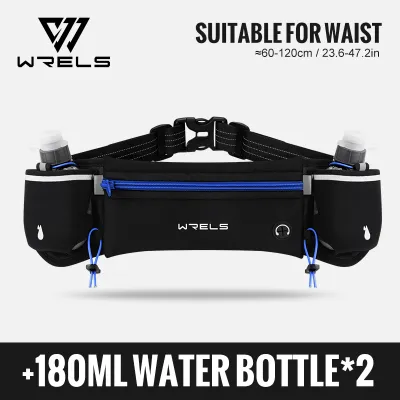
From a structural perspective, the Wrels running belt utilizes a low-profile pocket design. This configuration keeps your phone, keys, and cards flat against your body, which helps minimize bounce during high-intensity efforts. However, this close-fitting design means that the items you carry will block airflow through the fabric directly behind them. If you pack the belt to its maximum capacity, the solid surfaces of your phone or soft flasks will create a temporary barrier to ventilation, regardless of how breathable the underlying fabric is.
This trade-off between storage volume and breathability is a key consideration for long-distance runners. During extended training runs, a fully loaded Wrels belt may experience localized sweat pooling along the front or back panels where heavy items are stored. To mitigate this, the belt’s design relies on rapid-drying synthetic fibers that attempt to spread moisture across a wider surface area, accelerating drying times. When testing this belt, observe how quickly the fabric dries after a high-sweat session and whether the moisture transfers to your stored items, which may necessitate using waterproof sleeves for electronics.
Comparing the Wrels Running Belt with Alternative Designs
To make an informed decision, it is helpful to compare the physical architecture of the Wrels running belt with other prevailing design categories on the market. Different belt structures interact with sweat, ambient humidity, and body heat in fundamentally different ways.
By analyzing these structural variations, you can identify which design trade-offs align best with your running style, typical distance, and tolerance for heat retention.
Tubular Spandex Belts
Tubular spandex belts are constructed as a continuous, wide band of elastic fabric that slips over the hips, featuring multiple pocket slits around the circumference. This design is highly regarded for its exceptional stability and capacity to distribute weight evenly without bouncing. However, from a breathability standpoint, the continuous fabric band presents distinct challenges in humid conditions. Because these belts cover a wide band of the waist or hips with a double layer of snug-fitting fabric, they maximize skin contact and heat retention.
In Singapore’s climate, a tubular spandex belt can act as a heavy sweatband around your midsection. While high-quality nylon-spandex blends will wick moisture away from your skin, the sheer volume of fabric means the belt can absorb a significant amount of sweat before it can evaporate. This can lead to the belt feeling noticeably heavier and damp as your run progresses. For runners who prioritize absolute stability and need to carry multiple items, this added heat retention may be an acceptable trade-off, but those highly sensitive to heat may find the continuous coverage uncomfortable.
Minimalist Strap and Buckle Belts
Minimalist strap and buckle belts represent the opposite end of the design spectrum, featuring a narrow elastic strap secured by a plastic or magnetic buckle, with a single expandable pocket. The primary advantage of this design is its minimal physical footprint. By reducing the surface area of fabric in contact with your body, these belts maximize direct exposure to the air, allowing your skin’s natural cooling mechanisms to function with minimal interference.
Despite their superior ventilation, minimalist strap belts come with practical limitations. Because the storage pocket is concentrated in one small area, carrying heavy items like a large smartphone or a water bottle can cause the belt to bounce or sag. To prevent this bounce, runners often have to tighten the narrow strap significantly, which can create localized pressure points and friction against the skin. If the strap material is coarse, this increased tension combined with wet skin can quickly lead to painful chafing during long runs.
How to Choose Based on Your Running Profile
Selecting the right running belt for Singapore’s demanding climate requires matching these physical design characteristics to your personal running habits. If your typical runs last under an hour and you only need to carry a smartphone and a single key, a minimalist strap and buckle belt is highly effective, as it offers maximum airflow and minimal heat retention. For longer endurance runs where you must carry hydration, nutrition, and personal items, a more substantial option like the Wrels running belt provides a balanced compromise, offering structured storage with breathable mesh panels to mitigate sweat build-up.
Before purchasing any running belt, utilize this verification checklist to ensure it meets your specific comfort and performance needs:
- Check the inner lining material: Ensure the surface facing your body is made of an open-weave mesh rather than a solid, non-porous synthetic sheet.
- Assess the pocket backing: Verify if there is a water-resistant barrier inside the pocket; while this protects your phone from sweat, it also blocks airflow, so balance your protection needs with your ventilation preferences.
- Examine the seam construction: Look for flatlock seams or bonded edges, which reduce the risk of friction and chafing when the belt becomes wet with sweat.
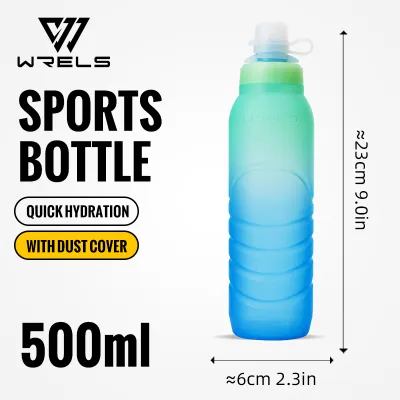
- Evaluate hydration compatibility: If you plan to carry soft flasks, check if the belt holds them in a position that allows air to circulate around your body, or if they rest flat against your lower back.
Once you have selected a belt, it is highly recommended to test its fit and breathability on shorter, lower-intensity runs before committing to a long-distance workout. Pay close attention to any areas where moisture accumulates or where the belt begins to rub against your skin. Additionally, verify the retailer’s return or exchange policies, as a belt’s performance can change significantly once it is fully loaded with your specific gear and subjected to real-world humid conditions.
Frequently Asked Questions (FAQ)
Can I wash my running belt to restore its moisture-wicking properties?
Yes, regular washing is essential for maintaining the performance of technical running gear. Over time, sweat salts, body oils, and dried sebum accumulate within the microscopic pores of synthetic fibers and mesh panels. This buildup clogs the fabric, significantly reducing its ability to wick moisture and allow airflow. To restore these properties, wash your belt after every few runs using a mild, liquid sports detergent that does not contain fabric softeners, as softeners leave a thin chemical coating that repels water and traps odors. Always check the care label on your specific belt; most manufacturers recommend hand washing in cool water or using a gentle machine cycle in a mesh laundry bag, followed by air drying away from direct sunlight to preserve the elasticity of the synthetic fibers.
Does a tighter fit improve or reduce breathability during humid runs?
Achieving the correct tension is a delicate balance between stability and ventilation. A belt that is adjusted too loosely will bounce and slide, causing friction against wet skin and leading to severe chafing. Conversely, over-tightening a running belt compresses the fabric fibers and eliminates the tiny air gaps designed into mesh backings and perforated panels. This compression restricts local airflow and traps body heat directly against your skin, accelerating sweat production. To optimize both stability and breathability, adjust the belt so it fits snugly enough to prevent movement when loaded, but not so tight that it restricts your breathing or leaves deep indentations on your skin after a run.

Community discussion
Share your experience or ask a question. Comments are reviewed before publication.