
When playing golf in Singapore’s intense tropical heat, a high-quality cooling towel is an essential piece of gear to manage body temperature and maintain focus on the course. High relative humidity severely limits the rate of natural sweat evaporation, meaning standard towels quickly become saturated and ineffective. To stay comfortable over an eighteen-hole round, you must look for specific features that facilitate active moisture management, optimal surface area, lightweight portability, and reliable odor resistance. Understanding these key dimensions allows you to select a towel that actively supports your game rather than becoming a heavy, damp distraction in your golf bag.
Why Tropical Humidity Changes Your Cooling Towel Needs
The physics of evaporative cooling rely heavily on the surrounding atmospheric conditions. In dry climates, moisture evaporates rapidly from a wet surface into the air, drawing heat away from your body in the process. However, in a tropical environment where the relative humidity frequently exceeds eighty percent, the air is already heavily saturated with water vapor. This saturation drastically slows down the rate of evaporation, meaning a standard wet cloth will struggle to release heat and will instead quickly warm up to match your body temperature.
For a golfer, this environmental challenge is compounded by the duration of the sport. A typical round of golf lasts upwards of four hours, during which you are continuously exposed to solar radiation and ambient heat. Without an engineered fabric that actively promotes moisture movement, a basic towel will simply trap warm water against your skin, exacerbating discomfort and potentially affecting your concentration during critical shots.
Products mentioned in this guide
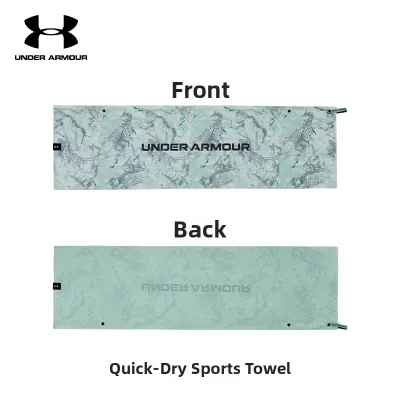
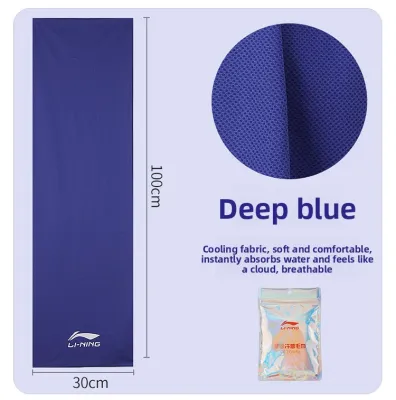
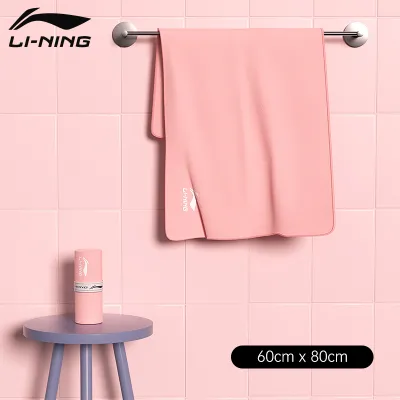
![[Ready Stock] Cooling Towel w/ Silicone Sleeve](https://img.lazcdn.com/g/p/4bd5b7cc0dd87fa43cf8da77cb0101ba.jpg_400x400q80.jpg_.webp)
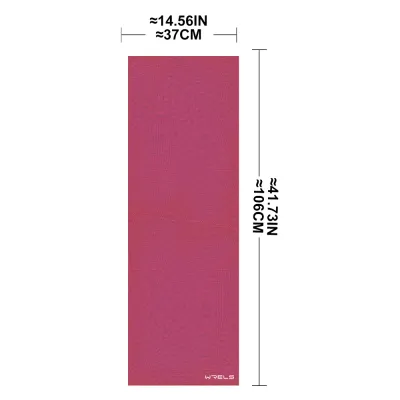
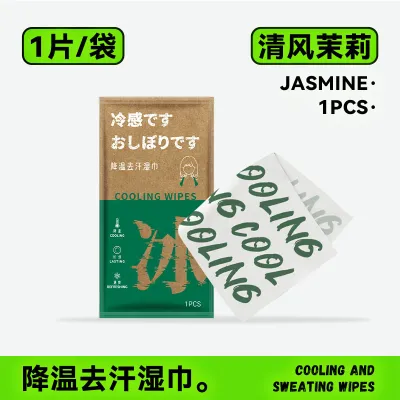
![[SG] Paperone Cooling Towel [Evergreen Stationery]](https://img.lazcdn.com/g/p/a6ee05edecba43777581a67f99e5a969.png_400x400q80.png_.webp)
Prices are valid at publication and may change. Please refer to the product page for the latest price.
Your mode of transit around the course also influences how your towel performs. If you are walking the fairways, you generate very little self-created wind, meaning you must rely almost entirely on the natural breeze and the structural efficiency of your towel’s fabric to encourage evaporation. Conversely, riding in a golf cart provides intermittent bursts of higher-velocity airflow as you travel between shots. A properly designed cooling towel can leverage these brief moments of movement to rapidly lower its temperature, readying it for your next shot.
Essential Features for Golfers in Hot and Humid Climates
Selecting the right cooling towel requires a careful balance between cooling duration, ease of reactivation, and golf-specific convenience. Because you will be carrying this item throughout your round, it must integrate seamlessly with your existing equipment and routine. A towel that is too difficult to reactivate or too cumbersome to carry will likely end up forgotten in a pocket of your golf bag.

It is important to recognize that no single feature can guarantee optimal performance in every scenario. Instead, you must weigh the trade-offs of different materials, sizes, and designs based on your personal playing style. For instance, a golfer who prefers to walk with a lightweight carry bag will prioritize different features than a golfer who rides in a buggy with ample storage space.
Material and Evaporation Technology
The primary decision when choosing a cooling towel is selecting the right material, with Polyvinyl Alcohol (PVA) and microfiber blends being the two most common options. PVA is a synthetic material known for its exceptional water retention capabilities. When fully saturated, a PVA towel can hold a significant volume of water and deliver an intense, immediate cooling sensation. However, PVA has a distinct physical characteristic that can be highly problematic for golfers: it stiffens completely as it dries. A stiff, cardboard-like towel draped over your neck can restrict your neck movement and disrupt the smooth rotation of your shoulders during a golf swing.
Microfiber blends, typically composed of polyester and nylon, offer a highly practical alternative for golfers. These fabrics utilize specialized knit patterns to channel moisture away from the skin and maximize airflow through the material. While the initial cooling sensation may feel slightly less intense than that of a freshly soaked PVA towel, microfiber remains soft, pliable, and lightweight whether it is wet or dry. This flexibility ensures that the towel drapes naturally over your shoulders and does not interfere with your swing mechanics.
When evaluating materials, always check the manufacturer’s label for specific fabric weights and weave density. A lower-weight microfiber towel will dry faster but will be exceptionally light on your shoulders, while a denser weave will retain moisture longer at the cost of slightly more weight. Look for fabrics that achieve their cooling properties through physical construction rather than chemical additives, as chemical treatments will inevitably wash out after a few laundry cycles, leaving you with a standard cloth.
Size, Weight, and On-Course Coverage
The physical dimensions of your cooling towel directly impact its utility and comfort on the golf course. A towel that is too small will not provide sufficient coverage to cool major vascular areas like the neck and shoulders, while an excessively large towel can become heavy, drape awkwardly, and catch on your club grips during a swing.
For most golfers, a rectangular shape measuring approximately thirty centimeters in width by one hundred centimeters in length offers the ideal balance. This length allows you to drape the towel securely around your neck or over your shoulders without it dangling too low. It remains clear of your hands when you take your stance and does not drag on the ground when you bend over to tee up your ball or read a putt on the green.
Weight is another critical factor, particularly when the towel is fully saturated with water. A larger towel naturally holds more moisture, which extends the cooling duration but also increases the physical load on your neck. If you carry your golf bag, a lightweight, compact microfiber towel is highly recommended to minimize fatigue over eighteen holes. If you use a golf cart, you can comfortably opt for a slightly larger towel, as you can store it on the cart’s dashboard or wrap it around your lap between shots without carrying the weight yourself.
Portability, Storage, and Odor Resistance
Managing a damp towel throughout a four-hour round requires practical storage solutions. If you simply toss a wet towel into a zippered pocket of your golf bag, the lack of airflow combined with high tropical humidity will quickly create a breeding ground for mold, mildew, and unpleasant odors.
To prevent this, look for cooling towels that are packaged with specialized carrying cases. Ventilated plastic tubes or mesh storage pouches are highly effective because they allow air to circulate around the damp fabric, preventing stagnation while keeping the rest of your gear dry. Some cases feature carabiner clips, allowing you to hang the towel from the exterior of your golf bag for easy access and maximum exposure to natural breezes.
Odor resistance is a vital feature for any gear used in tropical climates. Because you will be using the towel to wipe sweat from your face and neck, the fabric will inevitably accumulate skin oils, sweat salts, and cosmetic residues like sunscreen. Look for towels that feature integrated antimicrobial or odor-resistant treatments on the product label. These treatments help prevent the buildup of bacteria that cause sour smells, ensuring the towel remains fresh throughout your round.
Additionally, consider how easily the towel can be reactivated on the course. In high humidity, you will need to refresh the towel periodically. A design that can be quickly re-wet using a standard water bottle or a course-side water station, wrung out, and snapped in the air to reactivate is far more practical than one requiring specialized preparation.
How to Evaluate and Test a Cooling Towel Before Buying
Because you cannot easily test a towel’s cooling performance while standing in a retail store, you must rely on a systematic evaluation process to verify product claims before making a purchase. Start by carefully reading the product packaging and tags. Look for clear disclosures regarding material composition, care instructions, and any specific cooling duration estimates provided by the manufacturer. Avoid products that make vague or exaggerated claims without specifying the underlying fabric technology.
Once you have purchased a towel, you can perform a simple home test to evaluate its performance in conditions that mimic a humid golf course. Begin by thoroughly soaking the towel in room-temperature water, then wring out the excess moisture until it is damp but not dripping. Give the towel three or four sharp snaps to initiate the airflow through the fabric knit. Place the towel in a room with high humidity and minimal airflow, such as a bathroom shortly after a shower, and monitor how long the fabric remains noticeably cooler than the surrounding air. This will give you a realistic expectation of how often you will need to reactivate the towel during your round.
You should also test the towel’s physical characteristics while dry. Drape it over your neck and shoulders to ensure the texture is soft and non-abrasive against your skin. Practice a few dry golf swings while wearing the towel to verify that it does not shift excessively, restrict your shoulder turn, or distract your vision. Finally, wrap the dry towel around a spare club grip to ensure it does not leave behind any loose fibers or lint, which could compromise your secure hold on the club during a shot.
Care and Maintenance for Long-Lasting Cooling Performance
To maintain the capillary action and evaporative efficiency of your cooling towel, you must follow a consistent care and maintenance routine. Over time, sweat salts, sunscreen, cosmetic creams, and fine dust from the golf course can accumulate within the fabric’s knit, clogging the microscopic pathways that allow moisture to travel and evaporate.
After every round of golf, rinse the towel thoroughly in clean, cold water to flush out these contaminants before they have a chance to dry and set into the fibers. If the towel is heavily soiled, wash it using a mild liquid detergent. Avoid using powder detergents, as undissolved soap particles can lodge themselves in the fabric weave and degrade the towel’s cooling performance.
Air drying is the safest and most effective method for preserving the integrity of the cooling fibers. Hang the towel in a well-ventilated indoor area or a shaded outdoor spot to dry completely. Never store a damp cooling towel in your golf bag, locker, or car trunk for extended periods, as the tropical climate will rapidly promote mold growth, which can permanently ruin the fabric and cause persistent odors.
Most importantly, never use fabric softeners or chlorine bleach when washing your cooling towel. Fabric softeners work by depositing a thin, waxy chemical coating over the fibers to make them feel softer. This coating is highly hydrophobic, meaning it will block the fabric’s ability to absorb and transport water, effectively destroying the evaporative cooling mechanism. Similarly, harsh bleaches can break down the synthetic fibers of microfiber and PVA, leading to premature fraying, loss of elasticity, and reduced water retention.
Frequently Asked Questions (FAQ)
Can I use a regular gym towel instead of a specialized cooling towel for golf?
Regular cotton or standard microfiber gym towels are designed primarily for high absorption rather than controlled evaporation. While they are excellent for wiping away sweat, they quickly become waterlogged, heavy, and warm when wet. Because they lack the specialized knit structures that regulate moisture release, they hold onto heat and can cause skin irritation when draped around your neck for long periods. A specialized cooling towel uses a unique weave that limits water retention to promote continuous, slow evaporation, keeping the fabric temperature significantly lower than the surrounding air.
How often should I re-wet my cooling towel during a round of golf?
In Singapore’s high humidity, you should expect to reactivate or re-wet your cooling towel every forty-five to sixty minutes. The exact frequency depends on the ambient wind speed, your level of physical exertion, and whether you are walking or riding in a cart. If the towel begins to feel warm or matches your skin temperature, you can often reactivate it simply by snapping it in the air to restore airflow through the fibers. If the fabric has dried out completely, re-soak it at a course water station or using a water bottle, wring out the excess, and snap it to restart the cooling cycle.

Community discussion
Share your experience or ask a question. Comments are reviewed before publication.